Do you ever find yourself wishing your water bottle was warm and comforting, especially on cold days? Knowing how to heat up your water bottle safely and quickly can make a huge difference in your comfort and convenience.
Whether you want to soothe sore muscles, keep warm at night, or simply enjoy warm water on the go, this guide is for you. Keep reading, and you’ll discover easy, effective ways to heat your water bottle without any hassle.
Your next cozy moment is just a few steps away.
Heating With Hot Water
Heating a water bottle with hot water is a simple and effective way to warm it up quickly. This method uses readily available kitchen tools and avoids electric appliances. It works well for rubber, silicone, or stainless steel bottles designed to hold hot liquids. Careful handling ensures a warm and safe water bottle ready for use.
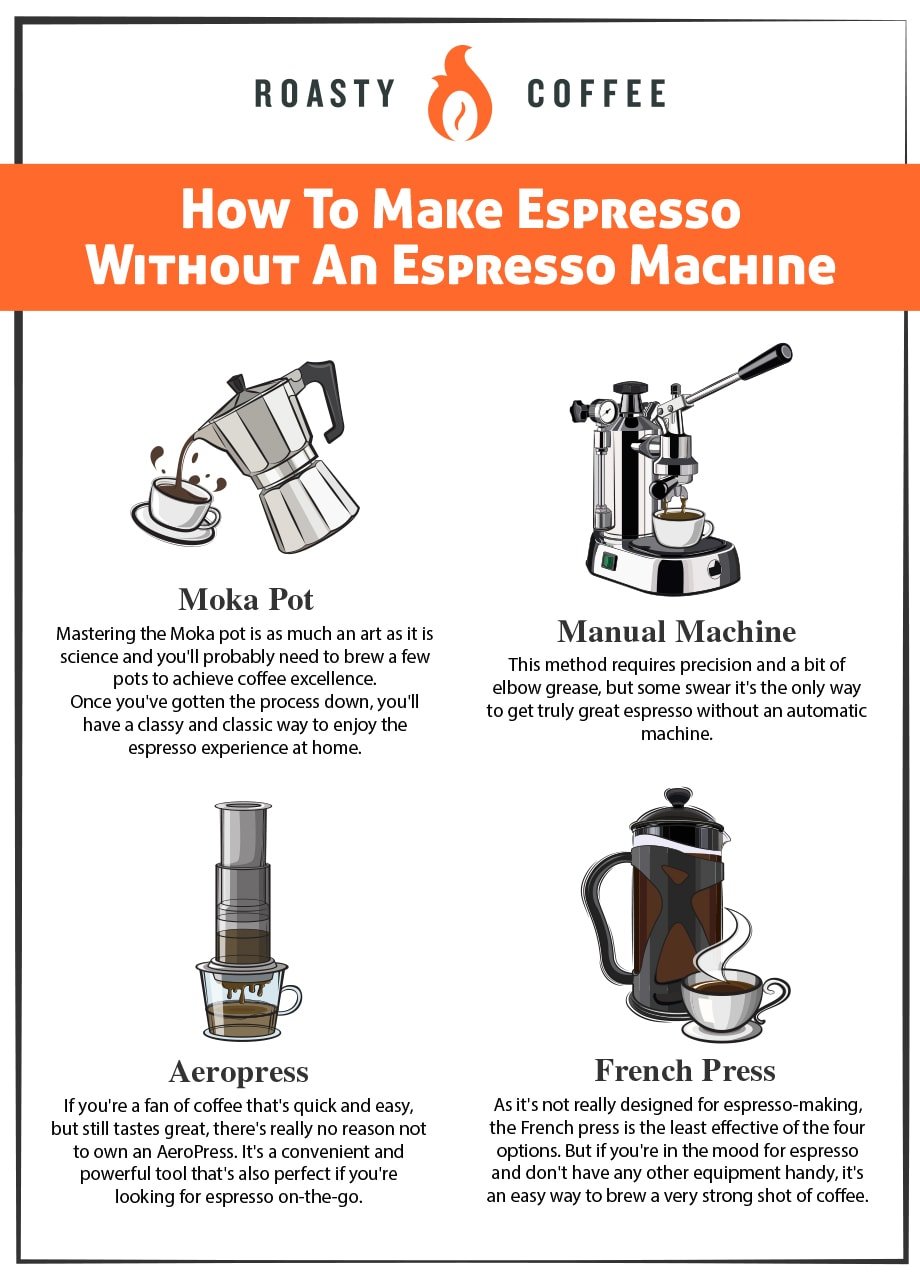
Using A Kettle Or Pot
Start by boiling water in a kettle or pot. Pour the hot water into a heat-safe bowl or directly into a sink. Submerge the water bottle up to its fill line in the hot water. Let it sit for about 5 to 10 minutes. This warms the bottle evenly without overheating.
Water Temperature Tips
- Use water just off the boil, around 70-80°C (160-175°F).
- Water that is too hot can damage the bottle or cause burns.
- Cooler water takes longer to heat the bottle effectively.
- Test the water temperature before pouring it over the bottle.
Safety Precautions
- Handle hot water carefully to avoid burns or spills.
- Use heat-resistant gloves or a towel when touching the bottle.
- Never fill the bottle directly with boiling water unless it is designed for it.
- Check the bottle’s material and instructions for heating limits.

Credit: www.waterbottle.tech
Microwave Heating
Microwaving your water bottle can be a quick and convenient way to warm up water, especially when you're in a hurry. However, it’s essential to handle this method with care to ensure safety and effectiveness. Not all bottles are suitable for microwave heating, so knowing which ones you can use and how to control the heating time makes a big difference.
Microwave-safe Bottles
Before placing your water bottle in the microwave, check if it’s microwave-safe. Many plastic bottles contain chemicals that can release harmful substances when heated. Glass and some BPA-free plastics are usually safe options, but always look for a microwave-safe label on the bottle.
If you’re unsure, try heating water in a microwave-safe container first and then transferring it to your bottle. This simple step can prevent damage to your bottle and keep your water safe to drink.
Heating Duration
Heating water in a microwave requires timing precision. Usually, heating for 30 seconds to 1 minute is enough, depending on the microwave’s wattage and the amount of water. Start with shorter intervals and check the temperature before adding more time.
Remember, microwaves heat unevenly, so stir the water if possible to even out the temperature. Have you ever been surprised by a hot spot in your drink? Stirring helps avoid that uncomfortable burn.
Avoiding Overheating
Overheating water can create dangerous situations, like sudden boiling or bursting bottles. Avoid microwaving water for too long, as it can superheat and erupt when disturbed. To prevent this, place a wooden stir stick or a microwave-safe object in the bottle to break the surface tension.
Be cautious when removing the bottle from the microwave; use a towel or oven mitt to avoid burns. Taking these small precautions ensures your water heats safely and effectively without any surprises.
Warm Water Bath
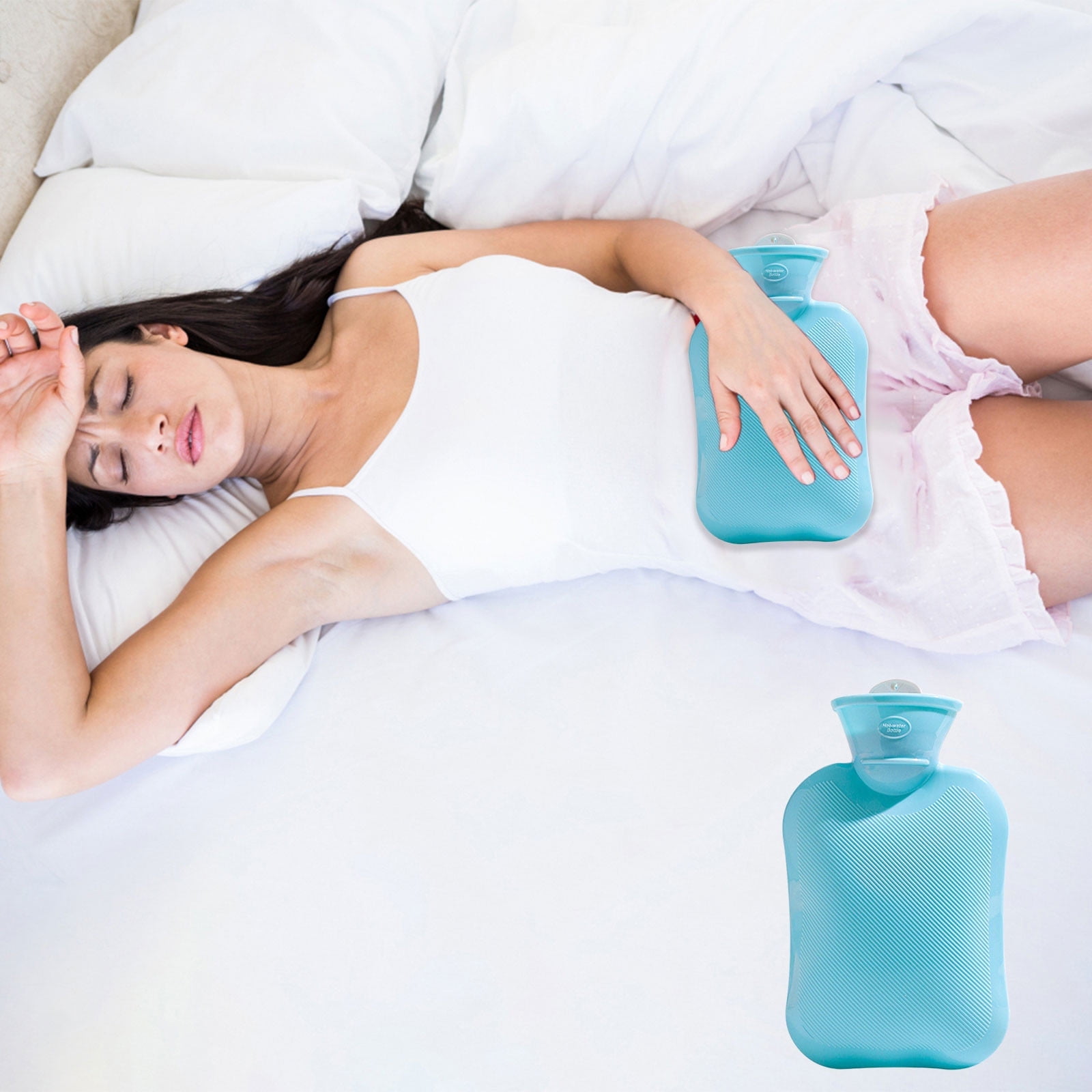
A warm water bath is a safe and simple way to heat a water bottle. It uses gentle heat to warm the bottle without risking burns or damage. This method works well for most types of water bottles and is easy to do at home.
Setting Up A Water Bath
Fill a bowl or sink with warm water. The water should be warm, not hot. Place the water bottle in the water. Make sure the water level is below the bottle’s cap to avoid leaks. Let the bottle sit in the water for a few minutes to absorb the heat evenly.
Optimal Heating Time
Heat the water bottle for 5 to 10 minutes. Check the bottle’s temperature often. If it feels warm enough, remove it from the water. Avoid leaving the bottle in for too long. Overheating can damage the bottle or cause burns.
Checking Bottle Material
Check what material your water bottle is made of before heating. Plastic bottles may soften if heated too much. Glass bottles can crack if exposed to sudden temperature changes. Stainless steel bottles usually handle warm water well. Always follow the manufacturer’s instructions for heating to keep the bottle safe.
Credit: www.walmart.com
Electric Bottle Warmers
Place the water bottle inside the electric bottle warmer and plug it in. Wait a few minutes until the water reaches a warm temperature. Always check the water temperature before use to ensure safety.
Electric bottle warmers are convenient and efficient for heating up water bottles. They simplify the process and provide consistent results. With various designs and features, these devices cater to different needs. Let's explore the different types, usage instructions, and safety features.
Types Of Warmers
There are several types of electric bottle warmers:
- Standard Bottle Warmers:Compact and easy to use. Suitable for most bottle sizes.
- Portable Warmers:Ideal for travel. They operate with batteries or car adapters.
- Multi-Function Warmers:Can heat bottles and sterilize them. Some models also steam food.
Usage Instructions
Using an electric bottle warmer is straightforward:
- Fill the warmer with water as per the instructions.
- Place the bottle inside the warmer.
- Select the appropriate setting based on the bottle's size.
- Turn on the warmer and wait for the indicator light.
- Carefully remove the bottle when heated.
Safety Features
Electric bottle warmers come with several safety features:
- Auto Shut-Off:Prevents overheating by turning off when done.
- Temperature Control:Maintains consistent heat to avoid hot spots.
- Non-Slip Base:Ensures stability during use.
These features ensure a safe and user-friendly experience.
Using A Heating Pad
Using a heating pad is a simple and safe way to warm up a water bottle. It provides steady heat without the risk of burning. Heating pads are easy to use and keep the water warm for a long time. This method works well for most types of water bottles.
Choosing The Right Pad
Select a heating pad with adjustable heat settings. This control helps avoid overheating the water bottle. Choose pads made of soft, flexible material for better contact. Look for pads with an automatic shut-off feature. It adds safety and prevents overheating.
Wrapping Techniques
Wrap the heating pad evenly around the water bottle. Use a towel or cloth to secure the pad in place. Avoid tight wrapping to allow heat circulation. Cover the bottle completely for even warming. Make sure the heating pad does not touch any plastic parts directly.
Time Management
Set the heating pad for 15 to 20 minutes. Check the water temperature after this time. Extend heating in 5-minute intervals if needed. Avoid heating for too long to prevent damage. Always unplug the pad after use for safety.

Credit: www.waterbottle.tech
Precautions And Tips
Heating a water bottle safely requires careful attention. Following certain precautions protects your skin and the bottle. Small steps keep your experience smooth and safe.
Avoiding Burns
- Check water temperature before use. Avoid very hot water.
- Use a cloth or towel to hold the bottle when hot.
- Do not heat the bottle directly on open flames or stovetops.
- Keep the bottle away from children during heating and use.
- Allow the bottle to cool slightly before applying it to skin.
Maintaining Bottle Integrity
- Use bottles made for heating, like rubber or silicone types.
- Avoid microwaving bottles not designed for microwave use.
- Do not overfill the bottle to prevent leaks or bursts.
- Inspect the bottle regularly for cracks or damage.
- Replace bottles that show signs of wear or weakness.
Cleaning After Heating
- Empty the bottle and rinse with warm, soapy water.
- Dry the bottle completely before storing.
- Clean regularly to avoid bacteria growth inside the bottle.
- Do not use harsh chemicals or abrasive materials on the bottle.
- Follow the manufacturer's cleaning instructions for best results.
Frequently Asked Questions
How Do You Safely Heat A Water Bottle?
To heat a water bottle safely, use warm water or a heating pad. Avoid boiling water directly in plastic bottles. Check the bottle material to ensure it can withstand heat. Always test the water temperature before use to prevent burns.
Can I Use A Microwave To Heat A Water Bottle?
Microwaving a water bottle is not recommended unless it’s microwave-safe. Plastic bottles may melt or release harmful chemicals. Use a glass or silicone bottle labeled microwave-safe. Heat in short intervals and stir water for even warmth.
What Is The Best Way To Warm A Water Bottle Quickly?
Fill a bowl with hot tap water and submerge the bottle. Let it sit for 5-10 minutes, then check the temperature. This method is quick, safe, and avoids overheating or damaging the bottle.
Is It Safe To Heat A Water Bottle With Boiling Water?
Boiling water can damage some water bottles, especially plastic ones. It may cause warping or chemical leaching. Use hot, but not boiling water, for heating. Always follow the manufacturer's heating instructions.
Conclusion
Heating a water bottle is simple and safe with the right steps. Choose the best method for your bottle type. Always check the water temperature before use. Avoid overheating to prevent burns or damage. Regular care helps keep your bottle in good shape.
Warm water brings comfort, especially on cold days. Now you can enjoy warm water anytime you need it. Stay safe and enjoy the warmth!