Have you ever found yourself puzzled in the kitchen, wondering how to half 3/4 teaspoon exactly? Getting measurements right can make or break your recipe.
If you want to avoid guesswork and achieve perfect results every time, you’re in the right place. You’ll discover a simple, foolproof way to cut 3/4 teaspoon in half—no complicated math needed. Keep reading, and you’ll master this small but crucial skill that will boost your confidence and cooking success.
Why Measure Small Amounts Accurately
Measuring small amounts accurately is essential in cooking and baking. Even tiny differences can change the taste and texture of a dish. Accurate measurement ensures consistent results every time.
Small amounts often involve strong ingredients like spices or leavening agents. Too much or too little can spoil the recipe or affect health.
Consistency In Recipes
Accurate small measurements help repeat a recipe exactly. This is important for favorite dishes or when sharing recipes with others. Consistent results build trust in your cooking skills.
Balanced Flavors
Small ingredients impact flavor balance greatly. Measuring precisely prevents overpowering or weak flavors. This creates a pleasant taste experience.
Proper Chemical Reactions
In baking, small amounts affect chemical reactions like rising. Correct measurement ensures proper texture and appearance. Too much or too little can ruin the final product.
Health And Safety
Certain ingredients require careful measuring for safety. Salt, spices, and baking soda must be controlled. Accurate amounts protect health and avoid unpleasant side effects.
Cost Efficiency
Precise measurement reduces waste of expensive ingredients. It saves money and resources. Small amounts add up when cooking or baking often.
Credit: mysweetprecision.com
Common Challenges With Small Teaspoon Measurements
Measuring small amounts like half of 3/4 teaspoon can be surprisingly tricky. The tiny quantities often lead to guesswork, which affects the accuracy of your recipe. Many people struggle with getting the right amount without wasting ingredients or messing up the flavor.
Difficulty In Visual Estimation
It’s hard to eyeball fractions of a small teaspoon. When you try to split 3/4 teaspoon in half, you’re aiming for about 3/8 teaspoon, which isn’t a standard measurement. You might find yourself either adding too much or too little.
Have you ever noticed how even a slight extra pinch can change the taste? That’s why relying on visual estimation alone often leads to inconsistent results.
Limitations Of Common Measuring Tools
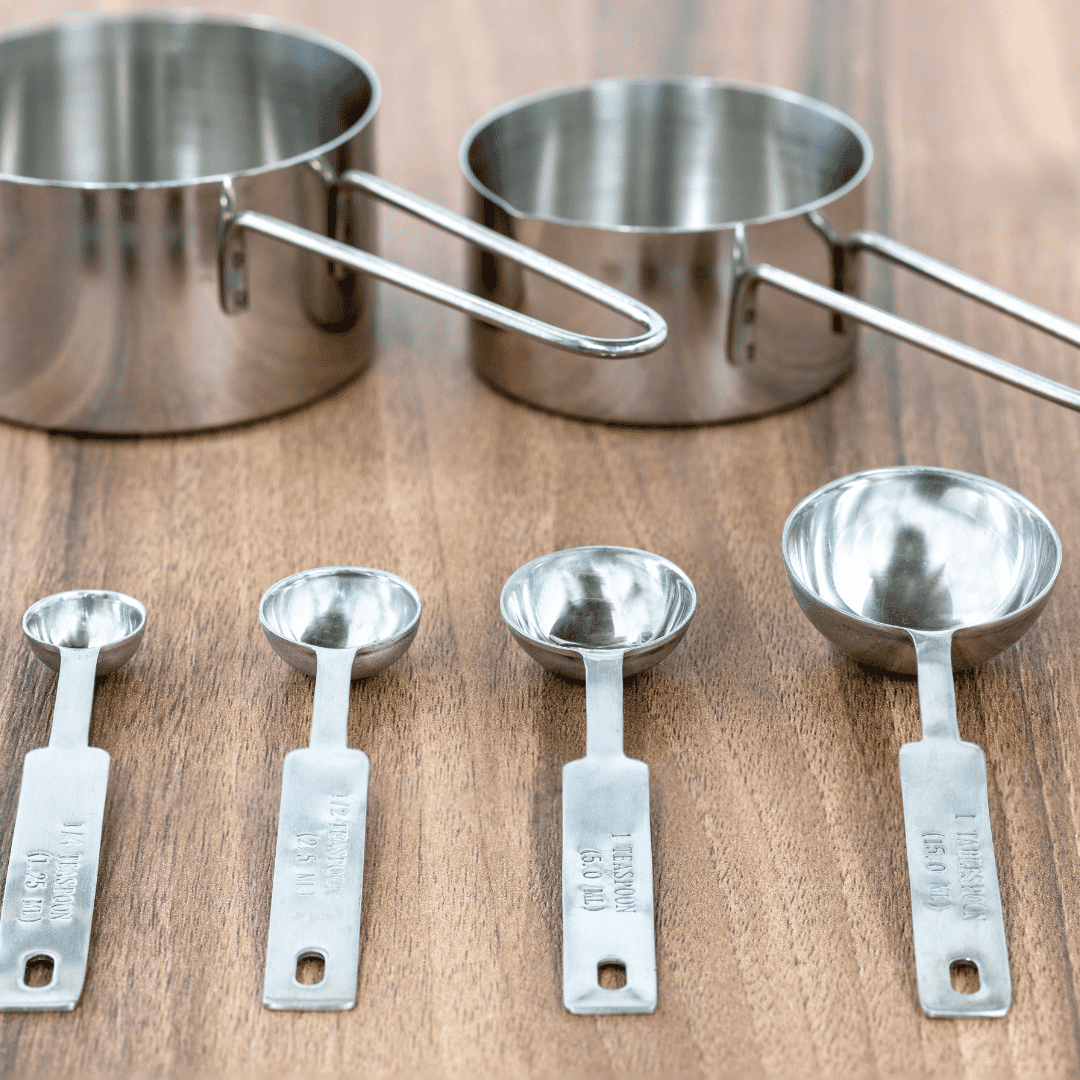
Most measuring spoon sets don’t include 3/8 teaspoon or half of 3/4 teaspoon. This forces you to improvise by using larger or smaller spoons, which can cause confusion. Using a 1/4 teaspoon plus a little less than 1/8 teaspoon is an option, but it’s not precise.
Do you have a set of spoons that fits perfectly for tiny fractions? If not, you might find yourself guessing more than measuring.
Impact Of Ingredient Texture And Density
Powdery, granular, or liquid ingredients behave differently when measured in small amounts. For example, a half of 3/4 teaspoon of salt might be easier to level off than the same amount of ground cinnamon. This inconsistency can make your measurements less reliable.
Have you noticed how some ingredients pack down more tightly, causing you to add less than intended? This adds another layer of challenge to accurate measuring.
Difficulty In Maintaining Consistency
Reproducing the exact half of 3/4 teaspoon measurement every time is tough without a precise method. This inconsistency can affect baking outcomes or cooking flavors, especially in recipes that require exact seasoning.
How often have you tried to replicate a recipe only to find the taste slightly off? Small measurement errors often play a big role in that.
Tools For Precise Measuring
Accurate measuring is a game-changer in cooking and baking. Whether you're halving a 3/4 teaspoon or measuring a cup of flour, precision matters. But what tools should you use to ensure your measurements are spot-on?
Measuring Spoons Vs. Scales
Measuring spoons are a staple in every kitchen. They come in standard sizes and are perfect for small quantities like teaspoons and tablespoons. But what if you need absolute precision?
That's where scales come in. A digital kitchen scale can weigh ingredients to the gram, which is essential for certain recipes. When halving 3/4 teaspoon, relying on a scale can ensure you're not over or under-measuring.
Think about this: Would you trust your eye to guess the weight, or would you rather see the exact number on the screen? For serious cooks, scales can be a worthy investment.
Using Fractional Measuring Spoons
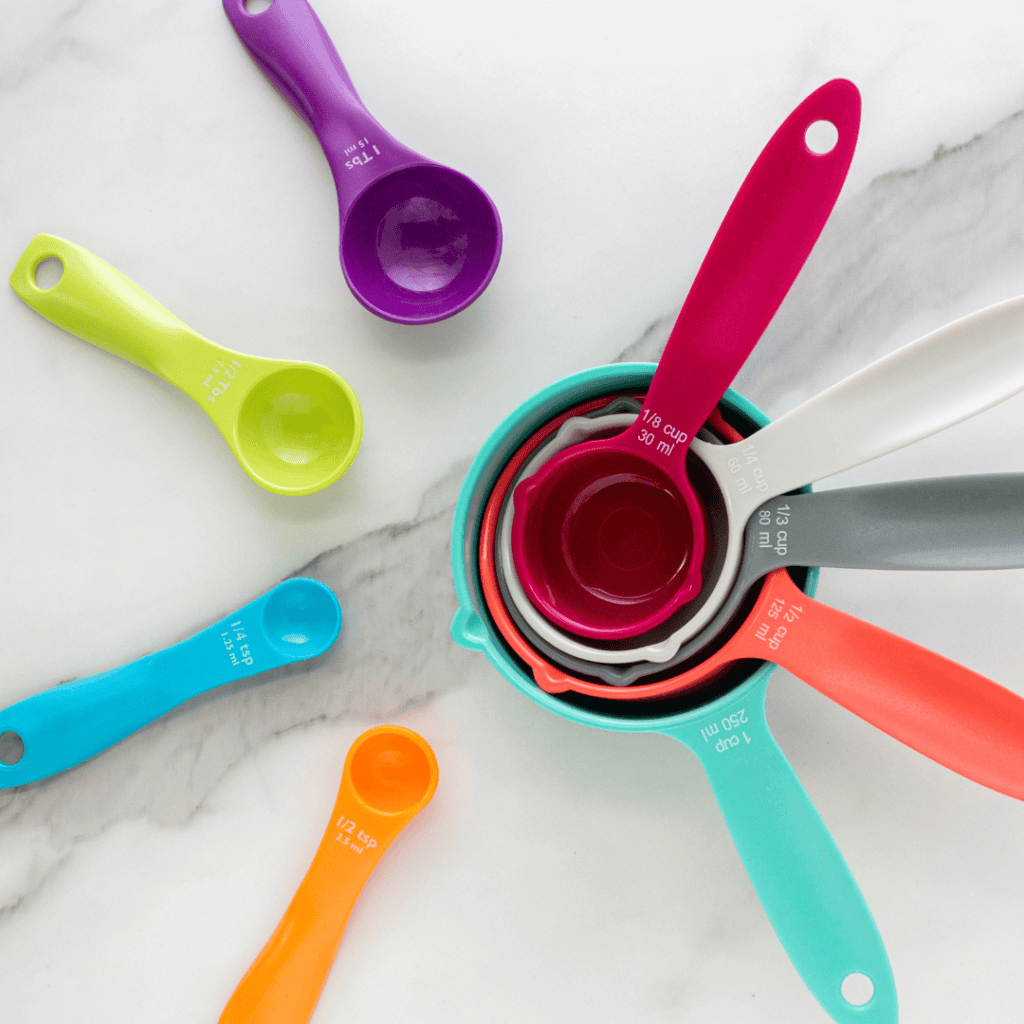
If you don't have a scale, fractional measuring spoons are a fantastic alternative. These specialized spoons include odd sizes like 1/8 and 1/16 teaspoon, allowing you to measure less common amounts easily.
When halving 3/4 teaspoon, you can simply use a 1/4 teaspoon three times. It's straightforward and removes the guesswork. Do you have a set of these nifty spoons in your kitchen drawer?
Incorporating these tools into your cooking routine can enhance your culinary creations. The next time you're in the kitchen, reach for the right tool and enjoy the confidence that comes with precise measuring.
Credit: www.recipesandplaces.com
Methods To Half 3/4 Teaspoon
Halving 3/4 teaspoon can be tricky without the right approach. Precise measurement helps maintain the recipe’s balance. Different methods suit different kitchen tools and preferences. Choose the best way that fits your needs.
Using A 1/4 Teaspoon
A 1/4 teaspoon is a common measuring tool in kitchens. To half 3/4 teaspoon, fill the 1/4 teaspoon three times. Then divide that amount by two. This means using one and a half 1/4 teaspoons. It’s simple and accurate for small amounts.
Eyeballing The Amount
Eyeballing works when you don’t have exact tools. Imagine dividing 3/4 teaspoon into two equal parts. Visualize half of the 3/4 mark on your measuring spoon. Pour slowly and stop near that halfway point. Practice improves accuracy over time.
Converting To Milliliters
Converting teaspoons to milliliters offers precision. One teaspoon equals about 5 milliliters. So, 3/4 teaspoon is roughly 3.75 milliliters. Half of this is about 1.9 milliliters. Use a small liquid measuring spoon or syringe for best results.
Tips For Consistent Results
Getting consistent results when halving 3/4 teaspoon requires attention to detail. Small measurements can easily become inaccurate if you don’t use the right technique. These tips will help you measure precisely every time, so your recipes turn out just right.
Leveling The Spoon
Always level the spoon after scooping your ingredient. Use the back of a knife or a flat edge to gently scrape off any excess. This simple step ensures you don’t accidentally add too much.
Imagine baking cookies where the difference between a level and heaping teaspoon changes the texture completely. Leveling your spoon helps maintain the exact balance your recipe needs.
Avoiding Packing Ingredients
Loose ingredients like flour or powdered sugar tend to pack down if you tap or shake the spoon. This can make you add more than intended. Instead, scoop gently and avoid pressing the ingredient into the spoon.
Ask yourself: is the ingredient sitting naturally in the spoon? If it looks compacted, try scooping again without pressing. This keeps your measurements true to the recipe’s demands.
When To Use Exact Measurements
Exact measurements matter in cooking and baking. They ensure your dish tastes just right. Small errors can change the texture and flavor. Knowing when to use exact amounts helps avoid mistakes. This is especially true for spices, baking powder, and salt.
Precise Baking Recipes
Baking needs exact measurements. It is like a science experiment. Too much or too little of an ingredient can ruin the recipe. Half a 3/4 teaspoon matters in cakes, cookies, and bread. Accurate amounts keep your baked goods fluffy and tasty.
Cooking With Strong Spices
Some spices are very strong. Using too much can overpower the dish. Halving 3/4 teaspoon helps control flavor balance. It prevents your food from becoming too spicy or bitter. Precise spice measurement improves the overall taste.
Medicinal And Dietary Recipes
Certain recipes require careful ingredient control. This is common in low-sodium or allergy-friendly dishes. Exact measurements avoid health risks. Halving 3/4 teaspoon ensures safe and healthy meals. It also keeps the recipe consistent every time.
Making Homemade Sauces And Dressings
Sauces and dressings depend on precise seasoning. Too much salt or herbs can ruin the flavor. Halving 3/4 teaspoon helps get the right taste. It allows for better control over the final product. This keeps your sauces balanced and delicious.
Credit: www.recipesandplaces.com
Frequently Asked Questions
How Do You Half 3/4 Teaspoon Exactly?
To half 3/4 teaspoon, divide it by two. Half of 3/4 teaspoon equals 3/8 teaspoon. Use a 1/4 teaspoon plus a small pinch for accuracy.
Can I Use A 1/4 Teaspoon To Half 3/4 Teaspoon?
Yes, use one 1/4 teaspoon and add half of 1/8 teaspoon to get 3/8 teaspoon. This equals half of 3/4 teaspoon precisely.
Is 3/8 Teaspoon The Same As Half Of 3/4 Teaspoon?
Yes, 3/8 teaspoon is exactly half of 3/4 teaspoon. It provides the correct measurement for recipes needing half the amount.
What Tools Help Measure Half Of 3/4 Teaspoon?
Use measuring spoons marked in 1/8 or 1/4 teaspoons. They help you measure 3/8 teaspoon accurately, which is half of 3/4 teaspoon.
Conclusion
Halving 3/4 teaspoon is simple and saves time. Use a 1/4 teaspoon measure three times for accuracy. Or, measure 3/8 teaspoon if available. Precision in small amounts improves your recipe’s taste. Practicing this helps build confidence in cooking. Try it next time you bake or cook.
Small steps like this make a big difference. Keep measuring carefully and enjoy better results every time.