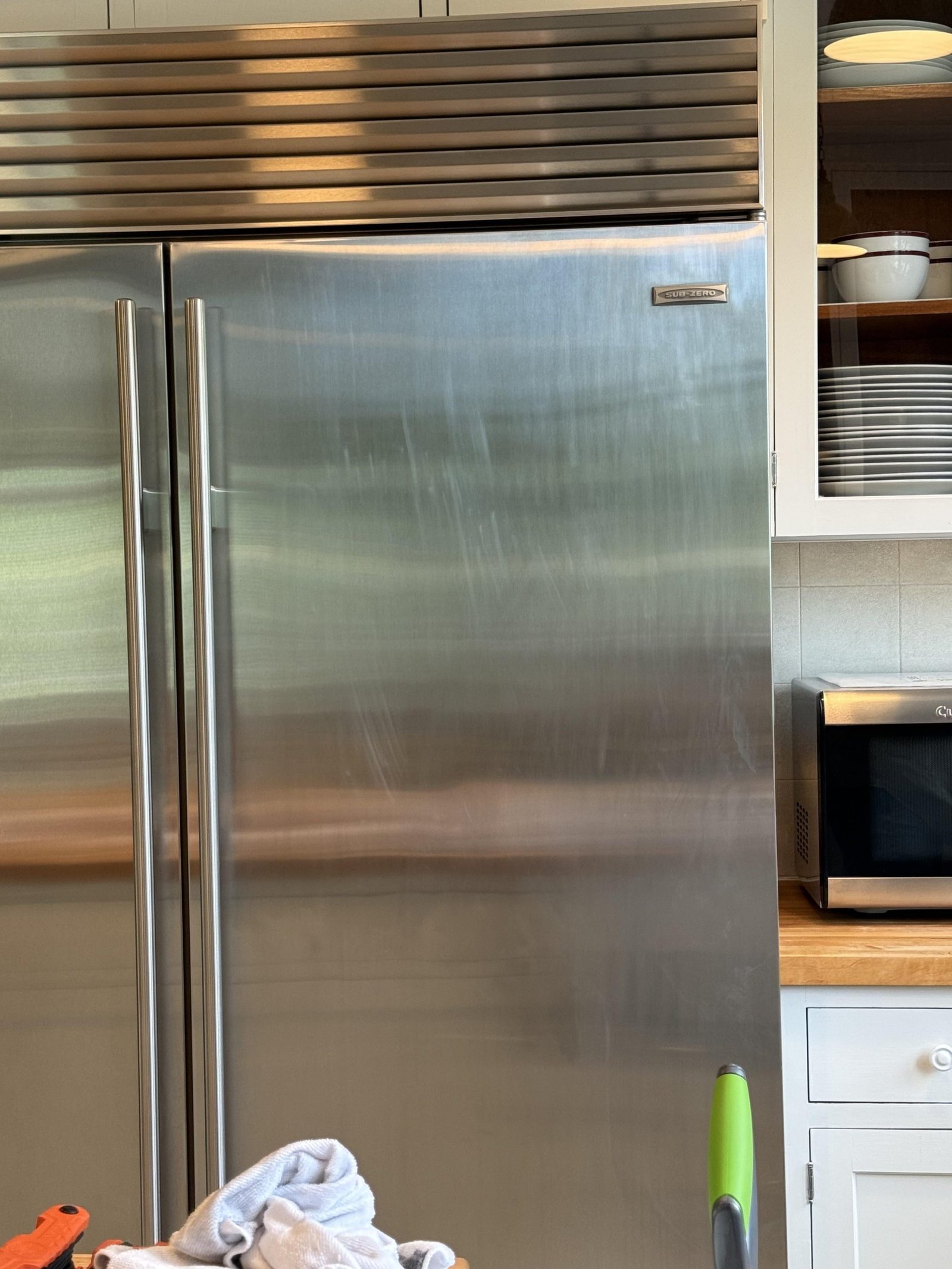
Have you noticed a dent on your refrigerator door and wondered how to fix it without spending a lot of money? That small dent can be annoying and make your kitchen look less neat.
But don’t worry—you don’t need to call a professional or buy a new fridge. You’ll learn simple, effective ways to get that dent out quickly. Keep reading, and you’ll be surprised how easy it is to restore your fridge to its smooth, flawless look.
Your kitchen deserves it!
Assess The Dent
Before fixing a dent on your refrigerator door, it is important to assess the damage properly. This helps you choose the best repair approach and avoid further damage. Careful observation of the dent’s size, location, and the door material guides your repair steps effectively.
Check Dent Size And Location
Look closely at the dent’s size. Small dents under two inches often repair easily with simple tools. Larger dents may need more effort or professional help.
Note the dent’s location on the door. Dents near the edges or corners might be harder to fix. Check if the dent affects the door’s seal or functionality.
Identify Door Material
Refrigerator doors come in different materials like stainless steel, plastic, or painted metal. Knowing the material helps select the right repair method.
Stainless steel doors need gentle care to avoid scratches. Plastic doors may be more flexible but can crack under pressure. Painted metal doors require careful handling to protect the paint.

Credit: www.amazon.com
Gather Necessary Tools
Before you start fixing that dent on your refrigerator door, gathering the right tools is essential. The tools you choose can make the process smoother and improve your chances of success. You might be surprised how many items you already have at home that can help you out.
Common Household Items
You don’t always need to buy special tools to fix a dent. Many everyday items can do the job if you use them correctly. A simple plunger, for example, can work wonders on shallow dents by creating suction to pull the dent out.
Other useful household items include:
- A hairdryer or heat gun to warm the dented area.
- A can of compressed air to cool the heated metal quickly, helping it contract and pop back.
- Soft cloths or towels to protect the surface while working on it.
Have you ever thought about using a hairdryer and compressed air together? It’s a neat trick that often surprises people with how effective it is.
Specialized Repair Kits
If you want a more professional approach, specialized dent repair kits are worth considering. These kits typically include tools like glue guns, pulling tabs, and dent lifters designed specifically for appliance surfaces.
Using a repair kit can give you more control over the process. The glue tabs attach firmly to the dent, allowing you to pull it out steadily without risking damage to the paint.
While these kits cost a bit more, they often come with detailed instructions. This guidance helps you avoid common mistakes and achieve a cleaner repair. Do you prefer a quick home fix or a more precise method using these kits?
Use Hot Water Method
The hot water method is a simple and effective way to fix dents on your refrigerator door without calling a professional. It uses the power of heat to soften the metal, making it easier to push the dent out from the inside. This approach is budget-friendly and requires only common household items.
Heat Application Steps
Start by boiling water until it's hot but not boiling vigorously—around 140°F (60°C) works well. Carefully pour the hot water over the dented area, ensuring the metal gets warm enough to become more flexible.
Next, reach inside the fridge (if possible) and gently push the dent outward with your hands or a soft tool like a wooden spoon. If you can't access the back, try pressing the dent from the outside while the metal is still warm.
Repeat the hot water pouring and pushing process a few times until the dent begins to pop back into place. Be patient—some dents take several attempts to smooth out completely.
Safety Tips
- Handle hot water carefully.Avoid burns by wearing heat-resistant gloves and pouring water slowly.
- Protect your hands.Use a cloth or glove to push the dent to prevent injury from sharp edges inside the door.
- Be cautious with electrical components.Avoid pouring water near seals, buttons, or any electrical parts to prevent damage.
- Work in a safe area.Make sure the floor is dry to prevent slips after pouring hot water.
Have you ever tried heating metal to reshape it? It’s fascinating how just a bit of warmth can make a rigid surface pliable enough to fix dents. This method not only saves money but also gives you a satisfying DIY win.
Try Hair Dryer And Compressed Air
Trying a hair dryer and compressed air is a simple, effective way to fix dents on refrigerator doors. This method uses heat and cold to pop the dent out. It does not need special tools or skills. Many people find it works well on small to medium dents without damaging the surface.
The process starts by warming the dent with a hair dryer. Heat makes the metal or plastic flexible. Then, compressed air cools the area quickly. The sudden temperature change causes the dent to return to its original shape. This technique is safe and easy to do at home.
Heating The Dent
Turn on the hair dryer to its highest setting. Hold it about 6 inches from the dent. Move the dryer in small circles to warm the area evenly. Heat the dent for about 1 to 2 minutes. The surface should feel hot but not too hot to touch.
Heating softens the metal or plastic. This makes it easier to pop the dent out later. Avoid staying too long in one spot. Overheating can damage the refrigerator’s finish.
Rapid Cooling Technique
Immediately after heating, shake a can of compressed air upside down. Spray the cold air directly on the dent. The temperature will drop quickly. This sudden change makes the dent contract and pop out.
Keep spraying for 20 to 30 seconds. You may hear a popping sound. This means the dent is coming back to its shape. If the dent stays, repeat heating and cooling again.
This method works best on small dents. Larger dents might need professional repair. Use caution with compressed air. Avoid spraying near your face or eyes.
Apply Plunger Technique
A plunger can help pull out small dents from a refrigerator door. Press it firmly on the dent and pull gently. Repeat until the dent pops out.
Dents on your refrigerator door can be an eyesore, especially if you take pride in keeping your kitchen looking its best. One surprisingly effective and budget-friendly method to tackle this issue is the plunger technique. Yes, the humble plunger, typically associated with unclogging drains, can also be your ally in smoothing out those unsightly dings. Let's dive into how you can apply this technique effectively to restore the sleek look of your fridge.
Choosing The Right Plunger
Not all plungers are created equal, and choosing the right one is crucial for this task. Opt for a cup-style plunger, which has a flat rim ideal for creating a strong seal on flat surfaces like your fridge door. Avoid accordion or flange-style plungers, as their design is more suited for toilets and won't provide the necessary suction.
Proper Suction Method
Creating a good seal is key to using the plunger effectively. Lightly moisten the rim of the plunger to enhance suction. Press the plunger firmly against the dent, ensuring no air escapes. Pull back gently but with enough force to pop the dent out. Have you ever thought about how something as simple as a plunger could save you from costly repairs? The satisfaction of watching the dent disappear might just turn a mundane task into a triumph. Applying this straightforward method can be surprisingly satisfying and effective. So, next time you spot a dent on your fridge, consider grabbing a plunger before reaching for the phone to call a professional.

Credit: www.amazon.com
Utilize Dry Ice Method
The dry ice method offers a simple and effective way to remove dents from a refrigerator door. It uses extreme cold to shrink the metal, helping the dent pop out. This technique requires careful handling of dry ice and a gentle application to the dented area. Follow these steps to use dry ice safely and effectively.
Handling Dry Ice Safely
- Always wear thick gloves to protect your hands from frostbite.
- Use dry ice in a well-ventilated area to avoid gas buildup.
- Do not touch dry ice with bare skin to prevent injury.
- Keep dry ice away from children and pets for safety.
- Store dry ice in an insulated container, not airtight.
Applying To The Dent
- Wear gloves before handling dry ice for safety.
- Rub the dry ice gently over the dented area for 30 seconds.
- Move the dry ice slowly in circular motions to cool evenly.
- Wait a few minutes after application to let metal contract.
- Repeat if needed, but avoid overcooling the same spot.
Use Dent Repair Kits
Using dent repair kits is a practical way to fix dents on your refrigerator door without needing professional help. These kits come with specialized tools designed to pull or push dents back into place, saving you time and money. They’re especially handy for small to medium dents that don’t involve paint damage.
Glue Pulling Tools
Glue pulling tools use strong adhesive tabs that stick to the dented area. Once attached, you use a pulling device to gently pull the dent outward.
This method works best for shallow dents. The glue won’t damage your fridge’s surface if you follow instructions carefully. I once fixed a dent on my fridge door by attaching the tab, slowly pulling, and watching the dent disappear.
Keep in mind, the pulling should be gradual to avoid warping the metal. If you feel resistance, pause and adjust rather than forcing it. This approach gives you control and reduces the risk of making the dent worse.
Lever And Hook Tools
Lever and hook tools help by pushing the dent from the inside of the door. If you can access the back panel, these tools give you precise control over the pressure applied.
They work well on dents located near the edges or corners of the door. I’ve found that using a small lever inside the door cavity helps smooth out tough dents that glue pulling can’t fix.
Be cautious when using these tools to avoid damaging internal components. If you’re unsure about accessing the back panel, review your refrigerator’s manual or look for online guides specific to your model.
Prevent Future Dents
Keeping heavy or sharp objects away from the refrigerator door helps avoid dents. Using door guards or bumpers can protect the surface from accidental knocks. Regularly cleaning and checking the door prevents damage and keeps it looking new.
Preventing future dents on your refrigerator door is essential. It keeps your kitchen looking neat and your appliance in good shape. Taking simple steps to protect the door can save time and money.
Protective Measures
Use door guards made of soft material. They can absorb impacts and prevent dents. Install bumpers on nearby walls or furniture. This stops the door from hitting hard surfaces. Consider rearranging the kitchen layout. Ensure enough space around the refrigerator door. Avoid placing heavy items on top of the fridge. They may fall and cause dents.
Care Tips For Refrigerator Doors
Clean the door regularly with a soft cloth. Remove dirt and grime that can scratch the surface. Avoid using harsh chemicals. They can weaken the door’s material. Inspect the door for loose parts. Tighten screws and hinges to maintain door alignment. Teach family members to open and close the door gently. This reduces the risk of accidental damage.

Credit: www.amazon.com
Frequently Asked Questions
How Can I Remove A Dent From My Refrigerator Door?
Use a hairdryer to heat the dent area for 1-2 minutes. Then, quickly apply dry ice or a plunger to pop the dent out. Repeat if necessary. This method works well on small to medium dents without damaging the paint.
What Tools Do I Need To Fix Refrigerator Door Dents?
Common tools include a hairdryer, dry ice, a plunger, and microfiber cloth. For deeper dents, a specialized dent repair kit can help. Avoid sharp tools to prevent paint scratches. Always work gently for the best results.
Is It Safe To Use A Plunger On Refrigerator Dents?
Yes, a plunger is safe and effective for small dents. Make sure the surface is clean and dry before use. Press firmly and pull gently to pop the dent out. Avoid using excessive force to prevent door damage.
Can Hot Water Help Remove Refrigerator Door Dents?
Hot water can soften the metal slightly, making dents easier to fix. Pour hot water over the dented area, then try pulling out the dent with a plunger. Be cautious to avoid burns and protect the door’s finish.
Conclusion
Fixing a dent in your refrigerator door is easier than it seems. Small dents do not need costly repairs or replacements. Using simple tools and patience can bring back the smooth look. Take your time and follow the steps carefully.
Your fridge will look much better and last longer. Keep your kitchen neat and enjoy a fresh, clean appliance. Try these tips and see the difference yourself. A small effort can make a big change.