Is your Samsung refrigerator not cooling like it used to? When your fridge stops working properly, it can quickly turn into a stressful problem.
You rely on it every day to keep your food fresh and drinks cold. But don’t worry—you don’t have to call a repair service just yet. You’ll discover simple and effective steps to fix your Samsung refrigerator and get it cooling again.
By the end, you’ll feel confident handling the issue yourself, saving time and money. Keep reading to find out how to bring your fridge back to life!

Credit: www.youtube.com
Common Cooling Issues
When your Samsung refrigerator stops cooling properly, it can quickly disrupt your daily routine. Identifying common cooling issues can save you time and prevent unnecessary repairs. Let’s look at some typical problems that might be causing your fridge to underperform and how you can spot them.
Temperature Settings Check
Incorrect temperature settings are often the simplest cause of cooling problems. Your fridge should typically be set between 37°F and 40°F, while the freezer should stay around 0°F. If you notice food spoiling faster or ice melting, double-check these settings immediately.
Sometimes the controls get accidentally adjusted, especially in homes with kids. Have you ever found your fridge warmer just because the dial was bumped? Resetting the thermostat can quickly restore proper cooling without further hassle.
Door Seal Problems
A damaged or dirty door seal can allow cold air to escape, making your fridge work harder to maintain temperature. Check the rubber gasket around the door for cracks, tears, or dirt buildup. Even small gaps let warm air in, reducing efficiency drastically.
Try closing the door on a dollar bill—if it slips out easily, the seal might need replacing. Keeping the seal clean and intact prevents energy loss and keeps your food fresh longer. Have you inspected your door seals recently?
Blocked Air Vents
Air vents inside your refrigerator allow cold air to circulate evenly. If these vents are blocked by food items, cold air can’t flow properly, causing uneven cooling. Avoid packing your fridge too tightly, especially near the vents.
Have you ever noticed the back of your fridge feeling warmer or certain shelves not as cold? Clearing space around air vents helps maintain consistent temperature throughout. Regularly organize your fridge to ensure no vents are obstructed.
Basic Troubleshooting Steps
Before calling a technician, try some basic troubleshooting steps. These steps can help identify common issues that stop your Samsung refrigerator from cooling. Simple checks often save time and money.
Start with power and cleanliness. Then inspect important components like fans. This approach improves your chances to fix the problem quickly.
Power Supply Verification
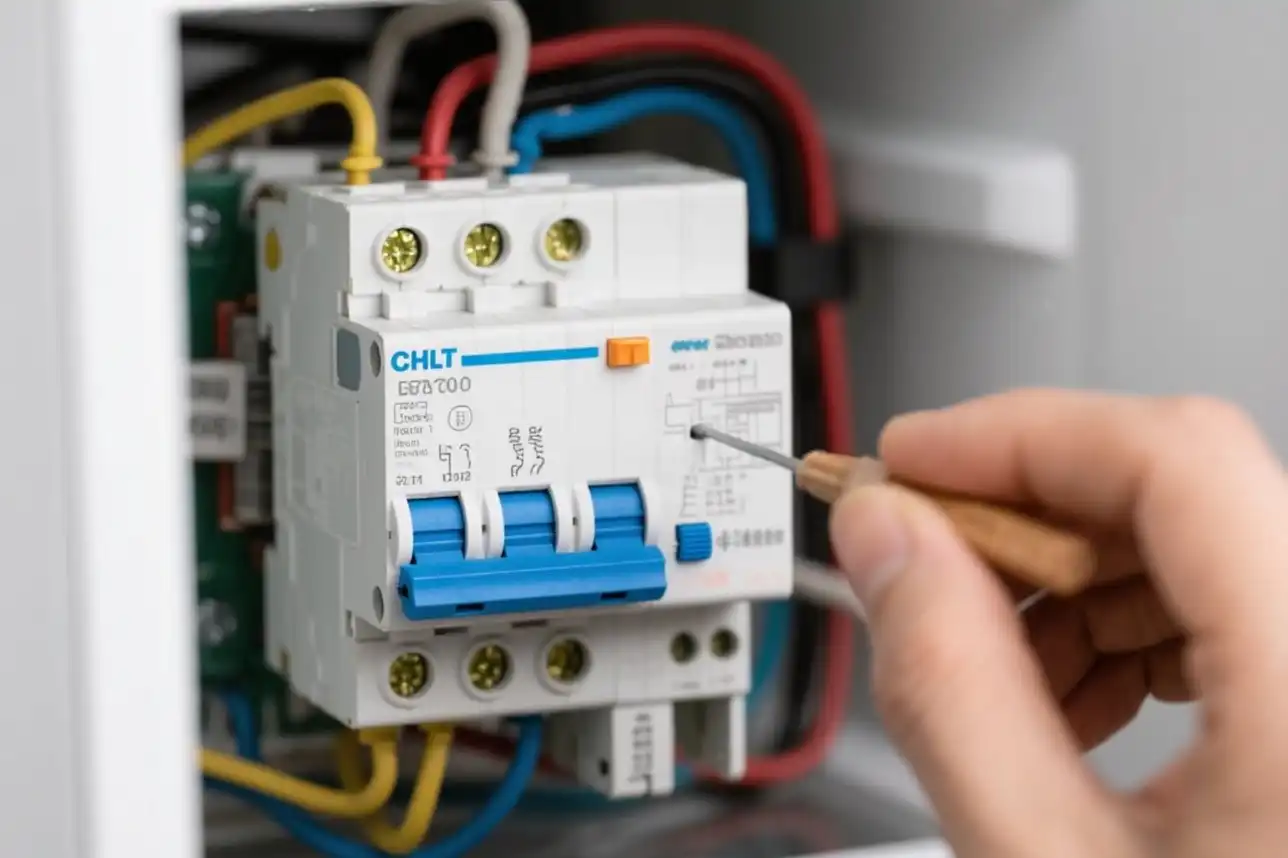
Ensure the refrigerator is plugged in properly. Check the power outlet by testing it with another device. Look for any tripped circuit breakers or blown fuses in your home’s electrical panel.
Verify that the power cord is not damaged. A secure and stable power supply is critical for cooling performance.
Condenser Coil Cleaning
Dirty condenser coils reduce cooling efficiency. Locate the coils, usually at the back or beneath the fridge. Use a vacuum cleaner or soft brush to remove dust and debris gently.
Clean coils allow better heat release, helping the refrigerator cool effectively. Regular coil cleaning prevents future cooling problems.
Evaporator Fan Inspection
The evaporator fan moves cold air inside the fridge. Listen for unusual noises or check if the fan spins freely. If the fan is not working, cold air won’t circulate properly.
Turn off the fridge and inspect the fan for dust build-up or ice blocking it. Clear any obstructions to restore airflow and cooling.
Advanced Fixes
Advanced fixes for a Samsung refrigerator not cooling target deeper issues. These solutions need more tools and knowledge. They help when simple steps do not work. Care and caution are important to avoid damage or injury.
Defrost System Reset
The defrost system stops frost buildup on coils. Frost blocks airflow and cools less. Resetting this system may clear frost. Locate the defrost timer or control board inside the fridge. Turn the timer knob slowly until the fridge clicks. This forces the defrost cycle to start. Wait 30 minutes and check if frost melts. If frost remains, the defrost heater or thermostat may need replacement.
Compressor Function Test
The compressor pumps refrigerant through coils to cool the fridge. Test if it runs smoothly and quietly. Unplug the fridge and remove the back panel. Use a multimeter to check compressor terminals for continuity. If the compressor hums but does not start, it might be stuck. Tap it gently with a wooden stick. If it still won’t start, call a technician. A faulty compressor often requires professional repair or replacement.
Thermostat Replacement
The thermostat controls the fridge temperature. A broken thermostat stops cooling or causes freezing. Find the thermostat dial inside the fridge. Unplug the unit before starting. Remove the control panel to access the thermostat wiring. Disconnect the wires and take out the old thermostat. Replace it with a new, exact model. Reconnect wires and reassemble the panel. Turn on the fridge and check if cooling improves.
When To Call A Professional
Persistent cooling problems or strange noises signal the need for expert help. Complex repairs or electrical issues require professional attention to avoid damage. Calling a technician ensures safe and effective refrigerator fixes.
Your Samsung refrigerator is essential for keeping your food fresh and safe. But what happens when it stops cooling effectively? While some troubleshooting steps can be done yourself, certain issues require professional expertise. Knowing when to call in a professional can save you time, money, and further complications.
Signs Of Refrigerant Leak
If you notice your refrigerator isn't cooling but the motor seems to be running constantly, a refrigerant leak might be the culprit. A lack of cool air combined with a hissing sound are key indicators. Attempting to fix a refrigerant leak yourself can be dangerous, as it involves handling chemicals and pressurized gases. A certified technician is equipped with the necessary tools and expertise to safely manage refrigerant repairs.
Electrical Component Issues
Modern Samsung refrigerators are packed with electronic components. If your fridge's digital display malfunctions or the unit won't turn on, it could be an electrical issue. While it might be tempting to tinker with the wiring, it's best to resist. Incorrect handling can lead to more severe damage or even electrical hazards. An expert can diagnose and resolve these issues without putting you or your appliance at risk.
Persistent Cooling Problems
Have you tried all basic troubleshooting tips like adjusting the thermostat and cleaning the coils, but the problem persists? If your fridge continues to struggle with maintaining temperature, it's time for professional intervention. There could be underlying issues like a faulty compressor or evaporator fan. Professionals have the knowledge and tools to identify and fix these complex problems efficiently. Waiting too long to call a professional can lead to spoiled food and increased energy bills. Trust your instincts—if you feel out of your depth, reach out for expert help. After all, your peace of mind and the safety of your appliance are worth it.
Maintenance Tips To Prevent Cooling Issues
Maintaining your Samsung refrigerator properly can save you from frustrating cooling issues. Simple habits and regular checks help keep your fridge running smoothly. Let’s look at some practical tips you can start using today to avoid those unexpected cooling problems.
Regular Cleaning Schedule
Dirt and dust can build up on the condenser coils, making your fridge work harder and less efficiently. Cleaning these coils every three to six months keeps your refrigerator cool without extra effort.
Inside, wipe down shelves and door seals regularly. Sticky spills or crumbs can block air vents, disrupting airflow. Have you noticed your fridge feels warmer near the door? It might be time for a thorough cleaning.
Proper Loading Practices
Overloading your fridge restricts air circulation, causing uneven cooling. Leave some space between items to allow cold air to flow freely.
Stack heavy items on lower shelves and lighter ones on top to avoid blocking vents. Avoid stuffing the door compartments with large bottles, as this can prevent the door from sealing properly.
Temperature Monitoring
Keep an eye on the temperature settings. Your fridge should be around 37-40°F (3-4°C) and the freezer at 0°F (-18°C) for optimal performance.
Use a separate appliance thermometer if your fridge’s display isn’t reliable. Small temperature changes can lead to bigger cooling problems if unnoticed. How often do you check your fridge’s temperature?

Credit: www.youtube.com

Credit: www.searshomeservices.com
Frequently Asked Questions
Why Is My Samsung Refrigerator Not Cooling Properly?
Your Samsung refrigerator may not cool due to dirty coils, blocked vents, or a faulty thermostat. Check and clean coils, ensure vents are clear, and verify temperature settings to fix the issue.
How Do I Reset My Samsung Refrigerator Cooling System?
To reset, unplug your Samsung fridge for 5 minutes, then plug it back in. This can reboot the cooling system and resolve minor software glitches.
Can A Dirty Condenser Cause Cooling Problems?
Yes, dirty condensers restrict airflow and reduce cooling efficiency. Clean the condenser coils regularly to maintain optimal cooling performance and prevent your fridge from overheating.
How Often Should I Defrost My Samsung Refrigerator?
Defrost your Samsung refrigerator every 6 months or when ice buildup exceeds 1/4 inch. Excessive frost reduces cooling efficiency and increases energy consumption.
Conclusion
Fixing a Samsung refrigerator that is not cooling can be simple. Check the power, temperature settings, and vents first. Clean the condenser coils to help airflow. Make sure the door seals are tight and not damaged. Sometimes, a quick reset solves the issue.
If these steps don’t work, call a professional for help. Regular maintenance keeps your fridge running well. Stay patient and follow these tips to keep your food fresh and cold.