Wondering how to figure out the cubic feet of your freezer? Knowing this simple measurement can help you make smarter choices when shopping, organizing, or upgrading your freezer.
You’ll avoid buying too small or too large a model and make the most of your space. This guide will walk you through easy steps to measure your freezer’s capacity accurately. Keep reading to unlock a quick method that anyone can do—no math genius required!
Measure Freezer Dimensions
Measuring the dimensions of your freezer is the first step to calculate its cubic feet. Accurate measurements ensure you get the correct volume. Use a tape measure for the most precise results. Measure the inside of the freezer, not the outside. The space where you store food determines the usable volume.

Length Measurement Tips
Place the tape measure from the back wall to the front wall inside the freezer. Keep the tape straight to avoid bending. Measure in inches or centimeters, depending on your preference. Record the number carefully. Measure twice to confirm accuracy.
Width Measurement Tips
Measure the distance between the left and right walls inside the freezer. Hold the tape measure flat against the surface. Avoid gaps or curves in the tape. Note down the width in the same units as length. Double-check the measurement for precision. Once you have your measurements, it's time to proceed with the ice maker fill tube heater testing to ensure proper functionality. This process will help identify any issues with the heating element that may prevent the ice maker from producing ice correctly. Be sure to follow the manufacturer's guidelines for accurate results and troubleshooting steps.
Height Measurement Tips
Measure from the bottom inside surface to the top inside surface. Stand the tape measure straight up without tilting. Use the same units as length and width. Write down the height clearly. Repeat the measurement to ensure it is correct.
Calculate Cubic Feet
Calculating the cubic feet of a freezer is essential to understand its storage capacity. This helps you decide if the freezer meets your needs or if you need to upgrade to a larger or smaller model. The process involves simple measurements and some basic math, but getting it right ensures you make the best choice for your space and budget. When considering the overall kitchen layout, it's important to also think about a refrigerator size calculator for families to assess what model best fits your household needs. A correctly sized refrigerator not only enhances organization but also contributes to energy efficiency and reduces food waste. By utilizing tools specifically designed for families, you can ensure you select a refrigerator that accommodates daily meal preparation and storage requirements.
Convert Inches To Feet
Freezer dimensions are often given in inches, but cubic feet require measurements in feet. To convert inches to feet, divide the number of inches by 12.
- If the freezer height is 30 inches, dividing 30 by 12 gives you 2.5 feet.
- Do this for width and depth as well.
Have you ever bought a freezer only to find it doesn’t fit your space? Converting to feet first helps avoid that mistake.
Multiply Dimensions
Once you have the height, width, and depth in feet, multiply these three numbers together.
| Height (ft) | Width (ft) | Depth (ft) | Cubic Feet |
|---|---|---|---|
| 2.5 | 3 | 2 | 15 |
This multiplication gives you the volume inside the freezer. It’s like finding the size of a box where you can store all your frozen goods.
Use Formula For Accuracy
The formula to calculate cubic feet is:
Cubic Feet = (Height in feet) × (Width in feet) × (Depth in feet)
Make sure to measure the inside dimensions of your freezer, not the outside. This ensures your calculation reflects the actual usable space. To maximize space in bottom freezer, consider using stackable bins and containers to organize smaller items. This will help you utilize every inch efficiently, making it easier to access everything you need. Additionally, grouping similar items together can save time when you're searching for specific ingredients.
Have you measured your freezer’s inside dimensions before? It’s a small step that makes a big difference in knowing how much you can really store.
Estimate Without Measuring
Estimating the cubic feet of a freezer without measuring saves time and effort. You can find this information using simple tricks. These methods rely on details already available on or about the freezer. This helps you avoid using a tape measure or calculator.
Check Manufacturer Labels
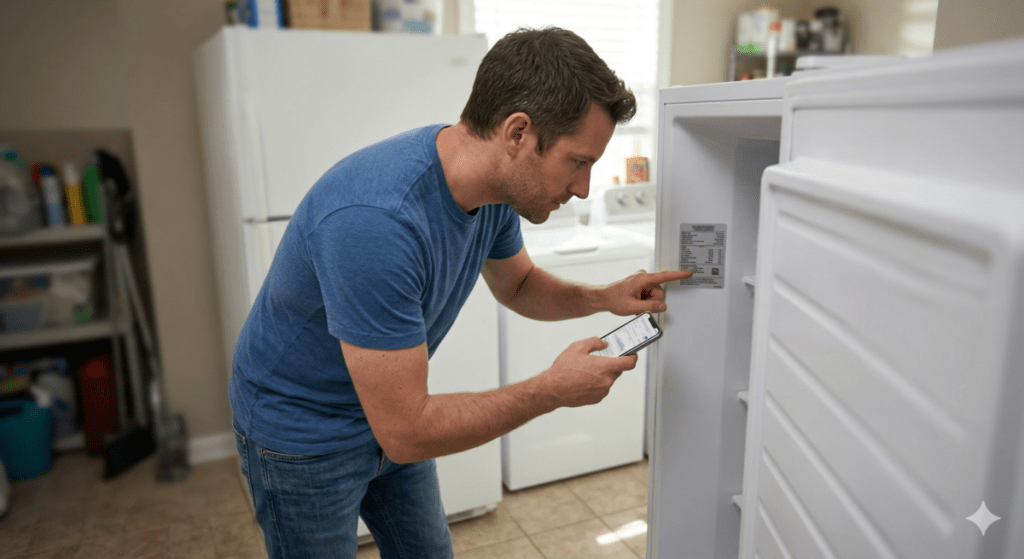
Look for labels on the freezer’s door or inside the unit. Manufacturers often print the cubic feet capacity there. It might appear as “10 cu. ft.” or “280 liters.” These labels give a quick and accurate estimate. If the label is missing, check the user manual if you have it.
Use Model Number Online
Every freezer has a model number on a sticker or plate. Enter this number into a search engine or the brand’s website. Most brands list detailed specs online, including cubic feet. This method is fast and reliable. It works well for common freezer brands and models.
Compare Similar Models
If exact info is unavailable, compare your freezer to similar ones. Check products with close size and style. Look at their listed cubic feet to get a rough idea. This helps if your freezer is older or less common. The size difference between models is usually small.
Common Mistakes To Avoid
Measuring only the freezer’s outer dimensions can lead to errors. Forgetting to convert inches to feet causes wrong calculations. Ignoring space taken by shelves or drawers reduces accuracy.
Figuring out the cubic feet of a freezer seems straightforward, but many people stumble over common mistakes. These errors can lead to inaccurate measurements and ultimately, frustration. By understanding these pitfalls, you can ensure your calculations are spot-on, saving time and avoiding unnecessary hassle.
Ignoring Internal Space
One frequent mistake is measuring the external dimensions of the freezer. This might give you a rough estimate but often leads to overestimations. The true capacity is within the internal space where your food will actually go. Ensure you measure the interior from wall to wall, including the height, width, and depth. Remove any shelving or drawers to get a more accurate measurement. This step will prevent you from overestimating how much you can store.
Mixing Units
Mixing up units is more common than you might think, especially if you're switching between metric and imperial systems. It's essential to stick to one measurement system to avoid confusion. If your tape measure has both inches and centimeters, double-check which side you’re using. Convert all measurements to feet if you’re calculating cubic feet, as using mixed units can lead to major miscalculations.
Overlooking Door Space
Don’t forget about the door space, as it can significantly affect storage capacity. Some freezers have shelves or bins on the door, which add to the total volume. Measure the depth and width of these compartments separately. Add this to your internal space measurement for a comprehensive understanding of your freezer’s capacity. Ignoring door space can mean missing out on potential storage. What mistake have you made in the past when measuring a freezer? Being aware of these common errors can help you get it right the first time.
Tools To Simplify Measurement
Measuring the cubic feet of your freezer doesn't have to be a complicated task. The right tools can make the job faster and more accurate, saving you from second-guessing your calculations. Whether you prefer a simple tape measure or a high-tech gadget, there’s an option that suits your style and needs.
Tape Measure Options
A classic tape measure is a reliable tool for measuring your freezer’s dimensions. You can choose from flexible cloth tapes or sturdy steel tapes, depending on the shape and size of your freezer.
Steel tape measures offer precision for straight edges and hard surfaces, while cloth tapes bend easily around corners or irregular shapes. The key is to measure the height, width, and depth carefully, then multiply these numbers to get the cubic feet.
Digital Measuring Tools
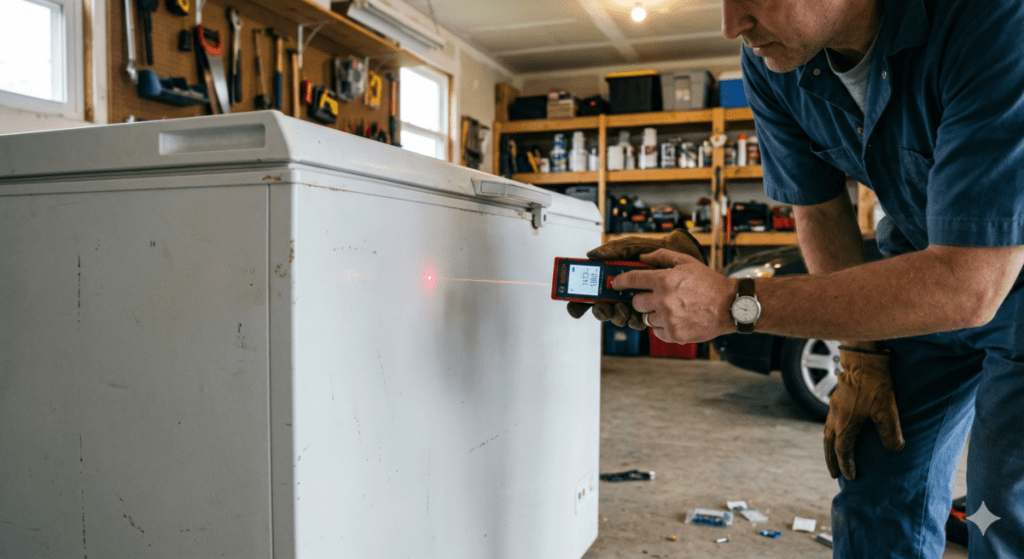
Digital laser measures add convenience and speed to your measuring process. Just point the laser at one side of the freezer and record the distance displayed.
These devices are especially helpful if you struggle with holding a tape measure steady or want to avoid asking someone for help. Most digital tools provide measurements in both inches and centimeters, making conversions straightforward.
Mobile Apps For Measurement
Your smartphone can become a powerful measuring device with the right app. Many free and paid apps use your phone’s camera and sensors to estimate dimensions quickly.
Apps like Measure on iOS or various Android alternatives can capture length, width, and height with just a few taps. Have you tried using your phone for measurements before? It might surprise you how accurate and handy these apps can be.
Frequently Asked Questions
What Is Cubic Feet In Freezer Measurement?
Cubic feet indicate the total internal volume of a freezer. It measures storage space, helping you choose the right size for your needs.
How To Calculate Cubic Feet Of A Freezer?
Measure the freezer’s length, width, and height in feet. Multiply these three dimensions to get the cubic feet volume.
Why Is Cubic Feet Important For Freezers?
Cubic feet help you understand freezer capacity. It ensures you buy enough space to store your food efficiently.
Can Freezer Size Affect Energy Consumption?
Yes, larger cubic feet freezers usually use more energy. Choosing the right size saves energy and lowers electricity bills.
Conclusion
Knowing how to find a freezer’s cubic feet helps you choose the right size. Measure length, width, and height carefully. Multiply these numbers to get total cubic feet. This simple step makes buying or organizing easier. Save time and avoid guesswork.
You can plan space and storage better. Keep these tips handy for any freezer. Understanding size helps you make smart decisions. Simple math, clear results. Ready to measure your freezer now?