Is your Frigidaire refrigerator feeling colder than usual or showing signs of frost buildup? If so, it might be time to defrost it.
Knowing how to defrost your Frigidaire properly can save you from costly repairs and keep your food fresh longer. In this guide, you’ll discover simple, step-by-step tips to quickly and safely defrost your fridge without any hassle. Keep reading to learn how to get your refrigerator back to peak performance in no time.

Credit: www.dtappliance.com
Why Defrosting Matters
Defrosting your Frigidaire refrigerator isn’t just a chore—it’s a key part of keeping it working well. Ice buildup might seem harmless at first, but it can cause real trouble. Understanding why defrosting matters helps you avoid unexpected problems and keep your fridge running smoothly.
Improves Cooling Efficiency
Ice buildup creates a barrier between the cold air and your food. This makes your fridge work harder to keep things cool, using more energy. Have you noticed your fridge running constantly or your electricity bill rising? Clearing out ice helps your fridge cool better without extra effort.
Prevents Damage To Your Fridge
Ice can block important parts like vents and fans, causing them to malfunction. Over time, this strain may damage components that are expensive to fix or replace. Taking the time to defrost protects your investment and keeps your fridge in good shape.
Keeps Food Fresh Longer
When your fridge cools unevenly due to ice buildup, food can spoil faster. You might find some items freezing while others stay too warm. Regular defrosting ensures consistent temperatures, helping your groceries last and reducing waste.
Saves Money On Repairs And Energy
A fridge clogged with ice uses more electricity and breaks down more often. This means higher energy bills and costly repairs. Think about how much you could save by defrosting regularly—small effort, big savings.
Prevents Unpleasant Odors
Ice and frost can trap moisture, creating a breeding ground for mold and mildew. This often leads to bad smells inside your fridge. Defrosting eliminates excess moisture and keeps your fridge smelling fresh and clean.

Credit: manuals.plus
Signs Your Frigidaire Needs Defrosting
Knowing when your Frigidaire refrigerator needs defrosting saves energy and keeps food fresh. Ice build-up inside the freezer or fridge lowers cooling efficiency. This makes the appliance work harder and use more electricity. Spotting the signs early helps prevent bigger problems.
Check your fridge regularly. Look for any unusual changes in temperature or appearance. These signs indicate it is time to defrost your Frigidaire.
Ice Buildup Inside The Freezer
Thick layers of ice on freezer walls or shelves show frost accumulation. Ice blocks reduce space for food and airflow. This forces the fridge to run longer to keep cool.
Warm Temperature In Refrigerator Or Freezer
Food spoils faster at higher temperatures. If your fridge or freezer feels warmer than usual, it may have frost blocking the cooling vents. This stops cold air from circulating well.
Frost On Food Packages
Ice crystals on packages inside the freezer suggest excess frost. This means moisture is freezing on items, which should not happen in a properly working fridge.
Strange Noises From The Fridge
Loud or unusual sounds can indicate the compressor or fans strain due to ice buildup. The appliance works harder, making more noise than normal.
Increased Energy Bills
A sudden rise in electricity bills may happen if the fridge uses more power. Ice buildup forces the motor to run longer, wasting energy.
Water Leaks Or Pooling Inside Or Around The Fridge
Melting ice can cause water to drip inside or outside the unit. This shows frost is melting and refreezing, which harms the fridge’s function.
Tools You’ll Need
Defrosting a Frigidaire refrigerator requires a few simple tools. These tools make the process safe and quick. Preparing the right tools helps avoid damage and saves time. Gather everything before you start.
Soft Towels Or Cloths
Soft towels catch melting water and protect floors. Use absorbent cloths to wipe moisture away. Avoid rough fabrics that might scratch surfaces.
Plastic Or Wooden Scraper
A plastic or wooden scraper helps remove ice gently. Do not use metal tools, as they can damage the fridge. Scrape carefully to avoid harming the interior walls.
Large Container Or Tray
A container collects the water from melting ice. Place it under the freezer drain or door edge. This keeps your kitchen clean and dry.
Hair Dryer (optional)
A hair dryer speeds up ice melting. Use it on low heat to avoid damage. Keep it moving and away from water for safety.
Dish Soap And Sponge
Dish soap and a soft sponge clean the fridge after defrosting. Remove any residue or dirt. This keeps your fridge fresh and hygienic.
Preparing Your Refrigerator
Preparing your Frigidaire refrigerator before defrosting is crucial for a smooth and safe process. Taking the right steps will protect your appliance and ensure you don’t lose any food. It also makes the defrosting faster and less messy.
Unplugging Safely
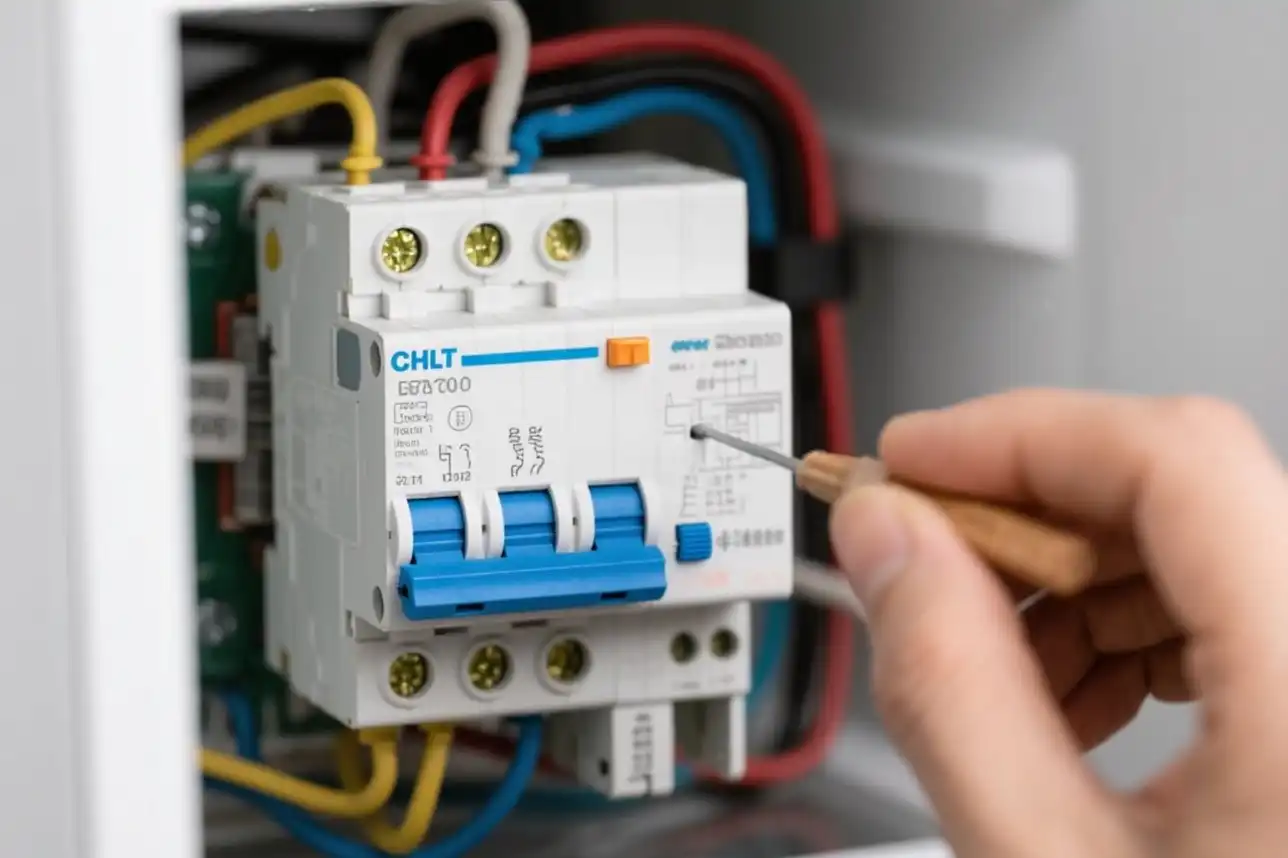
Always unplug your refrigerator before starting to defrost. This prevents any electrical accidents and helps avoid damage to the appliance. If you can’t reach the plug easily, turn off the power at the circuit breaker instead.
Have you checked that the power is completely off? It’s a simple step that many overlook but can save you from shocks or short circuits. After unplugging, keep the door open to speed up the melting of ice.
Removing Food And Shelves
Take out all the food items to prevent spoilage and give yourself room to work. Use coolers or insulated bags to keep perishables safe during this time. This also helps you clean the shelves and walls more thoroughly once the ice melts.
Removing shelves is easier than you might think. Most Frigidaire models have shelves that slide or lift out without much force. Handle them carefully to avoid cracks or scratches.
- Empty the refrigerator completely
- Use containers to store food temporarily
- Remove and clean shelves separately
Have you noticed how clearing the space changes your perspective on fridge maintenance? It’s a chance to spot spills or mold that often hide behind frozen layers.
Defrosting Methods
Defrosting a Frigidaire refrigerator ensures it runs efficiently. Unplug the fridge and remove food items. Place towels to absorb water. Leave the doors open for a few hours until the ice melts completely. Clean and dry the interior before plugging it back in.
Defrosting your Frigidaire refrigerator keeps it working efficiently. Ice buildup can decrease its performance. You might notice food spoiling faster. Several methods can help defrost your refrigerator. Choose a technique that suits your needs and schedule.
Natural Thaw
Natural thawing is the simplest method. It requires unplugging your refrigerator. Open the doors and let the ice melt naturally. This method can take several hours. Plan for a day when you can let it sit undisturbed. Place towels around the base to absorb water. It’s an energy-free method and safe for the fridge.
Using Warm Water
Using warm water speeds up the defrosting process. Fill a bowl with warm water. Place it inside the freezer. Close the door and let the steam melt the ice. Check periodically to replace the water as it cools. This method is faster than natural thawing. It’s ideal if you need the fridge quickly.
Hair Dryer Technique
A hair dryer can melt ice quickly. Set the dryer to a low heat setting. Keep it at a safe distance from the ice. Move it back and forth to prevent overheating. Be cautious around water to avoid electrical hazards. This method is effective for stubborn ice buildup. It requires careful handling for safety.
Cleaning During Defrost
Cleaning during the defrost process helps keep your Frigidaire refrigerator fresh. It removes built-up dirt, spills, and odors. A clean fridge runs more efficiently and lasts longer. Take advantage of the defrost time to clean every corner.
Remove Shelves And Drawers
Take out all removable parts carefully. Wash them with warm, soapy water. Rinse well and dry before putting them back. This prevents mold and keeps the fridge hygienic.
Wipe Interior Surfaces
Use a soft cloth or sponge with mild detergent. Clean all walls, corners, and seals inside the fridge. Avoid harsh chemicals that can damage surfaces. Dry the interior with a clean towel to stop moisture.
Clean Door Seals Thoroughly
Door seals can trap dirt and crumbs. Use a toothbrush or small brush to scrub them gently. Clean seals help keep the door airtight and save energy.
Check And Clean Drain Hole
The drain hole can clog with debris. Use a cotton swab or pipe cleaner to clear it. A clear drain prevents water build-up and leaks.
Use Baking Soda For Odor Removal
Sprinkle baking soda inside the fridge to absorb odors. Leave it for a few hours before wiping it off. Baking soda is safe and effective for freshening up.
Restarting Your Frigidaire
Restarting your Frigidaire refrigerator after defrosting is a simple process. It ensures the appliance works efficiently and keeps your food fresh. Taking the right steps helps avoid damage and maintains the fridge’s performance.
Drying And Reassembling
Start by drying all parts thoroughly. Use a clean towel to wipe the interior surfaces. Check the shelves, drawers, and door seals for any moisture. Ensure everything is completely dry to prevent mold and odors.
Next, place the shelves and drawers back in their correct positions. Make sure they fit securely and do not block any vents. Close the doors gently to avoid damaging the seals.
Plugging In And Restocking
Plug the refrigerator back into the power outlet. Listen for the sound of the compressor or fan starting. This shows the fridge is working properly.
Wait for the temperature to stabilize before adding food. This can take a few hours. Restock the fridge with your items once it reaches the right coolness. Avoid overloading the fridge to allow good air circulation.
Tips To Prevent Ice Build-up
Ice build-up in your Frigidaire refrigerator can be frustrating and reduce its efficiency. Preventing this issue not only saves you time but also keeps your food fresh longer. Let’s look at some practical tips that you can apply right away to keep ice from accumulating.
Keep The Door Seals Clean And Intact
Check your door seals regularly for cracks or dirt. A damaged or dirty seal lets warm air in, causing condensation and ice buildup.
Wipe the seals with warm, soapy water and dry them thoroughly. If you spot any damage, replace the seals promptly to maintain a tight closure.
Don’t Leave The Door Open For Too Long
Every time you leave your refrigerator door open, warm air rushes in and creates moisture. This moisture quickly freezes and forms ice.
Try to plan what you need before opening the door. Closing it quickly reduces ice build-up and saves energy.
Maintain Proper Temperature Settings
Set your freezer temperature between 0°F and 5°F (-18°C to -15°C). If it’s too cold, frost can form faster.
Check the thermostat regularly. Small adjustments can make a big difference in preventing ice.
Avoid Overloading Your Refrigerator
Overpacking blocks air vents and disrupts airflow. Poor airflow causes uneven cooling and more ice in certain areas.
Keep some space between items to allow cold air to circulate freely. This simple step helps maintain an even temperature.
Use Airtight Containers And Covers
Uncovered food releases moisture into the fridge, increasing frost risk. Using airtight containers cuts down on moisture.
Cover leftovers and liquids tightly. This not only prevents ice but also keeps your food fresh longer.
Regularly Check And Clean The Defrost Drain
A clogged defrost drain causes water to pool and freeze inside the fridge. Check the drain hole for blockages often.
Use a pipe cleaner or a small brush to clear any debris. Keeping this drain clear helps water flow out properly during defrost cycles.
Have you noticed ice building up even after trying these tips? Sometimes, a quick inspection of your fridge’s internal parts can reveal issues that aren’t obvious at first glance.

Credit: www.youtube.com
Frequently Asked Questions
How Long Does It Take To Defrost A Frigidaire Fridge?
Defrosting a Frigidaire fridge typically takes 4 to 6 hours. The exact time depends on ice buildup and room temperature. For faster results, remove food and leave the door open. Avoid using sharp tools to prevent damage.
Can I Speed Up Defrosting In A Frigidaire Refrigerator?
Yes, you can speed up defrosting by placing a bowl of hot water inside. Close the door to trap steam and melt ice faster. Using a fan to circulate warm air also helps. Never use sharp objects to chip ice.
Is It Necessary To Unplug The Frigidaire Fridge Before Defrosting?
Yes, always unplug your Frigidaire fridge before defrosting. This ensures safety and prevents electrical damage. It also stops the compressor from running during the process. Make sure to keep the door open to allow ice to melt.
How Often Should I Defrost My Frigidaire Refrigerator?
Defrost your Frigidaire fridge when ice builds up to ¼ inch thick. This usually occurs every 6 months, but frequency depends on usage and environment. Regular defrosting keeps the fridge efficient and prevents frost damage to food.
Conclusion
Defrosting your Frigidaire refrigerator keeps it running well. Ice buildup slows cooling and wastes energy. Turn off the fridge and remove all food first. Let the ice melt naturally or speed it up safely. Clean and dry the inside before turning it back on.
Regular defrosting saves money and extends the fridge’s life. Simple steps make this task quick and easy. Keep your fridge fresh and efficient with care. Your food stays safe and cold every day. Defrosting is a small job with big benefits.