Are you looking for a simple way to enjoy healthy, delicious steamed vegetables without extra pots or complicated steps? Using your rice cooker might be the easiest trick you haven’t tried yet.
Imagine having perfectly cooked veggies ready while your rice finishes cooking—all without watching the stove or cleaning multiple pans. You’ll discover step-by-step how to cook steamed vegetables in a rice cooker, saving time and boosting your meals with fresh, tasty nutrition.
Keep reading, and you’ll wonder why you didn’t start this method sooner.
Benefits Of Steaming Vegetables
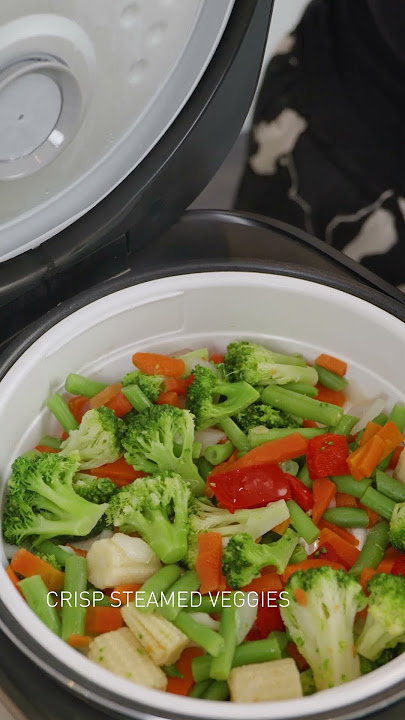
Steaming vegetables is a simple way to bring out their best qualities while keeping them healthy. This gentle cooking method preserves the natural texture and color of vegetables, making your meals both appealing and nutritious. If you’re looking for a quick and effective way to cook veggies, steaming in a rice cooker is an excellent choice.
Nutrient Retention
Steaming vegetables helps keep most of their vitamins and minerals intact. Unlike boiling, where nutrients often leach into the water, steaming uses steam heat that doesn’t wash away these valuable elements.
Think about vitamin C or folate in broccoli—steaming preserves more of these compared to other cooking methods. Have you ever noticed how steamed veggies still taste fresh and vibrant? That’s partly because their nutrients are still there.
Enhanced Flavor
Steaming enhances the natural flavors of vegetables without adding fat or salt. The gentle cooking allows their true taste to shine through, making each bite more satisfying.
When I first tried steaming carrots in my rice cooker, I was surprised by how sweet and tender they became. You might find that you need less seasoning because the veggies themselves taste richer and more complex.
Low-calorie Cooking
Steaming is a low-calorie way to prepare your vegetables since it doesn’t require oils or butter. This keeps your meals light without sacrificing flavor or texture.
If you’re watching your calorie intake or aiming for a cleaner diet, steamed vegetables can be a great foundation for any meal. What’s even better is that you can easily add your own healthy toppings or dressings after steaming, giving you full control over what goes on your plate.
Choosing Vegetables For Steaming
Choosing the right vegetables for steaming in your rice cooker can make all the difference in taste and texture. Not all veggies steam evenly, so picking varieties that cook at similar rates helps you avoid overcooking some while undercooking others. Think about what you enjoy eating and how you plan to use the vegetables after steaming.
Best Vegetables To Steam
Some vegetables naturally hold up well to steaming and retain their flavor and nutrients better. Consider these options for your rice cooker:
- Broccoli:Steams quickly and stays crisp-tender.
- Carrots:Slice them thin for even cooking and a sweet finish.
- Green beans:Keep them whole or cut into bite-sized pieces for consistent texture.
- Cauliflower:Break into small florets to ensure thorough steaming.
- Snap peas:These steam fast and add a nice crunch.
- Spinach and other leafy greens:Add these last since they steam almost instantly.
Have you ever ended up with mushy steamed veggies? Choosing sturdy vegetables like those above helps you avoid that soggy disappointment.
Preparing Vegetables
Preparation is key to steaming success. Wash your vegetables thoroughly to remove dirt and pesticides.
Cut them into similar sizes so they cook evenly. For example, slicing carrots and cutting broccoli into uniform florets speeds up the process and improves texture.
Don’t overcrowd the rice cooker basket. Giving vegetables enough space allows the steam to circulate properly. Think about how you pack a suitcase—more room means less wrinkling.
Rice Cooker Setup For Steaming
Setting up your rice cooker for steaming vegetables is simpler than you might think. It’s all about how you arrange the parts and measure the water. A well-prepared rice cooker can give you perfectly steamed veggies every time, locking in flavor and nutrients without extra fuss.
Using The Steaming Basket
Most rice cookers come with a steaming basket designed specifically for this purpose. Place your chopped vegetables evenly inside the basket to allow steam to circulate freely. Avoid overcrowding—it’s tempting to pile everything in, but giving veggies space helps them cook evenly and stay crisp.
If your rice cooker didn’t come with a basket, you can use a heatproof colander or a metal steaming rack that fits inside. Just make sure it sits above the water level to prevent veggies from boiling instead of steaming. I once tried steaming broccoli directly in water, and it turned mushy—something you want to avoid.
Water Level Tips
Water quantity is crucial for steaming success. Pour enough water to create steam but not so much that it touches the vegetables. Usually, about 1 to 2 cups of water work well, depending on your rice cooker’s size.
Check your rice cooker’s manual for exact water recommendations. If you don’t have one, start with 1 cup and add more if needed for longer steaming times. Too little water can cause your cooker to shut off prematurely, while too much water can dilute the steam and slow cooking.
Have you ever wondered why some steamed veggies turn out soggy? Water level and basket placement are often the culprits. Try adjusting these next time and see how crisp and vibrant your vegetables become.
Step-by-step Cooking Process
Cooking steamed vegetables in a rice cooker is simpler than you might think. The process involves just a few clear steps, but each one plays a crucial role in achieving perfectly tender veggies. Paying attention to how you prep the cooker, control timing and temperature, and check for doneness can make all the difference in your final dish.
Prepping The Rice Cooker
Start by rinsing your vegetables thoroughly under cold water. Cut them into uniform pieces to ensure even cooking—small chunks or slices work best.
Add about one cup of water to the bottom of your rice cooker. Place the steaming basket or tray inside, making sure it sits above the water level. If your rice cooker didn’t come with a steaming accessory, you can use a heatproof dish on a makeshift rack.
Arrange the vegetables in a single layer on the steaming tray. Overcrowding can cause uneven cooking, so give each piece space to allow steam to circulate freely.
Timing And Temperature
Most rice cookers don’t have adjustable temperature settings, but the default steam function is usually perfect for vegetables. If your cooker has a “steam” button, use it. Otherwise, simply start the regular cooking cycle and monitor the time carefully.
Different vegetables need different steaming times. For example:
- Broccoli and cauliflower: 6-8 minutes
- Carrots and green beans: 8-10 minutes
- Leafy greens like spinach or kale: 3-5 minutes
Set a timer or keep an eye on the clock to avoid overcooking. Have you noticed how some veggies lose their vibrant color when steamed too long? That’s a sure sign to remove them promptly.
Checking For Doneness
Use a fork or knife to test the texture of your vegetables. They should be tender but still slightly firm to the bite—often called “al dente.”
If they feel too hard, steam for another minute or two and check again. Avoid steaming until mushy; it kills the flavor and nutrients.
Remember, you can always steam a bit longer, but you can’t undo overcooking. Trust your senses—look at the color, feel the texture, and taste a small piece before turning off the cooker.
Flavoring And Serving Ideas
Enhance steamed vegetables with herbs like rosemary or thyme for added flavor. Consider serving with a drizzle of olive oil and a sprinkle of salt. Pair with a light garlic sauce for extra taste.
Cooking steamed vegetables in a rice cooker is a simple and efficient way to prepare a healthy meal. However, the real magic happens when you start adding flavors. Transforming plain steamed veggies into a delightful dish is easier than you think. With the right seasonings, sauces, and dips, you can elevate your meal without much effort. Let’s dive into some flavoring and serving ideas that will make your steamed vegetables irresistible.
Simple Seasonings
Sometimes, the simplest additions can make the biggest difference. Start with a sprinkle of salt and freshly ground black pepper to enhance the natural flavors of your vegetables. Experiment with herbs like thyme, rosemary, or dill—dried or fresh, both work wonders. A dash of garlic powder or onion flakes can add a savory depth that’s hard to resist. Don’t underestimate the power of lemon zest or juice; it adds a refreshing zing that brightens the entire dish.
Sauces And Dips
If you're looking to add more complexity, consider pairing your veggies with a sauce or dip. Soy sauce with a bit of sesame oil can give an Asian flair that's both rich and satisfying. For a creamy texture, try a yogurt-based dip mixed with herbs like mint or cilantro. A simple homemade vinaigrette with olive oil, vinegar, and Dijon mustard can create a tangy complement to your veggies. Why not mix things up with a bold sriracha or chili sauce for a spicy kick? These sauces and dips not only add flavor but also provide a unique serving style, turning your steamed vegetables into a versatile dish suitable for any occasion. By experimenting with these flavoring ideas, you can transform your steamed vegetables into a delightful culinary experience. What will you try first to boost your vegetable game?
Credit: www.youtube.com
Cleaning And Maintenance Tips
Keeping your rice cooker and steaming basket clean ensures fresh-tasting vegetables every time. Proper maintenance also extends the life of your appliance. Regular cleaning prevents buildup that can affect cooking performance and taste.
Cleaning The Steaming Basket
Remove the steaming basket carefully after use. Wash it with warm, soapy water to remove food particles. Use a soft sponge to avoid scratching the surface. Rinse thoroughly under running water to clear soap residue. Dry the basket completely before storing to prevent mold or rust.
Maintaining Your Rice Cooker
Wipe the inside of the rice cooker with a damp cloth after each use. Avoid using harsh chemicals or abrasive tools on the cooker. Check the heating plate for any food spills or stains. Clean spills immediately to prevent damage. Keep the exterior clean with a soft cloth. Store the cooker in a dry place to avoid moisture buildup.
Troubleshooting Common Issues
Steaming vegetables in a rice cooker is simple, but sometimes things don’t go as planned. You might find your veggies too soft or still crunchy, or even face water-related issues. Understanding common problems helps you fix them quickly and enjoy perfectly steamed vegetables every time.
Overcooked Or Undercooked Vegetables
Are your vegetables turning out mushy or still too firm? This usually happens because of timing or the type of vegetable you’re steaming. Harder vegetables like carrots need more time than leafy greens such as spinach.
Try cutting vegetables into uniform pieces to ensure even cooking. Also, check your rice cooker’s settings; some models have different steam intensities that affect cooking speed.
If you notice overcooked vegetables, reduce the steaming time by a minute or two next time. For undercooked ones, increase the time slightly or add vegetables in stages based on their cooking times.
Water Evaporation Problems
Running out of water mid-steam is a common hassle. Without enough water, your rice cooker can stop steaming and even damage the appliance. Always check the water level before starting and use the recommended amount for your cooker model.
If you steam for longer periods, consider adding water halfway through. Some rice cookers let you lift the lid briefly to pour in more water without losing much steam.
Also, watch for mineral buildup in the water reservoir, which can block steam flow. Regular cleaning with vinegar helps keep your rice cooker running smoothly.
Credit: folders.co.nz

Credit: www.amazon.ca
Frequently Asked Questions
How Long Does It Take To Steam Vegetables In A Rice Cooker?
Steaming vegetables in a rice cooker usually takes 10 to 15 minutes. The time varies based on vegetable type and size. Softer vegetables like spinach need less time, while denser ones like carrots require more. Always check for tenderness before serving.
Can All Vegetables Be Steamed In A Rice Cooker?
Most vegetables can be steamed in a rice cooker, including broccoli, carrots, and green beans. Avoid very large or tough vegetables unless cut into smaller pieces. This method preserves nutrients and flavor while keeping vegetables crisp and fresh.
Do I Need To Add Water To Steam Vegetables In A Rice Cooker?
Yes, always add about one cup of water to the rice cooker’s bowl. The water generates steam that cooks the vegetables evenly. Avoid adding too much water, which can lead to soggy vegetables. Check your rice cooker manual for exact amounts.
How Do I Prevent Vegetables From Becoming Mushy In A Rice Cooker?
To avoid mushy vegetables, do not overcook them. Use the steaming basket and remove vegetables promptly when tender. Cut vegetables into similar sizes for even cooking. Using fresh vegetables also helps maintain texture and flavor.
Conclusion
Steaming vegetables in a rice cooker is quick and simple. You only need a few steps to prepare healthy food. This method keeps veggies fresh and tasty. No extra pots or pans are needed. Try different vegetables to find your favorite mix.
Cooking this way saves time and energy. Enjoy nutritious meals with little effort every day. Give it a try and see how easy it is!