Cooking perfect rice can sometimes feel tricky, but it doesn’t have to be. If you have a Zojirushi rice cooker, you’re already halfway there.
This amazing kitchen tool takes the guesswork out of making fluffy, delicious rice every time. You’ll discover simple, step-by-step instructions that will help you master your Zojirushi rice cooker quickly. By the end, you’ll be confident in making rice that complements any meal perfectly.
Ready to make your cooking easier and tastier? Let’s get started!
Choosing The Right Rice
Choosing the right rice is crucial to getting the best results from your Zojirushi rice cooker. Different types of rice absorb water differently and require specific cooking times. Picking the right variety ensures your rice turns out perfectly fluffy or sticky, depending on your preference.
Types Of Rice Suitable For Zojirushi
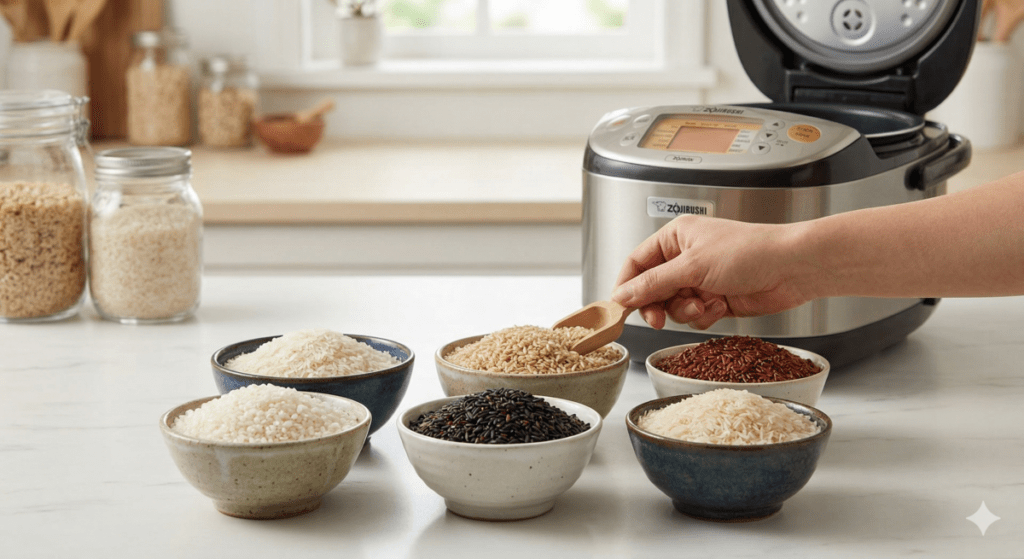
Zojirushi rice cookers handle a wide range of rice types with ease, but not all rice behaves the same. Here are some popular options you can try:
- Short-grain white rice: Perfect for sushi or sticky rice dishes. It absorbs water well and cooks evenly in your cooker.
- Medium-grain rice:Slightly less sticky, great for everyday meals and pairs well with stir-fries.
- Long-grain rice:Ideal if you prefer fluffy, separate grains. Jasmine and basmati rice fall into this category.
- Brown rice:Requires a longer cooking time but offers more fiber and nutrients. Zojirushi’s extended cooking mode makes this easy.
- Mixed grain blends:You can even cook multigrain blends, but you might need to adjust water ratios for the best texture.
Have you noticed how the texture changes with different rice types? Experimenting can help you find your favorite.
Measuring Rice Accurately
Accurate measurement is key to consistent rice cooking results. The Zojirushi rice cooker usually comes with its own measuring cup, which is slightly smaller than a standard cup—holding about 180 ml. (If you lost yours, you can grab a replacement Zojirushi measuring cup here to ensure your ratios stay perfect!)
Use this cup to measure your rice, and then rinse the grains thoroughly under cold water until the water runs clear. This step removes excess starch, which can make your rice gummy.
Don’t forget to match the water level in the cooker to the rice measurement marks inside the pot. Following these marks rather than guessing prevents undercooked or overly mushy rice.
How often do you eyeball your measurements? Try precise scooping next time and see how much better your rice turns out.
Preparing The Rice
Preparing the rice properly sets the foundation for perfectly cooked grains in your Zojirushi rice cooker. Taking a few extra moments to rinse and soak the rice can dramatically improve its texture and flavor. These simple steps help remove excess starch and hydrate the grains evenly, ensuring a fluffy and delicious outcome every time.
Rinsing And Washing Techniques
Start by measuring your rice and placing it in a specialized rice washing bowl with a strainer or directly in the rice cooker’s inner pot. Add cold water to cover the rice and gently swirl it around with your hand. You'll notice the water turns cloudy—that's the starch washing away.
Drain the water carefully without losing any rice. Repeat this rinsing process 3 to 4 times until the water runs almost clear. This step prevents your rice from becoming sticky or gummy once cooked.
Some people prefer a quick rinse, but spending a little extra time here really makes a difference. Have you ever tried rinsing rice only once and ended up with clumpy results? Experiment with rinsing until the water is nearly clear and feel the texture change.
Soaking Tips For Better Texture
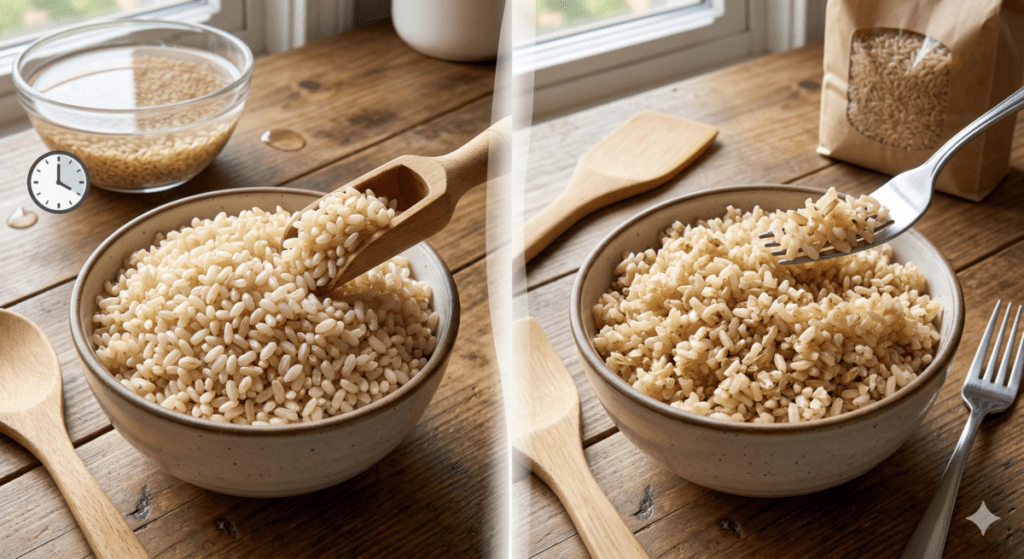
After rinsing, soaking your rice can improve the cooking process. Soak the rice in fresh water for about 20 to 30 minutes before starting the cooker. This allows the grains to absorb water evenly, which helps them cook more uniformly.
Soaking is especially helpful for brown rice or older grains, which tend to be harder and need extra hydration. If you’re short on time, even a 10-minute soak can make a noticeable difference.
Have you noticed how soaked rice feels softer and less prone to breaking apart? Try soaking your rice next time and compare the texture. It can turn an ordinary meal into something special.
Using The Zojirushi Rice Cooker
Using the Zojirushi rice cooker transforms cooking rice from a chore into a simple, enjoyable task. This device offers precision and convenience, making it easy to get perfect rice every time. Understanding how to navigate its settings and measure water accurately will help you maximize its potential.
Selecting The Perfect Cooking Setting
The Zojirushi rice cooker comes with multiple settings tailored for different types of rice and cooking preferences. You can choose from options like white rice, sushi rice, brown rice, and even porridge. Selecting the right setting ensures the cooker adjusts time and temperature to suit the rice type, giving you the ideal texture.
Have you ever wondered why your rice turns out mushy or undercooked? It often comes down to using the wrong setting. Try experimenting with the "Quick Cook" mode when you're short on time, but save the standard setting for fluffy, perfectly cooked rice.
Water-to-rice Ratios For Different Rice Types
Getting the water-to-rice ratio right is crucial for a great outcome. The Zojirushi cooker usually includes a measuring cup and water level marks inside the pot, but knowing the basics helps you adjust for your taste and rice variety.
| Rice Type | Rice (cups) | Water (cups) | Notes |
|---|---|---|---|
| White Rice | 1 | 1 to 1.1 | Use slightly more water for softer rice |
| Brown Rice | 1 | 1.5 to 1.75 | Needs more water and longer cooking time |
| Sushi Rice | 1 | 1.1 to 1.2 | Rinse rice before cooking for best results |
| Mixed Rice (with vegetables or beans) | 1 | 1.2 to 1.3 | Adjust water slightly for added ingredients |
Have you noticed how different rice types behave when cooked with the same water amount? Adjusting water based on the rice type and your texture preference can make a big difference. Don’t hesitate to tweak the ratios until you find what works best for you.
Cooking Process Tips
Rinse the rice well to remove excess starch. Measure water accurately for perfect texture. Use the rice cooker's settings based on rice type for best results.
Cooking rice in a Zojirushi rice cooker can be a game-changer for your kitchen. The simplicity of setting it up and letting it do its magic is unmatched. But, to achieve the perfect bowl of rice, there are a few tips you should keep in mind during the cooking process.
Starting The Cooker Correctly
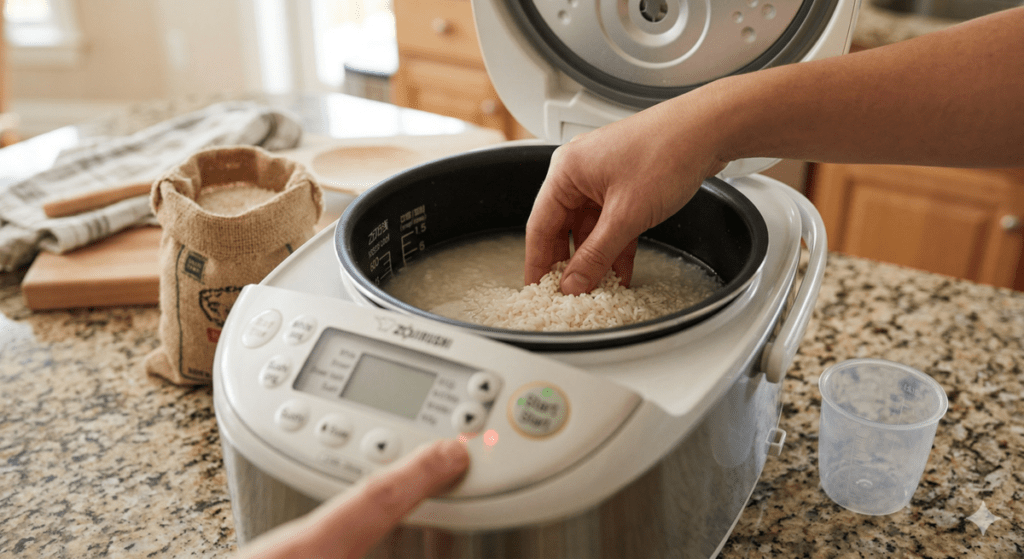
Always begin by measuring your rice accurately. Use the provided measuring cup, as Zojirushi cookers are calibrated with their specific cup size. Rinse the rice thoroughly until the water runs clear. This removes excess starch and prevents the rice from becoming too sticky. Next, add the appropriate amount of water using the guidelines inside the cooker. The water level indicators are there for a reason and following them can make all the difference. Close the lid securely and select the correct cooking setting for the type of rice you're making.
Avoiding Common Mistakes
One common mistake is lifting the lid too soon. It's tempting to check on the rice, but doing so can disrupt the cooking cycle and affect the texture. Trust the cooker’s settings and let it complete the cycle without interference. Another pitfall is not allowing the rice to rest after cooking. When the cooker beeps, let the rice sit for about 10 minutes with the lid closed. This additional time allows the moisture to redistribute, giving you fluffy rice. Have you ever noticed how a little patience can improve your meals? Finally, remember to clean your rice cooker regularly. Residue build-up can affect the performance and taste of your rice. A quick wipe down after each use ensures that your cooker remains in tip-top shape for future meals. Following these tips will help you make the most out of your Zojirushi rice cooker. Why not try these suggestions with your next batch and see the difference they make?
Post-cooking Steps
After the Zojirushi rice cooker finishes, the rice is not quite ready to eat. Post-cooking steps help improve texture and keep the rice fresh. These simple actions make your rice fluffy and warm without drying out. Follow these easy tips for the best results.
Fluffing The Rice Properly
Use a non-stick rice paddle to gently fluff the rice. Avoid pressing or stirring too hard. This separates the grains and releases steam. Fluffing stops the rice from becoming sticky or clumpy. Lift from the bottom to the top in a folding motion. Let the rice sit uncovered for a minute after fluffing. This helps excess moisture escape and improves texture.
Keeping Rice Warm Without Drying
Keep the rice cooker on the “Keep Warm” setting after cooking. This setting maintains heat without overcooking. Avoid opening the lid often to prevent moisture loss. If you plan to keep rice warm for more than an hour, add a damp cloth over the rice. This keeps the rice moist and soft. Use the rice cooker’s timer to avoid long warm times. Serve rice within two hours for best taste and texture. When using a slow cooker, understanding slow cooker rice cooking times is essential to achieving the perfect texture. Typically, rice should be cooked for about 2 to 3 hours on low heat, allowing for a fluffy consistency. For best results, monitor the rice periodically and add additional water if necessary to prevent it from drying out.
Cleaning And Maintenance
Keeping your Zojirushi rice cooker clean and well-maintained ensures it works perfectly every time you use it. Neglecting this part can lead to uneven cooking and even shorten your appliance’s lifespan. Let’s focus on simple steps you can take to keep your cooker in top shape.
Cleaning The Inner Pot
The inner pot is where the magic happens, so it needs special care. After each use, wash the pot with warm water and mild dish soap. Avoid using abrasive sponges; a soft cloth or sponge works best to prevent scratching the non-stick surface.
If you notice stubborn rice stuck to the pot, soak it in warm water for 10–15 minutes before scrubbing. This makes cleaning easier and protects the coating. Dry the pot thoroughly with a soft towel to avoid water spots or rust.
Maintaining The Rice Cooker For Longevity
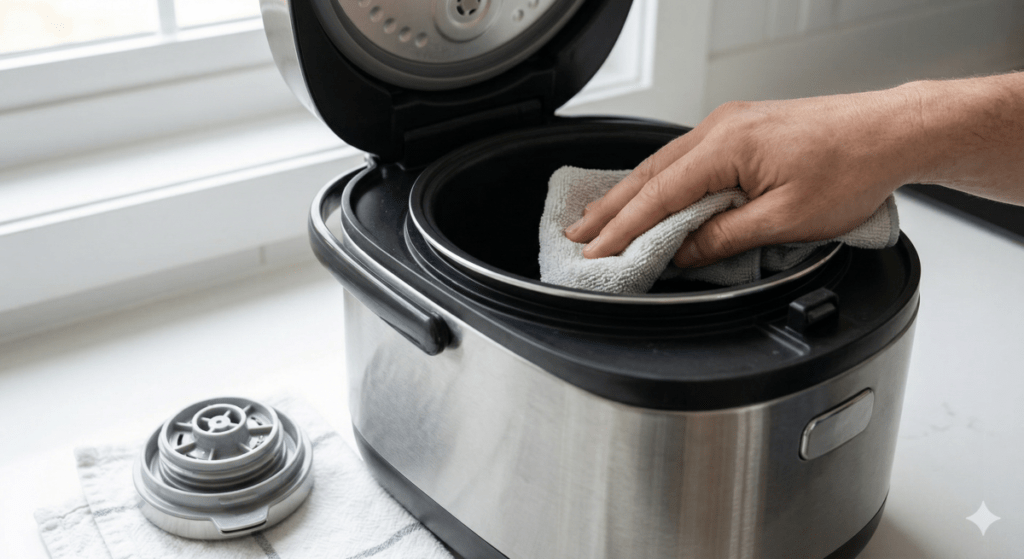
Beyond cleaning the inner pot, your rice cooker needs regular upkeep to last. Wipe the outside and inside of the cooker body with a damp cloth to remove dust and spills. Be careful not to get the heating plate wet, as moisture can damage the cooker.
Check the steam vent regularly for any clogs. A blocked vent can affect cooking performance and cause pressure buildup. Remove the vent cap and rinse it under water, then dry completely before reattaching.
Have you ever left water inside the cooker overnight? That can cause mold or odors. Always ensure the cooker is dry before storing it away. Proper maintenance keeps your rice tasting fresh and your cooker running smoothly for years.
Troubleshooting Common Issues
Using a Zojirushi rice cooker usually means perfect rice every time, but sometimes things don’t go as planned. Troubleshooting common issues can save you time and prevent frustration. Understanding what causes problems like mushy rice or error messages helps you get back on track quickly and enjoy your meal.
Fixing Mushy Or Hard Rice
Mushy rice often means there’s too much water or the rice was cooked for too long. Try reducing the water slightly next time—start with a 10% decrease and see if the texture improves. Also, rinsing your rice before cooking removes excess starch, which can prevent stickiness.
Hard rice usually means not enough water or the rice cooker didn’t complete the cooking cycle. Double-check your water measurements and make sure the lid is closed tightly. If your rice cooker has a “Keep Warm” mode, avoid leaving rice in it for too long as it can dry out or harden.
Dealing With Error Messages
Zojirushi rice cookers display error messages to alert you of specific issues. If you see an error like “Lid not closed” or “Inner lid not attached,” first check to make sure the lid is properly locked and the inner lid is securely in place. Sometimes, a quick cleaning of the inner lid and sensors can clear the error.
Errors related to overheating or sensor problems may require unplugging the cooker and letting it cool for 15–20 minutes. Persistent errors might mean the cooker needs professional servicing. Have you ever ignored a warning message only to end up with undercooked rice? Paying attention to these alerts can save you from a ruined meal.
Frequently Asked Questions
How Do I Measure Rice For A Zojirushi Cooker?
Use the provided measuring cup to measure rice. One cup equals about 180ml. Rinse rice thoroughly before cooking for best results.
What Water-to-rice Ratio Is Best For Zojirushi?
Typically, use 1:1 water to rice ratio. Adjust slightly for different rice types or desired texture.
Can I Cook Different Rice Types In Zojirushi?
Yes, Zojirushi cookers have settings for white, brown, sushi, and mixed rice. Select the appropriate setting for best taste.
How Long Does Zojirushi Take To Cook Rice?
Cooking time varies by rice type, usually 30-60 minutes. Brown rice takes longer than white rice.
Conclusion
Cooking rice in a Zojirushi rice cooker is simple and fast. Just measure the rice and water carefully. Press the right setting for perfect results every time. The rice cooker does the hard work for you. Enjoy soft, fluffy rice without any guesswork.
This method saves time and effort in your kitchen. Give it a try and enjoy tasty rice with ease. Cooking rice can be stress-free and enjoyable. Your meals will taste better with perfectly cooked rice. If you're new to cooking, there are many flavored rice recipes for beginners that can take your meals to the next level. From savory herb-infused dishes to sweet coconut variations, these simple recipes will help you elevate your culinary skills. With just a few ingredients, you can transform plain rice into a delightful centerpiece for any meal.