Are you tired of plain, boring rice? What if you could transform your everyday rice into a delicious, flavorful dish with almost no extra effort?
Making flavored rice in a rice cooker is easier than you think. You don’t need fancy ingredients or complicated steps. With just a few simple additions, your rice can become the star of any meal. Keep reading, and you’ll discover easy tips and tricks to create tasty, aromatic rice that will impress your family and friends every time.
Ready to upgrade your rice game? Let’s dive in!
Choosing The Right Rice
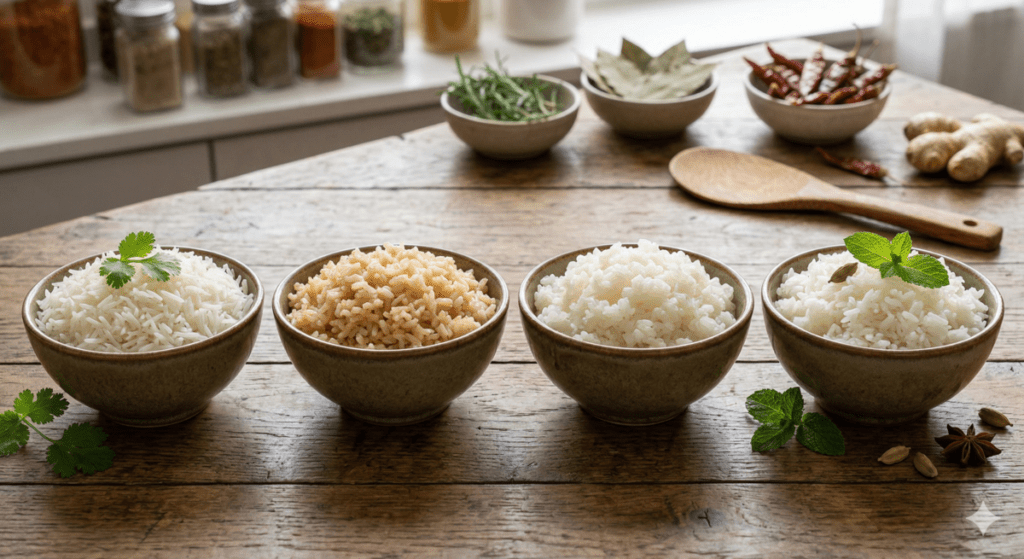
Choosing the right rice is important for making flavored rice in a rice cooker. Different rice types have unique textures and flavors. Picking the right one helps the rice absorb spices and ingredients well. It also affects the final taste and appearance of your dish.
Types of Rice For Flavor
Select rice based on the dish you want to make. Long-grain rice stays fluffy and separate when cooked. It works well for pilafs and dishes with herbs.
Medium-grain rice is softer and stickier. It suits recipes like Spanish or Mexican rice, where a slightly creamy texture is desired.
Short-grain rice is very sticky and moist. It is ideal for sushi or dishes needing clumped rice.
Try authentic basmati or jasmine rice for fragrant, aromatic dishes. These types add extra flavor to your meal without much effort.
Rinsing And Soaking Tips
Rinsing rice removes excess starch and dirt. It helps prevent the rice from becoming too sticky.
Soak rice for 15 to 30 minutes before cooking. This step allows the grains to absorb water evenly.
Soaking shortens cooking time and improves texture. Do not soak aromatic rice for too long, or it may lose flavor.
Use clean, cold water for rinsing and soaking. Avoid using hot water, as it can start cooking the rice prematurely.
Essential Ingredients
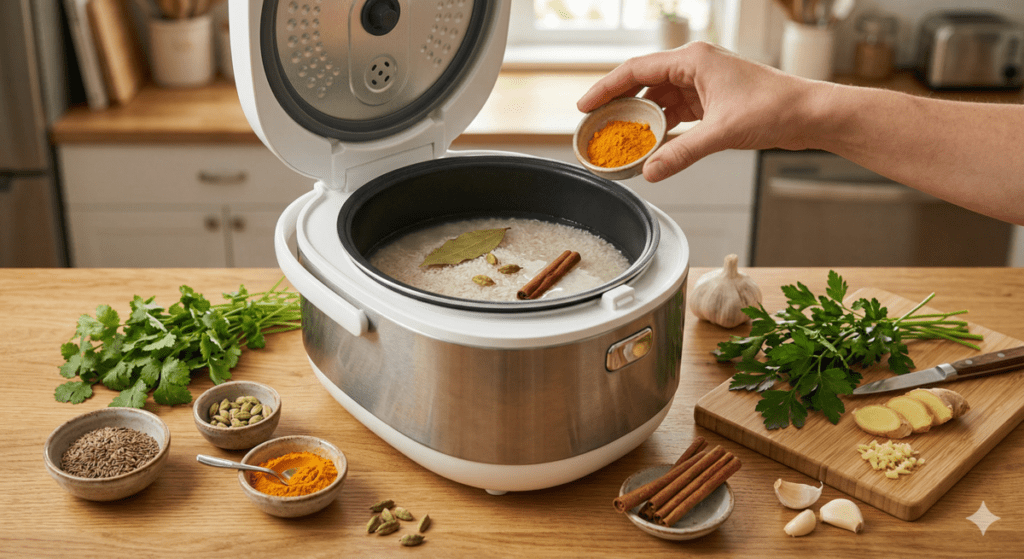
Flavored rice starts with the right ingredients. They bring taste, color, and texture to your dish. Choosing fresh and simple ingredients helps you create a delicious meal easily. This section covers key spices, herbs, vegetables, and proteins to use in your rice cooker recipes. (Pro tip: If your pantry is bare, grab a gourmet spice starter set to get everything you need at once!)
Spices And Herbs To Use
- Cumin seeds – add a warm, earthy flavor
- Bay leaves – give a subtle aroma
- Turmeric powder – adds color and mild taste
- Cardamom pods – bring a sweet, floral note
- Cinnamon sticks – offer a sweet and spicy scent
- Fresh cilantro – adds brightness and freshness
- Parsley – gives a mild, peppery flavor
- Fresh ginger – adds a spicy, zesty kick
- Garlic – delivers a strong, savory taste
Vegetables And Proteins
- Chopped onions – provide sweetness and texture
- Peas – add color and a sweet bite
- Carrots – give crunch and natural sweetness
- Bell peppers – bring vibrant color and mild flavor
- Mushrooms – offer earthiness and chewiness
- Cooked chicken pieces – add protein and richness
- Shrimp – give a delicate seafood taste
- Tofu cubes – a great vegetarian protein option
- Beans – boost protein and add texture
Preparing The Rice Cooker
Preparing your rice cooker properly sets the foundation for perfectly flavored rice every time. It’s not just about dumping ingredients into the pot; small steps before cooking make a huge difference in taste and texture. Taking a moment to clean and measure carefully can save you from soggy or burnt rice later.
Cleaning And Setting Up
Start by giving the inner pot a quick rinse with warm water. Avoid using soap since residues can affect the flavor of your rice. If you notice any stuck-on bits from previous cooking, soak the pot briefly and scrub gently with a soft sponge.
Wipe the exterior and the heating plate inside the cooker to remove any dust or spills. This ensures proper contact and even cooking. Make sure the lid and steam vent are clean too, as blocked vents can cause uneven cooking or soggy rice.
Have you checked your rice cooker’s manual lately? Premium rice cookers often feature specific "mixed rice" settings and have detachable parts that need cleaning. Taking that extra step can improve your cooker’s lifespan and performance.
Measuring Water And Rice
Accurate measurement is key to achieving the right rice texture. Use the measuring cup that came with your rice cooker for the rice, as it might be slightly different from standard cups. Level off the rice rather than packing it in to avoid adding extra grains.
Water ratios differ depending on the type of rice and the flavor additions you plan to use. A general rule is to add slightly less water if you’re adding ingredients like broth, coconut milk, or vegetables, as they release moisture during cooking. Do you often adjust water based on your add-ins? It’s a small tweak that can change the outcome dramatically.
Here’s a simple water-to-rice guide to start with:
| Rice Type | Water per Cup of Rice |
|---|---|
| White rice | 1.5 cups |
| Brown rice | 2 cups |
| Jasmine or Basmati | 1.25 cups |
Remember, flavoring liquids like broth will replace some of the water, so reduce accordingly. Measuring carefully here is easier than trying to fix mushy rice later.
Adding Flavors
Enhance your rice by adding spices and herbs to the rice cooker. Try garlic, cumin, or turmeric for a rich aroma. Add broth instead of water for deeper flavor.
Making flavored rice in a rice cooker is easier than you think. With a few simple tips, you can elevate your rice game and create delicious meals. Flavored rice is perfect for accompanying a variety of dishes, from spicy curries to savory stews.
Using Broth Instead Of Water
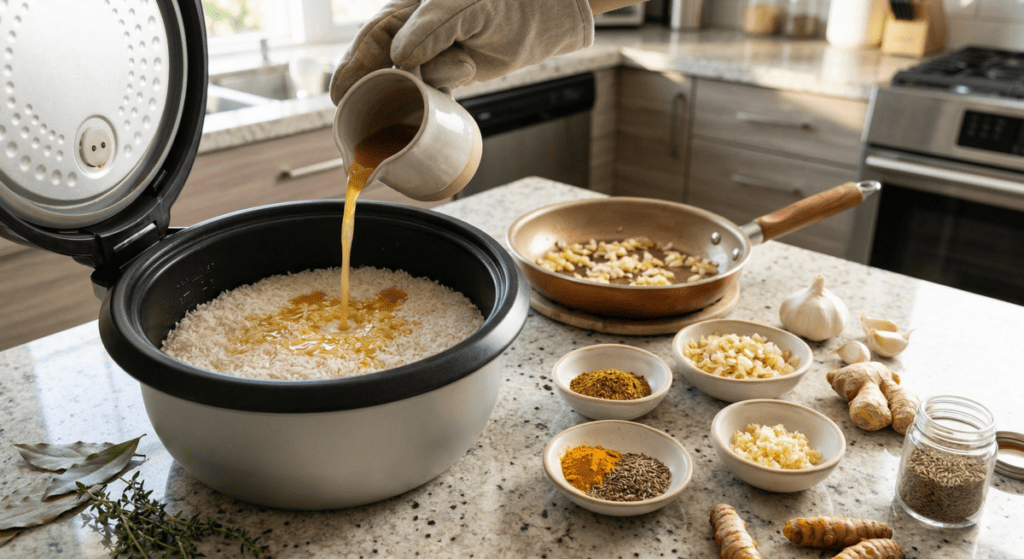
Using broth instead of water is a great way to add flavor to your rice. You can use chicken, beef, or vegetable broth, depending on your preference. Simply substitute the water in your rice cooker recipe with the broth of your choice. (A jar of roasted chicken bouillon base is perfect to keep in the fridge for this!) This will give your rice a rich, savory flavor that pairs well with chicken dishes. You can also use low-sodium broth to reduce the salt content of your rice.
Incorporating Aromatics
Incorporating aromatics like onions, garlic, and ginger into your rice is a great way to add depth and complexity. Simply chop the aromatics and sauté them in a pan before adding them to your rice cooker. For example, you can sauté some onions and garlic in a pan before adding them to your rice cooker. This will give your rice a sweet, savory flavor that pairs well with a variety of dishes. You can also add some grated ginger to give your rice a spicy kick. Tips for incorporating aromatics into your rice: Chop the aromatics finely to release their flavors. Sauté the aromatics in a pan before adding them to your rice cooker. Use a combination of aromatics for a complex flavor profile. Experiment with different aromatics to find your favorite flavors. By following these tips, you can create delicious flavored rice in a rice cooker that will elevate your meals and impress your guests.
Cooking Tips For Perfect Texture
Getting the perfect texture for flavored rice in your rice cooker isn’t just about throwing ingredients together. It requires attention to detail, especially with water amounts and cooking time. These tips will help you avoid common mistakes and get fluffy, well-cooked rice every time.
Adjusting Water Ratios
Water is the key to rice texture, but different types of rice and added ingredients change how much you need. If you add vegetables or sauces, reduce the water slightly to keep the rice from turning mushy.
Try this simple approach: start with the standard water ratio for your rice type, then subtract about 2 tablespoons of water for every half cup of extra ingredients. If you like your rice a bit firmer, use a little less water than the package suggests.
Have you noticed how some flavored rice turns sticky or soggy? That’s often because too much water was added without adjusting for extras. Experiment with small changes until you find your perfect balance.
Avoiding Overcooking
Rice cookers are designed to cook rice perfectly, but flavored rice can sometimes overcook if left on the “keep warm” setting too long. To keep texture ideal, remove the rice from the cooker soon after it switches off.
If your rice cooker has a timer, set it to finish cooking just before you want to eat. This helps keep the rice fluffy rather than dry or mushy. Stir the rice gently after cooking to release steam and stop the cooking process.
Have you ever found your rice turning clumpy after sitting too long? Try scooping it out earlier and covering it with a clean towel to maintain moisture without overcooking. This simple step can make a huge difference in texture.
Mix-ins And Garnishes
Mix-ins and garnishes are the secret weapons to turning plain rice into a flavorful dish that excites your taste buds. Adding the right ingredients not only enhances the texture but also adds layers of aroma and color. These simple touches can make your rice cooker meal feel like a special occasion.
Adding Nuts And Seeds
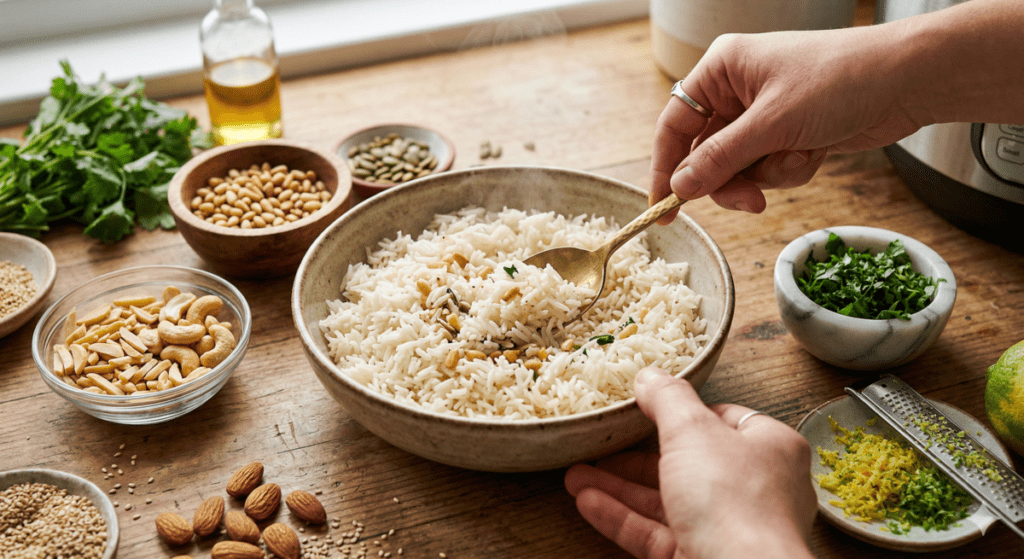
Nuts and seeds bring a delightful crunch and a boost of nutrition to your rice. Toast almonds, cashews, or pine nuts lightly before mixing them in to deepen their flavor. You can also sprinkle sesame or pumpkin seeds on top after cooking for a fresh, nutty bite.
I once added toasted walnuts to my basmati rice, and it completely changed the dish. The crunch contrasted beautifully with the soft grains, making every spoonful satisfying. Have you tried mixing nuts in your rice before?
Fresh Herbs And Citrus Zest
Fresh herbs like cilantro, parsley, or basil add a burst of freshness to your rice. Chop them finely and stir in right after the rice is cooked to preserve their vibrant flavor. Citrus zest from lemons, limes, or oranges can brighten the whole dish and add an unexpected zing.
One time, I grated lemon zest over my jasmine rice and was amazed at how it lifted the flavors. The citrus aroma made the rice feel lighter and more refreshing. What fresh herb or citrus zest would you try to customize your rice?
Creative Flavored Rice Recipes
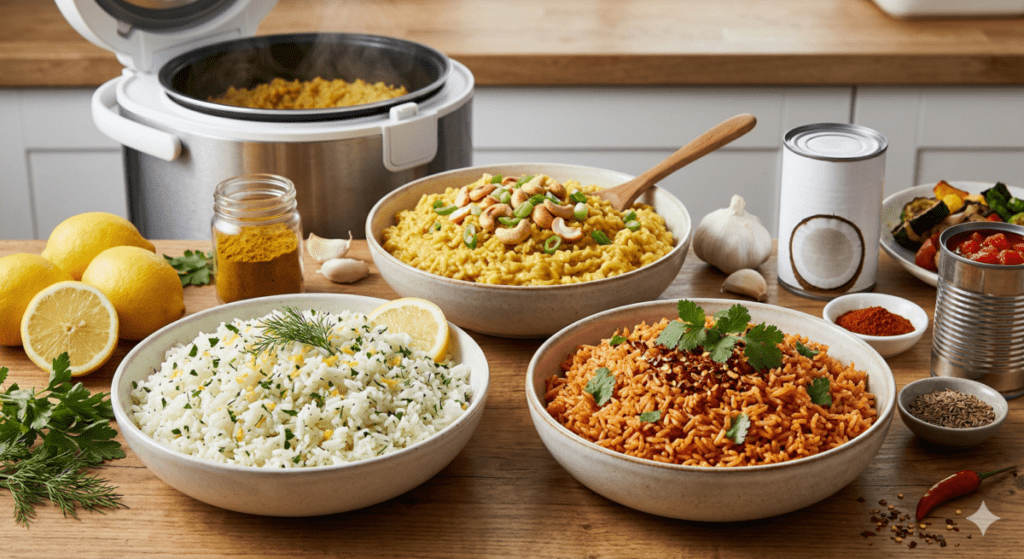
Flavored rice can turn a simple meal into something exciting and delicious. Using your rice cooker to make these dishes saves time and effort while delivering fantastic results. Here are some creative recipes you can try that add variety and bold taste to your everyday rice.
Lemon Herb Rice
This bright and fresh rice is perfect for pairing with grilled chicken or fish. Start by adding lemon zest and a few tablespoons of lemon juice to the rice and water before cooking. Mix in chopped fresh herbs like parsley, dill, or thyme after the rice is done for an aromatic lift.
Have you noticed how a squeeze of lemon can brighten up even the simplest dishes? This recipe proves that a few fresh ingredients can make your rice shine.
Spicy Tomato Rice
Add a kick to your meal with this spicy tomato rice. Use canned diced tomatoes or tomato sauce mixed into the water before cooking. Stir in chili powder, cumin, and a pinch of smoked paprika to build layers of flavor that make every bite exciting.
If you enjoy bold tastes, this rice can become your go-to side dish. How much heat do you prefer in your meals? Adjust the spices to match your comfort level.
Coconut Curry Rice
Creamy coconut milk and curry powder create a rich, comforting rice dish. Replace some or all of the cooking water with coconut milk, then add curry powder, garlic, and a pinch of salt. This rice pairs wonderfully with roasted vegetables or spicy meat dishes.
Trying this recipe once might change how you see rice forever. Have you ever cooked rice with coconut milk before? It adds a subtle sweetness that balances the curry spices beautifully.
Frequently Asked Questions
How Do I Add Flavor To Rice In A Rice Cooker?
Add spices, herbs, broth or coconut milk to the rice and water before cooking. This infuses flavor while the rice cooks evenly.
Can I Use Broth Instead Of Water For Flavored Rice?
Yes, using broth instead of water adds rich taste to your rice. Choose chicken, beef, or vegetable broth for variety.
What Spices Work Best For Flavored Rice Recipes?
Common spices include garlic powder, cumin, turmeric, saffron, and bay leaves. These enhance aroma and create unique rice flavors.
How Much Seasoning Should I Add To Rice Cooker Rice?
Use about 1 teaspoon of dried herbs or spices per cup of rice. Adjust to taste based on the seasoning’s strength.
Conclusion
Flavored rice in a rice cooker is easy and quick to make. You only need a few ingredients and simple steps. This method saves time and keeps the kitchen clean. Try different spices and vegetables for new tastes. Enjoy tasty rice with less effort every day.
Cooking rice this way makes meals more fun and delicious. Give it a try and see how simple cooking can be.