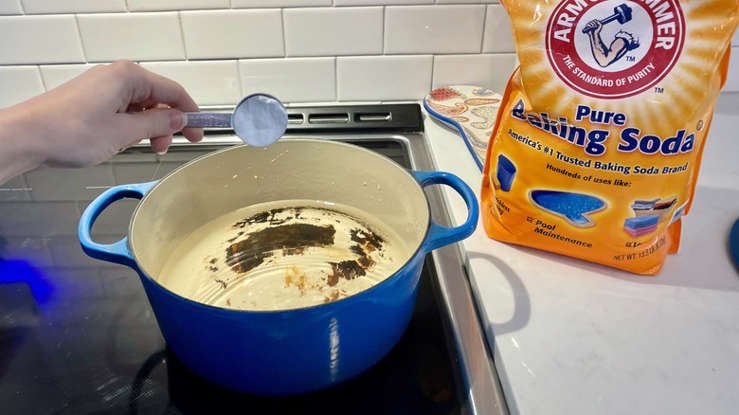
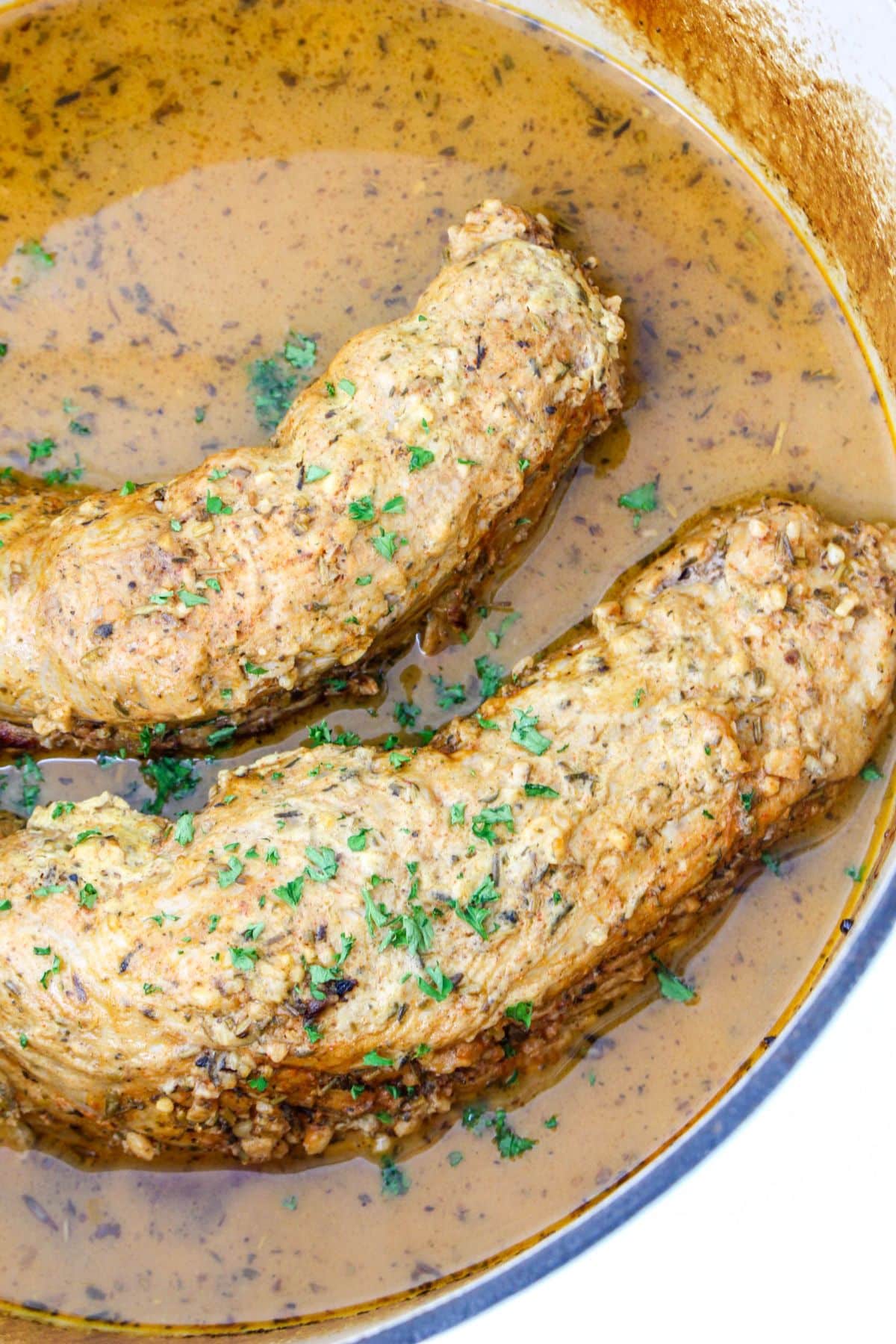
You want a delicious, tender pork tenderloin that melts in your mouth. Cooking it in a Dutch oven is one of the best ways to make that happen.
But maybe you’re wondering how to get it just right—juicy on the inside, perfectly browned on the outside. This guide will show you simple steps to cook pork tenderloin in a Dutch oven that will impress everyone at your table.
Keep reading, and you’ll discover tips and tricks that turn a basic meal into something unforgettable.
Credit: mamasonabudget.com
Choosing The Right Pork Tenderloin
Choosing the right pork tenderloin is key for a tender and flavorful meal. The quality of meat impacts the taste and cooking time. Pick a tenderloin that looks fresh and feels firm to touch. Proper selection makes your Dutch oven recipe easier and more enjoyable.
Selecting Fresh Meat
Choose pork that has a light pink color. Avoid any meat with dark spots or a grayish hue. The surface should be moist but not slimy. Fresh pork has a mild smell, not sour or strong. Look for tenderloins with a smooth texture and no bruises.
Trimming And Preparing
Trim excess fat and silver skin before cooking. Use a sharp knife to remove the thin, shiny membrane. This helps the meat cook evenly and improves texture. Trim off any large fat pieces but keep a little for flavor. Proper preparation ensures juicy, tender pork after cooking.
Credit: mamasonabudget.com
Preparing The Dutch Oven
Preparing the Dutch oven correctly sets the stage for a tender and flavorful pork tenderloin. This heavy pot retains heat well and cooks meat evenly. Proper preparation helps prevent sticking and boosts flavor development. Start by making sure the pot is clean and dry. This creates a perfect surface for cooking.
Seasoning The Pot
Seasoning a Dutch oven builds a natural non-stick coating. Use a small amount of vegetable oil or shortening. Rub it all over the inside surface. Heat the pot in the oven at 350°F (175°C) for about an hour. Let it cool completely before use. This process protects the pot and improves cooking results.
Heating And Oil
Heat the Dutch oven on medium heat before adding oil. This warms the pot evenly and prevents food from sticking. Pour in a thin layer of high-smoke-point oil like canola or grapeseed oil. Swirl to coat the bottom and sides. Wait until the oil shimmers before placing the pork inside. This step locks in juices and creates a nice sear on the meat.
Seasoning The Pork
Seasoning the pork tenderloin is key to a tasty meal. It adds flavor and helps keep the meat juicy. You can use dry rubs or marinades to enhance the pork’s natural taste. Both methods work well in a Dutch oven.
Dry Rub Options
Dry rubs create a flavorful crust on the pork. Mix spices and herbs to suit your taste. Here are some popular options:
- Paprika, garlic powder, salt, and black pepper
- Cumin, chili powder, brown sugar, and salt
- Rosemary, thyme, garlic powder, and lemon zest
Apply the rub evenly on all sides of the tenderloin. Let it rest for at least 30 minutes. This allows the spices to soak into the meat.
Marinating Tips
Marinating adds moisture and deep flavor to pork. Use an acidic base like vinegar, citrus juice, or yogurt. Combine it with oil, herbs, and spices for a balanced taste.
- Use a resealable plastic bag or glass container
- Marinate in the fridge for 2 to 8 hours
- Turn the pork occasionally to coat all sides
Remove the pork from the marinade before cooking. Pat it dry to help with browning in the Dutch oven.
Credit: cookpad.com
Searing The Tenderloin
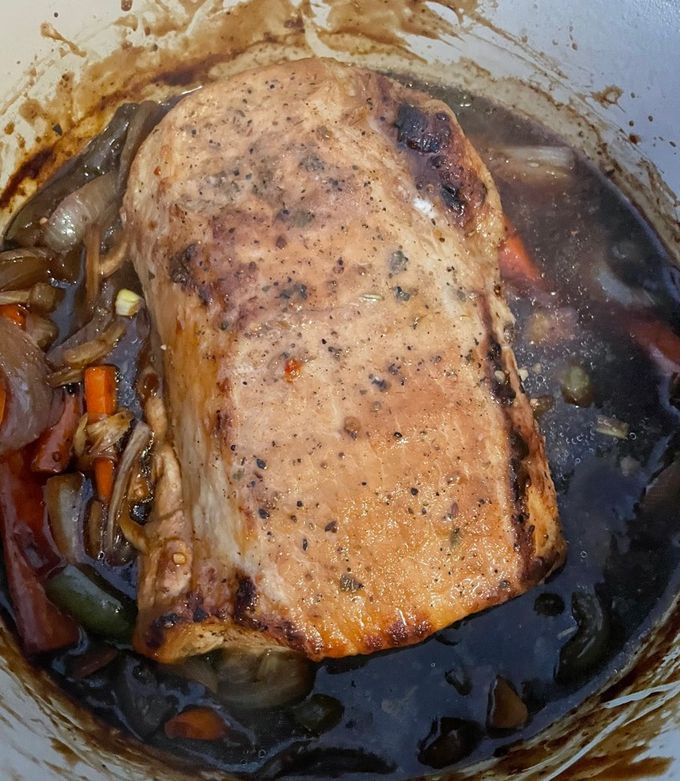
Searing the Tenderloin Begin by heating a Dutch oven over medium-high heat. Add oil and place the pork tenderloin inside. Sear each side until golden brown for rich flavor and a crisp crust.
Searing the pork tenderloin is a crucial step in cooking. It locks in juices and enhances the flavor. A Dutch oven provides an even heat, perfect for this task.
Achieving A Golden Crust
To get a golden crust, heat the Dutch oven first. Use medium-high heat until it's hot. Add a little oil to the pot. Choose oil with a high smoke point like canola. Place the tenderloin in the pot. Let it sit without moving for a few minutes. This allows the crust to form. Turn it to sear all sides evenly.
Avoiding Overcrowding
Avoid putting too much meat in the pot. Overcrowding lowers the temperature. This prevents the tenderloin from browning. Cook in batches if necessary. Leave space between each piece. This ensures each side gets a nice sear.
Slow Cooking In The Dutch Oven
Slow cooking pork tenderloin in a Dutch oven transforms a simple cut into a tender, flavorful meal. The slow heat allows the meat to absorb every bit of aroma and moisture, making each bite juicy and rich. To get the best results, it’s important to focus on how you add flavors and control the cooking environment.
Adding Aromatics And Liquids
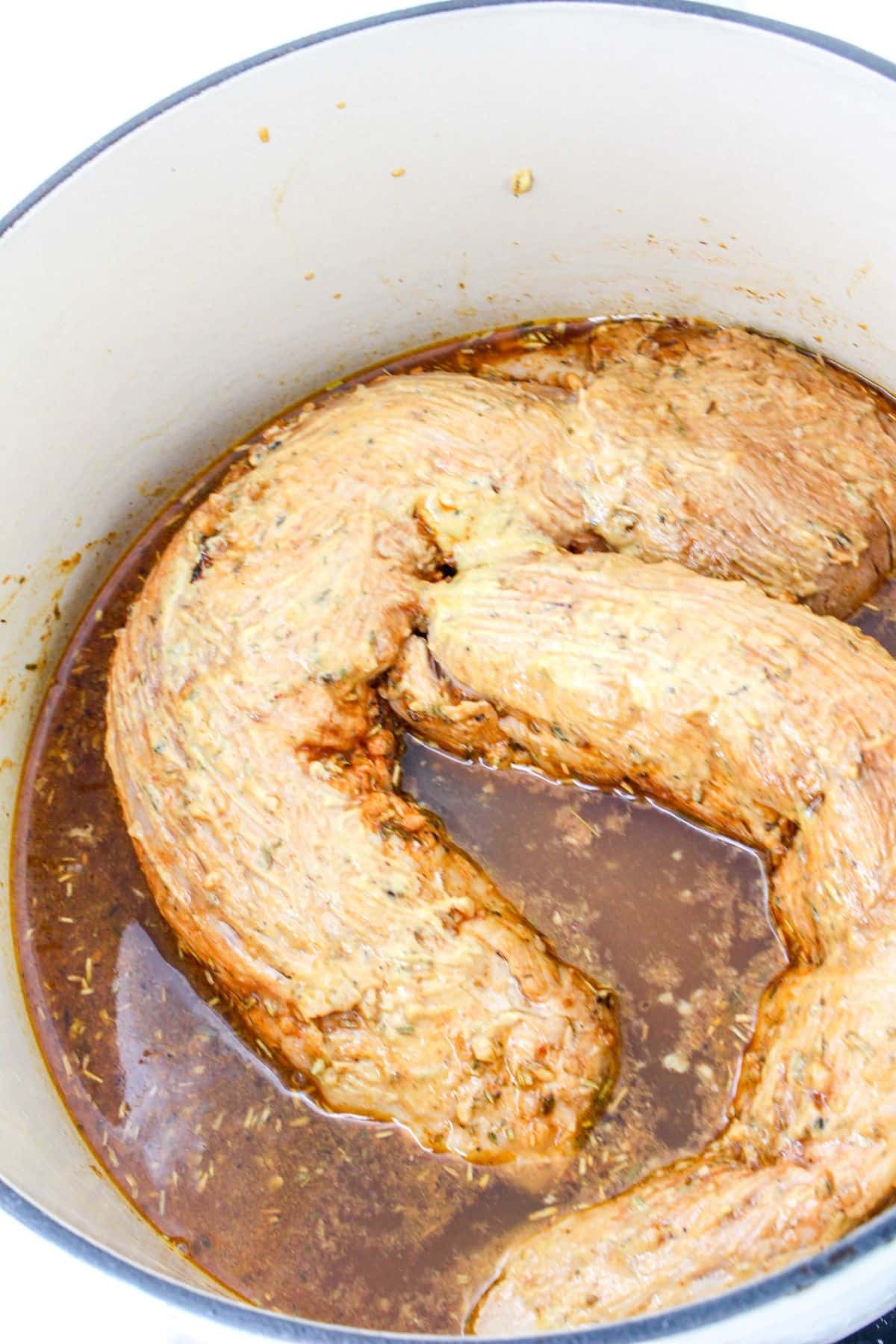
Aromatics like garlic, onions, and fresh herbs create a deep flavor base. Place them in the Dutch oven before adding the pork to let their scents infuse the meat slowly.
Don’t forget to add liquids such as broth, wine, or even apple cider. These keep the tenderloin moist and help create a delicious sauce as the pork cooks.
Think about the balance of flavors—too much liquid can dilute taste, too little can dry out the meat. I once added just enough apple cider to keep the pork juicy without losing that sweet tang.
Maintaining Ideal Temperature
Slow cooking means low and steady heat. Set your oven around 275°F to 300°F (135°C to 150°C) to avoid drying out the tenderloin.
Keep the Dutch oven covered to trap moisture and heat evenly. This creates a perfect mini-oven environment that gently breaks down the meat fibers.
Have you ever checked your pork too early and found it tough? Patience is key here—resist the urge to peek too often, as heat escapes each time the lid lifts.
Checking For Doneness
Checking for doneness is key to cooking pork tenderloin safely and deliciously in a Dutch oven. The right temperature ensures the meat is juicy and tender. Overcooking causes dryness. Undercooking can risk food safety. Use simple tools and steps to check the meat’s readiness.
Using A Meat Thermometer
Insert a meat thermometer into the thickest part of the tenderloin. Avoid touching bone or the Dutch oven. The safe internal temperature for pork tenderloin is 145°F (63°C). Once it reaches this, the meat is done. Remove the tenderloin from heat promptly. This tool gives an accurate doneness reading every time.
Resting The Meat
Let the pork tenderloin rest after cooking. Cover it loosely with foil and wait 5 to 10 minutes. This step lets the juices spread inside the meat. Resting makes the tenderloin moist and easier to slice. Skip resting, and the juices run out, drying the meat.
Serving Suggestions
Serving your pork tenderloin cooked in a Dutch oven is where the flavors truly come alive. The right sides and sauces can elevate your meal, turning a simple dish into a memorable feast. Think about what textures and tastes will complement the tender, juicy pork on your plate.
Side Dishes Pairings
Pair your pork tenderloin with sides that balance its richness. Roasted vegetables like carrots, Brussels sprouts, or sweet potatoes add a natural sweetness and crunch.
Mashed potatoes or creamy polenta offer a smooth contrast to the meat’s texture. You might also try a fresh, tangy salad with apple slices or pomegranate seeds to cut through the savoriness.
- Garlic mashed potatoes
- Honey-glazed carrots
- Roasted Brussels sprouts with balsamic drizzle
- Apple and walnut salad
- Butternut squash puree
Sauces And Garnishes
A sauce can transform your pork tenderloin into a star dish. Consider a simple pan gravy made from the Dutch oven drippings for a deep, meaty flavor.
Fruit-based sauces like apple cider reduction or cranberry chutney add brightness and a hint of tartness. Fresh herbs such as rosemary, thyme, or parsley sprinkled on top give a pop of color and fragrance.
- Pan gravy with garlic and thyme
- Apple cider and mustard sauce
- Cranberry or cherry chutney
- Fresh rosemary and thyme sprigs
- Chopped parsley or chives
Have you tried mixing sweet and savory elements on your plate? It can surprise your taste buds and make every bite exciting. What side or sauce will you experiment with next time you cook pork tenderloin?
Tips For Juicy Pork Tenderloin
Getting a juicy pork tenderloin in your Dutch oven isn’t just about following a recipe. It’s about understanding how to treat the meat so it stays tender and full of flavor. Here are some practical tips that will help you avoid dryness and boost taste every time you cook.
Avoiding Dryness
Pork tenderloin is lean, so it can dry out quickly if you’re not careful. To keep it juicy, start by patting the meat dry before seasoning—this helps the surface sear properly.
Use medium-high heat to brown the tenderloin on all sides; this locks in moisture. Then, add a bit of liquid like broth or wine to your Dutch oven before covering and finishing the cooking in the oven. This gentle steam keeps the meat moist.
Have you tried using a meat thermometer? Cooking pork to exactly 145°F (63°C) and then letting it rest for 5-10 minutes prevents overcooking. Resting allows juices to redistribute, making each slice tender and juicy.
Enhancing Flavor
Flavor starts with seasoning. Don’t just salt and pepper—add garlic, rosemary, thyme, or even a touch of smoked paprika to boost depth. Fresh herbs work wonders in the Dutch oven’s slow, moist environment.
Consider marinating your pork tenderloin for 30 minutes to a few hours before cooking. A marinade with acid, like lemon juice or vinegar, tenderizes the meat while infusing it with flavor.
During cooking, baste the tenderloin occasionally with its own juices or a flavored butter. This adds layers of taste and keeps the surface from drying out.
What’s your favorite flavor combo for pork? Experimenting with spices or citrus zest can turn a simple dish into something memorable.
Frequently Asked Questions
How Long To Cook Pork Tenderloin In A Dutch Oven?
Cook pork tenderloin in a Dutch oven for 25-30 minutes. Use medium heat to brown it first, then cover and bake at 350°F (175°C) for about 20 minutes. Always check the internal temperature; it should reach 145°F (63°C).
Can I Sear Pork Tenderloin Directly In A Dutch Oven?
Yes, you can sear pork tenderloin directly in a Dutch oven. Searing locks in juices and adds flavor. Use medium-high heat and cook each side for 3-4 minutes until golden brown before finishing in the oven.
What Temperature Should Pork Tenderloin Reach When Cooked?
Pork tenderloin should reach an internal temperature of 145°F (63°C). This ensures it is safely cooked and juicy. Use a meat thermometer to check the temperature for perfectly cooked pork every time.
Is It Necessary To Marinate Pork Tenderloin Before Cooking?
Marinating pork tenderloin is optional but recommended. It enhances flavor and tenderness. Use a simple marinade with oil, herbs, and spices. Marinate for at least 30 minutes or up to 8 hours for best results.
Conclusion
Cooking pork tenderloin in a Dutch oven is simple and tasty. The pot keeps the meat juicy and tender. You only need a few steps to get great flavor. This method works well for beginners and experts alike. Try it for your next meal and enjoy a delicious dish.
Cooking at home saves money and feels rewarding. Serve with your favorite sides for a full meal. Practice a few times, and you will improve fast. Enjoy the process and the tasty results!