Are you tired of struggling with messy poached eggs that don’t look or taste right? Cooking perfect poached eggs can seem tricky, but with the right technique, it’s easier than you think.
Using an egg poacher is a simple way to get those soft, silky eggs every time without the hassle. You’ll discover step-by-step tips to master poached eggs in your egg poacher, making your breakfast or brunch something to look forward to.
Ready to impress yourself and anyone at your table? Let’s get started!

Credit: www.youtube.com
Choosing The Right Egg Poacher
Choosing the right egg poacher makes cooking poached eggs easier and more enjoyable. The perfect poacher fits your kitchen style and cooking needs. It helps you get evenly cooked eggs with less mess and fuss. Consider the type, material, size, and capacity before buying. These factors affect how well the poacher works and lasts.
Types Of Egg Poachers
Egg poachers come in several styles. Each one offers a different cooking experience.
- Stovetop Poachers:These sit on top of a pot or pan. They use steam to cook eggs gently.
- Electric Poachers:Plug in and cook eggs automatically. Great for hands-free cooking.
- Microwave Poachers:Made for quick cooking in the microwave. Perfect for busy mornings.
- Silicone Poaching Cups:Flexible and easy to clean. Can be used in boiling water or the microwave.
Materials And Durability
Material affects how long your egg poacher will last and how easy it is to clean.
- Stainless Steel:Strong and long-lasting. Resists rust and stains.
- Non-stick Coating:Helps eggs slide out easily. Requires gentle cleaning.
- Silicone:Heat-resistant and flexible. Easy to store and clean.
- Glass:Safe for microwave use. Fragile but does not stain.
Capacity And Size
Think about how many eggs you want to cook at once. Size affects your cooking time and kitchen space.
- Small poachers hold 1-2 eggs. Good for singles or couples.
- Medium poachers hold 3-4 eggs. Ideal for small families.
- Large poachers hold 6 or more eggs. Best for gatherings or meal prep.
Choose a size that fits your needs and kitchen space comfortably.
Preparing Eggs For Poaching
Preparing eggs for poaching is a crucial step that can make or break your perfect poached egg. The right preparation ensures the eggs hold their shape and cook evenly in your egg poacher. Let’s dive into how to get your eggs ready for that flawless poach.
Selecting Fresh Eggs
Fresh eggs are your best friend when poaching. Older eggs tend to spread out more in water, making them harder to shape. To test freshness, place your egg in a bowl of water—if it sinks and lays flat, it’s fresh. If it stands upright or floats, choose a different egg.
Cracking Eggs Properly
Cracking eggs carefully prevents shell fragments from ruining your poach. Tap the egg gently on a flat surface, not on the edge of a bowl, to avoid pushing shell shards inside. Open the egg close to the poacher cup to minimize the risk of spills and mess.
Room Temperature Tips
Cold eggs straight from the fridge can cause uneven cooking and may crack your poacher cups. Let your eggs sit at room temperature for about 15-20 minutes before poaching. This small step helps the egg cook more smoothly and evenly in your egg poacher.
Setting Up Your Egg Poacher
Setting up your egg poacher properly is the key to perfect poached eggs every time. Taking a few extra moments to prepare your equipment can save you from watery whites or eggs sticking to the cups. Let’s break down the essential steps that make your poaching process smooth and foolproof.
Adding Water Correctly
Start by pouring the right amount of water into the base of your egg poacher. Usually, this means filling it up to the indicated fill line or about one to two inches deep. Too much water will cause excessive steam and splashing, while too little won’t generate enough steam to cook the eggs properly.
Ask yourself: Have you ever had your eggs come out rubbery or unevenly cooked? Adjusting the water level can make all the difference. Using a measuring cup to add water precisely helps keep the results consistent.
Preheating The Poacher
Turn on your stove and let the water in the egg poacher heat up before adding your eggs. Preheating ensures the steam starts immediately, cooking your eggs evenly and gently. Waiting until you see steam rising from the water is a good sign your poacher is ready.
Skipping this step can lead to sticking or uneven cooking. Think about it—do you want to waste eggs because they didn’t cook right? I learned this the hard way, and now I never add eggs before the water is hot.
Using Non-stick Spray Or Oil
Before placing the eggs in the poacher cups, lightly spray them with a non-stick cooking spray or brush a thin layer of oil. This simple step helps the eggs release easily once they’re cooked, saving you from frustrating scraping or broken yolks.
Choose a neutral oil like vegetable or canola to avoid altering the egg’s flavor. Have you noticed how some eggs stick no matter how careful you are? This little tip changed my poaching game completely and made cleanup a breeze.

Credit: food52.com
Poaching Eggs Step-by-step
Poaching eggs using an egg poacher can seem tricky at first, but with the right approach, it’s straightforward and rewarding. Understanding each step helps you achieve perfectly cooked eggs with tender whites and runny yolks every time. Let’s break down the process to make it simple and foolproof for your next breakfast.
Placing Eggs In The Poacher
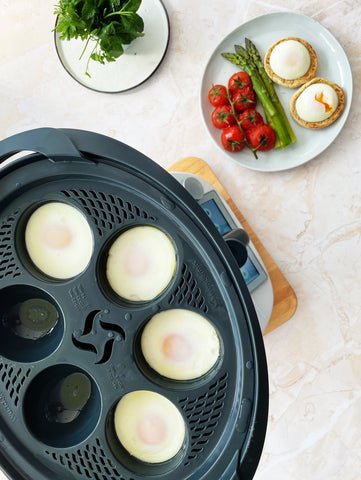
Start by cracking your eggs gently into the individual cups or compartments of the egg poacher. Avoid breaking the yolks to keep them intact and delicious. If you like, lightly grease the cups with butter or non-stick spray to make cleaning easier and prevent sticking.
Make sure the eggs sit comfortably without overflowing. Overcrowding can cause the eggs to cook unevenly or spill over the sides. Have you noticed how a calm, steady approach at this stage sets the tone for great results?
Cooking Time And Temperature
Place the egg poacher over simmering water—medium-low heat works best to avoid tough whites. Cover the poacher with its lid to trap steam and cook the eggs evenly.
Most eggs take about 4 to 6 minutes to poach perfectly, but the exact time depends on your stove and egg size. Keep a close eye during the last few minutes to catch that ideal texture. Have you experimented with timing to find your perfect yolk consistency?
Checking For Doneness
Peek inside the poacher without lifting the lid too often, which lets steam escape. When the whites are fully set but the yolks still wiggle gently, your eggs are ready.
If you prefer firmer yolks, leave them a minute or two longer. Use a spoon to lift the eggs out carefully—do they hold together without breaking? This simple test is the key to mastering poached eggs every time.
Serving And Storing Poached Eggs
Cooking poached eggs in an egg poacher ensures perfect results every time. Serve them immediately for the best taste. Store any leftovers in the fridge and reheat gently to enjoy later.
Poached eggs are a breakfast staple. They're healthy, delicious, and versatile. Once you've mastered poaching eggs in an egg poacher, serving them creatively enhances the meal. Proper storage is also key for maintaining freshness and taste. Let's explore how to serve, store, and reheat poached eggs effectively.
Serving Suggestions
Poached eggs pair well with many dishes. Serve them on toast for a simple meal. Add avocado for extra creaminess. Top with salt and pepper for flavor. They complement salads, adding protein and texture. Use them in Eggs Benedict for a classic brunch dish. Combine with smoked salmon for a luxurious touch.
Storing Leftover Poached Eggs
Store poached eggs properly to keep them fresh. Place them in a bowl of cold water. Cover the bowl with plastic wrap. This prevents the eggs from drying out. Keep the bowl in the refrigerator. Consume within two days for best quality.
Reheating Tips
Reheat poached eggs gently to preserve texture. Use a pot of simmering water. Place the eggs in for one minute. Avoid boiling, which can overcook the eggs. Remove them with a slotted spoon. Pat dry before serving to avoid excess water.
Troubleshooting Common Issues
Troubleshooting common issues with poached eggs can make cooking easier. Some problems may cause frustration but have simple fixes. Learning these tips helps create perfect poached eggs every time.
Eggs Sticking To The Poacher
Eggs stick when the poacher surface is dry or dirty. Always clean the poacher before use. Lightly grease the cups with oil or butter to prevent sticking. Use fresh eggs for better results. Older eggs tend to stick more.
Undercooked Or Overcooked Eggs
Cooking time affects egg texture greatly. For soft yolks, poach eggs for about 3 minutes. Longer cooking makes yolks firm and whites rubbery. Use a timer to track cooking duration. Avoid boiling water; gentle simmering cooks eggs evenly.
Egg Whites Spreading Too Much
Egg whites spread when water is too hot or stirred harshly. Keep water at a gentle simmer, not a boil. Crack eggs into a small cup before adding to the poacher. Avoid stirring the water after adding eggs. This keeps whites compact and neat.
Enhancing Flavor And Presentation
Poached eggs cooked in an egg poacher are soft and tender. Enhancing their flavor and presentation can make breakfast or brunch special. Simple touches bring out rich tastes and add visual appeal. Small changes turn plain eggs into a delightful meal. Here are some easy ways to improve your poached eggs.
Adding Herbs And Spices
Fresh herbs add brightness and color to poached eggs. Sprinkle chopped chives, parsley, or dill for a fresh taste. Ground black pepper or a pinch of smoked paprika gives a subtle kick. A dash of sea salt enhances the egg’s natural flavor. Try mixing herbs and spices before cooking for a more even taste.
Pairing With Toast And Sauces
Toast provides a crunchy contrast to soft poached eggs. Use whole grain, sourdough, or rye bread for extra flavor. Spread avocado or cream cheese on toast for richness. Serve eggs with classic sauces like hollandaise or a light tomato salsa. These sauces add moisture and a burst of taste without overpowering the eggs.
Creative Serving Ideas
Serve poached eggs on a bed of sautéed spinach or roasted vegetables. Add crispy bacon or smoked salmon for texture and flavor. Use a colorful plate to make the dish look inviting. Garnish with microgreens or edible flowers for a fancy touch. Presentation matters—small details make your meal look restaurant-quality.

Credit: www.nordicware.com
Frequently Asked Questions
How Long To Cook Poached Eggs In An Egg Poacher?
Cook poached eggs in an egg poacher for 3 to 4 minutes. This timing yields a soft, runny yolk. Adjust cooking time for firmer yolks. Always preheat the water for consistent results.
Can I Use Fresh Eggs For Poaching?
Yes, fresh eggs are best for poaching. Fresh eggs hold their shape better and produce a neater poached egg. Older eggs tend to spread out more in the water. Always crack eggs gently into the poacher.
Do I Need To Grease The Egg Poacher?
Lightly greasing the egg poacher helps prevent sticking. Use a small amount of oil or butter. This ensures the eggs slide out easily once cooked. It also keeps the poacher clean.
What Water Level Is Ideal For An Egg Poacher?
Fill the egg poacher with water just below the egg cups. Typically, 1 to 2 inches of water is enough. The water should simmer, not boil vigorously. This ensures even cooking without breaking the eggs.
Conclusion
Cooking poached eggs with an egg poacher is simple and quick. You get soft, tasty eggs every time. No need to worry about messy water or broken yolks. Just follow the steps and enjoy a healthy meal. This tool makes poaching eggs easy for anyone.
Try it today and enjoy fresh eggs anytime. Perfect for breakfast or a light snack. Easy to clean and use every day. Enjoy cooking without stress or fuss.