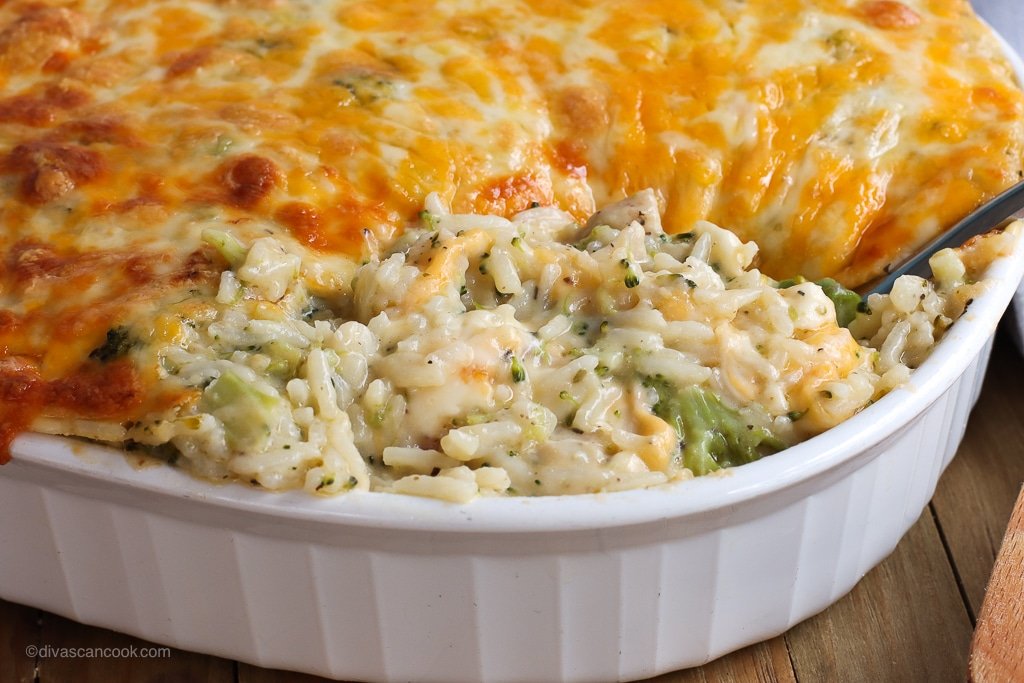
If you’ve ever struggled with cooking brown basmati rice perfectly, you’re not alone. It can be tricky to get the texture just right—fluffy, not mushy, with each grain separate.
But what if you could make it effortlessly every time? Using a rice cooker is the secret to saving time and avoiding guesswork. In this guide, you’ll discover simple steps to cook brown basmati rice that tastes delicious and looks impressive.
Ready to transform your meals and impress your family or guests? Keep reading to learn how to make the perfect batch with ease.

Credit: www.theincrediblebulks.com
Choosing The Right Brown Basmati Rice
Choosing the right brown basmati rice is key for perfect cooking results. Not all brown basmati rice is the same. Quality, grain length, and aroma matter a lot. Picking the best rice improves taste and texture.
Grain Length And Texture
Brown basmati rice is known for its long grains. Look for rice with slender, unbroken grains. This type cooks evenly and stays fluffy. Avoid rice with many broken grains. They tend to become mushy.
Aroma And Flavor
Good brown basmati rice has a natural nutty aroma. The smell should be fresh and pleasant. Strong fragrance means high quality. It adds flavor without extra spices.
Packaging And Freshness
Rice freshness affects cooking and taste. Choose rice in airtight packaging. Check the packing date on the bag. Fresher rice cooks better and tastes sweeter.
Organic Vs Non-organic
Organic brown basmati rice is grown without chemicals. It may have a cleaner taste. Non-organic rice is often cheaper but may contain residues. Decide based on your preference and budget.
Preparing Rice For Cooking
Preparing your brown basmati rice properly sets the foundation for perfectly cooked, fluffy grains every time. Taking a few extra minutes to measure, rinse, and soak the rice can make a noticeable difference in texture and flavor. These simple steps help remove excess starch and ensure even cooking in your rice cooker.
Measuring Rice And Water
Accurate measurement is key when cooking brown basmati rice. Use a standard measuring cup to measure the rice, aiming for about 1 cup of rice per 2 to 2.5 cups of water, depending on your rice cooker and personal preference.
If you like your rice a bit firmer, use less water. For softer rice, add a little more water. Keep a note of what works best for your specific rice cooker to get consistent results.
Rinsing And Soaking Rice
Rinsing brown basmati rice before cooking removes surface starch, preventing the grains from sticking together. Place the rice in a fine-mesh strainer or bowl and rinse under cold running water until the water runs clear.
Soaking the rice for 20-30 minutes before cooking allows the grains to absorb some water and start softening. This short soak reduces cooking time and improves texture, making your rice less chewy and more tender.
Have you noticed a difference in texture after soaking rice? It’s a small step that often gets overlooked but pays off every time you sit down to eat.
Setting Up The Rice Cooker
Setting up your rice cooker correctly is the first step to perfect brown basmati rice. Paying attention to the details here ensures your rice cooks evenly and tastes delicious every time. Small adjustments in this stage can make a big difference in texture and flavor.
Selecting The Correct Settings
Not all rice cookers have a specific setting for brown basmati rice, but many offer a “brown rice” or “whole grain” option. Use these if available, as they adjust cooking time and temperature to suit the tougher outer bran layer of brown rice.
If your rice cooker lacks these settings, choose the “regular” or “white rice” option but increase the cooking time slightly. You might need to experiment with your model to find the ideal timing—have you noticed how some rice cookers finish too quickly, leaving the rice undercooked?
Using the correct setting prevents mushy or crunchy rice, so take a moment to check your cooker’s manual or test a batch with different settings. This hands-on approach helps you discover what works best for your specific appliance.
Adding Flavor Enhancements
Before you start cooking, think about adding simple ingredients to the pot to boost flavor. A pinch of salt is the easiest way to enhance the natural nuttiness of brown basmati rice.
You can also try adding a small piece of cinnamon stick, a few cardamom pods, or a bay leaf. These spices infuse subtle aromas without overpowering the rice, creating a richer eating experience.
Have you ever tried cooking rice with a splash of broth instead of water? This swap can add depth and make your rice more savory. Don’t be afraid to experiment with these flavor additions; the rice cooker handles it all for you.
Cooking Process And Timing
Cooking brown basmati rice in a rice cooker requires precise water ratios and timing. Rinse the rice and add water at a 1:2 ratio. Set the rice cooker to the brown rice setting and let it cook until the indicator turns off.
Cooking brown basmati rice in a rice cooker is simple and rewarding. The process ensures fluffy, aromatic grains perfect for any meal. Timing and technique are crucial for the best results. Follow these steps to cook brown basmati rice perfectly every time.
Starting The Cooker
Begin by rinsing the rice under cold water. This removes excess starch. Measure the rice accurately. Use a rice-to-water ratio of 1:2. Place the rinsed rice and water in the rice cooker. Close the lid securely. Set the cooker to the "brown rice" setting if available. If not, use the standard cooking mode. Press start. The cooker will handle the rest.
Letting Rice Rest After Cooking
Once the cooking cycle finishes, allow the rice to rest. Keep the lid closed for about 10 minutes. This step lets the steam finish the cooking process. It also helps the grains become more tender. After resting, gently fluff the rice with a fork. This separates the grains and enhances texture. Now, your brown basmati rice is ready to serve. Enjoy it with your favorite dishes.
Fluffing And Serving Tips
Fluffing and serving brown basmati rice properly enhances its texture and taste. After cooking, the rice grains may stick together. Fluffing separates the grains and makes the rice light and airy. Serving the rice correctly also improves the dining experience.
How To Fluff Brown Basmati Rice
Use a fork to gently fluff the rice. Avoid stirring with a spoon or spatula. This prevents the grains from breaking. Fluffing loosens the rice and releases trapped steam. It helps the rice cool slightly before serving.
Serving Suggestions For Brown Basmati Rice
- Serve warm for the best flavor and texture.
- Pair with curries, grilled vegetables, or lean proteins.
- Sprinkle fresh herbs like cilantro or parsley for aroma.
- Add a squeeze of lemon juice for brightness.
- Use a bowl or shallow dish to present the rice nicely.
Storing Leftover Brown Basmati Rice
Cool leftover rice quickly to avoid bacteria growth. Store in an airtight container in the fridge. Use within 3-4 days for freshness. Reheat with a splash of water to keep rice moist. Fluff again before serving.
Troubleshooting Common Issues
Cooking brown basmati rice in a rice cooker can sometimes lead to unexpected results. You might find the texture isn’t quite right or the rice hasn’t cooked through evenly. Troubleshooting these common issues helps you get perfectly cooked rice every time and avoids food waste or frustration.
Rice Too Sticky Or Mushy
If your rice turns out sticky or mushy, it usually means there’s too much water or the rice cooked for too long. Brown basmati rice needs just the right amount of water to keep its fluffy texture. Try reducing the water slightly—start by using 1.5 cups of water per cup of rice.
Rinsing your rice thoroughly before cooking can also help remove excess starch, which often causes stickiness. Have you noticed that rinsing changes the texture? Give it a few rinses until the water runs clear.
Another tip is to avoid opening the lid during cooking. Let the rice cooker finish its cycle uninterrupted to prevent condensation from dripping back into the rice, which can add unwanted moisture.
Rice Undercooked Or Hard
Hard or undercooked rice means the grains didn’t absorb enough water or the cooking time was too short. Brown basmati rice takes longer to cook than white rice because of its bran layer. Check if you’re using enough water—try increasing it to 2 cups per cup of rice.
Sometimes the rice cooker’s default setting isn’t enough for brown rice. If your cooker has a “brown rice” or “slow cook” option, use it. If not, allow the rice to sit on “keep warm” mode for an extra 10 minutes after cooking to let the steam finish the process.
Have you tried soaking the rice before cooking? Soaking for 20–30 minutes can soften the grains and reduce cooking time. This simple step might just solve the hardness issue you’ve been facing.
Storing And Reheating Leftovers
Storing and reheating brown basmati rice properly ensures you get the best taste and texture even after cooking it in your rice cooker. Leftover rice can easily dry out or become mushy if not handled well. Knowing how to keep it fresh and reheat it correctly can save you time and reduce food waste.
Proper Storage Techniques For Brown Basmati Rice
After your rice cooker finishes, allow the rice to cool slightly before storing. Hot rice traps moisture and can create a breeding ground for bacteria if sealed immediately.
Use an airtight container to keep your rice fresh. Glass or BPA-free plastic containers work well.
- Store the rice in the refrigerator within two hours of cooking.
- Keep it for up to 4-6 days to avoid spoilage.
- If you want to keep it longer, freeze the rice in portioned bags.
Best Ways To Reheat Leftover Brown Basmati Rice
Reheating brown basmati rice is simple but requires a few tricks to keep the grains fluffy. Avoid just microwaving it dry, as this can harden the rice.
- Add a splash of water or broth before reheating to restore moisture.
- Cover the rice with a microwave-safe lid or damp paper towel to trap steam.
- Heat in short intervals, stirring gently between each to prevent clumps.
Creative Uses For Leftover Brown Basmati Rice
Wondering how to make your leftovers exciting? Leftover brown basmati rice works great beyond just reheating.
- Use it as a base for stir-fries with fresh veggies and protein.
- Make rice salads with olive oil, lemon juice, and herbs.
- Add it to soups or stews for extra texture and nutrition.
What’s your favorite way to transform leftover rice? Trying new recipes can turn a simple staple into a delicious meal.
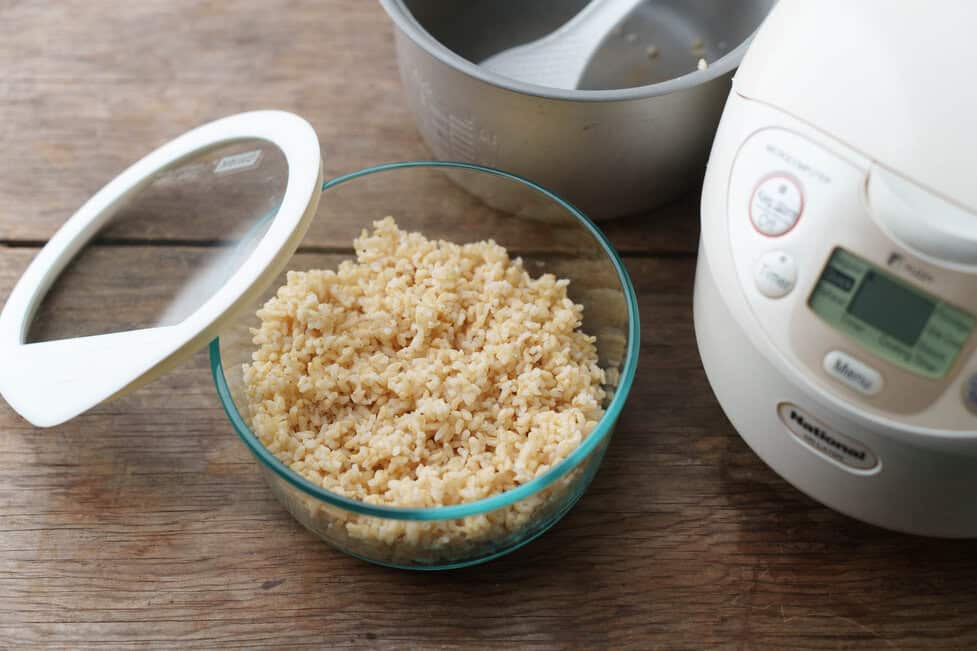
Credit: www.hungryhuy.com

Credit: www.theincrediblebulks.com
Frequently Asked Questions
How Long Does Brown Basmati Rice Take In A Rice Cooker?
Brown basmati rice usually takes 40-50 minutes in a rice cooker. Cooking time varies by model and rice quantity. Always check the rice cooker manual for specific guidance. Allow the rice to rest for 10 minutes after cooking for the best texture.
What Water-to-rice Ratio Is Best For Brown Basmati?
Use 2 cups of water for every 1 cup of brown basmati rice. This ratio ensures the rice cooks fully and stays fluffy. Adjust slightly based on your rice cooker or preference for softer rice. Rinsing rice before cooking also helps improve texture.
Can I Cook Brown Basmati Rice Without Soaking It?
Yes, you can cook brown basmati rice without soaking. However, soaking for 20-30 minutes reduces cooking time and improves texture. If short on time, rinsing thoroughly is essential to remove excess starch. Soaking is optional but recommended for best results.
How Do I Prevent Brown Basmati Rice From Sticking?
Rinse brown basmati rice under cold water before cooking to remove starch. Adding a teaspoon of oil or butter to the rice cooker helps prevent sticking. Avoid lifting the lid during cooking to maintain steam and prevent clumping. Fluff rice gently after cooking.
Conclusion
Cooking brown basmati rice in a rice cooker is simple and quick. Measure the rice and water carefully for the best result. Press the cook button and wait patiently. The rice cooker does the hard work for you. Fluffy, tasty rice will be ready soon.
Serve it with your favorite dishes for a healthy meal. Enjoy the ease of using a rice cooker every time. No need to watch the pot or guess the water. Just set it and relax. Cooking brown basmati rice has never been easier.