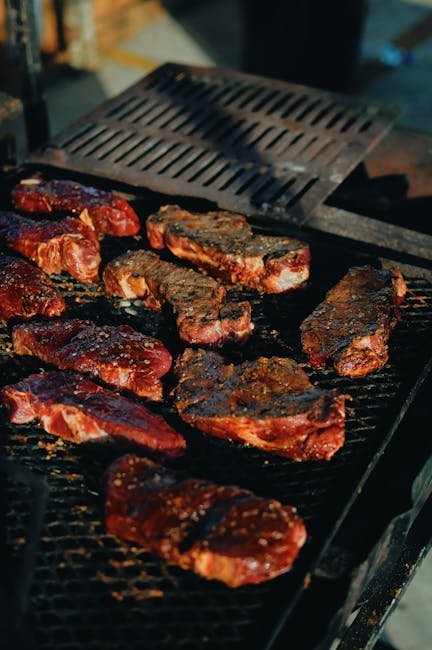
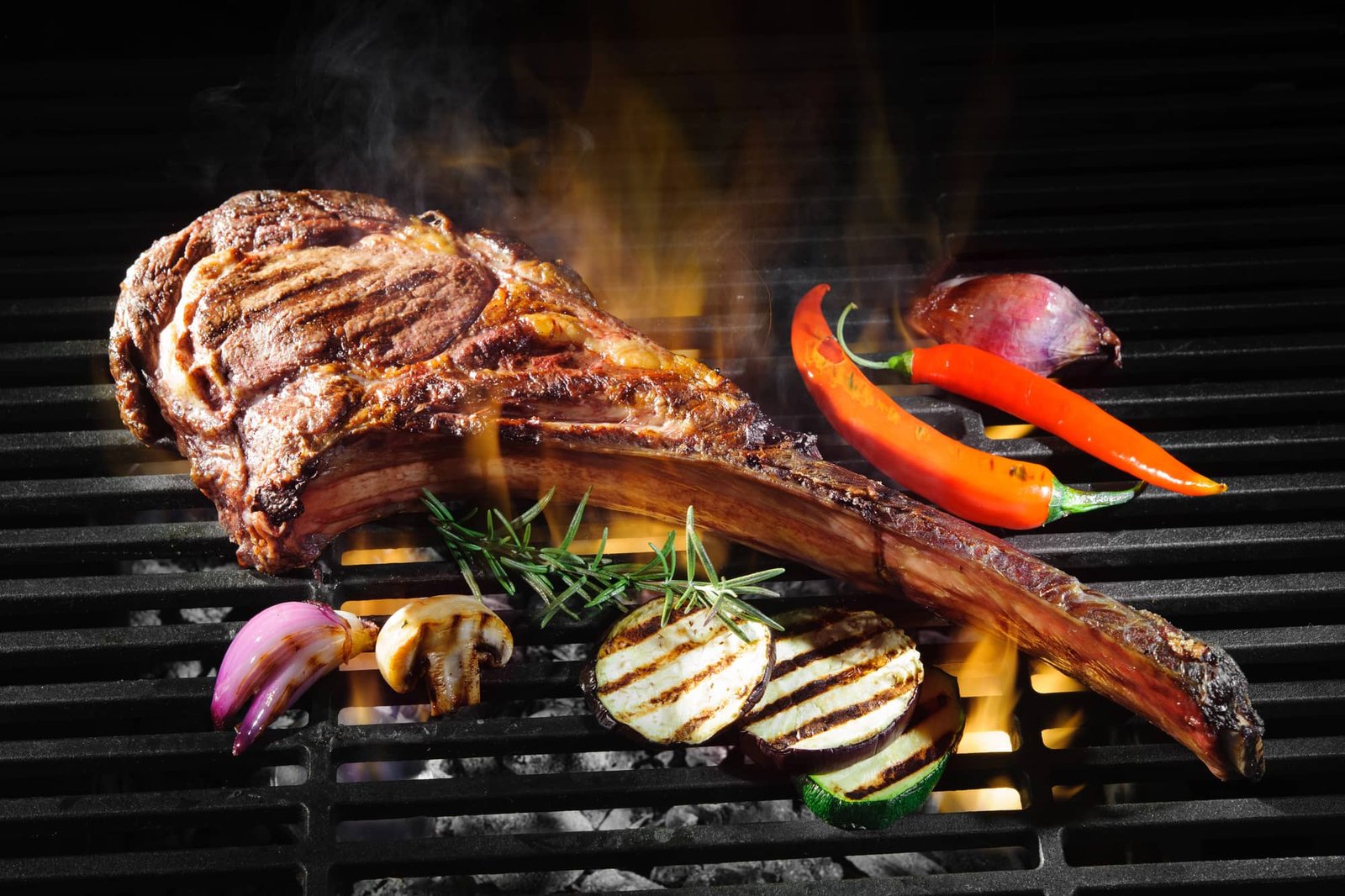
If you love the rich, smoky flavor of beef ribs but don’t have a smoker, your gas grill can be the perfect tool. Cooking beef ribs on a gas grill might seem tricky, but with the right steps, you can achieve tender, juicy ribs that will impress everyone at your next cookout.
In this guide, you’ll discover simple tips and tricks that make the process easy and enjoyable. Ready to master beef ribs on your gas grill and become the backyard hero? Keep reading—you’re about to unlock flavors you never thought possible.

Credit: www.latimes.com
Choosing The Right Beef Ribs
Choosing the right beef ribs is key to a great grilling experience. The type and quality of ribs affect taste and texture. Knowing how to pick fresh ribs and prepare them makes cooking easier and more enjoyable.
Types Of Beef Ribs
Beef ribs come in several types. Each offers a different flavor and cooking style.
- Back Ribs:These are smaller and come from the upper part near the spine. They have less meat but are tender.
- Short Ribs:Larger and meatier, these ribs come from the lower rib cage. They need longer cooking times.
- Plate Ribs:Also called “dino ribs,” these are big and flavorful but require slow cooking.
Selecting Fresh Ribs
Fresh ribs have a bright red color with white fat. Avoid ribs that look brown or gray. The meat should feel firm and moist, not slimy or sticky. Good marbling means more flavor and tenderness. Check the smell; it must be fresh and clean. Proper packaging also matters to keep ribs fresh until grilling.
Preparing Ribs For Grilling
Start by removing the silver skin, a thin membrane on the back of ribs. It can block flavors and make ribs tough. Use a knife or your fingers to peel it off. Trim excess fat to avoid flare-ups on the grill. Apply a dry rub or marinade to add taste. Let the ribs rest at room temperature before cooking. This helps them cook evenly on the gas grill.
Setting Up Your Gas Grill
Setting up your gas grill correctly is key to cooking delicious beef ribs. Proper preparation helps control the heat and keeps the ribs juicy. Taking a few simple steps before grilling improves the final taste and texture.
Cleaning And Preheating
Start by cleaning the grill grates with a wire brush. Remove old food and debris for even heat and flavor. Next, turn on the gas grill and preheat it on high for 10 to 15 minutes. Preheating burns off residue and ensures the grill reaches the right temperature for cooking ribs.
Adjusting Temperature Zones
Create two heat zones on the grill: direct and indirect heat. Turn one side to medium-high and leave the other side off or low. This setup allows you to sear the ribs over direct heat and then cook them slowly over indirect heat. Managing temperature zones prevents burning and helps ribs cook evenly.
Using A Water Pan For Moisture
Place a water pan on the grill’s indirect heat side. Fill it with water or apple juice to keep the air moist. This moisture slows down drying and keeps the ribs tender during cooking. The water pan also helps regulate the grill temperature for steady cooking.
Seasoning And Marinating
Seasoning and marinating beef ribs are key to rich, tasty results. These steps add layers of flavor and help tenderize the meat. A well-chosen seasoning or marinade enhances the natural beef taste. It also creates a delicious crust when grilled.
Simple Dry Rubs
Dry rubs are easy to make and quick to apply. They use a mix of spices and herbs to flavor the ribs.
- Basic rub: salt, black pepper, garlic powder, and paprika
- Sweet rub: brown sugar, chili powder, salt, and cumin
- Spicy rub: cayenne pepper, smoked paprika, garlic powder, and salt
Rub the mixture all over the ribs. Let it sit for at least 30 minutes before grilling. This lets the spices stick and start to flavor the meat.
Marinade Ideas
Marinades add moisture and deepen flavor. They usually combine oil, acid, and seasonings.
- Classic marinade: olive oil, soy sauce, garlic, and lemon juice
- Herb marinade: olive oil, rosemary, thyme, and crushed garlic
- Sweet and tangy: apple cider vinegar, honey, mustard, and black pepper
Place ribs in a sealed bag with marinade. Refrigerate to let flavors soak in. This process also makes ribs more tender.
Timing For Best Flavor
Time affects how well seasoning or marinade works. Short time means light flavor. Long time means deeper taste.
- Dry rubs: 30 minutes to 2 hours is enough
- Marinades: 2 to 8 hours works best
- Overnight marinating can risk a mushy texture
Plan your seasoning or marinating time before grilling. This step makes the beef ribs truly delicious.
Grilling Techniques For Beef Ribs
Grilling beef ribs on a gas grill requires specific techniques to achieve juicy and flavorful results. Using the right methods helps the meat cook evenly and stay tender. These techniques focus on heat control and moisture retention. Follow these tips to grill perfect beef ribs every time.
Indirect Heat Cooking
Indirect heat means placing the ribs away from direct flames. Turn on one side of the grill only. Put the ribs on the cooler side. This allows slow cooking without burning. It helps break down the fat and connective tissue. The ribs become tender and juicy with this method.
Maintaining Consistent Temperature
Keep the grill temperature steady, around 225-250°F (107-121°C). Use the grill’s built-in thermometer to check heat. Adjust the burners to keep a low, even heat. Avoid opening the lid too often. Sudden temperature changes can dry out the ribs or make them tough.
Using Foil Wraps For Tenderness
Wrap the ribs in aluminum foil after a few hours of cooking. This traps steam and moisture inside. The ribs cook in their own juices, becoming very tender. Add a little apple juice or broth inside the foil for extra moisture. Finish grilling without foil to add a crispy crust.
Checking For Doneness
Checking for doneness is the key to perfectly cooked beef ribs on your gas grill. You want ribs that are tender and juicy but not overcooked or dry. Knowing exactly when to take them off the heat can make all the difference in your grilling experience.
Internal Temperature Guide
The most reliable way to check doneness is by measuring the internal temperature with a meat thermometer. Aim for around 195°F to 203°F (90°C to 95°C). This range allows the collagen in the meat to break down, making the ribs tender and flavorful.
Insert the thermometer probe into the thickest part of the rib, avoiding the bone. If the temperature is below 195°F, the ribs will likely be tough. Above 203°F, they risk drying out unless you like them very well done.
Visual And Texture Cues
Temperature alone doesn't tell the whole story. Look for these visual and texture signs to confirm doneness:
- Meat Pullback:The meat should have pulled away from the bone ends by about a quarter of an inch.
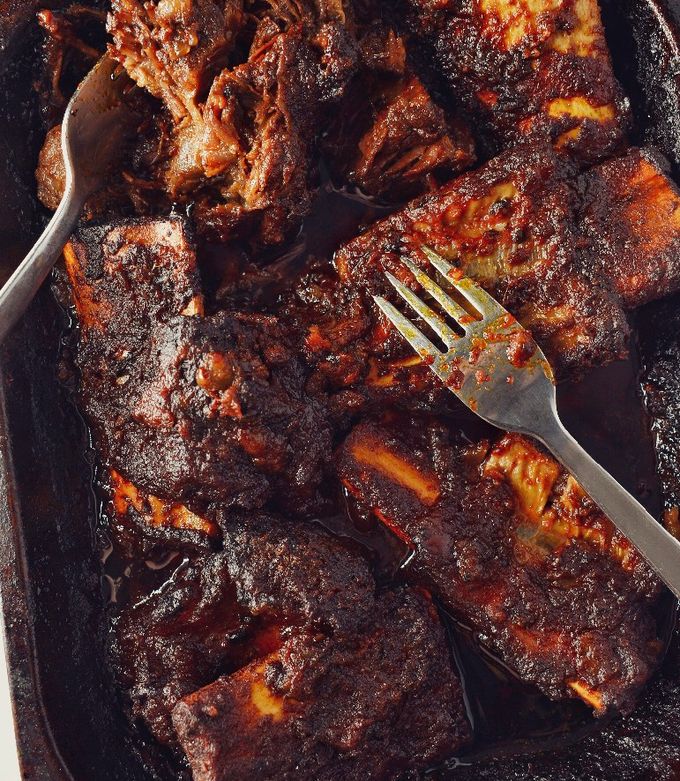
- Surface Color:A rich, mahogany brown color with a slightly caramelized crust signals good caramelization.
- Flex Test:Pick up the ribs with tongs and gently bend them. If they crack but don’t break, they’re tender but still juicy.
- Texture:The meat should feel soft and almost fall off the bone but still hold together when sliced.
Have you ever pulled ribs off the grill too early? The texture can be chewy and disappointing. Next time, try these tips and watch your ribs transform into a melt-in-your-mouth delight.
Credit: cookpad.com
Resting And Serving
Resting and serving beef ribs is crucial for flavor and tenderness. Allow the ribs to rest after grilling to absorb juices. Serve the ribs warm for the best taste experience.
Cooking beef ribs on a gas grill is a delightful experience. After grilling, the resting and serving steps are crucial. This ensures the ribs are juicy and flavorful. Proper resting allows the juices to redistribute evenly. Serving them right enhances your grilling success.
Resting Time Importance
Resting beef ribs is essential after grilling. Let the ribs rest for 10-15 minutes. This time allows the juices to redistribute. It keeps the meat tender and moist. If cut too soon, juices will escape. The ribs may become dry and less flavorful. Use this time wisely for other preparations.
Serving Suggestions
Serve beef ribs in a simple yet appealing way. Slice the ribs between the bones. Arrange them neatly on a large platter. Garnish with fresh herbs like parsley or thyme. This adds a pop of color and aroma. Use a sharp knife for clean cuts. This ensures a neat presentation.
Pairing With Sides And Sauces
Choose sides that complement the rich flavor of beef ribs. Consider classic coleslaw or potato salad. Corn on the cob makes a sweet addition. Grilled vegetables add a smoky touch. Offer a variety of sauces for dipping. Barbecue sauce and chimichurri are popular choices. Adjust the spice level to your preference.
Troubleshooting Common Issues
Cooking beef ribs on a gas grill can be rewarding but also tricky. Problems like dry ribs, uneven cooking, and flare-ups can spoil your meal. Knowing how to fix these common issues helps you get tender, juicy ribs every time.
Dry Or Tough Ribs
Dry ribs happen when meat loses too much moisture. Overcooking or high heat causes this problem. Start by using low and slow cooking. Keep the grill temperature around 225°F to 250°F. Wrap ribs in foil during cooking to lock in moisture. Basting with a sauce or marinade helps keep ribs juicy. Let ribs rest after grilling to keep juices inside.
Uneven Cooking
Gas grills often have hot and cool spots. This causes some ribs to cook faster than others. Use indirect heat by turning off burners under the ribs. Place ribs over cooler areas. Rotate ribs every 20 to 30 minutes for even cooking. Use a meat thermometer to check doneness across ribs. Aim for 190°F internal temperature for tender ribs.
Flare-ups And Safety Tips
Flare-ups happen when fat drips on the flames. They burn the ribs and cause smoke. Trim excess fat before grilling. Keep a spray bottle with water nearby to control flames. Avoid opening the grill lid often; it feeds oxygen to the fire. Use long tongs to move ribs safely. Always keep a fire extinguisher close when grilling.

Credit: www.tasteofhome.com
Frequently Asked Questions
How Long To Cook Beef Ribs On A Gas Grill?
Cook beef ribs on a gas grill for 2. 5 to 3 hours. Use indirect heat at 275°F. Turn ribs occasionally for even cooking and tenderness.
What Temperature Is Best For Grilling Beef Ribs?
Maintain a gas grill temperature of 275°F for beef ribs. This low heat cooks ribs slowly, ensuring juicy and tender meat.
Should I Marinate Beef Ribs Before Grilling?
Marinating beef ribs enhances flavor and tenderness. Use a marinade with acidic ingredients like vinegar or citrus. Marinate ribs for at least 2 hours or overnight.
How Do I Prevent Beef Ribs From Drying Out?
Use indirect heat and keep the grill covered. Baste ribs with sauce or marinade during cooking. Adding a water pan inside the grill also helps retain moisture.
Conclusion
Grilling beef ribs on a gas grill takes patience and care. Keep the heat low and cook ribs slowly for tender results. Use your favorite spices to add flavor before grilling. Check ribs often to avoid burning. Rest the meat after cooking to keep it juicy.
Enjoy your tasty beef ribs with friends or family. Simple steps, great taste. Try this method for delicious ribs every time.