Cooking a turkey can feel like a big challenge, but it doesn’t have to be. If you have an electric roasting pan, you already have a powerful tool that makes the process easier and more foolproof.
Imagine juicy, golden-brown turkey with crispy skin, all cooked evenly without standing over the stove. You’re about to learn simple steps that will help you use your electric roasting pan to its full potential. By the end of this article, you’ll know exactly how to cook a perfect turkey that will impress your family and friends every time.
Ready to take the stress out of your next holiday meal? Let’s get started!

Credit: www.food.com
Choosing The Right Turkey
Choosing the right turkey is the first step to a delicious meal in an electric roasting pan. The turkey you pick affects cooking time and flavor. Think about freshness, size, and how to prepare it before cooking. Each choice makes a difference in your final dish.
Fresh Vs Frozen
Fresh turkeys offer a natural taste and moist texture. They do not need thawing, saving time. Frozen turkeys are common and often less expensive. Thaw them fully before cooking to avoid uneven heat. Both types work well in an electric roasting pan. Fresh turkeys require less preparation. Frozen ones need patience for proper thawing.
Size Considerations
Choose a turkey size based on the number of guests. A general rule is 1 to 1.5 pounds per person. Small turkeys cook faster and fit easily in the pan. Large turkeys take longer and need a bigger pan. Consider your roasting pan size before buying. Proper size ensures even cooking and juicy meat.
Preparing For Cooking
Remove giblets and neck from the turkey cavity. Rinse the turkey with cold water and pat dry. Let the turkey sit at room temperature for 30 minutes. This helps it cook evenly in the pan. Season the bird inside and out with salt and spices. Stuffing is optional but can add flavor. Proper preparation leads to a tasty, well-cooked turkey.
Credit: www.food.com
Preparing The Roasting Pan
Preparing the roasting pan is a key step to cook a juicy turkey. Proper setup ensures even heat and enhances flavor. The right electric roasting pan helps cook the bird thoroughly and keeps it moist. Simple preparations can make a big difference in your turkey’s taste and texture.
Selecting The Electric Roasting Pan
Choose a pan large enough for your turkey. The bird should fit comfortably without touching the sides. A pan with a lid helps keep moisture inside. Look for one with a non-stick surface to prevent sticking. Check the temperature control for easy adjustments.
Setting Up For Even Cooking
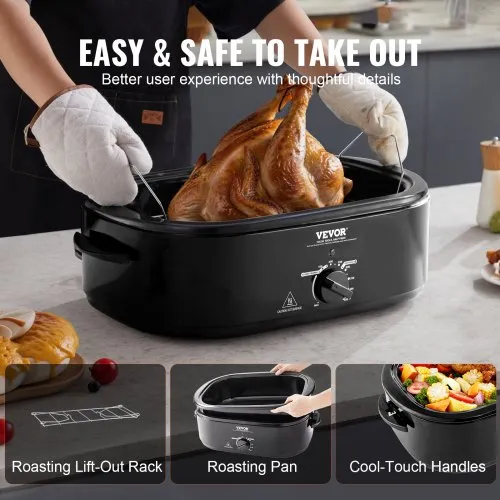
Place the rack inside the pan to lift the turkey. This lets heat circulate under the bird. Arrange the turkey breast side up for uniform cooking. Plug in the pan and preheat it to the recommended temperature. Avoid opening the lid often to keep heat steady.
Adding Flavor Enhancers
Place sliced onions, carrots, and celery in the pan bottom. These vegetables add moisture and taste to the turkey. Add herbs like rosemary, thyme, or sage for aroma. Pour a small amount of broth or water to create steam. This helps keep the turkey juicy during cooking.
Seasoning The Turkey
Seasoning the turkey is key to a juicy, flavorful meal. A well-seasoned bird brings out natural tastes and adds depth. The electric roasting pan cooks evenly, so the spices and herbs have time to soak in. Simple seasoning techniques work best and help keep flavors balanced.
Simple Rubs And Marinades
Rubs and marinades give the turkey a tasty crust and moist inside. Use a mix of salt, pepper, garlic powder, and paprika for a basic rub. Olive oil helps spices stick and adds richness. For marinades, combine lemon juice, soy sauce, honey, and herbs. Let the turkey sit in the marinade for at least two hours or overnight in the fridge. This softens the meat and boosts flavor.
Stuffing Options
Stuffing adds flavor and moisture inside the turkey. Traditional bread stuffing with onions, celery, and sage works well. For a simpler option, use cooked rice mixed with herbs and chopped nuts. Another choice is stuffing with fruits like apples or cranberries. These add a sweet contrast. Do not pack the stuffing too tightly to allow heat circulation during cooking.
Brining Tips
Brining keeps the turkey juicy by locking in moisture. Use a saltwater solution with sugar and spices. Submerge the bird completely in the brine for 8 to 12 hours. Keep it in the fridge during this time. Rinse the turkey well after brining and pat it dry before cooking. This step is crucial for a crispy skin and tender meat.
Credit: www.vevor.ca
Cooking Process
Cooking a turkey in an electric roasting pan can be a game-changer for your holiday meals. It's efficient, frees up oven space, and can deliver a juicy, perfectly cooked bird. But to achieve that mouthwatering turkey, understanding the cooking process is essential.
Setting The Temperature
Before you begin, preheat the electric roaster to the recommended temperature of 325°F. Preheating ensures the turkey starts cooking immediately, sealing in juices and flavor. Adjusting the temperature correctly is crucial, as too low might prolong cooking and too high can dry out the meat.
Cooking Times By Weight
Calculating cooking time based on the turkey's weight is key to achieving perfect doneness. Here's a simple guideline:
- 12-14 lbs: 3 to 3.5 hours
- 15-18 lbs: 3.5 to 4 hours
- 19-22 lbs: 4 to 4.5 hours
These times are estimates; individual roaster performance and turkey size can vary. Always keep an eye on your bird as it cooks.
Using A Meat Thermometer
The most reliable way to ensure your turkey is cooked through is by using a meat thermometer. Insert it into the thickest part of the thigh without touching bone. The turkey is safe to eat when it reaches an internal temperature of 165°F. Trust the thermometer more than the clock; it’s your best friend in the kitchen.
Ever had a dry turkey? It's often due to guessing doneness based solely on time. A meat thermometer eliminates this guesswork and ensures your turkey is juicy and delicious.
Maintaining Moisture
Keeping your turkey moist in an electric roasting pan can feel tricky, but it’s all about controlling the environment around the bird. Moisture escapes quickly during cooking, especially with dry heat. You need to create conditions that lock in the natural juices and prevent the turkey from drying out.
Basting Techniques
Basting is a simple yet effective way to keep your turkey juicy. Use a spoon or bulb baster to scoop up the pan juices and pour them over the turkey every 20 to 30 minutes. This not only adds moisture but also helps build a flavorful, golden-brown skin.
Try mixing melted butter or olive oil with herbs and a little broth for basting liquid. It adds richness and keeps the surface from drying out. Avoid opening the lid too often, though—each peek lets heat escape, which can slow cooking and dry the meat.
Covering The Turkey
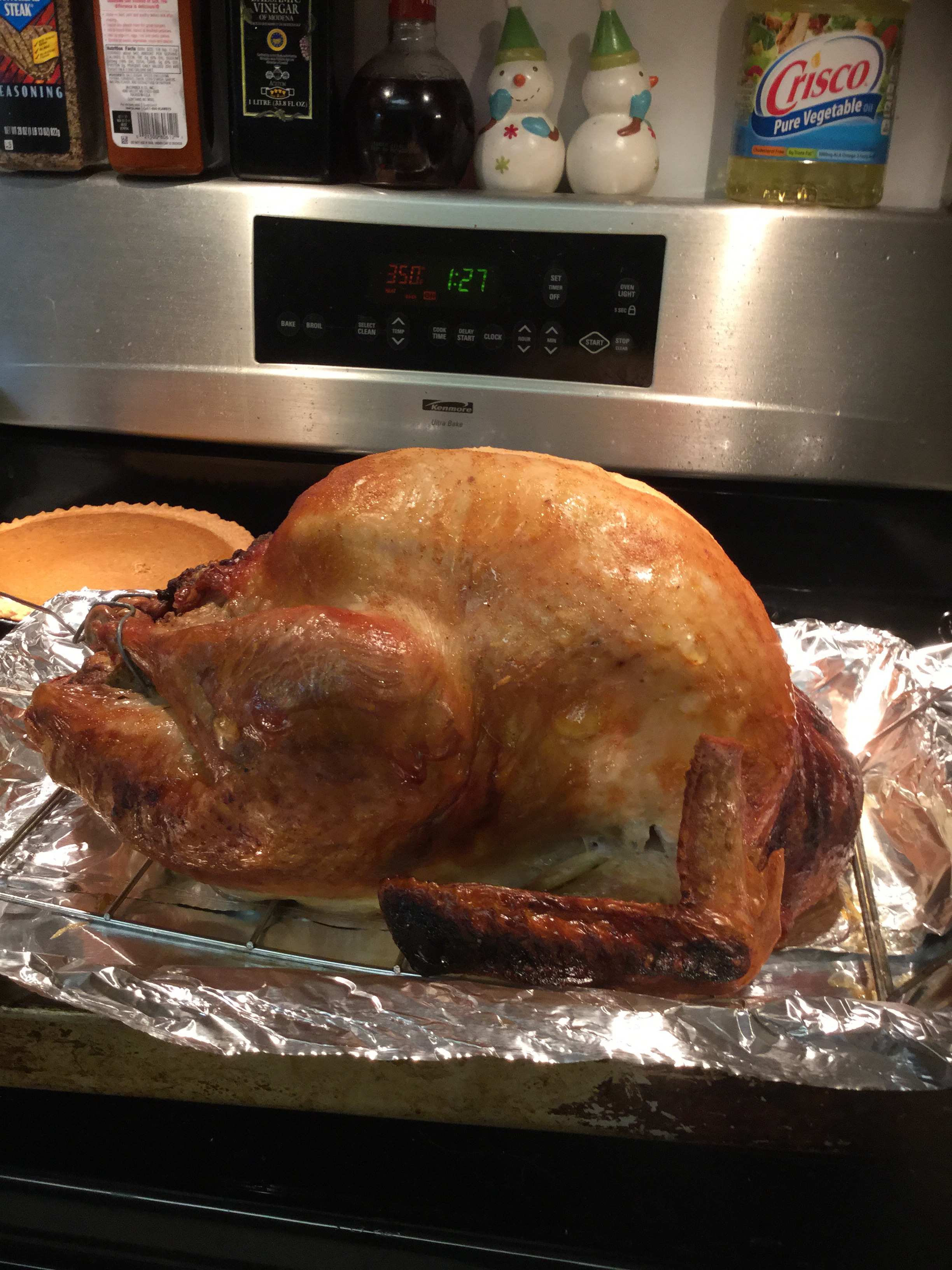
Covering your turkey with foil or a lid traps steam and moisture inside the pan. This creates a humid environment that helps the bird cook evenly and stay tender. If you notice the skin isn’t browning enough, remove the cover during the last 30 minutes of cooking.
Using foil, tent it loosely over the turkey without pressing down on the breast. This prevents the foil from sticking and allows hot air to circulate. You’ll find that keeping the turkey covered for most of the cooking time results in much juicier meat.
Resting After Cooking
After the turkey finishes cooking, resist the urge to carve it immediately. Resting allows the juices to redistribute throughout the meat, making every bite moist and flavorful. Tent the bird with foil and let it rest for at least 20 minutes before slicing.
Cutting too soon lets the juices escape onto the cutting board, drying out the meat. Think of resting as the final step that seals in all the moisture you worked hard to preserve during cooking.
Serving And Storage
Serving and storing turkey cooked in an electric roasting pan requires some care. Proper carving enhances the eating experience. Storing leftovers correctly keeps the turkey fresh and safe. Reheating methods affect taste and texture. Follow these tips to enjoy your turkey beyond the first meal.
Carving Tips
Let the turkey rest for at least 20 minutes before carving. This helps the juices settle inside. Use a sharp carving knife for clean slices. Start by cutting along the breastbone to remove the breast meat. Slice the breast meat thinly against the grain. Remove the legs and thighs by cutting at the joints. Slice the dark meat into bite-sized pieces. Arrange slices neatly on a serving platter. Serve with any pan juices or gravy for extra flavor.
Leftover Storage
Cool leftover turkey quickly to avoid bacteria growth. Place turkey in shallow airtight containers. Store in the refrigerator within two hours of cooking. Use leftovers within 3 to 4 days for best quality. For longer storage, freeze turkey in freezer bags or containers. Label with date and use within 2 to 6 months. Thaw frozen turkey safely in the fridge before reheating.
Reheating Methods
Reheat turkey gently to keep it moist and tender. Use a low oven temperature around 325°F (160°C). Cover turkey with foil to prevent drying out. Microwave can be used but heat in short bursts. Add a splash of broth or water before reheating. Check temperature and stop when turkey is warm throughout. Avoid overheating as it can make meat tough and dry.
Troubleshooting Common Issues
Troubles with cooking a turkey in an electric roasting pan can happen. Common problems include dryness, uneven cooking, and pan issues. These problems can affect your meal’s taste and texture. Knowing simple fixes helps keep your turkey juicy and well-cooked. Here are solutions to common issues to improve your cooking experience.
Dry Turkey Fixes
- Use a meat thermometer to avoid overcooking the turkey.
- Cover the turkey with foil partway through cooking to retain moisture.
- Baste the turkey with its juices every 30 minutes for extra moisture.
- Add broth or water to the pan to keep the environment humid.
- Let the turkey rest after cooking to keep juices inside.
Uneven Cooking Solutions
- Arrange the turkey so it fits comfortably without touching the pan sides.
- Check the pan’s heat distribution and adjust the temperature if needed.
- Rotate the turkey halfway through cooking for even heat exposure.
- Use the electric pan’s lid to trap heat and cook evenly.
- Place vegetables or a rack under the turkey for better air flow.
Pan Maintenance
- Clean the pan thoroughly after each use to avoid leftover residue.
- Use non-abrasive sponges to protect the pan’s surface.
- Check the electrical cord and plug for damage before cooking.
- Do not immerse the electric parts in water; clean only the pan insert.
- Store the pan in a dry place to prevent rust and damage.
Frequently Asked Questions
How Long To Cook Turkey In Electric Roasting Pan?
Cook turkey about 13-15 minutes per pound at 325°F. Use a meat thermometer to check for 165°F internal temperature. Adjust time for turkey size and stuffing.
Can I Cook Stuffed Turkey In Electric Pan?
Yes, you can cook stuffed turkey in an electric roasting pan. Ensure stuffing reaches 165°F for safety. Cooking time may increase slightly with stuffing.
Should I Cover Turkey When Roasting In Electric Pan?
Cover turkey loosely with foil during first half of cooking. Remove foil to brown skin in last 30 minutes. This keeps meat moist and crispy.
How To Prevent Turkey From Drying In Electric Pan?
Baste turkey every 30 minutes with pan juices. Use a roasting rack to elevate turkey. Cook at consistent temperature to retain moisture.
Conclusion
Cooking a turkey in an electric roasting pan is simple and effective. You control the heat well, so the bird cooks evenly. This method saves time and keeps the kitchen cooler. Remember to check the turkey’s temperature for safety. Let the turkey rest before carving to keep it juicy.
Try this easy way for your next holiday meal. Enjoy a tender, flavorful turkey with less fuss. Give it a try and taste the difference yourself!