Is your old refrigerator showing signs of mold? That stubborn mold not only smells bad but can also be a health risk for you and your family.
You might feel overwhelmed just thinking about cleaning it. But don’t worry—cleaning mold from your fridge is easier than you think. You’ll discover simple, effective steps to get rid of mold and make your refrigerator fresh and safe again. Keep reading, and you’ll learn how to tackle this problem quickly and confidently.
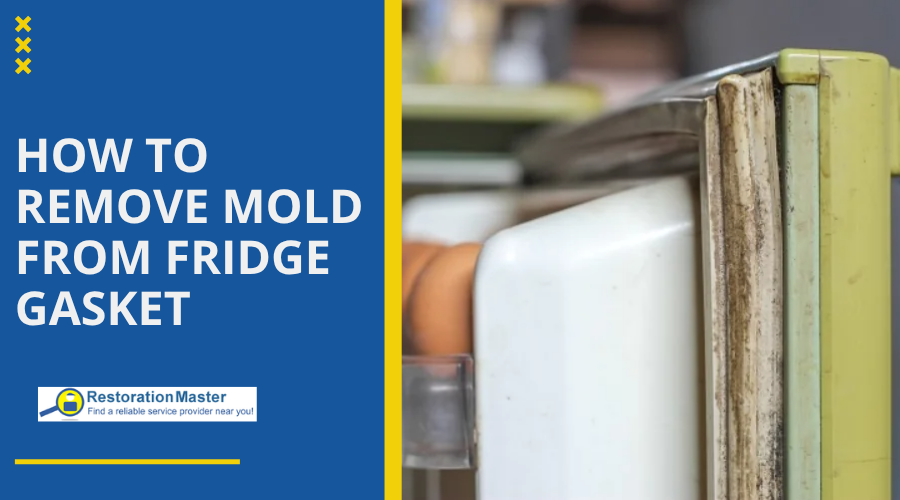
Credit: restorationmasterfinder.com
Assessing The Mold Situation
Assessing the mold situation is a crucial first step before cleaning an old refrigerator. It helps you understand the type of mold and how serious the problem is. This knowledge guides your cleaning approach and safety measures.
Identifying Mold Types
Mold can appear in different colors like black, green, white, or gray. Some molds grow fuzzy or slimy. Black mold is common in refrigerators and can be harmful. White mold often looks powdery and is less dangerous but still needs removal.
Check for musty odors, which often signal mold presence. You can use a flashlight to spot hidden mold in corners and seals. Always wear gloves and a mask during inspection to avoid breathing spores.
Evaluating Mold Severity
Look at the size of the mold patches. Small spots under 10 square inches are easier to clean. Larger or spreading mold may need professional help. Mold inside insulation or behind panels is a serious issue.
Assess if the mold has caused damage to the fridge’s materials. Soft, crumbling parts mean deep mold growth. Check if the fridge smells strongly of mold even after cleaning attempts. This could mean persistent contamination.
Gathering Necessary Supplies
Before tackling the moldy old refrigerator, it’s crucial to gather the right supplies. Having everything on hand makes the cleaning process smoother and safer. You don’t want to pause midway because you’re missing a tool or cleaner.
Choosing Cleaning Agents
Pick cleaning agents that effectively kill mold without damaging your fridge. A mixture of white vinegar and water works well and is safe for most surfaces. If the mold is stubborn, a solution with a small amount of bleach can help—but be cautious with bleach around food areas.
Consider using baking soda for scrubbing, as it’s gentle yet effective. Avoid harsh chemicals that produce strong fumes or leave residues. Think about your family’s health—especially if you have pets or kids around.
Essential Cleaning Tools
Gather tools that make the job easier and more thorough. You’ll need rubber gloves to protect your hands and a mask to avoid breathing in mold spores.
- Soft scrub brushes or old toothbrushes to reach tight spots
- Microfiber cloths or sponges for wiping surfaces
- A spray bottle to apply cleaning solutions evenly
- A bucket for mixing cleaning agents
- Plastic bags for safely disposing of moldy debris
Having these tools ready prevents frustration and helps you focus on cleaning efficiently. What’s the last thing you grabbed when you started a tough cleaning job? Chances are, having the right tools made all the difference.
Preparing The Refrigerator
Preparing the refrigerator is the first crucial step in cleaning mold. This phase ensures safety and makes the cleaning process easier. Proper preparation helps avoid spreading mold spores around your kitchen.
Unplugging And Emptying
Always unplug the refrigerator before starting. This prevents any risk of electric shock. Next, remove all food items carefully. Check for spoiled or moldy food and throw it away immediately. Emptying the fridge fully allows better access to all moldy areas.
Removing Shelves And Drawers
Take out all shelves and drawers from the fridge. This helps clean every corner where mold hides. Use warm water and soap to wash these parts separately. Dry them completely before putting them back inside. Removing these components also makes it easier to clean the interior walls.

Credit: www.reddit.com
Cleaning The Interior Surfaces
Cleaning the interior surfaces of an old refrigerator with mold requires careful attention. Mold can hide in corners, seals, and shelves. Thorough cleaning stops mold growth and removes odors. Use safe, effective cleaning solutions and proper techniques. Protect yourself with gloves and a mask before starting.
Applying Cleaning Solutions
Choose a cleaning solution that kills mold and is safe for refrigerators. A mix of one part white vinegar and one part water works well. Baking soda dissolved in warm water also helps remove stains and smells.
- Spray or apply the solution evenly on all interior surfaces.
- Focus on corners, rubber seals, and shelves where mold grows.
- Let the solution sit for 10 to 15 minutes to break down mold.
Avoid harsh chemicals that can damage surfaces or leave strong smells.
Scrubbing And Wiping Techniques
Use a soft brush or sponge to scrub surfaces gently. Avoid abrasive materials that can scratch the refrigerator. Pay extra attention to mold spots and textured areas.
- Scrub in small circular motions to lift mold effectively.
- Wipe away loosened mold and cleaning solution with a clean cloth.
- Rinse the cloth often to avoid spreading mold spores.
Dry all surfaces thoroughly with a clean towel to stop mold growth. Leave the door open for air circulation if possible.
Dealing With Persistent Mold
Persistent mold in an old refrigerator can be stubborn and frustrating. It often hides in corners and seals, making simple cleaning ineffective. Tackling this problem requires a strategic approach to remove mold safely and prevent it from returning.
Using Natural Remedies
Natural remedies offer a gentle but effective way to combat mold. White vinegar is a top choice because it kills most mold species without harsh chemicals. Spray undiluted vinegar directly on the moldy areas and let it sit for an hour before wiping clean.
Baking soda is another powerful ally. Mix it with water to form a paste and apply it to the affected spots. Its mild abrasiveness helps scrub away mold while deodorizing your fridge.
Have you tried tea tree oil? Just a few drops mixed with water can stop mold growth thanks to its antifungal properties. Use a spray bottle and apply it to the moldy surfaces, then leave it to dry naturally.
Utilizing Commercial Cleaners
If natural remedies don’t fully clear the mold, commercial cleaners can be your next step. Look for products labeled as mold and mildew removers, but check that they are safe for refrigerator interiors. Follow the instructions carefully to avoid damaging any fridge components.
Wear gloves and ensure good ventilation when using these cleaners. Some strong chemicals might irritate your skin or respiratory system. Testing a small hidden area first can prevent unexpected damage.
Did you know that some commercial products contain bleach while others use hydrogen peroxide? Both are effective, but bleach is more aggressive. Choose based on how tough the mold is and your comfort with chemical use.

Credit: www.reddit.com
Cleaning Shelves And Drawers
Cleaning the shelves and drawers of an old refrigerator with mold is crucial to restoring a safe and fresh environment for your food. These parts often trap moisture and dirt, making them prime spots for mold growth. Taking the time to thoroughly clean and sanitize them will help prevent mold from returning and keep your fridge smelling clean.
Soaking And Scrubbing
Remove all shelves and drawers carefully to avoid spreading mold spores inside the fridge. Fill a basin or sink with warm water and add a few tablespoons of baking soda or white vinegar, both excellent natural cleaners against mold.
Let the shelves and drawers soak for at least 15 to 20 minutes. This loosens any stuck-on grime and mold, making scrubbing easier.
Use a soft-bristle brush or sponge to scrub every corner, especially rubber seals and grooves where mold hides. Don’t rush this step—pay attention to areas that look stained or slimy.
Drying And Reinstalling
After scrubbing, rinse each piece thoroughly with clean water to remove any leftover cleaner or mold residue. Mold thrives in moisture, so drying is just as important as cleaning.
Use a clean towel to dry the shelves and drawers completely, or let them air dry in a sunny spot if possible. Sunlight helps kill remaining mold spores naturally.
Once fully dry, carefully reinstall the shelves and drawers into your refrigerator. Consider leaving the fridge door open for a short while to air out any lingering dampness or odors.
Sanitizing And Deodorizing
Sanitizing and deodorizing an old refrigerator with mold is crucial for safe food storage. Proper cleaning kills mold spores and removes bad smells. This step makes the fridge fresh and healthy again.
Effective Sanitizing Methods
Use a mixture of water and white vinegar to sanitize surfaces. Vinegar kills most mold and bacteria without harsh chemicals. Spray the solution on shelves and walls, then wipe with a clean cloth.
Another option is a baking soda paste. Mix baking soda with water to form a thick paste. Apply it to moldy spots and scrub gently with a brush. Rinse thoroughly afterward.
For stronger sanitation, diluted bleach works well. Mix one tablespoon of bleach in one gallon of water. Apply carefully and avoid mixing with other cleaners. Ventilate the area and wear gloves for safety.
Neutralizing Odors
Place open boxes of baking soda inside the fridge to absorb odors. Replace them every few months for continuous freshness.
Activated charcoal also helps absorb bad smells. Put a few pieces in a shallow container and leave it inside the fridge overnight.
Allow the fridge to air out by leaving the door open for several hours. Fresh air helps reduce lingering odors naturally.
Preventing Future Mold Growth
Preventing mold from returning to your refrigerator is just as important as cleaning it. Mold thrives in damp, warm environments, so keeping your fridge dry and cool is key. Let’s look at how you can maintain the right conditions and keep your fridge fresh with simple habits.
Maintaining Ideal Temperature
Keeping your refrigerator at the right temperature slows mold growth. Aim to keep the fridge temperature between 37°F and 40°F (3°C to 4°C). This range keeps your food safe and discourages mold spores from multiplying.
Check your fridge’s thermometer regularly. If you don’t have one, consider buying a small appliance thermometer. It helps you catch temperature fluctuations early before mold gets a chance to settle in.
Regular Cleaning Schedule
Cleaning your fridge often stops mold before it starts. Wipe spills immediately and remove expired food weekly. This reduces moisture and food debris where mold loves to grow.
Try setting a reminder on your phone or calendar for monthly deep cleanings. Use a mix of warm water and baking soda or vinegar to clean shelves and walls. These natural cleaners kill mold spores without harsh chemicals.
Think about your fridge habits: Are you leaving food uncovered? Are containers sealed tightly? Small changes like these can make a big difference in mold prevention. How often do you clean your fridge? Could a simple routine change save you from mold troubles?
Frequently Asked Questions
How Do I Safely Remove Mold From An Old Refrigerator?
Use gloves and a mask to protect yourself. Clean surfaces with a mixture of water and vinegar or baking soda. Avoid harsh chemicals. Wipe thoroughly and ensure the fridge is dry to prevent mold from returning.
What Household Items Clean Mold In Refrigerators Effectively?
White vinegar and baking soda are natural, effective cleaners. Vinegar kills mold spores, while baking soda deodorizes and scrubs. Both are safe for food areas and inexpensive. Avoid bleach as it can damage fridge surfaces.
How Often Should I Clean My Refrigerator To Prevent Mold?
Clean your refrigerator every 3 to 4 months. Regular cleaning removes spills and moisture that cause mold. Check and discard expired food weekly to maintain freshness and hygiene. This routine keeps mold growth under control.
Can Mold In A Refrigerator Affect Food Safety?
Yes, mold can contaminate food and cause health issues. Mold spores spread easily inside the fridge. Always discard moldy food and clean the fridge immediately. Proper cleaning prevents cross-contamination and keeps food safe.
Conclusion
Cleaning an old refrigerator with mold is important for health. Use gentle cleaners and wear gloves to stay safe. Take your time to scrub every corner well. Let the fridge dry completely before using it again. Regular cleaning stops mold from coming back.
A clean fridge keeps your food fresh and safe. Follow these steps to keep your kitchen healthy. Mold won’t stand a chance with good care. Your efforts will make a big difference.