Your refrigerator works hard every day to keep your food fresh and safe. But did you know that a dirty condenser coil can make it struggle more, using extra energy and risking breakdowns?
Cleaning your refrigerator’s condenser coil is easier than you think and can save you money on repairs and electricity bills. In this guide, you’ll learn simple steps to clean your coil quickly and effectively, helping your fridge run smoothly and last longer.
Keep reading to discover how a little maintenance can make a big difference for your appliance and your wallet.
Signs Of Dirty Condenser Coils
Dirty condenser coils can cause many problems for your refrigerator. They block heat from leaving the appliance. This makes the fridge work harder than normal. Recognizing the signs of dirty coils helps you act before damage occurs.
Here are some common signs to watch for:
Reduced Cooling Efficiency
The fridge might not keep food cold enough. Food spoils faster or feels warmer than usual. Cold air flow inside the fridge becomes weaker. This happens because dirty coils cannot release heat well.
Increased Energy Consumption
Your electricity bill may rise without explanation. The fridge runs longer to maintain cold temperatures. Dust and dirt force the compressor to work harder. This extra effort uses more power and wastes energy.
Unusual Noises From Refrigerator
Loud or strange sounds can come from the fridge. The compressor or fans may struggle due to dirty coils. You might hear buzzing, humming, or rattling noises. These sounds signal the fridge is under stress.
Tools And Materials Needed
Cleaning the condenser coil on a refrigerator requires specific tools and materials. Using the right items ensures a thorough and safe cleaning process. Prepare everything before starting to make the task easier and faster.
Soft Brush Or Coil Cleaning Brush
A soft brush helps remove dust and dirt without damaging the coil. A coil cleaning brush is designed to fit between the coil fins. Both options clean gently and reach tight spaces well.
Vacuum Cleaner With Brush Attachment
A vacuum cleaner with a brush attachment sucks away loose debris effectively. The brush attachment loosens dirt for better suction. This tool helps keep the area clean and reduces allergens.
Screwdriver
A screwdriver is often needed to remove the refrigerator’s access panel. Choose the right size to avoid stripping screws. It makes reaching the coils easier and safer.
Protective Gloves And Mask
Wear protective gloves to keep hands safe from sharp edges. A mask prevents breathing in dust and allergens. These protect your health during the cleaning process.
Preparing The Refrigerator
Preparing your refrigerator before cleaning the condenser coils is important. It ensures safety and makes the cleaning process easier. Taking a few simple steps helps protect the appliance and yourself from any accidents.
Unplugging The Appliance
Always unplug the refrigerator before starting any cleaning. This stops the power and lowers the risk of electric shock. Pull the plug from the wall socket carefully. Avoid touching any wet parts of the fridge while unplugging.
Locating The Condenser Coils
Find the condenser coils on your refrigerator. They are usually at the back or beneath the fridge. Check the user manual if you are unsure. Clean coils improve cooling and save energy. Knowing their exact place makes cleaning faster and more effective.
Clearing The Area Around The Fridge
Move items away from the fridge to create space. Clear dust, dirt, or clutter around the appliance. This gives you easy access to the coils and better air circulation. A clean area helps you work without obstacles and keeps the floor safe.

Credit: www.searspartsdirect.com
Cleaning The Coils
Cleaning the condenser coils on your refrigerator is an essential task that keeps your appliance running efficiently. Over time, dust and debris build up on these coils, making your fridge work harder and increasing energy consumption. Taking the time to clean them can extend the life of your refrigerator and save you money on electricity bills.
Removing The Access Panel
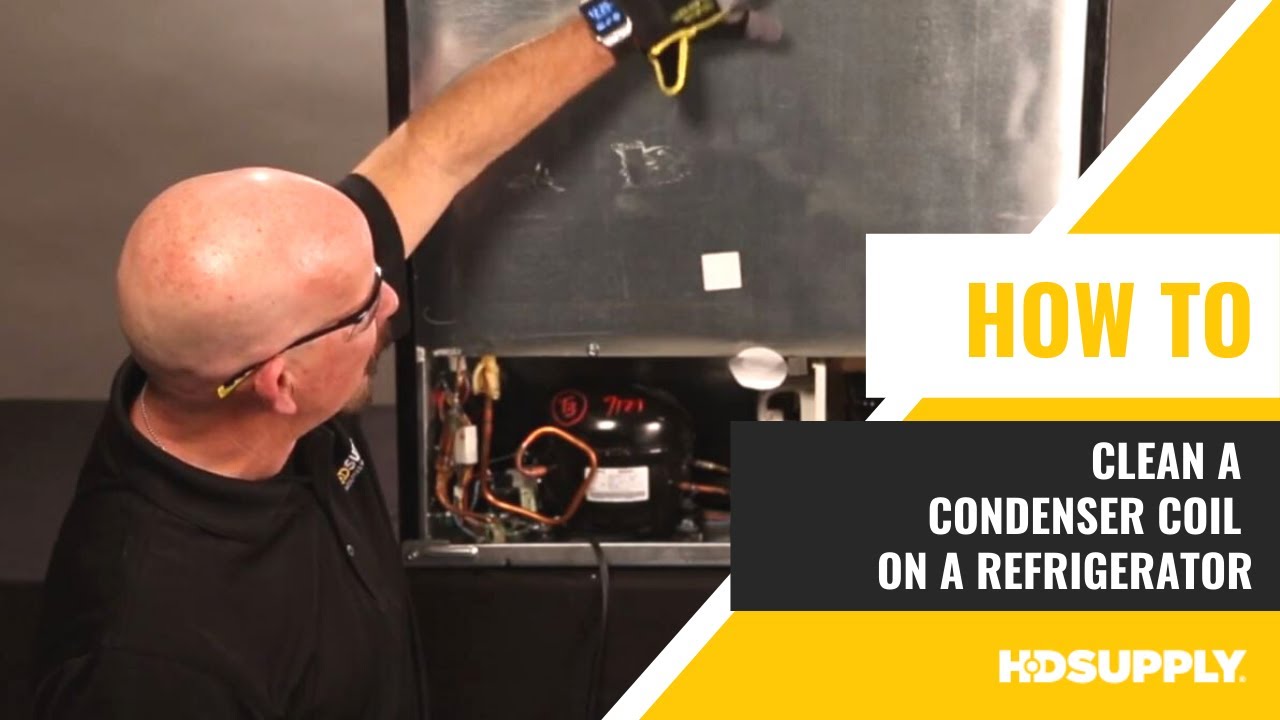
Start by unplugging your refrigerator to ensure safety. Locate the access panel, usually found at the back or beneath the fridge. Use a screwdriver to carefully remove the screws holding the panel in place, then set the panel aside.
Have you noticed how many refrigerators hide their coils behind panels? It’s easy to overlook this step, but accessing the coils properly makes the cleaning process much more effective.
Brushing Off Dust And Debris
Use a soft brush or a coil cleaning brush to gently sweep away loose dust and dirt from the coils. Pay close attention to hard-to-reach areas where debris tends to accumulate. Avoid using a wire brush, as it can damage the delicate fins on the coils.
Brushing off the dust first prevents you from pushing dirt further into the coils when vacuuming. This simple step saves time and effort later on.
Vacuuming The Coils Thoroughly
Next, take a vacuum cleaner with a narrow nozzle attachment and carefully vacuum the coils. Move slowly to ensure you remove all remaining dust and debris. Be gentle but thorough to avoid bending the coil fins.
Ask yourself: when was the last time you gave your refrigerator coils this level of attention? Regular vacuuming can reduce the strain on your fridge and help it run more quietly.
Final Steps
The final steps in cleaning your refrigerator's condenser coil are crucial. Completing these tasks ensures your appliance runs smoothly. Follow these steps carefully to wrap up the process.
Reattaching The Access Panel
Begin by reattaching the access panel. Align it with the screw holes for a snug fit. Secure it using the screws you removed earlier. This keeps dust and debris away from the coil.
Plugging The Refrigerator Back In
Next, plug the refrigerator back into the power outlet. Ensure the plug fits securely. This will power up the appliance and return it to working condition.
Checking For Proper Operation
Observe the refrigerator to ensure it's working correctly. Listen for any unusual noises that might indicate a problem. Check the temperature inside after a few hours to confirm cooling efficiency.
Credit: www.youtube.com
Maintenance Tips
Maintaining the condenser coil on your refrigerator keeps it running well. Simple care helps avoid costly repairs and improves energy use. Follow these easy tips to keep your coil clean and your fridge efficient.
Cleaning Frequency
Clean the condenser coil at least twice a year. In dusty homes or with pets, clean every three months. Regular cleaning stops dust build-up that blocks airflow. A clean coil cools better and uses less power.
Keeping The Area Ventilated
Clear space around the refrigerator for good airflow. Avoid placing the fridge too close to walls or cabinets. Proper ventilation helps the coil release heat. This reduces strain on the fridge’s motor and saves energy.
Regularly Inspecting For Dust Buildup
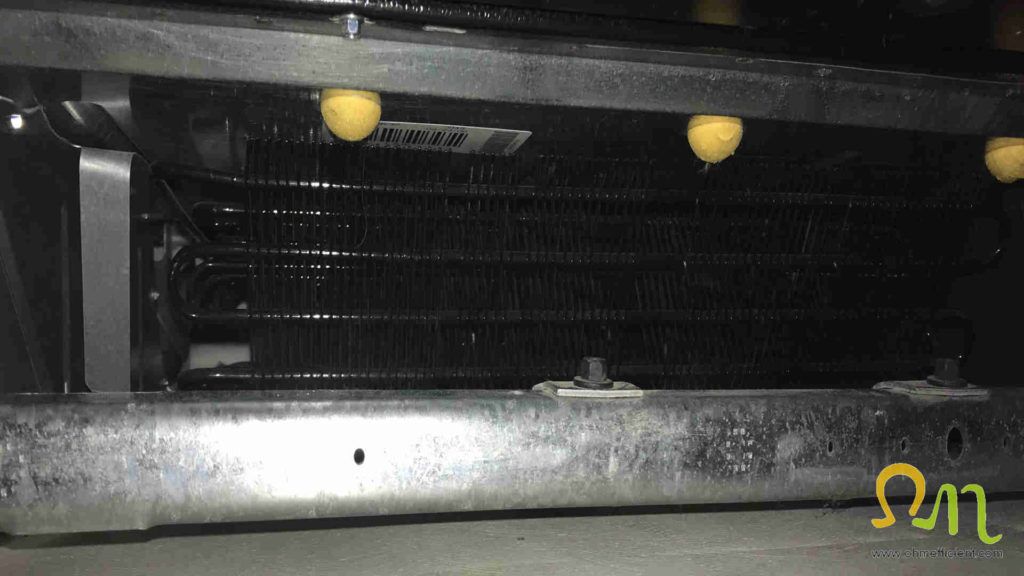
Check the coil often for dust and debris. Use a soft brush or vacuum to remove dirt gently. Look for signs like dust clumps or pet hair. Early cleaning prevents the coil from overheating and keeps your fridge cool.
Credit: ohmefficient.com
Frequently Asked Questions
How Often Should I Clean Refrigerator Condenser Coils?
Clean condenser coils every 6 months to maintain efficiency. Dust buildup causes the fridge to work harder. Regular cleaning saves energy and extends appliance life.
What Tools Do I Need To Clean Condenser Coils?
Use a coil cleaning brush, vacuum cleaner with a brush attachment, and a soft cloth. These tools safely remove dust without damaging the coils.
Can I Clean Condenser Coils Without Unplugging The Fridge?
No, always unplug the refrigerator before cleaning. This prevents electrical shock and protects the appliance’s components during maintenance.
What Are Signs Of Dirty Condenser Coils?
Look for warm fridge exterior, increased energy bills, or poor cooling. These indicate dust-clogged coils need cleaning for optimal performance.
Conclusion
Cleaning your refrigerator’s condenser coil keeps it working well. Dust and dirt can block the coil and cause problems. Regular cleaning helps save energy and extends the fridge’s life. Use a brush or vacuum to remove debris gently. Remember to unplug the fridge before you start.
Taking these simple steps prevents costly repairs later. Keep your fridge cool and efficient with easy coil care. Small efforts make a big difference in daily kitchen life.