Are you tired of opening your freezer to find it covered in a thick layer of frost? Frost buildup not only wastes space but can also affect the quality of your food.
The good news is, you don’t have to deal with this frustrating problem anymore. You’ll discover simple, practical tips that help you keep your freezer frost-free. By learning how to avoid frosting in your freezer, you’ll save time, protect your food, and make your freezer work better for you.
Keep reading to find out how easy it is to say goodbye to frost for good!

Credit: www.abt.com
Causes Of Freezer Frosting
Freezer frosting occurs when ice crystals build up inside the freezer. This problem reduces freezer space and can affect food quality. Understanding what causes frosting helps prevent it effectively.
Moisture And Temperature Fluctuations
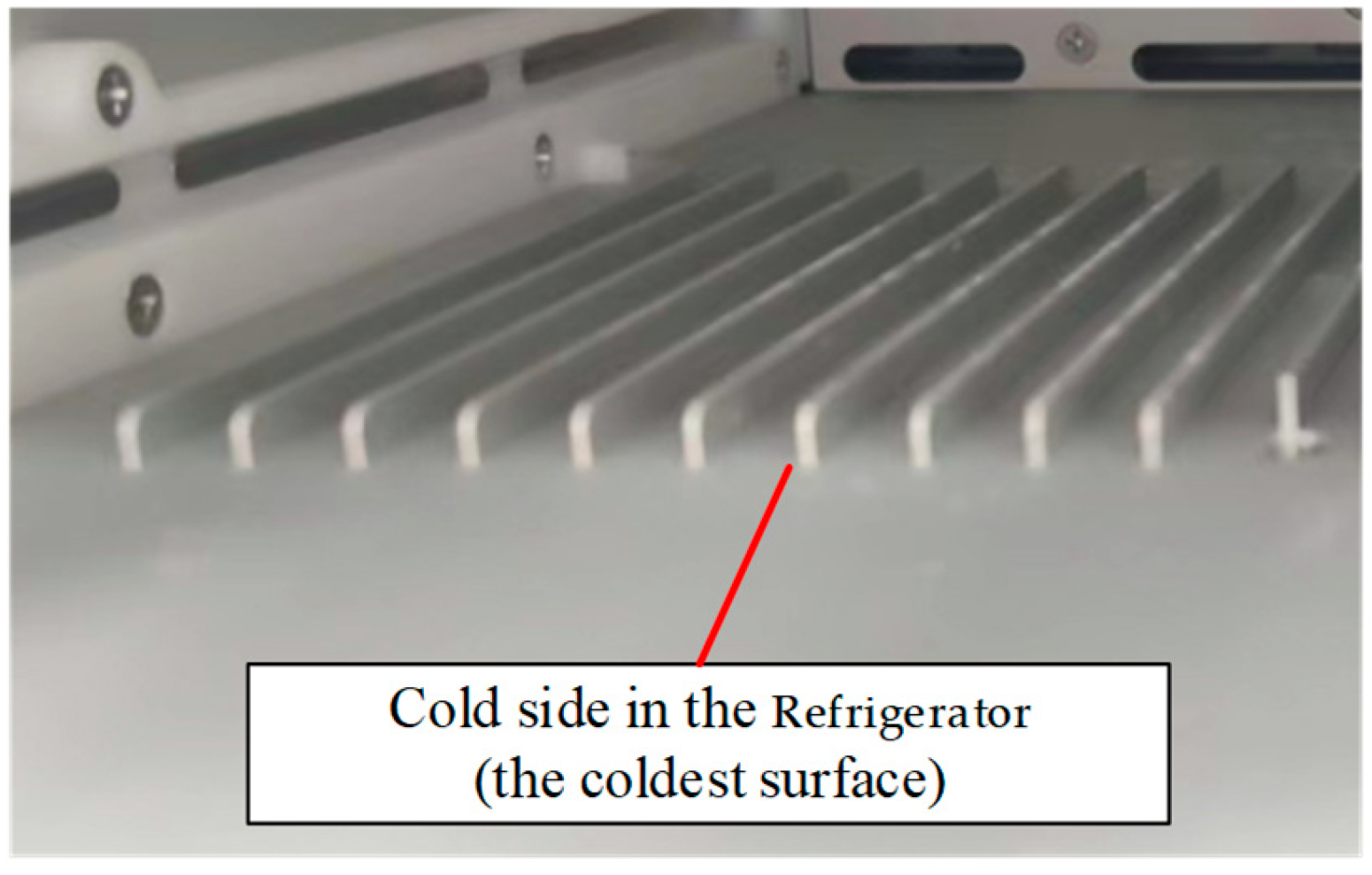
Moisture in the freezer turns into frost when temperatures change. Warm air entering the freezer carries water vapor. This vapor freezes on cold surfaces, creating frost. Temperature swings inside the freezer cause ice to form repeatedly. Stable, cold temperatures help reduce frost buildup.
Frequent Door Opening
Opening the freezer door often lets warm air inside. This air brings moisture that turns into frost. The longer the door stays open, the more moisture enters. Closing the door quickly limits frost formation. Avoid leaving the freezer door open for long periods.
Improper Food Storage
Uncovered or poorly sealed food releases moisture into the freezer. This moisture contributes to frost buildup. Using airtight containers or freezer bags keeps moisture inside the food. Proper food storage helps maintain a dry freezer environment and prevents frost.
Credit: www.mdpi.com
Choosing The Right Freezer
Choosing the right freezer plays a crucial role in preventing frosting issues. The type of freezer you pick directly affects how often you’ll need to defrost and how well your food stays fresh. Understanding the differences and sizing it right can save you time and frustration.
Frost-free Vs Manual Defrost
Frost-free freezers use a built-in fan to circulate dry air, preventing ice buildup automatically. This means you rarely need to defrost it manually, which is a huge convenience if you want to avoid frosting altogether.
Manual defrost freezers, on the other hand, require you to turn off the freezer and remove ice buildup regularly. While they can be more energy-efficient and often cheaper, you’ll need to stay on top of defrosting to stop frost from piling up.
Think about how much time you want to spend maintaining your freezer. Would you prefer the ease of frost-free or the lower cost but more hands-on approach of manual defrost?
Size And Capacity Considerations
Choosing the right size freezer affects how well it maintains temperature and controls moisture. A freezer that’s too full restricts air circulation, increasing frost buildup. Too empty, and it uses more energy and can lead to temperature fluctuations.
Consider your household’s storage needs carefully. If you stock up on frozen foods regularly, a larger freezer with good airflow is essential to reduce frost. For smaller needs, a compact model can be more efficient and easier to manage.
Ask yourself: How much frozen food do you really store? Are you buying in bulk, or just enough for a week or two? This will guide you to a freezer size that helps avoid frosting while fitting your lifestyle.
Proper Food Packaging
Proper food packaging plays a crucial role in preventing frosting inside your freezer. It acts as a barrier that keeps moisture out and locks in freshness. If you’re tired of scraping off ice every time you open your freezer, focusing on how you pack your food can make a noticeable difference.
Using Airtight Containers
Airtight containers are your first line of defense against frost buildup. They prevent air and moisture from seeping in, which causes ice crystals to form on your food and freezer walls. Choose containers made from durable plastic or glass with tight-sealing lids to keep your food protected.
Think about how often you’ve noticed frost on foods stored in flimsy bags. Airtight containers create a solid seal that keeps the freezer environment stable. This helps maintain the texture and flavor of your food much longer.
Vacuum Sealing Benefits
Vacuum sealing removes air from the packaging completely, making it one of the best ways to avoid frosting. Without air, moisture has nowhere to accumulate, so frost has no chance to form. This method is especially useful for long-term storage of meats, vegetables, and leftovers.
I started vacuum sealing my meals and noticed that even after weeks, there was no frost or freezer burn. It also saves space because vacuum-sealed packages are compact and neat. Wouldn’t you want your freezer to be more organized and frost-free at the same time?
Avoiding Overpacking
It might be tempting to stuff your freezer full to save space, but overpacking restricts airflow. Poor air circulation causes uneven temperatures, which encourages frost buildup. Leave some room between packages to let cold air circulate freely.
Try to organize your freezer so each item has space around it. This simple step keeps the environment consistent and frost minimal. Have you ever noticed frost forming more on crowded freezer shelves compared to areas with spaced-out items?
Maintaining Freezer Temperature
Keep the freezer door closed as much as possible to stop warm air from entering. Set the temperature between -18°C and -15°C to prevent frost buildup. Regularly check the seal to ensure it is tight and working well.
Maintaining the right temperature in your freezer is essential. It keeps frost at bay and food fresh. Fluctuating temperatures can cause moisture buildup, leading to frost. A consistent temperature ensures your food stays safe and lasts longer.
Ideal Temperature Settings
Set your freezer between 0°F and -10°F (-18°C to -23°C). This range prevents frost and preserves food quality. Temperatures above this can cause frost and spoilage. Check your freezer settings regularly. Adjust if necessary to maintain the ideal range.
Using Thermometers For Accuracy
A freezer thermometer ensures accurate temperature readings. Place it in the center of the freezer. This spot gives the most accurate reading. Digital thermometers are easy to read and reliable. Check the thermometer weekly. If the temperature varies, adjust the settings promptly.
Minimizing Door Openings
Minimizing how often you open your freezer door is one of the simplest yet most effective ways to prevent frosting. Every time the door swings open, warm air rushes in, causing moisture to build up and freeze inside. By being mindful of how you access your freezer, you can keep frost at bay and maintain optimal performance.
Organizing For Easy Access
Have you ever spent minutes rummaging through your freezer, letting cold air escape as you search? Organizing your freezer with clear labels and designated sections cuts down this search time dramatically.
Use transparent bins or stackable containers to group similar items together. Keep frequently used foods near the front so you grab them quickly without digging around.
- Label containers with contents and dates
- Arrange items by type: vegetables, meats, leftovers
- Place flat items on top for easy visibility
These small changes can save seconds every time you open the door, which adds up to less frost over weeks.
Planning Meals Ahead
Do you open your freezer multiple times a day just to decide what to cook? Planning your meals in advance means you can take out everything you need in one go.
Set aside time once or twice a week to map out your meals. Write a simple list of ingredients and portions so you know exactly what to grab.
This reduces the number of door openings and helps you avoid impulse freezer raids that invite frost buildup.
- Prepare a meal plan for 3-5 days
- Gather all ingredients at once before cooking
- Defrost items in the fridge ahead of time to avoid last-minute freezer access
Imagine the energy saved and the frost avoided by just sticking to a quick plan. What small habit could you change today to open your freezer less?

Credit: 1stsourceservall.wordpress.com
Regular Cleaning And Defrosting
Regular cleaning and defrosting keep your freezer running well and frost-free. Frost builds up when moisture turns to ice inside the freezer. This ice reduces space and makes the freezer work harder. Cleaning stops frost from forming and saves energy.
Defrosting removes ice layers safely. It helps keep food fresh and your freezer efficient. Set a schedule to clean and defrost your freezer every few months. This simple habit prevents thick ice buildup and keeps your freezer cold.
Safe Defrosting Methods
Turn off the freezer and unplug it before defrosting. Remove all food and place it in a cooler. Let the ice melt naturally or use a bowl of hot water inside to speed melting. Avoid sharp tools that may damage the freezer walls. Wipe away water with a towel once ice melts. Dry the freezer completely before turning it back on.
Removing Ice Build-up
Check the freezer regularly for ice. Thin ice can be removed by hand or with a soft cloth. Use a plastic scraper for thicker ice. Avoid metal tools to prevent damage. Clean the freezer walls with warm water and mild soap after ice removal. Dry the area well to stop new frost from forming.
Additional Tips For Freshness
Keeping your freezer fresh and frost-free takes more than just regular defrosting. Extra steps help maintain food quality and prevent ice buildup. These tips extend the life of frozen goods and keep the freezer running smoothly.
Using Moisture Absorbers
Moisture causes frost to build up quickly. Place moisture absorbers like silica gel packs or activated charcoal inside the freezer. These items soak up excess water vapor. This reduces frost formation and keeps food dry.
Use small packets that fit easily in corners or near stored food. Replace them regularly for best results. Avoid using anything that might leak or damage food packaging.
Labeling And Rotating Food
Label food with the date of freezing. This helps track how long items have been stored. Use older items first to avoid waste. Rotate stock by moving newer packages behind older ones.
Clear labeling prevents forgotten food and reduces the time the freezer door stays open. This practice keeps air circulation steady and limits frost buildup. Organized storage creates easy access and better freshness.
Frequently Asked Questions
What Causes Frosting In A Freezer?
Frosting happens when warm, moist air enters the freezer. This moisture freezes on cold surfaces, creating frost buildup. Frequent door opening and poor seals increase frost formation.
How Can I Prevent Frost Buildup In My Freezer?
Keep the freezer door closed tightly and minimize openings. Use airtight containers and check door seals regularly. Defrost the freezer promptly when frost appears to maintain efficiency.
Does Freezer Temperature Affect Frosting Formation?
Yes, setting the freezer too cold can increase frost. Maintain an optimal temperature around 0°F (-18°C) to reduce moisture and prevent excessive frost buildup.
How Often Should I Defrost My Freezer?
Defrost your freezer when frost layer reaches 1/4 inch thick. Regular defrosting every 6 months or as needed keeps the freezer efficient and frost-free.
Conclusion
Frost builds up when warm air meets cold surfaces inside. Keep freezer doors closed tightly to stop air from entering. Store food in airtight containers to reduce moisture. Regularly check and clean the freezer to prevent ice buildup. Avoid putting hot food directly inside; let it cool first.
These easy steps help maintain a frost-free freezer. Enjoy better food quality and save energy too. Simple habits make a big difference in freezer care. Keep frost away and your freezer works best longer.