If you love a juicy, flavorful steak, you might want to try aging it right at home in your refrigerator. Aging steaks enhances their taste and tenderness, turning a simple cut of meat into a mouthwatering experience.
But how do you do it safely and effectively? In this guide, you’ll learn easy steps to age your steaks like a pro, so every bite is packed with rich flavor. Ready to take your steak game to the next level?
Keep reading to discover the secrets of aging steaks in your fridge.
Choosing The Right Cut
Choosing the right cut of steak is crucial when you plan to age it in your refrigerator. Not every cut will benefit from aging, and picking the wrong one can lead to disappointing results. Understanding which cuts work best and how to assess their quality can make all the difference in your steak aging adventure.
Best Cuts For Dry Aging
Some cuts handle dry aging better because of their fat content and texture. Ribeye, strip loin, and sirloin are top choices. These cuts have enough marbling to stay juicy and tender during the aging process.
Chuck and flank steaks don’t age well because they lack the right fat structure. The fat not only adds flavor but also protects the meat as it dries out. You want a cut with a thick, even fat cap and plenty of intramuscular fat.
- Ribeye: Rich marbling and a thick fat cap make it ideal.
- Strip loin: Firm texture and good fat coverage.
- Sirloin: Leaner but still benefits from aging with proper fat.
Selecting Freshness And Quality
Start with the freshest steak you can find. Look for meat that’s bright red with white fat, not yellow or brown. Freshness affects how well the meat ages and how safe it is to store in your fridge for several weeks.
Check the smell—there should be no sour or off odors. Also, consider the grade if available. Higher grades like USDA Prime or Choice usually have better marbling, which enhances the aging process.
Have you ever bought a steak that looked good but turned out tough after cooking? That might be because it wasn’t fresh or marbled enough to handle aging. Choosing well at the start saves you time and improves your final taste.

Credit: www.reddit.com
Preparing Steaks For Aging
Preparing steaks for aging is a crucial step that sets the foundation for developing rich flavors and tender texture. How you handle the meat before placing it in the refrigerator can make a noticeable difference in the final taste. Paying attention to trimming and packaging ensures your steaks age safely and effectively.
Trimming And Packaging
Start by trimming excess fat and any silver skin from your steaks. Leaving too much fat can cause off-flavors during aging, while silver skin can become tough. However, don't trim all the fat—some fat helps protect the meat and adds flavor.
After trimming, wrap each steak individually. Use butcher paper or vacuum-seal bags if possible to limit air exposure. Air is the enemy of proper aging, as it can lead to spoilage and unwanted bacteria growth.
Using Cheesecloth And Paper Towels
Wrapping steaks in cheesecloth can help absorb moisture and prevent slime during aging. Change the cheesecloth every day or two to keep the environment dry and fresh. Paper towels can also work but require more frequent changes.
Have you noticed how moisture affects the texture of meat? By controlling humidity with cheesecloth, you encourage a dry surface that promotes the aging process without spoiling. This simple step can elevate your aged steak from ordinary to exceptional.
Setting Up Your Refrigerator
Setting up your refrigerator correctly is key to aging steaks safely and successfully. The environment inside must be just right to enhance flavor and texture. Controlling temperature, humidity, and airflow helps develop a tender, rich steak. Use a clean space that can maintain consistent conditions throughout the aging process.
Ideal Temperature And Humidity
Keep the refrigerator temperature between 34°F and 38°F (1°C to 3°C). This range slows bacterial growth while allowing enzymes to tenderize the meat. Maintain humidity around 80% to prevent the steak from drying out too fast. Use a hygrometer and thermometer to monitor these levels daily.
Proper Air Circulation
Air must flow freely around the steaks for even aging. Avoid overcrowding the refrigerator. Leave enough space between each steak. Use wire racks to allow air movement on all sides. Good circulation stops mold and unwanted odors from developing.
Dry Aging Process
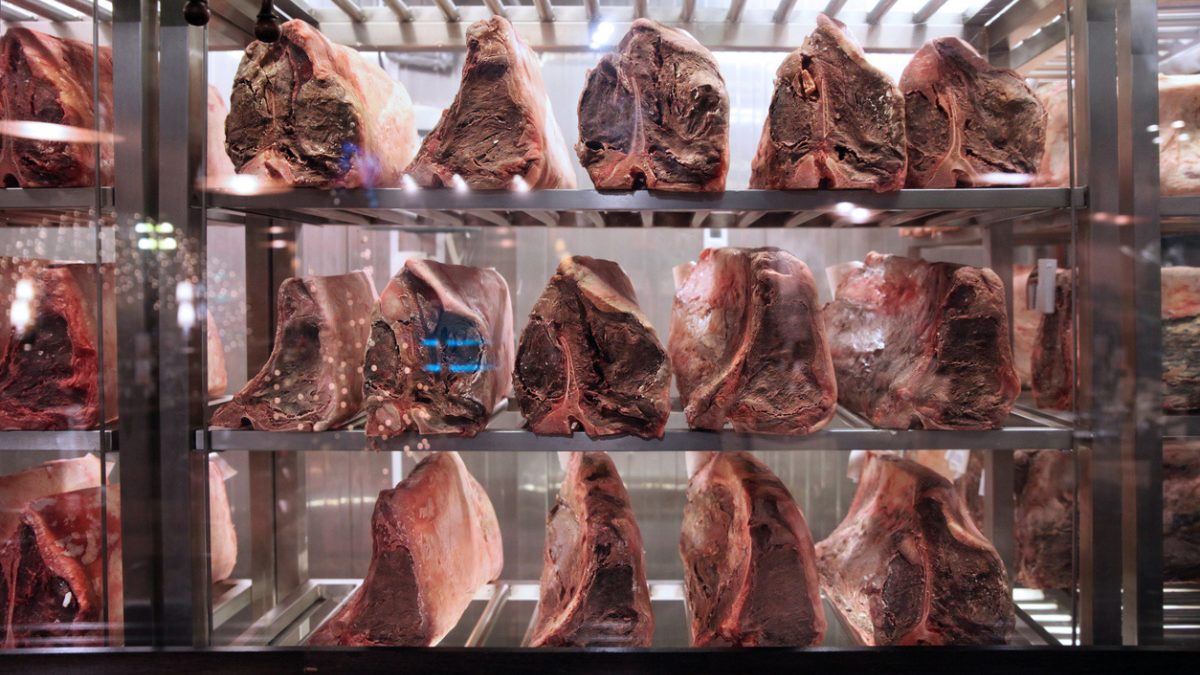
Dry aging steaks in the refrigerator enhances flavor and tenderness by allowing natural enzymes to break down muscle tissue. Keep the meat uncovered on a rack, in a cold, humid environment for several days. Proper air circulation and temperature control are key to a successful dry aging process.
The dry aging process transforms ordinary steaks into flavorful delicacies. This method enhances the meat's taste and tenderness through controlled exposure to air. During this time, moisture evaporates and natural enzymes break down muscle tissue. This enriches the beef's flavor and tenderness. The process requires patience and precision.
Duration For Different Flavors
The length of aging affects steak flavor. For a mild taste, age steaks for 14 days. This period improves tenderness with a subtle flavor enhancement. For a more pronounced taste, age for 21 to 30 days. This duration intensifies the beef's flavor profile. For steak lovers seeking bold flavors, age steaks for 45 days or more. This results in a rich, nutty taste. Keep in mind, longer aging requires careful monitoring. Each duration offers a unique tasting experience.
Signs Of Successful Aging
Successful dry aging shows clear signs. The steak's exterior should have a dark, crusty surface. This protective layer indicates moisture loss, concentrating flavors inside. The interior should remain vibrant and moist. Aged meat should have a distinct, pleasant aroma. It should not smell sour or off. The texture becomes tender, breaking down fibers for a melt-in-your-mouth feel. These signs confirm a well-executed dry aging process. Remember to maintain a consistent temperature and humidity. This ensures safe and effective aging results.
Monitoring And Maintenance
Proper monitoring and maintenance are key to aging steaks safely in the refrigerator. This process requires regular checks to ensure the meat stays fresh and develops the desired flavor. Maintaining the right environment helps prevent spoilage and promotes even aging.
Checking For Spoilage
Check steaks daily for any unusual smells or slimy textures. Freshly aged meat has a clean, slightly nutty aroma. If the steak smells sour or rotten, discard it immediately. Look for discoloration like green or gray patches. These signs indicate the meat is spoiled and unsafe to eat.
Adjusting Conditions As Needed
Keep the refrigerator temperature steady around 34°F to 38°F (1°C to 3°C). Use a thermometer to monitor this closely. If the fridge is too warm, the steak can spoil quickly. Too cold, and the aging process slows down. Adjust humidity by using a small container of water or a humidifier inside the fridge. High humidity helps prevent the steak from drying out. Low humidity may cause the meat to become hard and lose flavor.
;)
Credit: www.cookist.com
Cooking Aged Steaks
Cooking aged steaks is a rewarding experience that brings out deep, rich flavors and a tender texture you won't find in fresh cuts. The aging process concentrates the meat’s natural taste, so your cooking approach should highlight these qualities without overpowering them. How you prepare and cook the steak can make all the difference between a good meal and an unforgettable one.
Preparation Tips
Before cooking, let your aged steak come to room temperature. This helps the steak cook evenly and retain its juiciness.
Pat the steak dry with paper towels. Removing excess moisture ensures a better sear and crust formation.
Season simply with salt and freshly ground black pepper. Since aging enhances flavor, minimal seasoning allows the meat’s natural taste to shine.
Consider using a cast-iron skillet or a heavy pan for better heat retention and a perfect crust. Have you ever noticed how a properly seared steak changes the entire meal experience?
Recommended Cooking Methods
- Pan-Searing:Heat your pan until very hot, then add a small amount of oil with a high smoke point. Sear each side for 3-4 minutes depending on thickness and desired doneness.
- Grilling:Use direct high heat and avoid flipping too often. Grill for about 4-5 minutes per side for medium-rare, letting the grill marks add visual appeal and flavor.
- Oven Finishing:After searing, transfer the steak to a preheated oven at 375°F (190°C) to finish cooking evenly. This method prevents burning the outside while the inside reaches the perfect temperature.
Have you tried resting your steak after cooking? Let it sit for 5-10 minutes to allow juices to redistribute. This simple step enhances tenderness and flavor with every bite.
Common Mistakes To Avoid
Knowing common mistakes helps keep your steak aging process safe and tasty. Mistakes can ruin flavor and texture. Some errors can even cause health risks. Avoid these pitfalls to enjoy perfectly aged steaks every time.
Over-aging Risks
Aging steak too long leads to spoilage and off-flavors. The meat becomes slimy or smells sour. It also loses moisture, making it dry and tough. Timing is key—stick to recommended aging periods. Over-aging does not improve taste; it damages quality.
Improper Storage Issues
Steaks need a consistent cold temperature. Warmer spots in the fridge cause uneven aging and bacteria growth. Avoid wrapping steaks too tightly; air must circulate. Use a wire rack and a tray to catch drips. Keep the fridge clean to prevent contamination.

Credit: ottogrills.com
Frequently Asked Questions
How Long Should I Age Steaks In The Refrigerator?
Steaks should be aged for 7 to 21 days in the refrigerator. This allows natural enzymes to tenderize the meat and enhance flavor. Ensure the temperature stays between 34°F and 38°F for safe aging.
What Is The Best Way To Age Steaks At Home?
Wrap steaks loosely in butcher paper or cheesecloth. Place them on a wire rack in the fridge to allow air circulation. Keep the temperature consistent to prevent spoilage and promote proper dry aging.
Can I Age Steaks In A Regular Refrigerator?
Yes, you can age steaks in a regular refrigerator if it maintains a steady temperature of 34°F to 38°F. Use proper wrapping and place steaks on a rack to ensure air flow and avoid moisture buildup.
How Do I Know When Aged Steaks Are Ready To Cook?
Steaks develop a dry, firm surface and a nutty aroma when ready. Aging between 14 to 21 days usually yields optimal tenderness and flavor. Trim any dried edges before cooking.
Conclusion
Aging steaks in the refrigerator improves taste and tenderness. It takes patience and careful temperature control. Keep the meat dry and wrapped properly. Check the steak often for any changes. This simple method boosts flavor without special tools. Try it at home to enjoy better steaks.
Your meals will feel richer and more satisfying. Give aging a chance; the results speak for themselves.