Is your GE freezer not keeping your food as fresh as it should? You might be surprised how a simple temperature adjustment can make a big difference.
Knowing how to adjust your freezer’s temperature correctly helps you save money, reduce food waste, and keep everything perfectly frozen. In this guide, you’ll learn easy steps to set your GE freezer just right—no confusing jargon or technical skills needed.
Keep reading, and you’ll master this quick fix that can improve your freezer’s performance instantly.
Credit: marksappliance.com
Why Adjusting Freezer Temperature Matters
Adjusting the freezer temperature is key to keeping food fresh and safe. Freezers set too cold waste energy and can harm food quality. Temperatures set too warm risk food spoilage and health hazards.
Proper temperature control helps maintain the right balance for storage. It saves electricity and extends the life of your frozen items. Knowing why and how to adjust your GE freezer temperature is important for daily use.
Food Safety And Preservation
Freezers must stay cold enough to stop bacteria growth. The ideal temperature keeps food frozen solid but not frostbitten. This preserves taste, texture, and nutrients over time.
Energy Efficiency And Cost Savings
Running your freezer at the right temperature uses less power. Over-cooling wastes electricity and raises your bills. Adjusting temperature can lower energy use without risking food quality.
Preventing Freezer Burn
Freezer burn happens when cold air dries out food. Setting the temperature correctly reduces moisture loss. This keeps food fresh longer and prevents waste.
Extending Appliance Lifespan
Freezers working too hard wear out faster. Proper temperature reduces stress on components. This helps your GE freezer last longer and avoid costly repairs.
Ideal Temperature Settings
Setting the right freezer temperature keeps food fresh and safe to eat. Freezers work best at specific temperatures that stop bacteria growth. Knowing the ideal temperature helps save energy and maintain food quality.
Recommended Freezer Temperature
For most GE freezers, the ideal temperature is 0°F (-18°C). This freezes food solid and keeps it safe for months. Setting the freezer colder than 0°F wastes energy and can dry out food.
Adjusting Temperature For Different Needs
Some foods need colder temperatures. Ice cream and meat stay better at -10°F (-23°C). Use this setting only if you store these items a lot. For daily frozen vegetables and leftovers, 0°F works fine.
Checking And Maintaining Temperature
Use a freezer thermometer to check the actual temperature. The built-in display might not be exact. Check the temperature weekly, especially after adjusting settings. Keep the freezer full for better temperature stability.
Steps To Adjust Temperature
Adjusting the temperature of your GE freezer is simple and important. Correct settings keep your food fresh and save energy. Follow clear steps to set the right temperature quickly and easily. This guide explains how to find the control, pick the best setting, and wait for the temperature to stabilize.
Locate The Temperature Control
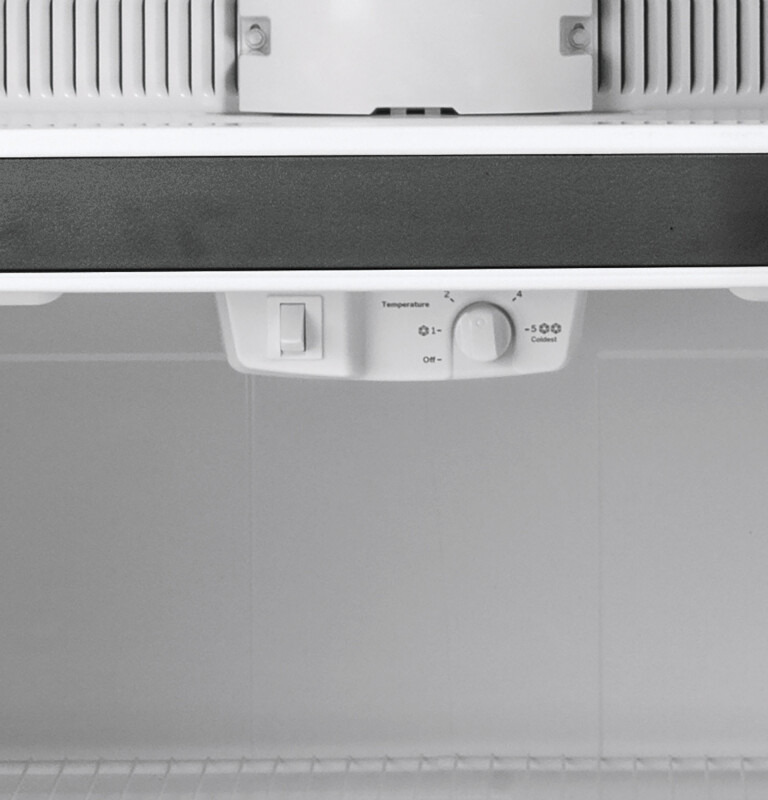
Open the freezer door and look inside. The temperature control is usually near the top or side wall. It might be a dial, digital panel, or buttons. Check your freezer’s manual if you cannot find it. Knowing the control’s location helps adjust temperature fast.
Choose The Right Setting
Most GE freezers have settings from cold to colder. The ideal temperature is about 0°F (-18°C). Turn the dial or press buttons to set near this level. Avoid setting too cold to save energy and prevent food freezing too hard. Adjust slowly to avoid big changes.
Wait For Temperature Stabilization
After setting the temperature, close the door tightly. Wait at least 24 hours to let the freezer reach the new temperature. Avoid opening the door during this time. Use a freezer thermometer to check if the temperature is stable. Adjust again only if needed.

Credit: www.youtube.com
Signs Your Freezer Temperature Is Incorrect
Knowing the signs that your freezer temperature is incorrect can save you time, money, and a lot of frustration. If your freezer isn’t cold enough, food may spoil quickly, but if it’s too cold, you could face frost buildup or even damage to your appliance. Paying attention to these warning signs helps you take action before problems worsen.
Food Spoilage
If you notice your frozen food is thawing or developing freezer burn, your freezer temperature might be too high. Spoiled food often loses its texture and flavor, which can be disappointing and wasteful. Have you ever opened your freezer only to find ice cream melted or meat turning mushy? That’s a clear hint your freezer isn’t keeping things cold enough.
On the other hand, if items freeze solidly but taste off, it could mean the temperature is too low, causing freezer burn. Regularly check your food’s condition and adjust the temperature to keep it just right—usually around 0°F (-18°C).
Frost Buildup
Excess frost or ice layers inside your freezer indicate temperature issues. When the freezer is too cold or the seal isn’t tight, moisture freezes and forms frost. This buildup reduces storage space and lowers efficiency, making your freezer work harder.
Have you had to chip away ice just to fit your groceries? That’s a sign to check and adjust your freezer’s temperature and door seal. Keeping frost under control helps maintain optimal cooling and saves energy.
Unusual Noises
Strange sounds like loud humming, clicking, or buzzing can mean your freezer is struggling to maintain its temperature. If the compressor runs constantly or cycles on and off frequently, it might be working too hard due to incorrect temperature settings.
Have you noticed your freezer sounding different lately? Listen closely—unusual noises often signal that it’s time to adjust the temperature or inspect the appliance for other issues before it breaks down.
Tips For Maintaining Optimal Freezer Performance
Maintaining your freezer’s optimal performance keeps food fresh longer and saves energy. Small daily habits help your freezer work better. Simple care prevents costly repairs and extends its life. Follow these tips to keep your freezer running smoothly.
Regular Cleaning
Clean your freezer at least twice a year. Remove all food before cleaning. Use a mix of warm water and mild soap. Wipe shelves, walls, and door seals carefully. Avoid harsh chemicals that can damage surfaces. Cleaning stops bad odors and frost buildup. Keep vents clear to allow cold air flow.
Avoid Overloading
Do not pack the freezer too full. Overloading blocks air circulation inside. Cold air must move freely to keep food frozen evenly. Leave space between items for air to flow. Organize food in bins or bags for easy access. Overloading makes the freezer work harder and use more energy.
Check Seals And Gaskets
Inspect door seals regularly for cracks or tears. Damaged seals let cold air escape. Test seals by closing the door on a piece of paper. If the paper slides out easily, replace the gasket. Clean seals with warm, soapy water to keep them flexible. Good seals keep the freezer cold and save energy.
Troubleshooting Common Issues
Troubleshooting common issues helps keep your GE freezer running smoothly. Problems with temperature control often stem from simple causes. Fixing these issues can prevent food spoilage and save energy.
Faulty Thermostat
A faulty thermostat can cause incorrect freezer temperatures. The freezer may become too warm or too cold. Test the thermostat by adjusting the temperature settings. If the temperature does not change, the thermostat might be broken. Replace the thermostat to restore proper cooling.
Blocked Air Vents
Blocked air vents stop cold air from circulating inside the freezer. Food items placed too close to the vents can cause blockages. Check the vents for ice build-up or obstructions. Clear any blockages to allow air to flow freely. This helps maintain an even temperature throughout the freezer.
Power Supply Problems
Power supply issues can disrupt freezer operation. Check if the freezer is properly plugged in. Inspect the power cord for damage or loose connections. A tripped circuit breaker or blown fuse can also cause power loss. Reset the breaker or replace the fuse to restore electricity to the freezer.
When To Seek Professional Help
Knowing when to call a professional for your GE freezer can save you time, money, and stress. Some issues go beyond simple temperature adjustments and require expert care. Recognizing these signs early helps prevent bigger problems and keeps your freezer running smoothly.
Unresponsive Temperature Controls
If you adjust the temperature settings but notice no change in the freezer’s cooling, it’s a red flag. The control panel or thermostat might be malfunctioning. At this point, troubleshooting on your own can be tricky and might cause more harm than good.
Have you ever tried fixing a setting only to see the temperature stay the same? That’s when professional diagnostics are necessary to pinpoint the exact issue.
Frequent Temperature Fluctuations
Does your freezer’s temperature swing wildly between cold and warm? This inconsistency can indicate a failing compressor or sensor problems. Such issues can lead to food spoilage and higher energy bills.
If you’ve already checked the door seals and cleaned the coils without success, it’s time to call in a technician. Professionals have the tools to test internal components that aren’t accessible to you.
Unusual Noises Or Frost Buildup
Strange sounds like buzzing, clicking, or knocking coming from your freezer can signal mechanical trouble. Similarly, excessive frost inside the freezer often means the defrost system isn’t working properly.
Have you noticed these symptoms alongside temperature problems? These signs usually require expert repairs to avoid permanent damage.
Power Supply Issues
If your freezer keeps losing power or won’t turn on, the problem might be electrical rather than temperature settings. Faulty wiring or circuit problems need immediate professional attention for safety reasons.
Trying to fix electrical issues without proper knowledge can be dangerous. When power problems affect your freezer, contacting a qualified technician is the safest choice.

Credit: www.youtube.com
Frequently Asked Questions
How Do I Adjust Freezer Temperature On A Ge Fridge?
Locate the temperature control panel inside the freezer. Use the dial or digital buttons to set your desired temperature. GE freezers typically recommend -18°C (0°F) for optimal food preservation. Changes take 24 hours to stabilize.
What Is The Ideal Freezer Temperature For Ge Models?
The ideal freezer temperature for GE freezers is 0°F (-18°C). This temperature keeps food safe and maintains quality. Setting it colder wastes energy, while warmer may not preserve food properly.
How Long Does Ge Freezer Temperature Adjustment Take?
It usually takes 24 hours for a GE freezer temperature to stabilize after adjustment. Avoid frequent changes to allow the unit to maintain consistent cooling and prevent food spoilage.
Can I Adjust Ge Freezer Temperature Without Manual?
Yes, many GE freezers have digital controls accessible via the control panel. Check your model for app connectivity or smart features to adjust temperature remotely. Otherwise, use manual dials inside the freezer.
Conclusion
Adjusting your GE freezer temperature helps keep food fresh longer. Set the dial to the right number for best results. Check the temperature regularly to avoid spoilage. Small changes can make a big difference in freezing quality. Keep your freezer clean and organized for better airflow.
Follow these simple steps to protect your food and save money. A properly set freezer keeps your kitchen running smoothly. Remember, the right temperature means fresher, safer meals every day.