Are you tired of ending up with rice that’s either mushy or hard? The secret to perfect rice lies in one simple thing: the right water to rice ratio in your rice cooker.
Getting this balance right can transform your meals and save you time and frustration. You’ll discover exactly how much water you need for your rice cooker to make fluffy, delicious rice every time. Keep reading, and you’ll never have to guess again!

Credit: laurenfromscratch.com
Choosing Rice Types
Choosing the right type of rice affects cooking time and water ratio in your rice cooker. Different rice varieties absorb water differently. Understanding these differences helps achieve perfect texture every time.
Long Grain Varieties
Long grain rice includes types like basmati and jasmine. They stay fluffy and separate after cooking. Use about 1.5 to 1.75 cups of water per cup of rice. These rices need slightly less water than short grain types.
Short Grain Varieties
Short grain rice is stickier and plumper. It is common in sushi and risotto dishes. Use roughly 1.25 to 1.5 cups of water per cup of rice. This rice absorbs more water and cooks softer than long grain.
Specialty Rices
Specialty rices include wild rice, black rice, and red rice. They often require more water and longer cooking times. Typically, use 2 to 2.5 cups of water per cup of rice. Check packaging or experiment to find the best ratio for these types.
Credit: www.hungryhuy.com
Basic Water To Rice Ratios
Understanding basic water to rice ratios is key to perfect rice every time. The right balance affects texture and taste. Use the correct amount of water for the type of rice you cook. Rice cookers simplify this but knowing the basics helps you adjust as needed.
White Rice Measurements
White rice usually needs less water than other types. The common ratio is:
- 1 cup of white rice
- 1.5 cups of water
This ratio produces fluffy and separate grains. Adjust slightly for softer or firmer rice.
Brown Rice Adjustments
Brown rice requires more water and longer cooking time. Use this ratio for good results:
- 1 cup of brown rice
- 2 cups of water
The extra water helps soften the outer bran layer. This ratio prevents undercooked grains.
Sticky Rice Tips
Sticky rice needs a different approach. It absorbs water differently and needs soaking.
- Rinse sticky rice well before cooking
- Use 1 cup of rice with 1 to 1.25 cups of water
- Soak for 30 minutes if possible
These tips help the rice become tender and sticky without becoming mushy.
Factors Affecting Water Amount
Understanding the right amount of water for cooking rice in a rice cooker depends on several factors. These factors influence how much water the rice absorbs and how it cooks. Adjusting water levels correctly ensures fluffy and well-cooked rice every time.
Rice Age And Quality
Older rice tends to absorb more water. It may need extra water to soften properly. Fresh rice usually requires less water because it still contains moisture. The quality of rice also matters. Higher quality rice often cooks evenly with standard water ratios. Lower quality rice may need adjustments to avoid dryness or mushiness.
Altitude Effects
Cooking rice at high altitudes changes the boiling point of water. Water boils at lower temperatures in higher places. This means rice needs more water and longer cooking times. At sea level, standard water ratios work well. At high altitudes, add about 10% more water to the rice cooker for best results.
Personal Texture Preference
Some people like softer rice, others prefer it firmer. To get soft rice, add a little more water than usual. For firmer rice, use less water. Small changes in water amount can change texture significantly. Adjust water based on your taste for perfect rice every time.
Using A Rice Cooker
Using a rice cooker simplifies cooking rice perfectly every time. It controls heat and timing automatically. This tool is helpful for beginners and busy cooks. Understanding the right water to rice ratio ensures fluffy rice. Each cooker may vary slightly, so learning its features helps.
Measuring Rice And Water
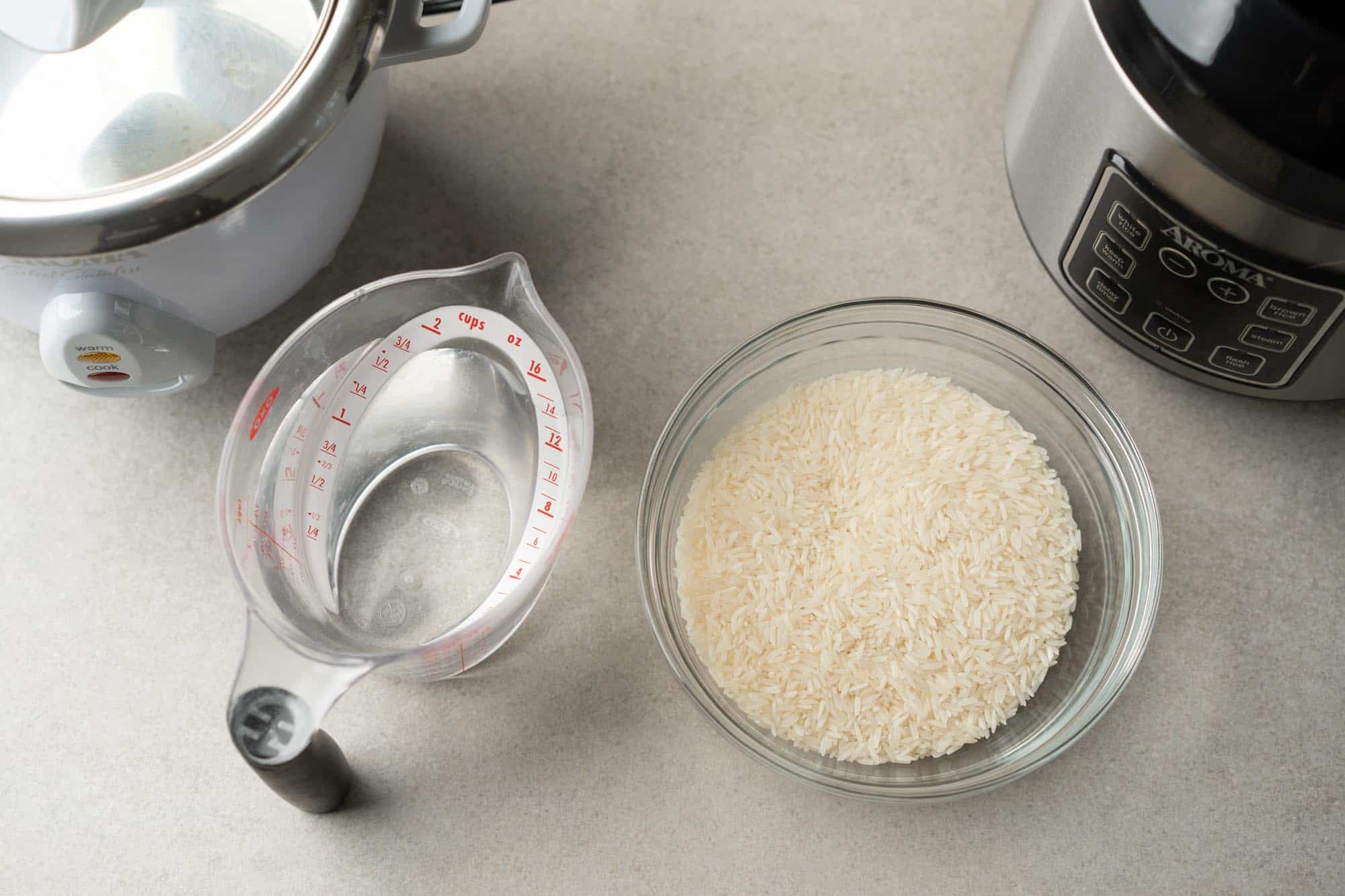
Use the measuring cup that comes with the rice cooker. Usually, one cup of rice needs about one and a half cups of water. Rinse the rice until water runs clear to remove extra starch. Pour rice into the cooker’s pot, then add water. Check the cooker’s instructions for exact ratios for different rice types.
Setting Cooking Modes
Most rice cookers have several cooking modes. You can select settings like white rice, brown rice, or quick cook. Choose the mode that matches your rice type and cooking time. Press the start button and let the cooker work. It automatically switches to warm mode after cooking finishes.
Common Rice Cooker Features
- Keep Warm:Keeps rice hot without overcooking.
- Timer:Lets you delay cooking start time.
- Non-stick Pot:Prevents rice from sticking and makes cleaning easy.
- Steam Basket:Allows steaming vegetables while cooking rice.
Knowing these features helps you use the rice cooker effectively. It saves time and ensures tasty rice every meal.
Troubleshooting Cooking Issues
Perfect rice depends on the right water-to-rice ratio in your cooker. Too much water makes rice mushy; too little leaves it dry. Follow the cooker’s guide or use about 1. 5 cups of water per cup of rice for best results.
Troubleshooting cooking issues in a rice cooker can feel like a culinary mystery, but fear not—it's a puzzle you can solve. Achieving the perfect water-to-rice ratio is key, but sometimes things don't go as planned. Whether your rice ends up too dry, mushy, or unevenly cooked, there's a way to fix it.
Too Dry Or Hard Rice
If your rice turns out dry or hard, it's likely that not enough water was added. Next time, consider adding an extra quarter cup of water. Sometimes, the type of rice you use can affect absorption. For short-grain rice, more water might be necessary compared to long-grain varieties. Have you tried letting the rice rest with the lid on for a few minutes after cooking? This can help the grains absorb any remaining moisture, softening them up.
Mushy Or Overcooked Rice
Mushy rice usually results from too much water. Measure your water carefully with the rice cooker's measuring cup for precise results. Did you know rinsing rice before cooking can help? It removes excess starch, reducing the risk of mushiness. If your rice is consistently overcooked, try reducing the cooking time or selecting a different setting, if available on your cooker.
Uneven Cooking Solutions
Uneven cooking might mean the rice was not evenly distributed or stirred before starting the cooker. Ensure the rice is level in the pot for even cooking. Check if your rice cooker needs a good clean. Residue buildup can affect heat distribution, leading to uneven cooking. Another tip is to avoid opening the lid during cooking. This can disrupt the cooking process and create uneven results. What tricks do you use to fix your rice cooker issues? Share your insights and let's perfect that rice together!

Credit: www.chicorice.com
Enhancing Rice Flavor
Enhancing the flavor of rice cooked in a rice cooker is simple. Small changes can bring big taste improvements. Using the right ingredients and techniques will make your rice more delicious. These tips focus on boosting flavor without extra effort.
Adding Broth Or Seasonings
Replace water with broth to add deep flavor. Chicken, vegetable, or beef broth works well. Add salt carefully since broth already has some salt. Sprinkle spices like garlic powder, ginger, or bay leaves before cooking. These small touches create rich, tasty rice.
Mixing Ingredients
Stir in fresh herbs or chopped vegetables before cooking. Onions, peas, or carrots add color and taste. Mixing ingredients evenly helps flavors blend better. Use a spoon or fork to combine gently. This method keeps rice fluffy and flavorful.
Post-cooking Fluffing Tips
Once rice is done, let it rest for 5 minutes. Use a fork to fluff the rice gently. This separates grains and releases steam. Fluffy rice tastes lighter and less sticky. Avoid stirring too hard to keep texture perfect.
Frequently Asked Questions
What Is The Ideal Water To Rice Ratio In A Rice Cooker?
The ideal water to rice ratio is usually 1. 5 to 1 for white rice. Use 1. 25 to 1 for sushi rice, and 2 to 1 for brown rice. Adjust ratios based on rice type and personal texture preference.
How Does Water Amount Affect Rice Cooking In A Cooker?
Water quantity impacts rice texture and doneness. Too much water makes rice mushy, while too little leaves it dry or undercooked. Correct water levels ensure fluffy, evenly cooked rice every time.
Can I Use The Same Water Ratio For All Rice Types?
No, water ratios vary by rice type. White rice needs less water than brown or wild rice. Always check specific rice instructions or adjust water for best results in a rice cooker.
Why Does Rice Turn Sticky With Too Much Water?
Excess water causes rice grains to absorb more moisture, releasing more starch. This starch makes rice sticky and clumpy. Using the right water ratio prevents stickiness and keeps grains separate.
Conclusion
Getting the right water to rice ratio makes cooking easier. Use the correct amount of water for fluffy rice every time. Too much water makes rice soft and sticky. Too little water leaves rice hard and dry. Follow simple measurements to get perfect results.
Adjust water slightly based on rice type or preference. A rice cooker helps control water and heat well. Enjoy tasty, well-cooked rice with these easy tips. Cooking rice can be simple and stress-free. Just measure, add water, and press start.
Perfect rice is just a few steps away.