Are you curious about how much it costs to run a deep freezer? You might be surprised at the answer.
Knowing the true cost can help you save money and avoid unexpected bills. Whether you use your deep freezer daily or just occasionally, understanding its energy use is key. You’ll discover simple ways to calculate your running costs and tips to keep them low.
Ready to take control of your freezer expenses? Let’s dive in.
Credit: www.smadappliances.com
Factors Affecting Deep Freezer Costs
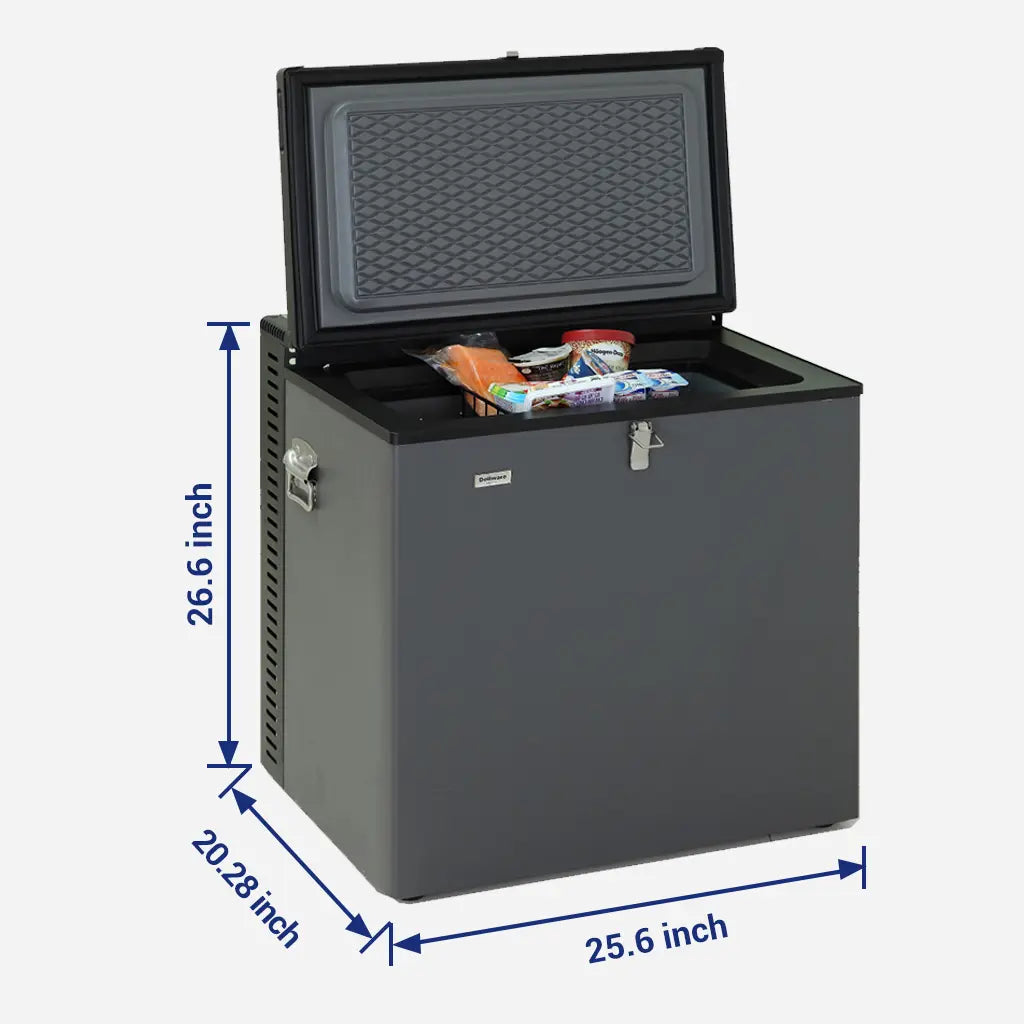
Several key factors influence the cost of running a deep freezer. Understanding these can help manage electricity bills effectively. Some factors directly affect how much power the freezer uses. Others relate to how often and how large the freezer is.
These details matter for anyone wanting to save money or reduce energy waste. Knowing what impacts costs helps make better choices when buying or using a deep freezer.
Energy Consumption Rates
Energy consumption rates show how much electricity a freezer uses. Freezers with higher rates cost more to run. This rate depends on the freezer's design and insulation quality. Look for energy labels to compare consumption. Lower rates mean less electricity use and lower bills.
Freezer Size And Capacity
Bigger freezers use more energy than smaller ones. More space needs more power to keep cold. However, a large freezer full of food can be more efficient than a small, nearly empty one. Choose the right size for your needs to avoid wasting energy.
Age And Efficiency
Older freezers often use more electricity. New models come with better technology and insulation. This means they run more efficiently. Replacing an old freezer can lower energy costs. Regular maintenance also keeps freezers working well.
Usage Patterns
How often you open the freezer affects energy use. Each opening lets cold air escape, forcing the freezer to work harder. Frequent or long openings increase electricity consumption. Keeping the freezer full and organized reduces the time door stays open.
Calculating Monthly And Annual Costs
Understanding how much it costs to run your deep freezer can help you manage your energy bills better. Calculating the monthly and annual expenses is simpler than you might think. With a few key pieces of information, you can estimate the power usage and cost with confidence.
Reading The Energy Label
Start by checking the energy label on your deep freezer. This label provides essential details like the appliance’s energy consumption in kilowatt-hours (kWh) per year.
Look for terms such as “annual energy consumption” or “kWh/year.” These numbers give you a solid baseline to calculate costs without guessing.
Estimating Kilowatt-hours Used
Once you know the annual kWh, divide it by 12 to get the monthly usage. For example, if your freezer uses 300 kWh annually, it consumes about 25 kWh each month.
Keep in mind that usage can vary depending on how full the freezer is and the temperature settings. If you want a more accurate number, use a plug-in power meter to track actual consumption over a few days.
Electricity Rate Impact
Your local electricity rate directly affects the cost to run your freezer. Rates usually range from $0.10 to $0.30 per kWh, but check your latest utility bill for the exact figure.
Multiply your monthly kWh usage by the cost per kWh to find out your monthly expense. For instance, 25 kWh at $0.15 per kWh equals $3.75 per month.
Wondering if your freezer is costing too much? Comparing this number with other appliances helps you decide if you need a more energy-efficient model.
Comparing Different Deep Freezer Types
Choosing the right deep freezer affects energy use and costs. Different types have unique features. These features impact how much electricity they use. Understanding these differences helps you save money on your energy bill.
Chest Freezers Vs Upright Freezers
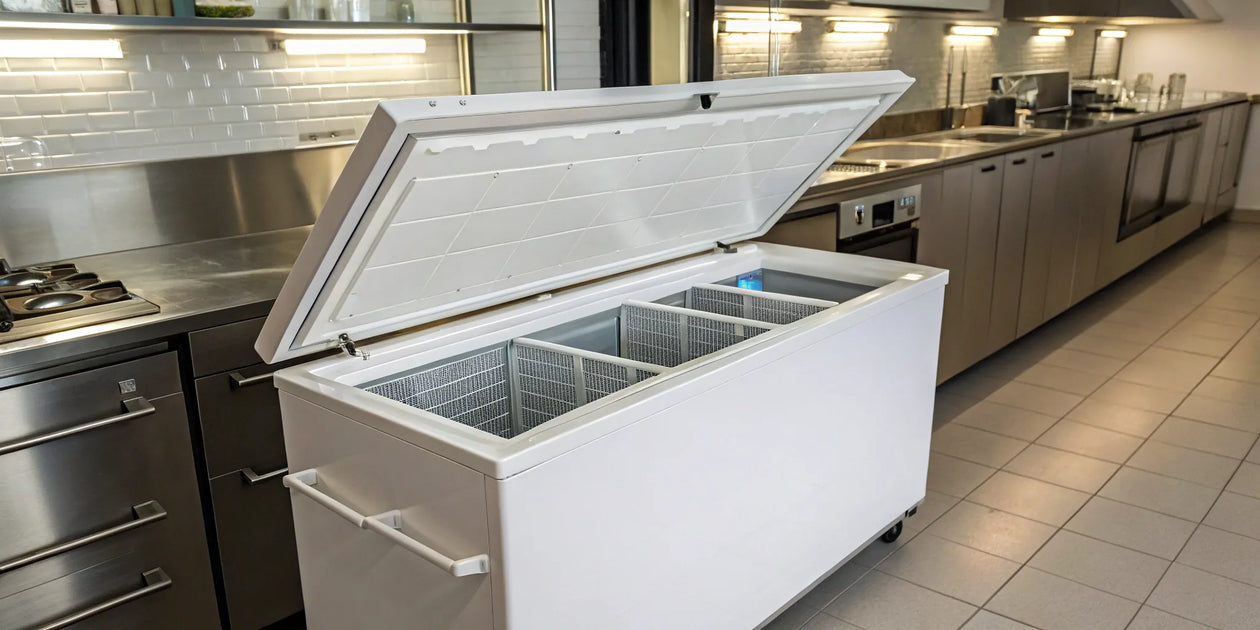
Chest freezers open from the top. They keep cold air inside better. This means less energy is needed to stay cold. Chest freezers often cost less to run.
Upright freezers open like a fridge. They offer easier access and organization. But cold air escapes more when opened. This can increase energy use. Upright models may have higher running costs.
Chest freezers are best for long-term storage. Upright freezers suit smaller spaces and frequent use.
Frost-free Vs Manual Defrost Models
Frost-free freezers stop ice build-up automatically. They use a small heater inside. This cycle uses extra electricity. Energy costs can be higher for frost-free units.
Manual defrost freezers need you to remove ice. They use less energy overall. But defrosting takes time and effort. These freezers can be cheaper to run.
Choosing between these depends on convenience and cost priorities.
Tips To Reduce Running Expenses
Keeping your deep freezer’s running costs low doesn’t have to be complicated. Small adjustments in how you use and care for your freezer can lead to noticeable savings on your electricity bill. Let’s look at some practical tips that help you cut down on those expenses without sacrificing performance.
Optimal Temperature Settings
Setting your deep freezer to the right temperature can make a big difference. Aim for around -18°C (0°F), which keeps food safely frozen without overworking the compressor.
Going colder than necessary wastes energy. Ask yourself: do you really need that extra cold setting for everyday frozen goods? Adjusting to the optimal temperature can save you up to 30% on energy use.
Proper Placement And Ventilation
Where you put your freezer matters a lot. Placing it in a cool, dry spot away from direct sunlight or heat sources reduces the workload on your appliance.
Make sure there’s enough space around it for air to flow freely. Blocked vents or tight spaces force the freezer to run longer. Could your freezer use a little breathing room?
Regular Maintenance
Keeping your freezer clean is more than just hygiene—it’s smart savings. Regularly defrost if it’s not frost-free, and clean the condenser coils to improve efficiency.
Check door seals for leaks. A faulty seal lets cold air escape and drives up energy bills. Think about how much energy slips away unnoticed through a worn-out gasket in your freezer.
Energy-efficient Models
If you’re buying a new deep freezer, look for energy-efficient models with good energy ratings. These freezers use advanced technology to consume less power while maintaining strong cooling performance.
Though they might cost more upfront, the savings on your electricity bill add up quickly. Have you checked the energy label on your current freezer lately? It might be time for an upgrade that pays for itself.
Long-term Savings Strategies
Estimating the cost to run a deep freezer helps plan long-term savings. Energy-efficient models use less power, cutting monthly bills and saving money over time. Regular maintenance also lowers energy use, making your deep freezer cheaper to operate.
Long-term savings on your deep freezer can significantly reduce your electricity bills and make a substantial impact on your household budget. By being mindful of the strategies you employ, you can enjoy the benefits of a deep freezer without feeling the pinch in your finances. Let’s dive into some practical approaches to achieving these savings.
Upgrading To Modern Freezers
Consider upgrading to an energy-efficient model. Modern freezers are designed with advanced technology that consumes less power. Energy Star-rated freezers, for instance, can save you a considerable amount on your utility bills over time. Older freezers tend to draw more power, especially if they are not well-maintained. Replacing them might seem costly upfront, but the long-term savings make it worthwhile. Plus, newer models often come with additional features that enhance convenience and storage efficiency.
Using Solar Or Alternative Energy
Have you thought about harnessing solar power for your deep freezer? Installing solar panels can drastically cut down your energy costs. While the initial setup might require investment, the reduction in electricity bills provides a return on investment over the years. Alternatively, using other forms of renewable energy can also be beneficial. Exploring wind or geothermal energy options might provide a sustainable way to power your freezer. This not only helps in saving money but also contributes to a greener planet.
Smart Usage Habits
Developing smart habits can make a significant difference in your energy consumption. Ensure your freezer is not overstuffed, as it needs space for air to circulate efficiently. This reduces the workload on the compressor and saves energy. Are you aware of the best placement for your freezer? Positioning it away from heat sources like ovens or direct sunlight can prevent it from working harder than necessary. Regularly defrosting your freezer also keeps it running efficiently and extends its lifespan. By implementing these strategies, you can enjoy the benefits of a deep freezer while keeping your energy costs in check. What changes will you make today to ensure long-term savings?

Credit: www.ebay.com
Credit: therestaurantwarehouse.com
Frequently Asked Questions
How Much Electricity Does A Deep Freezer Use Monthly?
A deep freezer typically uses 100 to 400 kWh monthly. Usage depends on size, efficiency, and temperature settings. Energy-efficient models cost less to run and save money over time.
What Factors Affect The Cost To Run A Deep Freezer?
Key factors include freezer size, energy efficiency rating, local electricity rates, and usage frequency. Larger or older models consume more power, increasing operating costs.
Can A Deep Freezer Increase My Electricity Bill Significantly?
Yes, running a deep freezer can raise your electricity bill by $5 to $20 monthly. The exact increase depends on the freezer's energy use and local energy prices.
How Can I Reduce The Running Cost Of My Deep Freezer?
To save costs, keep the freezer full, maintain proper temperature, and ensure door seals are tight. Using energy-efficient models and placing freezers in cool areas also helps.
Conclusion
Running a deep freezer costs depend on size and usage. Smaller freezers use less electricity and cost less. Bigger models need more power, increasing the bill. Energy efficiency ratings can help save money. Keeping the freezer full and well-sealed also cuts costs.
Regular maintenance keeps it running smoothly and lowers expenses. Knowing these facts helps plan your budget better. Choose wisely to balance needs and electricity use. Small changes make a big difference in running costs.