Are you curious about how much it really costs to keep your mini refrigerator running every month? You might think it’s cheap, but even small appliances can add up on your electricity bill.
Understanding the true cost can help you save money and make smarter choices for your home or office. You’ll discover the factors that affect your mini fridge’s energy use and simple tips to keep those costs low. Keep reading to find out exactly what you’re paying for and how to get the most value from your mini fridge.

Credit: www.amazon.com
Mini Fridge Energy Use
Understanding how much energy your mini fridge uses is key to managing your electricity bills. Mini refrigerators vary widely in their power consumption, and knowing the details helps you pick the right model and use it smartly. Let’s break down the energy use so you can make informed decisions about your mini fridge’s cost to run.
Average Power Consumption
Most mini fridges consume between 55 and 85 watts of power when running. This means if your fridge runs continuously for an hour, it uses about 0.055 to 0.085 kilowatt-hours (kWh) of electricity. However, mini fridges cycle on and off to maintain temperature, so they don’t run nonstop.
On average, a mini fridge uses around 100 to 250 kWh annually. To put that in perspective, if your electricity rate is 12 cents per kWh, running a mini fridge could cost you about $12 to $30 per year. Are you surprised by how little or how much that adds up to?
Energy Efficiency Ratings
Look for mini fridges with an Energy Star label. These models meet strict energy efficiency standards and use up to 20% less energy than standard models. Choosing an efficient fridge can lower your running costs without sacrificing performance.
Energy efficiency ratings also help you compare models before buying. Check the EnergyGuide label that shows estimated yearly electricity use and cost. This info helps you avoid paying more than necessary for power.
- Energy Star certified:Uses less electricity, saves money
- Non-certified models:Usually cost more to run over time
- Size matters:Bigger mini fridges often use more energy
Have you checked your mini fridge’s energy label lately? It might be time to find a more efficient model or adjust your usage to save energy and cash.
Factors Affecting Running Costs
Several factors influence how much a mini refrigerator costs to run. Understanding these factors helps you control energy use and save money. The size, usage, and temperature settings play key roles in energy consumption.
Size And Capacity
Larger mini refrigerators use more electricity than smaller ones. The bigger the fridge, the more power it needs to keep items cold. A compact model with less capacity usually costs less to operate. Choose a size that fits your needs to avoid wasting energy.
Usage Patterns
How often you open the fridge affects its running cost. Frequent opening lets cold air escape, making the fridge work harder. Storing more food inside can also increase energy use. Use the mini fridge efficiently by minimizing door openings and organizing contents well.
Temperature Settings
Lower temperature settings consume more electricity. Keeping the fridge colder than necessary raises power use. Setting the temperature to the recommended level balances food safety and energy savings. Avoid setting it too cold to reduce running costs.
Calculating Monthly Electricity Costs
Calculating the monthly electricity cost of a mini refrigerator is crucial. It helps manage your budget and energy consumption. Understanding your fridge's energy use can save money and reduce waste.
Reading Energy Labels
Start by checking the energy label on your refrigerator. This label shows the estimated yearly energy use. It provides an idea of how much electricity your fridge consumes.
Estimating Kilowatt Hours
Find the wattage of your mini refrigerator. It's often listed in the manual or on a label. Multiply the wattage by the number of hours used daily. Divide by 1,000 to get kilowatt hours (kWh).
Using Local Electricity Rates
Check your local electricity rate. Usually, it's listed on your electricity bill as cost per kWh. Multiply the kWh by your local rate. This gives you the cost to run your mini fridge monthly.

Credit: www.amazon.com
Ways To Lower Energy Bills
Lowering the energy bills of your mini refrigerator doesn't have to be complicated. Small changes in how you use and care for your fridge can make a big difference. Let’s look at practical ways you can save energy and reduce costs without sacrificing convenience.
Optimal Placement
Where you place your mini refrigerator plays a huge role in how much energy it uses. Avoid putting it near heat sources like ovens, radiators, or direct sunlight. Heat forces the fridge to work harder, which spikes your electricity bill.
Choose a cool, well-ventilated spot instead. Leaving space around the fridge allows air to circulate and helps the compressor run efficiently. Have you checked if your fridge is too close to a warm wall or in a cramped corner?
Regular Maintenance
Keeping your mini fridge clean and well-maintained lowers energy use. Dust and dirt on the coils make the compressor work overtime. Make it a habit to vacuum or brush the coils every few months.
Check the door seals often. If they’re cracked or loose, cold air escapes, wasting energy. Replacing faulty gaskets can cut down your electricity costs noticeably. How long has it been since you inspected your fridge’s seals?
Energy-saving Features
Look for mini refrigerators with energy-saving features when shopping. Models with adjustable thermostats let you control the temperature precisely, avoiding unnecessary cooling. Automatic defrost options prevent ice build-up, which can reduce efficiency.
Consider fridges labeled ENERGY STAR certified—they meet strict energy standards and usually cost less to run. Even small features like LED lighting instead of incandescent bulbs add up over time. What energy features does your mini fridge have?
Comparing Mini Fridge Models
Choosing the right mini refrigerator can make a big difference in your electricity bill. Different models vary in how much energy they use and how much they cost to run. Understanding these differences helps you pick a fridge that fits both your budget and your lifestyle.
Budget Options
Budget mini fridges usually come with a lower upfront price, which is great if you’re watching your spending. However, these models often consume more energy because they lack advanced insulation and efficient compressors.
If your mini fridge runs constantly, the extra energy cost can add up over time. Think about whether saving a few dollars now is worth higher bills later. Sometimes, spending a bit more on a better model pays off in the long run.
Energy Star Models
Energy Star mini refrigerators meet strict energy efficiency guidelines. They use less electricity without sacrificing cooling performance. You’ll often find that these models have better insulation and smarter compressors.
Although Energy Star fridges usually cost more upfront, they lower your monthly energy bills. If you use your mini fridge daily, this can lead to significant savings. Wouldn’t you prefer a fridge that works harder for less power?
Smart Refrigerators
Smart mini fridges come with features like temperature control via smartphone apps and energy usage monitoring. These options help you optimize cooling and reduce wasteful power consumption.
While smart models tend to be pricier, they give you more control over how your fridge runs. For example, you can adjust settings remotely if you forget to close the door properly. Could this kind of convenience justify the extra cost?
Long-term Savings Tips
Saving money on running a mini refrigerator isn’t just about the initial cost or energy rating. Small habits and smart usage can lead to noticeable savings over time. Here are some practical tips that can help you reduce energy consumption and lower your electricity bill.
Unplugging When Not In Use
Do you really need your mini fridge running 24/7? If you’re going away for a few days or don’t use it daily, unplug it. Even in standby mode, appliances can draw power, adding unnecessary costs.
I once left my mini fridge plugged in during a week-long trip. When I returned, I noticed a small but clear increase in my electricity bill. Unplugging or switching off the power strip can prevent this waste.
Avoid Overloading
It’s tempting to fill every inch of your mini fridge, but overloading blocks airflow. This forces the fridge’s compressor to work harder and use more energy. Keep your fridge organized with enough space between items to allow proper cooling.
Think about your own habits—do you cram every item inside or keep it tidy? A well-spaced fridge runs efficiently, saving you money in the long run.
Temperature Management
Setting the temperature too low can spike energy use without noticeable benefits. For most mini refrigerators, maintaining a temperature between 35°F and 38°F (1.7°C to 3.3°C) is ideal.
Adjusting the thermostat to the recommended range keeps your food safe and reduces electricity consumption. Have you checked your fridge’s temperature settings lately? A simple tweak could lower your power bill.
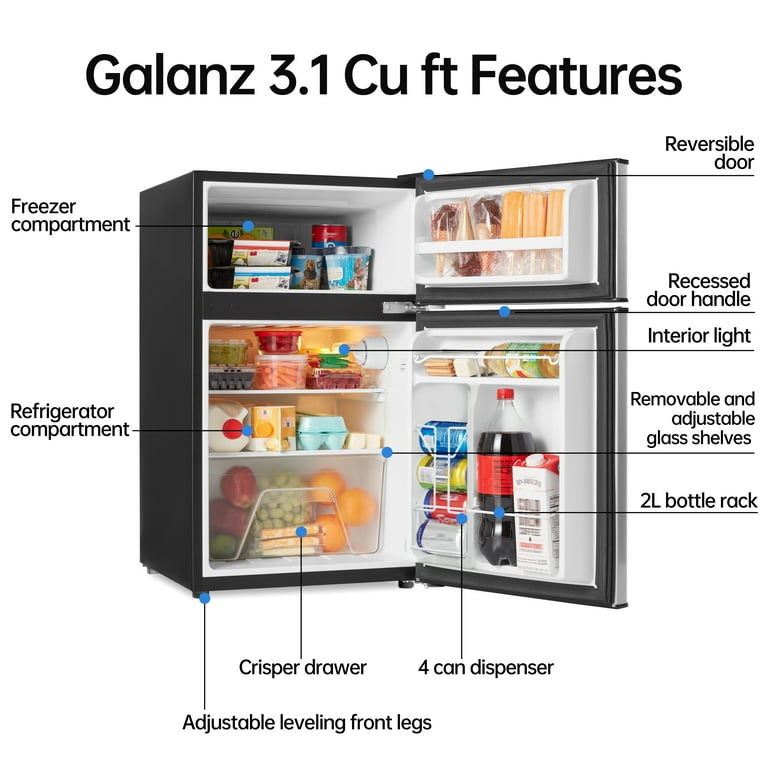
Credit: www.walmart.com
Frequently Asked Questions
How Much Electricity Does A Mini Fridge Use Monthly?
A mini fridge typically uses 100-250 kWh annually. This equals around 8-20 kWh monthly, depending on size and efficiency. Energy use varies by model and usage. Checking the EnergyGuide label helps estimate exact consumption for your mini fridge.
What Is The Average Cost To Run A Mini Refrigerator?
Running a mini fridge costs about $5 to $15 per month. This depends on electricity rates and fridge efficiency. Using energy-efficient models can reduce costs. Keeping the fridge well-maintained also lowers power consumption.
Can A Mini Fridge Increase My Electricity Bill Significantly?
A mini fridge adds a small amount to your electricity bill. Its low power use means minimal impact on overall costs. However, older or inefficient models can raise bills more noticeably. Regular maintenance helps keep energy use low.
How Can I Reduce The Running Cost Of A Mini Fridge?
To reduce costs, choose an energy-efficient mini fridge. Keep it away from heat sources and open the door less often. Regularly defrost and clean the fridge to improve efficiency and lower electricity bills.
Conclusion
A mini refrigerator uses less energy than a full-size fridge. Its running cost depends on size, age, and usage. On average, expect to pay a few dollars a month. Keeping the door closed saves energy and money. Choosing an energy-efficient model lowers your bills.
Small changes make a big difference over time. Now you know how much it costs to run one. Use this knowledge to manage your energy wisely. Simple steps lead to smart savings every day.