Are you curious about how much it really costs to keep your deep freezer running every month? Understanding this can help you manage your energy bills better and decide if your freezer is running efficiently.
You might be surprised to learn that small changes can save you money without sacrificing the convenience of extra storage. You’ll discover clear answers and practical tips to keep your deep freezer cost-effective. Keep reading to find out how to make the most of your freezer while keeping your energy costs low.
Deep Freezer Energy Use
Deep freezers are useful appliances for storing large amounts of food. They help preserve food for longer periods. Understanding how much energy they use helps manage electricity bills better. Energy use depends on various factors including size and usage habits.
Average Power Consumption
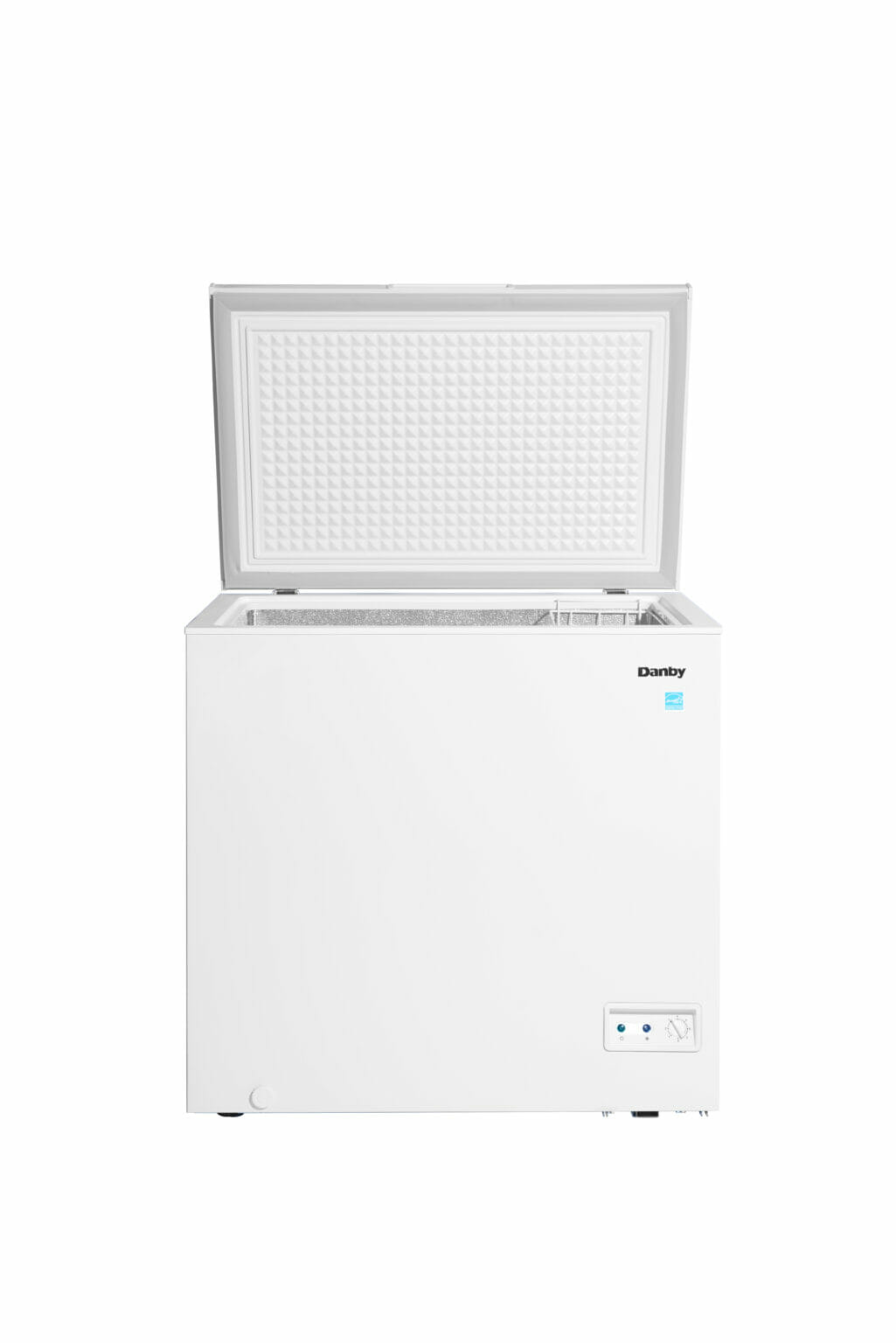
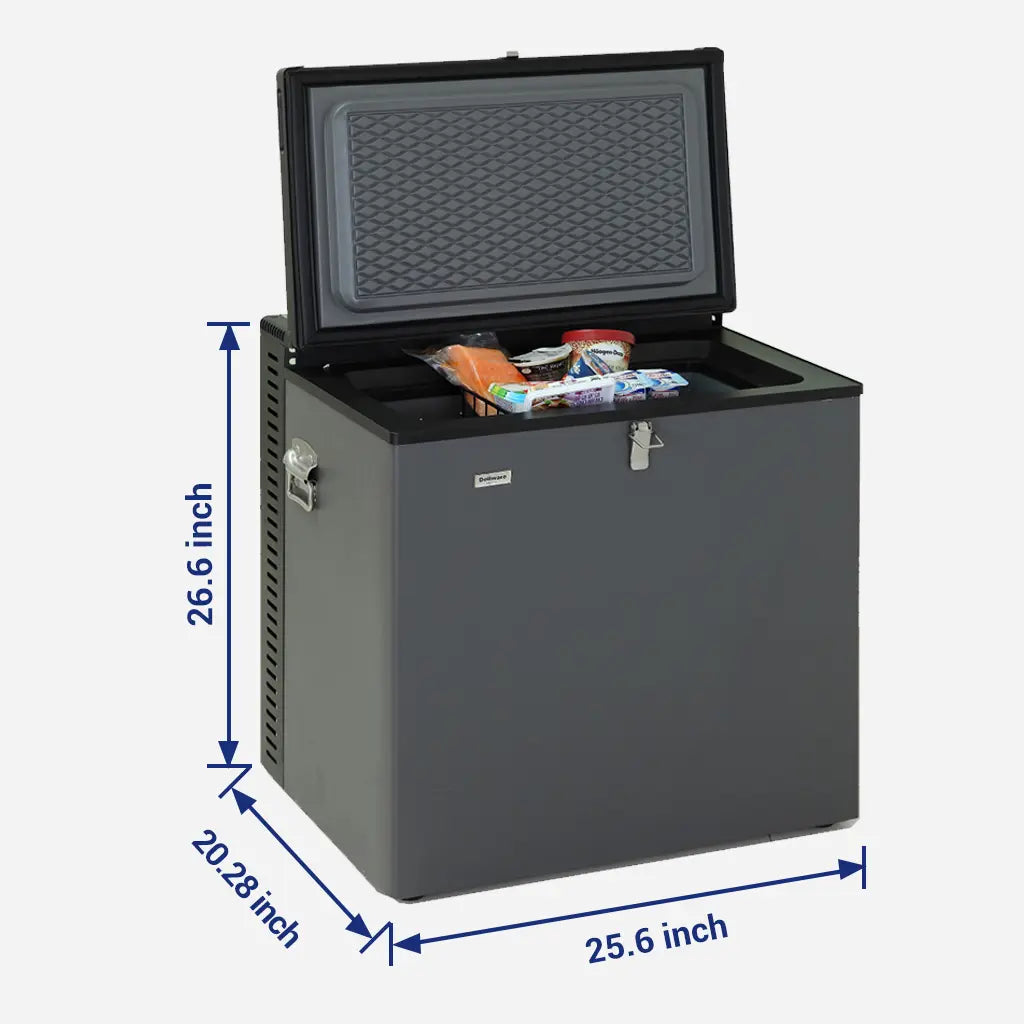
Most deep freezers use between 150 and 400 watts while running. On average, they consume about 200 to 300 kWh per year. Upright freezers tend to use more energy than chest freezers. Energy use also depends on the freezer's size and efficiency rating.
| Type | Average Wattage | Annual Energy Use (kWh) |
|---|---|---|
| Chest Freezer (5-7 cu ft) | 150 - 250 W | 200 - 300 kWh |
| Upright Freezer (7-10 cu ft) | 200 - 400 W | 250 - 400 kWh |
Factors Affecting Energy Use
- Size:Larger freezers consume more power to stay cold.
- Age:Older models often use more energy than new ones.
- Temperature Setting:Lower temperatures require more electricity.
- Location:Placing near heat sources increases energy use.
- Usage:Frequent opening makes the freezer work harder.
- Insulation:Better insulation reduces power needed to maintain cold.
Credit: www.danby.com
Calculating Running Costs
Calculating the running costs of your deep freezer helps you understand its impact on your monthly electricity bill. Knowing these expenses lets you make smarter choices about energy use and can even guide you when shopping for a new appliance. Let’s break down how you can estimate these costs clearly and simply.
Estimating Monthly Expenses
Start by checking your deep freezer’s power consumption, usually listed in watts (W) on the label or manual. Suppose it uses 150 watts and runs for about 8 hours a day. Multiply the watts by hours used to find daily energy use:
- 150 W × 8 hours = 1200 watt-hours or 1.2 kWh per day
To estimate the monthly consumption, multiply by 30 days:
- 1.2 kWh/day × 30 = 36 kWh per month
Next, multiply this by your electricity rate to find the cost. This gives you a clear picture of your deep freezer’s monthly impact.
Impact Of Electricity Rates
Electricity rates vary widely depending on where you live. For example, if your rate is $0.12 per kWh, the monthly cost would be:
| Monthly kWh Usage | Electricity Rate ($/kWh) | Monthly Cost ($) |
|---|---|---|
| 36 | 0.12 | 4.32 |
If your rate is higher, say $0.20 per kWh, the monthly cost jumps to $7.20. This difference might seem small but adds up over time. Have you checked your last electricity bill to see what you’re actually paying per kWh? Knowing your exact rate could help you find ways to reduce costs or decide if a more energy-efficient model is worth the investment.
Energy Efficiency Tips
Energy efficiency plays a crucial role in managing the cost of running a deep freezer. Small changes in how you use and maintain your freezer can lead to significant savings on your electricity bill. Let’s look at practical tips that help you get the most from your freezer without wasting energy.
Choosing The Right Size
Picking a freezer size that fits your actual needs is key. A unit that's too large will use more energy cooling empty space, while a unit that's too small might force you to overfill it, making it work harder.
Think about how much frozen food you usually store. If you have a big family or like buying in bulk, a larger freezer makes sense. Otherwise, a compact model might be more energy-efficient and cost-effective.
Have you ever bought a large freezer only to find half of it empty most of the time? That’s wasted energy and money.
Optimal Placement And Maintenance
Where you place your deep freezer impacts how hard it works. Avoid spots near heat sources like ovens, radiators, or direct sunlight.
Make sure there’s enough space around the freezer for air to circulate. Crowding it against walls or cabinets can trap heat and force the compressor to run longer.
Regular maintenance keeps your freezer running efficiently. Clean the coils at the back or underneath every six months to prevent dust buildup. Dust acts like insulation, making the freezer use more power to stay cold.
Check the door seals often. If the gasket is damaged or dirty, cold air escapes, and your freezer has to work overtime. A simple fix like replacing a worn seal can cut energy use noticeably.
Comparing Freezer Types
Choosing the right type of deep freezer can significantly affect your electricity bill. Different models use energy in distinct ways, which impacts their running costs. Understanding these differences helps you pick a freezer that fits your budget and lifestyle.
Chest Vs Upright Models
Chest freezers generally use less energy than upright models because their design limits cold air loss when opened. The cold air stays inside the deep freezer due to the top-opening lid, unlike upright freezers where the door opens sideways, allowing cold air to escape.
On the other hand, upright freezers offer easier access and better organization with shelves and compartments. However, this convenience can come with higher energy consumption, sometimes up to 10-20% more than chest models.
Think about how often you open your freezer and what you store. If you open it frequently, a chest freezer might save you money in the long run despite its bulkier size. Have you noticed your upright freezer working harder to maintain temperature? That’s energy slipping away.
Energy Star Ratings
Energy Star certification is a reliable way to identify energy-efficient freezers. Models with this rating consume at least 15% less energy than non-certified ones. This difference might not seem huge day-to-day, but over a year, it adds up to substantial savings.
When shopping, compare the annual energy consumption figures listed on the freezer’s label. An Energy Star-rated freezer might cost more upfront but reduces your electricity bills noticeably.
Ask yourself: Are you willing to pay a bit more now to save hundreds in energy costs later? Checking these ratings can make your choice clearer and your wallet happier.
Saving Money Long-term
Running a deep freezer uses electricity, which adds to your monthly bills. Knowing its energy cost helps plan your budget and save money long-term. Choosing an energy-efficient model reduces expenses over time.
Saving money long-term with your deep freezer is not just about finding the cheapest electricity rates. It's about smart habits and making informed decisions that can significantly impact your monthly utility bills. By adopting efficient practices and considering upgrades, you can ensure your deep freezer operates at its best, keeping your costs down while preserving your food efficiently.
Smart Usage Habits
Monitoring how you use your deep freezer can lead to noticeable savings. Are you guilty of leaving the lid open while you ponder over your next meal choice? This common habit can cause your freezer to work harder, using more energy. Consider organizing your freezer contents. A well-organized freezer minimizes the time spent searching for items, reducing the time the door remains open. It's like reducing energy waste by simply being a bit more prepared. Another tip is to keep your freezer full but not overcrowded. A full freezer retains cold better than an empty one, using less energy to maintain its temperature. You could even fill empty space with containers of water if you don't have enough food.
Upgrading To Efficient Models
Is your freezer an old model? Upgrading to a newer, energy-efficient model could be a game changer for your utility bill. Newer models often come with enhanced insulation and compressor technologies that reduce energy consumption significantly. When shopping for a new freezer, look for the Energy Star label. Appliances with this certification meet specific energy efficiency guidelines and can use up to 15% less energy than non-certified models. This can translate to substantial savings over the years. Have you ever calculated the cost of running an outdated appliance? The initial expense of a new freezer might seem daunting, but the long-term savings on your electricity bill can offset this cost. Taking a moment to weigh the costs and benefits, you might find that an upgrade is not just an expense, but a savvy investment.

Credit: canadianoffgriddepot.com
Credit: www.smadappliances.com
Frequently Asked Questions
How Much Electricity Does A Deep Freezer Use Monthly?
A deep freezer typically uses between 30 to 50 kWh per month. Usage varies by size, model, and temperature settings. Energy-efficient models consume less power, lowering monthly costs. Check the freezer's energy label for exact consumption details.
What Factors Affect A Deep Freezer's Running Cost?
Running costs depend on freezer size, insulation quality, and ambient temperature. Frequent door openings and poor maintenance increase energy use. Energy Star-rated freezers are more efficient, reducing electricity bills. Location and usage habits also influence overall costs.
How Can I Reduce My Deep Freezer's Energy Consumption?
Keep the freezer full but not overcrowded to maintain temperature efficiently. Avoid frequent door openings and ensure proper door seals. Defrost regularly and set the thermostat between -10°F and 0°F for optimal energy use.
Is It Cheaper To Run A Chest Or Upright Deep Freezer?
Chest freezers generally cost less to run than upright models. Their design minimizes cold air loss when opened. Chest freezers also have better insulation, which improves energy efficiency and lowers electricity bills over time.
Conclusion
A deep freezer costs less to run than many expect. Its energy use depends on size and model. Smaller freezers use less electricity. Keeping the door closed saves power. Regular maintenance helps it work well. Choosing an energy-efficient model cuts costs.
You can store food longer and save money. Running a deep freezer is affordable with smart use. Think about your needs before buying. This helps keep your electricity bill low.