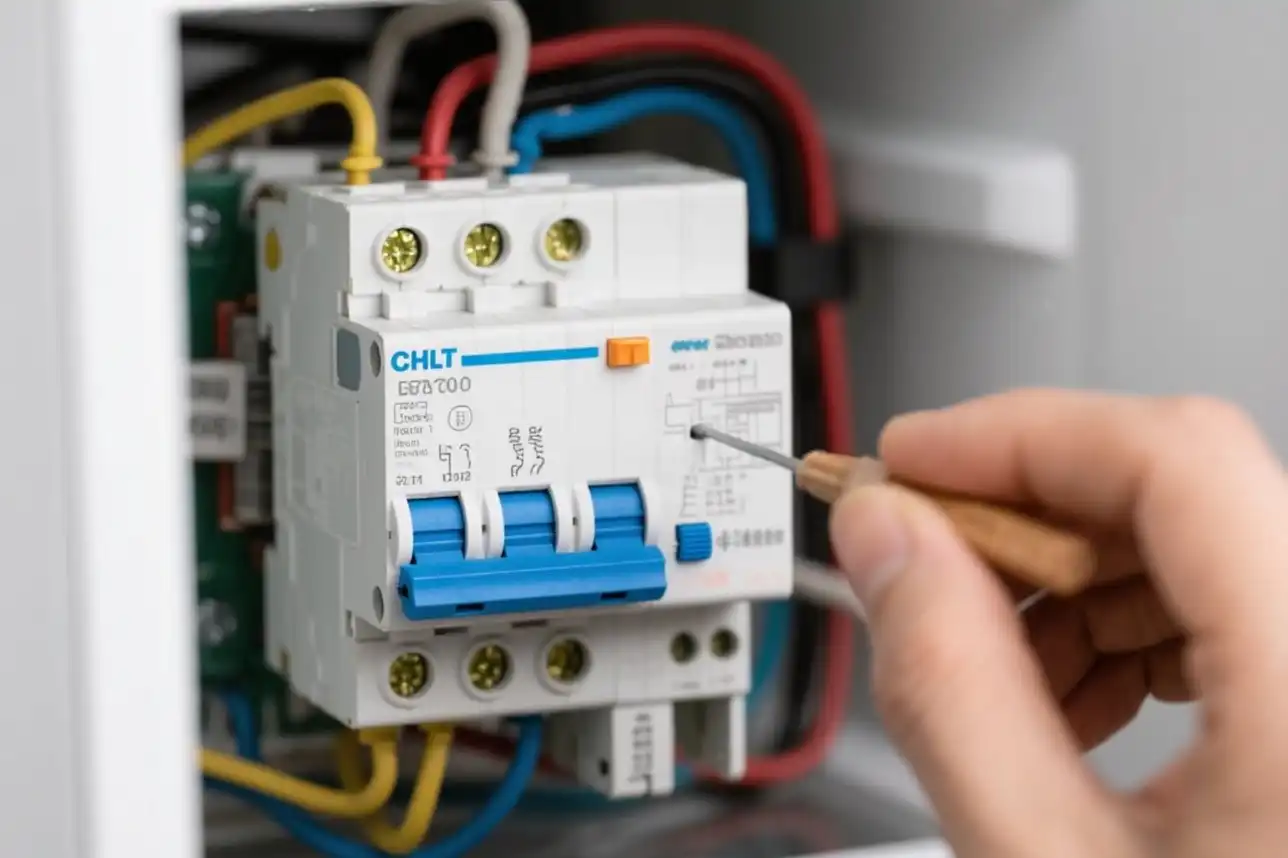
Are you curious about how much your chest freezer adds to your electricity bill? You might be surprised to learn that running a chest freezer can be more affordable than you think—or it might be costing you more than you expect.
Understanding the true cost to run your chest freezer helps you make smart choices for your budget and energy use. You’ll discover the key factors that affect the running cost, simple ways to save money, and what to look for when buying a new freezer.
Keep reading to find out exactly what your chest freezer costs you—and how you can keep those costs under control.

Credit: therestaurantwarehouse.com
Chest Freezer Energy Basics
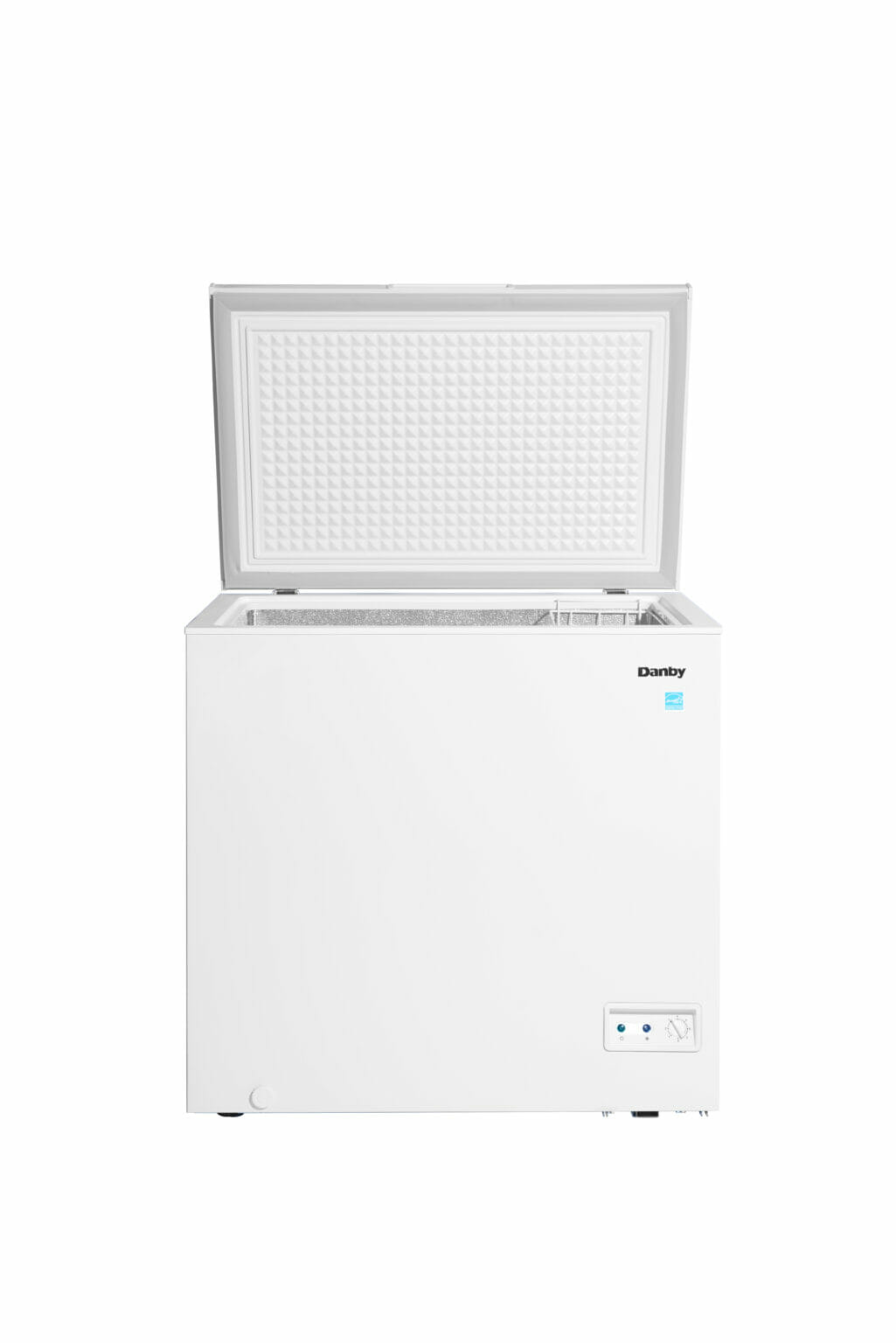
Understanding how a chest freezer uses energy helps you manage your electricity bills. These appliances keep food frozen by running a compressor. The compressor cycles on and off to maintain the set temperature inside. Knowing the basics of their energy use can help you save money and choose the right model.
Power Consumption Patterns
Chest freezers do not run constantly. The compressor switches on to lower the temperature. Once the freezer reaches the set point, the compressor turns off. This cycle repeats throughout the day. Power use depends on how often the compressor runs.
Energy use is higher when the freezer starts up. It requires more power to cool down after opening the lid. A full freezer stays cold longer, so the compressor runs less. An empty freezer cycles more often and uses more energy.
Factors Affecting Energy Use
- Size of the freezer: Larger freezers use more electricity.
- Temperature setting: Lower temperatures need more power to maintain.
- Room temperature: Warmer rooms make the freezer work harder.
- Frequency of opening: Opening the lid lets warm air in.
- Age and efficiency: Newer models often use less energy.
- Location: Placing the freezer away from heat sources reduces energy use.
Credit: www.danby.com
Estimating Running Costs
Estimating the running costs of a chest freezer helps plan your electricity budget. Knowing how much energy it uses daily and monthly gives a clear cost picture. Several factors impact these costs, including the freezer’s size and energy efficiency. Understanding these details makes choosing and using a freezer easier and more affordable.
Calculating Daily And Monthly Costs
Start by checking the freezer’s power consumption in watts, usually on a label or manual. Multiply watts by hours used per day, then divide by 1000 to get kilowatt-hours (kWh). Multiply kWh by your local electricity rate to find daily cost.
For example, a freezer using 150 watts running 8 hours daily uses:
- 150 watts × 8 hours = 1200 watt-hours
- 1200 watt-hours ÷ 1000 = 1.2 kWh per day
- If electricity costs $0.12 per kWh: 1.2 kWh × $0.12 = $0.14 per day
To find the monthly cost, multiply daily cost by 30 days. This method gives a simple way to estimate your freezer’s electricity expense.
Impact Of Freezer Size On Expenses
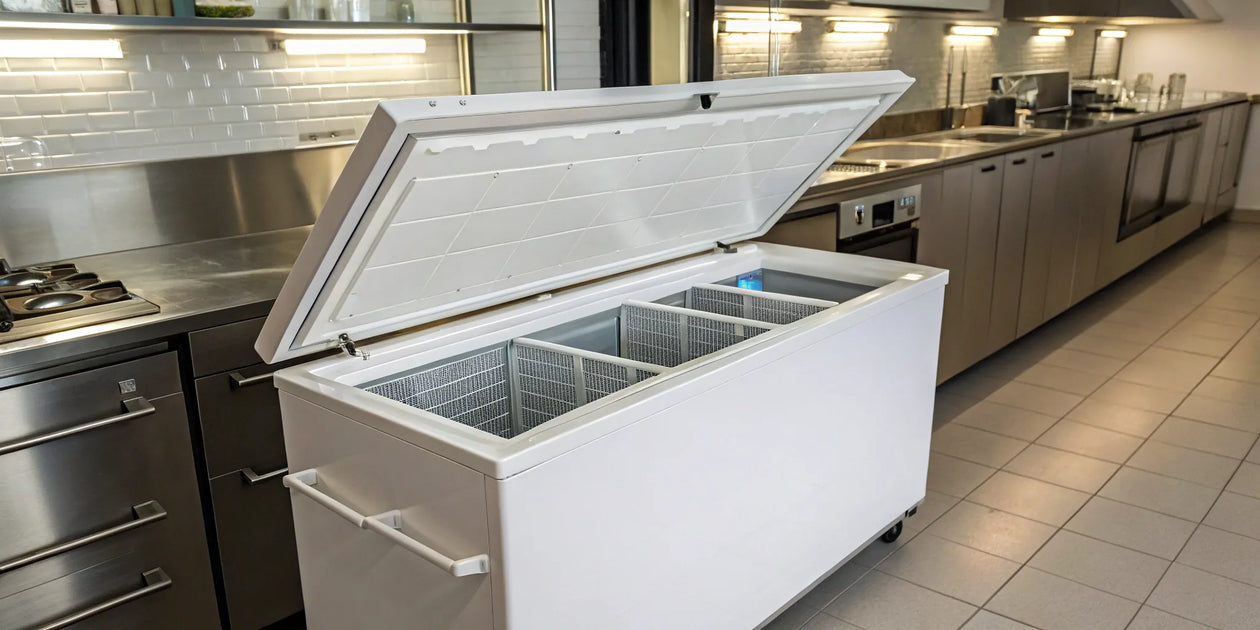
Larger chest freezers generally use more electricity than smaller ones. More space means the compressor works harder to maintain cold temperatures. Small freezers are cheaper to run but offer less storage.
Energy use varies by size:
| Freezer Size | Average Power Use (Watts) | Estimated Monthly Cost ($0.12/kWh) |
|---|---|---|
| 5 cubic feet | 100 | $10 |
| 10 cubic feet | 150 | $18 |
| 15 cubic feet | 200 | $24 |
Choosing the right size helps balance storage needs and running costs. Energy-efficient models save more money over time.
Energy Efficiency Ratings
Energy efficiency ratings show how much electricity a chest freezer uses. These ratings help you estimate running costs. Choosing a freezer with a good rating saves money over time. It also reduces your home's energy use and carbon footprint.
Understanding these ratings allows better decisions. You can compare models and find the most cost-effective option.
Interpreting Energy Labels
Energy labels display the freezer’s efficiency clearly. They usually have a letter grade from A to G. A means the freezer uses the least energy. G means it uses the most.
Labels show yearly energy consumption in kilowatt-hours (kWh). This number helps estimate your electricity cost. Lower kWh means lower running costs.
Some labels include extra info like noise level and freezer volume. These details help match the freezer to your needs.
Choosing Energy-saving Models
Look for models with high energy ratings. These freezers use less power. They cost less to run every month.
Newer models often have better insulation and compressors. These features improve energy efficiency.
Chest freezers with automatic defrost may use more energy. Manual defrost models usually save more power.
- Check for Energy Star or similar certifications.
- Choose the right size for your storage needs.
- Consider freezers with adjustable temperature controls.
Energy-efficient freezers help reduce electricity bills. They also last longer and perform better.
Credit: therestaurantwarehouse.com
Tips To Reduce Energy Bills
Reducing the energy bills of your chest freezer doesn't have to be complicated. Small changes in how and where you use your freezer can lead to noticeable savings. Here are some practical tips to help you cut down on electricity costs while keeping your food safely frozen.
Optimal Freezer Placement
Where you place your chest freezer affects how much energy it uses. Avoid putting it near heat sources like ovens, radiators, or direct sunlight. These can make your freezer work harder to stay cold.
Choose a cool, dry spot with good air circulation around the freezer. This helps the compressor run efficiently. I once moved my freezer from a sunny garage corner to a shaded basement wall and saw a drop in energy use within a month.
Maintenance For Efficiency
Regular maintenance keeps your freezer running smoothly and saves energy. Check and clean the coils at least twice a year to remove dust and dirt. Dirty coils make the compressor work overtime.
Also, inspect the door seal for cracks or gaps. A tight seal prevents cold air from escaping. You can test this by closing the door on a piece of paper; if it slips out easily, the seal may need replacing.
Smart Usage Practices
How you use your chest freezer matters. Try to keep the freezer at a consistent temperature, around 0°F (-18°C). Avoid opening the door frequently or leaving it open for long periods.
Organize your freezer so you can find items quickly. Label containers and group similar foods together. This reduces the time the door stays open and keeps the cold air inside.
Have you ever noticed your freezer running more after adding a large amount of warm food? Let hot items cool down before freezing to prevent extra energy use. These small habits can make a big difference over time.
Comparing Chest Freezers And Upright Models
When buying a freezer, consider both chest and upright models. Each has unique features and costs. Understanding these can help you make an informed choice. Let's explore the differences in energy consumption and cost benefits.
Energy Consumption Differences
Chest freezers generally use less energy than upright models. Their design helps maintain temperature better. Cold air stays in when the lid is open. This reduces the need for the compressor to work harder. Upright freezers lose more cold air. They must work more to stay cool, using more energy.
Cost Benefits Of Each Type
Chest freezers are often cheaper upfront. They tend to have lower operating costs. This makes them a cost-effective choice for many. Upright freezers offer more convenience. They have shelves and bins for easy access. Their higher energy use can lead to bigger electricity bills.
Choosing the right freezer depends on your needs. Consider both cost and convenience. Balance energy savings with ease of use to find your perfect match.
Renewable Energy And Freezer Use
Using renewable energy to power chest freezers offers a smart way to save money and reduce environmental impact. Freezers run constantly, so their energy use adds up over time. Choosing green energy sources helps lower electricity bills and shrink your carbon footprint. This section explores how solar power and other eco-friendly options support freezer use.
Solar-powered Chest Freezers
Solar power works well with chest freezers because they need steady energy. Solar panels capture sunlight and convert it into electricity. This energy can run a freezer during the day. Battery storage holds extra power for night use. Solar-powered freezers cut electricity costs and rely less on the grid.
Installing solar panels requires upfront investment. Over time, savings on energy bills often cover this cost. Solar setups can be scaled to fit small or large freezers. Some models are designed specifically for solar use, improving efficiency and performance.
Eco-friendly Alternatives
Besides solar power, other green options exist for freezer energy. Wind turbines generate electricity if your location suits. They can work alongside solar panels for more energy security. Using energy-efficient freezers also lowers consumption. Look for models with high energy star ratings.
- Choose freezers with good insulation to reduce energy loss.
- Keep the freezer full to maintain cold temperatures efficiently.
- Place the freezer in cool areas away from heat sources.
- Regularly defrost the freezer to maintain performance.
Combining these steps with renewable energy reduces running costs. It supports a cleaner environment and saves money.
Frequently Asked Questions
How Much Electricity Does A Chest Freezer Use Monthly?
A chest freezer typically uses between 30 to 60 kWh per month. The exact usage depends on size, age, and temperature settings. Energy-efficient models consume less power, reducing your electricity bills significantly.
What Factors Affect Chest Freezer Running Costs?
Key factors include freezer size, insulation quality, temperature settings, and frequency of door opening. Older models tend to use more electricity. Proper maintenance and energy-efficient features also impact running costs.
Can I Reduce A Chest Freezer’s Energy Consumption?
Yes, keeping the freezer full, maintaining optimal temperature, and placing it in a cool area help reduce energy use. Regularly defrosting and sealing gaps in the door also improve efficiency and lower costs.
Is Running A Chest Freezer Expensive Compared To A Fridge?
Chest freezers generally use less energy than upright freezers but can consume more than refrigerators. Cost depends on model efficiency and usage. Overall, chest freezers offer good value for long-term food storage.
Conclusion
A chest freezer can save money with smart use and care. Its running cost depends on size, age, and energy rating. Choosing the right model helps keep bills low. Regular maintenance also improves efficiency and lowers power use. Think about how often you open it.
Less opening means less energy spent. Small steps make a big difference in cost. Understanding these factors helps you manage your freezer’s expenses well. Keep these tips in mind for better savings.