You’ve just moved your freezer to a new spot, and now you’re itching to plug it in and get it running. But wait—how long should you really wait before turning it on?
Plugging in too soon can cause damage, while waiting too long might leave your food at risk. You’ll discover the simple, safe steps to follow so your freezer works perfectly every time. Keep reading to learn exactly how long you should wait and why it matters for your freezer’s health and your peace of mind.

Credit: www.whirlpool.com
Why Waiting Matters
Waiting before plugging in your freezer after moving isn’t just a random suggestion—it directly affects how well your appliance performs and how long it lasts. Moving can cause fluids inside the freezer’s compressor to shift, and if you plug it in too soon, you risk damaging these vital parts. Understanding why waiting matters helps you protect your investment and avoid costly repairs.
Impact On Compressor
The compressor is the heart of your freezer, responsible for circulating refrigerant and keeping things cold. During a move, the oil inside the compressor can move out of place or mix with the refrigerant. If you plug in the freezer immediately, the compressor might run without enough lubrication, causing it to overheat or fail.
Let’s say you moved your freezer upright but shook it a lot during the move. The oil could have settled incorrectly. Waiting allows the oil to flow back where it belongs, ensuring the compressor works smoothly when powered on.
Risks Of Immediate Plug-in
Plugging in the freezer right after moving might seem like a good idea to get things running quickly. However, this can lead to problems like:
- Compressor damage due to lack of oil circulation
- Inefficient cooling that strains the freezer’s components
- Shortened lifespan of your appliance
Have you ever noticed your freezer making strange noises after a move? That’s often a sign the compressor is struggling. Waiting at least a few hours, or sometimes up to 24 hours depending on the move, can prevent these issues.
Ideal Waiting Time
Knowing the ideal waiting time before plugging in your freezer after a move is crucial to keep it running efficiently and avoid damage. The waiting period allows the refrigerant and oil inside the compressor to settle properly after being jostled during transportation. But how long should you wait exactly? Let’s break down the general rules and the factors that might change this timing.
General Guidelines
The most common advice is to wait about 2 to 4 hoursbefore plugging in your freezer after moving it. This timeframe helps the internal fluids settle back into place.
If your freezer was transported upright, the shorter end of the waiting period often works. However, if it was laid down or tilted, leaning towards 4 hours or more is safer.
Some experts even recommend waiting up to 24 hours if the freezer was on its side for a long time. It might feel like a long wait, but this patience helps prevent compressor damage and ensures optimal performance.
Factors Affecting Wait Duration
Several factors influence how long you should wait before plugging in your freezer:
- Position During Transport:Upright transport requires less wait time compared to when the freezer is tilted or laid flat.
- Freezer Size and Model:Larger or older models may need more time for the internal fluids to settle.
- Temperature Conditions:Moving in cold weather might reduce the wait time, as the fluids stay thicker and more stable.
Think about your last move: did you carry your freezer upright or sideways? This simple detail can change how long you should wait.
Also, check your freezer’s manual if you have it handy. Manufacturers sometimes provide specific instructions based on the model, which can save you time and potential headaches.
Steps Before Plugging In
Before you plug in your freezer after a move, there are important steps to take to ensure it works properly and lasts longer. Skipping these can cause damage or reduce efficiency. Taking a few extra minutes now can save you headaches later.
Positioning The Freezer
Place your freezer on a flat, stable surface. Uneven flooring can cause vibrations and affect its performance.
Keep it away from direct sunlight or heat sources like ovens and radiators. This helps maintain the right internal temperature without overworking the compressor.
Also, make sure there’s enough space around the freezer for air to flow freely—usually a few inches on each side. Lack of ventilation can cause overheating.
Cleaning And Inspection
Before plugging in, clean the freezer’s interior and exterior with a mild detergent and warm water. Moving can stir up dust and dirt that might affect the seals or cooling system.
Check the door seals for cracks or damage. Tight seals keep cold air in and save energy.
Inspect the power cord for any cuts or frays. Using a damaged cord can be dangerous and might cause electrical problems.
Have you ever plugged in an appliance only to find it wasn't working properly? Taking these small steps helps you avoid that frustration with your freezer.
Signs Your Freezer Is Ready
Knowing when your freezer is ready to plug in is important after moving. It prevents damage and keeps food safe. Some signs show the freezer is ready to work again. Watch for these before turning it on.
No Unusual Noises
After moving, listen carefully to your freezer. It should be quiet without strange sounds. No loud bangs, clicks, or humming noises means internal parts settled well. Strange noises might show damage or a problem inside. Wait until the freezer stays silent before plugging it in.
Stable Temperature
The freezer should reach room temperature before use. Check if the outside feels cool or warm, not cold. Use a thermometer to measure inside temperature. It should be steady and not dropping fast. A stable temperature shows the freezer is safe to power on without risk of damage.
Common Mistakes To Avoid
Plugging in a freezer too soon after moving can cause damage. Waiting allows the oil inside to settle properly. Avoid rushing to prevent costly repairs.
Moving a freezer can be quite a task, and when it’s finally in its new spot, you might feel eager to plug it in and get it running. However, rushing this process can lead to common mistakes that may affect its performance and lifespan. Knowing what to avoid can save you time, money, and headaches in the long run.
Plugging In Too Soon
The excitement to see your freezer operational can tempt you to plug it in immediately after moving. This is a mistake many make, often leading to poor cooling performance or even damage. When a freezer is transported, especially on its side, the compressor oil can flow into the cooling lines. Allowing the freezer to settle for a few hours after moving helps the oil to return to the compressor, preventing any potential damage when you power it on. Have you ever found yourself impatient, ready to plug in an appliance only to realize later that the rush cost you more time? Waiting is crucial here. It’s recommended to let the freezer sit upright for at least 4-6 hours before plugging it in.
Ignoring Manufacturer Instructions
Each freezer is unique, and so are the guidelines provided by its manufacturer. Ignoring these instructions can lead to inefficiencies or voided warranties. Always take a moment to read the manual or look for the installation guidelines online. You might think you know the drill, but manufacturers often include specific tips for first-time setups that can make a difference. Whether it's a special tip about the first freeze cycle or the recommended room temperature, these insights are vital. Have you ever ignored a manual only to regret it later? This is one scenario where following the guide can prevent future troubles. In essence, these common mistakes are often just a result of impatience or oversight. By taking your time and paying attention to details, you can ensure your freezer operates smoothly and efficiently in its new home.
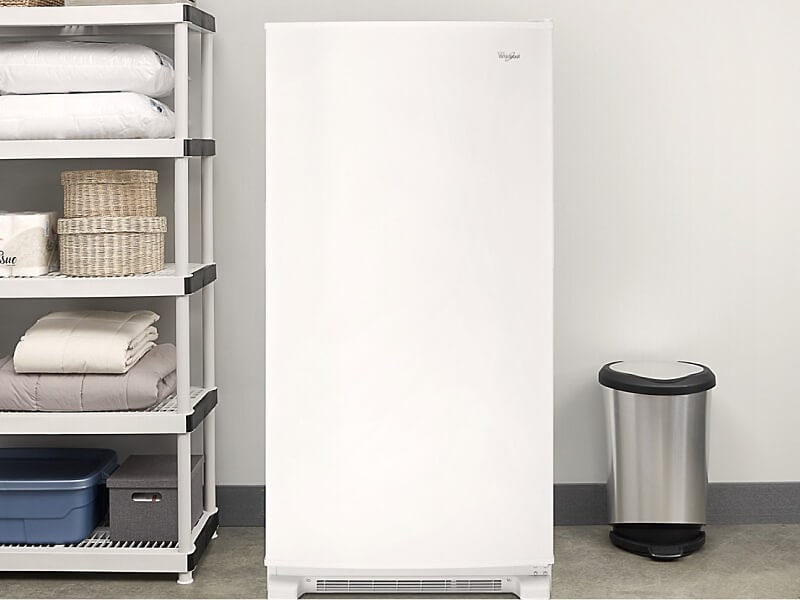
Credit: www.whirlpool.com
Additional Tips For Safe Operation
After moving a freezer, following extra safety tips helps keep it running well. These tips prevent damage and keep your food safe. Proper setup supports the freezer’s performance and energy use. Small steps make a big difference in the freezer’s life.
Leveling The Freezer
Check if the freezer stands flat on the floor. Use a level tool to see if it tilts. Adjust the feet to make it steady. A level freezer keeps the door tight and seals properly. This stops cold air from escaping and saves energy. Avoid tilting, as it may cause the compressor to fail.
Allowing Proper Airflow
Leave space around the freezer for air to move freely. Keep at least 2-3 inches of clearance on all sides. Good airflow helps the freezer cool efficiently. Avoid placing it near heat sources like ovens or direct sunlight. Poor airflow causes the freezer to work harder and use more electricity.
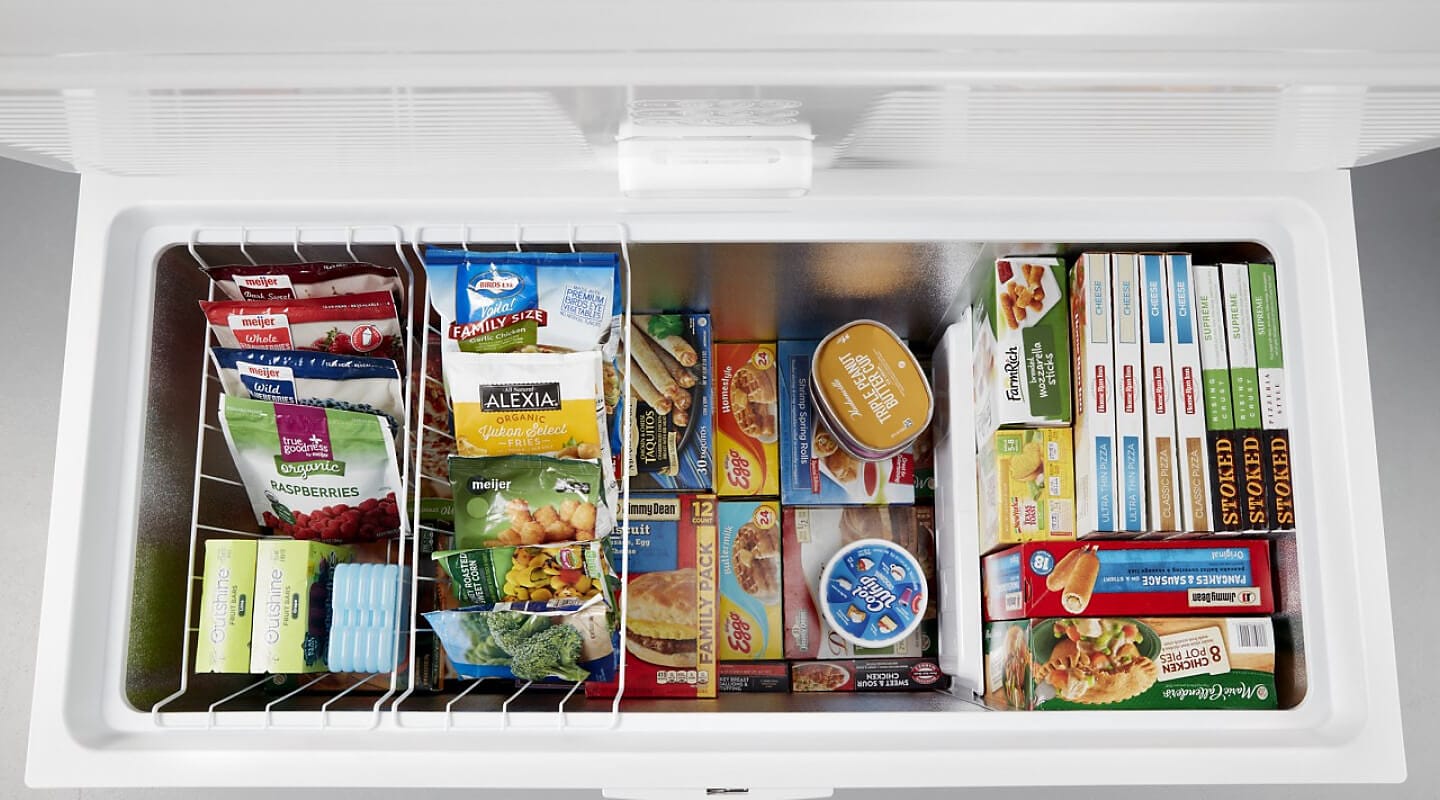
Credit: www.whirlpool.com
Frequently Asked Questions
How Long Should I Wait Before Plugging In My Freezer?
Wait at least 2 to 4 hours before plugging in your freezer. This allows the refrigerant to settle and prevents damage. Some models may require up to 24 hours, so check the manufacturer’s guidelines for exact timing.
Why Must I Wait Before Starting A Moved Freezer?
Waiting prevents compressor damage caused by unsettled oil and refrigerant. Moving a freezer can cause fluids to shift. Allowing time for these to stabilize ensures your freezer operates efficiently and lasts longer.
Can I Plug In My Freezer Immediately After Moving?
No, plugging in immediately can harm the compressor. The fluids inside need time to settle. Waiting helps avoid costly repairs and maintains the freezer’s cooling performance.
Does Freezer Size Affect Wait Time After Moving?
Yes, larger freezers may require longer settling times. However, the standard wait is usually between 2 to 4 hours. Always refer to your freezer’s manual for specific instructions.
Conclusion
Waiting before plugging in your freezer helps protect its parts. Moving can cause oil inside the compressor to shift. Letting it sit allows the oil to settle back. Usually, wait at least 4 hours before turning it on. This simple step keeps your freezer working well for years.
Remember, patience now saves repair costs later. Keep your food safe and your freezer healthy by waiting the right time. Small wait, big benefits.