You’ve just brought home your new refrigerator, and now comes the big question: how long does it take to cool down? You want your fresh groceries chilled and your drinks icy, but rushing the process can cause problems.
Understanding exactly how long it takes for your fridge to reach the perfect temperature can save you from spoiled food and wasted energy. You’ll discover clear answers and simple tips to get your new refrigerator working at its best—fast and hassle-free.
Keep reading to make sure your fridge cools just right every time.
Factors Affecting Cooling Time
The time a new refrigerator takes to cool depends on several key factors. These factors influence how fast the appliance reaches the right temperature for storing food safely. Understanding them helps you set the right expectations.
Size And Capacity
Larger refrigerators take longer to cool than smaller ones. The bigger the fridge, the more space needs to reach the target temperature. Also, models with bigger capacity have more air volume inside. This means more cooling is required, which extends the cooling time.
Room Temperature
The temperature of the room affects how quickly the fridge cools. If the room is very warm, the refrigerator works harder to cool down. Cooler room temperatures help the fridge reach the desired coldness faster. Avoid placing the fridge near heat sources like ovens or direct sunlight.
Initial Refrigerator Temperature
The fridge’s starting temperature influences the cooling time. A fridge at room temperature takes longer to cool than one pre-chilled. If the fridge was stored in a warm place before delivery, it needs more time. Starting from a cooler state shortens the wait for optimal cooling.
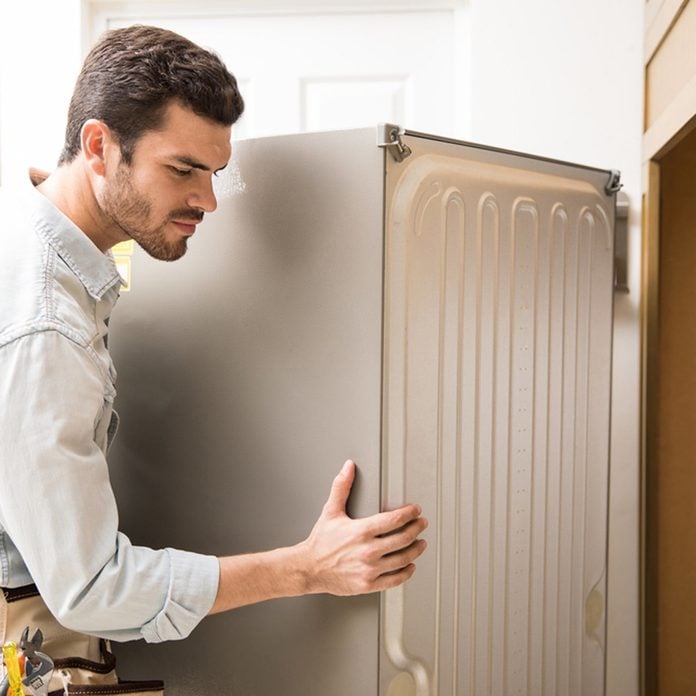
Credit: www.familyhandyman.com
Preparing Your Refrigerator
Preparing your new refrigerator properly helps it cool efficiently and last longer. Taking simple steps before plugging it in avoids common issues. These steps create a clean, well-ventilated environment for your appliance.
Cleaning Before Use
Clean the interior with mild soap and warm water. Avoid strong chemicals that can leave harmful smells. Wipe shelves, drawers, and walls thoroughly. Dry all parts completely to prevent mold growth.
Remove any packaging materials or stickers inside the fridge. Check seals and gaskets for dust or debris. Clean these areas gently to ensure a tight door seal.
Positioning For Optimal Airflow
Place the refrigerator away from heat sources like ovens or direct sunlight. Allow space around the fridge for air to circulate freely. Follow the manufacturer’s guidelines for clearance at the sides and back.
Keep the fridge on a flat, stable surface to avoid vibrations. Proper leveling helps the doors close tightly and the compressor work well.
Setting The Right Temperature
Setting the right temperature in your new refrigerator is crucial for efficient cooling and food safety. It affects how quickly your fridge reaches the ideal coldness and maintains freshness. Knowing the right temperature range and how to adjust settings can save you time and energy.
Recommended Temperature Range
The ideal temperature for a refrigerator is between 37°F and 40°F (3°C to 4°C). This range keeps your food fresh without freezing it. Temperatures above 40°F can cause food to spoil faster, while temperatures below 37°F might freeze delicate items like fruits and vegetables.
Many refrigerators come preset at 38°F, which is a good starting point. Check your user manual for specific recommendations based on your model. Have you noticed your milk spoiling quickly? It might be time to check if your fridge is set too warm.
Adjusting Settings For Quick Cooling
If you want your new refrigerator to cool down faster after installation, slightly lowering the temperature setting can help. Try setting it to around 35°F (1.6°C)for the first 24 hours, then adjust back to the recommended range.
Most modern fridges have a digital control panel or a dial inside. Adjust the settings gradually; avoid drastic changes to prevent overworking the compressor. Remember, opening the door frequently during this period slows down the cooling process.
Have you ever wondered why your fridge doesn’t cool quickly after a power outage? Setting a lower temperature temporarily can speed things up, but always monitor food closely to avoid freezing.

Credit: wilshirerefrigeration.com
Tips For Faster Cooling
Cooling a new refrigerator quickly helps keep your food fresh and safe. Follow simple tips to speed up the process. These easy steps improve cooling efficiency without extra effort.
Avoid Overloading
Keep the fridge shelves light during the first hours. Overloading blocks air flow and slows cooling. Space allows cold air to move freely inside. Store only a few items until the temperature drops.
Keep The Doors Closed
Opening the door lets warm air enter. This delays the cooling time. Check items quickly and close the door firmly. Avoid standing with the door open for long periods.
Use Ice Packs Or Cold Items
Place frozen ice packs or cold bottles inside. These help lower the temperature faster. Cold items absorb heat and support the fridge’s cooling system. Remove them once the fridge reaches the right temperature.
Common Mistakes To Avoid
New refrigerators need time to reach the right temperature. Many people make mistakes that delay this process. Avoiding these common errors helps your fridge cool faster and work better.
Ignoring Manufacturer's Instructions
Each fridge has specific setup and cooling times. Skipping the manual can cause confusion. Some models need to stand before plugging in. Others require a certain temperature setting. Follow the instructions closely to avoid problems. This ensures the fridge cools efficiently and lasts longer.
Frequent Door Opening
Opening the door often lets warm air inside. This makes the fridge work harder. It takes longer to cool down after each opening. Avoid opening the door too much during the first hours. Keep food and drinks ready outside if possible. This helps the fridge reach the right temperature quicker.
Monitoring The Cooling Progress
Monitoring the cooling progress of a new refrigerator helps ensure it reaches the right temperature. This process confirms the appliance works correctly and keeps food safe. Regular checks prevent spoilage and maintain efficiency. Simple tools and careful observation make this task easy.
Using A Thermometer
Place a refrigerator thermometer inside the fridge. Position it in the middle shelf for accurate readings. Check the temperature after a few hours and note the changes. The ideal temperature should be around 37°F (3°C). For the freezer, aim for 0°F (-18°C). Keep checking every hour until the temperature stabilizes.
Checking After Power Outages
Power outages can affect your fridge's cooling ability. After the power returns, monitor the temperature closely. Use a thermometer to check if the fridge cools back to the right level. Avoid opening the door often to keep the cold air inside. If the fridge does not cool properly within a few hours, consider calling a technician.

Credit: www.nytimes.com
Frequently Asked Questions
How Long Does A New Refrigerator Take To Cool?
A new refrigerator usually takes 4 to 24 hours to cool completely. The exact time depends on the model and size. Avoid putting food inside during this time for best results.
Can I Speed Up The Cooling Of A New Fridge?
To speed up cooling, keep the door closed as much as possible. Set the thermostat to the recommended level and avoid overloading the fridge initially.
Why Is My New Refrigerator Not Cooling Fast?
If cooling is slow, check the door seal and thermostat settings. Also, ensure the fridge has proper ventilation and isn't placed near heat sources.
Is It Normal For A New Fridge To Be Warm Initially?
Yes, new refrigerators often feel warm initially due to the cooling process starting. This is normal and should resolve within 24 hours.
Conclusion
A new refrigerator needs time to reach the right temperature. Usually, it takes about 4 to 24 hours. Keep the door closed to help it cool faster. Avoid putting food inside too soon. This way, your fridge works better and keeps food fresh.
Patience pays off for good cooling and energy savings. Follow these simple tips for the best results. Your new appliance will be ready when it feels cold inside. Trust the process and enjoy fresh food every day.