Cooking a whole chicken in a Dutch oven is a simple way to create a juicy, flavorful meal. But you might be wondering, how long should you cook it to get the best results?
If you’ve ever worried about undercooking or drying out your chicken, this guide is for you. You’ll discover the perfect cooking time and tips to make your chicken tender and delicious every time. Keep reading to unlock the secrets to mastering your Dutch oven chicken!

Credit: www.theseasonedmom.com
Choosing The Right Chicken
Choosing the right chicken is key to a delicious Dutch oven meal. The type and size of the chicken affect cooking time and taste. Picking fresh, good-quality chicken helps ensure juicy results. The chicken should fit well inside your Dutch oven for even cooking. Understanding the differences between fresh and frozen chicken guides better choices. Also, knowing the ideal chicken size helps avoid undercooked or dry meat.
Fresh Vs Frozen Chicken
Fresh chicken cooks more evenly and usually tastes better. It has a firmer texture and juicier meat. Frozen chicken needs proper thawing before cooking. Thaw slowly in the fridge for 24 hours or more. Cooking frozen chicken directly in the Dutch oven can lead to uneven results. Fresh chicken offers more control over seasoning and flavor absorption.
Ideal Chicken Size For Dutch Oven
Choose a chicken that fits comfortably inside your Dutch oven. Most Dutch ovens handle chickens between 3 to 5 pounds well. Smaller chickens cook faster and stay tender. Larger chickens need more cooking time and space. Too large a chicken may not cook evenly or fit under the lid. Measure your Dutch oven's diameter to pick the perfect size.
Preparing The Chicken
Getting your whole chicken ready for the Dutch oven is a crucial step that sets the stage for a juicy and flavorful meal. Proper preparation ensures the heat penetrates evenly and the seasoning sticks well. Let's talk about how to make your chicken shine before it even hits the pot.
Seasoning Tips
Seasoning is more than just sprinkling salt and pepper. To really enhance the flavor, rub the chicken inside and out with a mixture of your favorite herbs and spices. Consider using garlic powder, paprika, thyme, and a pinch of cayenne for a subtle kick.
Don't forget to season under the skin where possible. This keeps the flavors close to the meat and makes every bite delicious. A quick tip: pat your chicken dry before seasoning to help the spices stick better and create a crispy skin.
Trussing The Bird
Trussing might sound fancy, but it's simply tying the legs and wings close to the body. This helps the chicken cook evenly and retain moisture during the slow cooking process in the Dutch oven.
Use kitchen twine to tie the legs together and tuck the wings under the bird. If you skip this step, you risk uneven cooking and dry edges. Have you noticed how much better a well-tied chicken looks when you serve it? It’s a small step that makes a big difference.
Dutch Oven Selection
Selecting the right Dutch oven is key to cooking a whole chicken perfectly. The choice affects cooking time, heat distribution, and flavor. Understanding material, size, and lid types helps make the best pick.
Material And Size Considerations
Cast iron Dutch ovens hold and spread heat evenly. This ensures the chicken cooks through without burning. Enameled cast iron is easy to clean and doesn’t need seasoning. Steel Dutch ovens heat faster but may have hot spots.
Choose a size that fits the whole chicken comfortably. A 5-7 quart Dutch oven suits most whole chickens. Too small a pot will crowd the bird, slowing cooking. Too large may cause heat loss and uneven cooking.
Lid Types And Their Effects
A tight-fitting lid traps steam inside the Dutch oven. This keeps the chicken moist and tender. Some lids have a raised pattern to collect condensation and drip it back onto the chicken. Flat lids may let steam escape faster, drying the chicken.
Heavier lids hold heat better and seal the pot well. Lightweight lids can cause temperature fluctuations. Choose a lid that fits snugly to maintain consistent heat and moisture levels.
Cooking Temperatures
Cooking a whole chicken in a Dutch oven usually takes about 1. 5 to 2 hours at 350°F. Check the internal temperature; it should reach 165°F for safe eating. Slow, even heat helps keep the chicken juicy and tender.
Cooking a whole chicken in a Dutch oven is a culinary delight, especially when you get the cooking temperature just right. The temperature you choose will determine the texture and flavor of your chicken. Whether you prefer the succulent tenderness from a slow cook or the crispy skin from high heat, understanding these methods will enhance your cooking experience.
Low And Slow Method
Opting for the low and slow method means patience is your best friend. Cooking the chicken at a lower temperature, around 300°F (150°C), allows the meat to become incredibly tender and juicy. This technique can take about 2.5 to 3 hours, depending on the size of your chicken. The benefit of this method is the depth of flavor you achieve. Imagine pulling the meat apart effortlessly as it absorbs all the rich flavors of herbs and spices. But here's a thought: are you prepared to wait for that melt-in-your-mouth experience? Sometimes, the anticipation is worth every minute.
High Heat Roasting
For those who crave crispy skin, high heat roasting is the way to go. By setting your oven to 425°F (220°C), you can achieve a beautifully browned exterior in about 1.5 hours. This method is perfect when you're short on time but still want a deliciously roasted chicken. The high heat locks in moisture, ensuring the inside remains succulent. Yet, there’s a trade-off. The quick roast might mean less time for the flavors to meld deeply. Are you ready to trade the slow build-up of flavor for a crispy, golden finish? Choosing between these methods depends on your schedule and taste preferences. Whether you're planning a leisurely Sunday dinner or a quick midweek meal, understanding your options lets you decide how to best savor your chicken.
Timing Guidelines
Knowing the right timing to cook a whole chicken in a Dutch oven can make all the difference between a juicy, tender meal and a dry, overcooked one. Timing depends on several factors including the chicken’s weight and whether it’s stuffed. Getting this right not only ensures safety but also enhances flavor and texture.
General Cooking Times By Weight
Cooking time varies mainly with the size of your chicken. A good rule of thumb is to allow about 20 minutes of cooking per pound at 350°F (175°C).
| Chicken Weight | Approximate Cooking Time |
|---|---|
| 3 to 4 pounds | 60 to 80 minutes |
| 4 to 5 pounds | 80 to 100 minutes |
| 5 to 6 pounds | 100 to 120 minutes |
Keep in mind that using a meat thermometer is the best way to check doneness. The internal temperature should reach 165°F (74°C) in the thickest part of the thigh.
Adjusting For Stuffed Chickens
Stuffed chickens need more time to cook because the stuffing inside absorbs heat more slowly than the chicken itself. Plan to add an extra 15 to 30 minutes depending on how much stuffing you use.
Make sure the stuffing reaches at least 165°F (74°C) as well. Undercooked stuffing can harbor bacteria, so don’t skip this step.
Have you ever wondered if stuffing affects the juiciness of your chicken? Adding moisture-rich ingredients to your stuffing can actually help keep the bird moist during the longer cooking time.
Checking Doneness
Knowing when your whole chicken is perfectly cooked in a Dutch oven is key to serving a juicy, safe-to-eat meal. Relying solely on cooking time can be risky because ovens and chicken sizes vary. Checking doneness ensures you avoid undercooked or overcooked results, giving you confidence at the table.
Using A Meat Thermometer
A meat thermometer is your most reliable tool for checking doneness. Insert it into the thickest part of the chicken’s thigh without touching the bone. The safe internal temperature should reach 165°F (74°C).
Digital thermometers give quick, accurate readings. If you don’t have one, consider investing—it’s worth it for perfect poultry every time. Have you noticed how many home cooks underestimate cooking time without a thermometer?
Visual And Texture Cues
Besides temperature, look at the chicken’s juices and texture to confirm it’s done. Clear juices running from the thigh when pierced indicate it’s cooked through. Pink or bloody juices mean it needs more time.
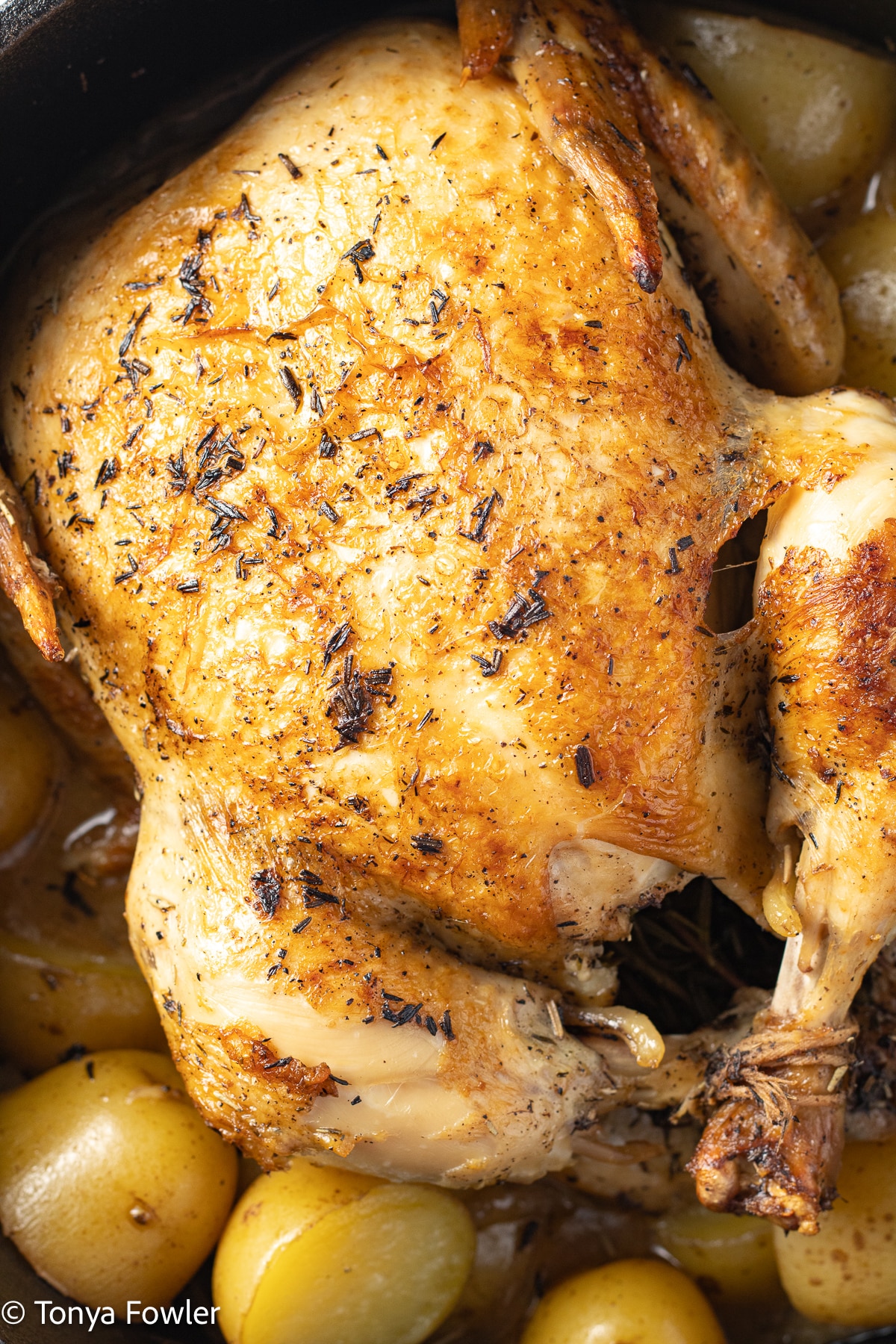
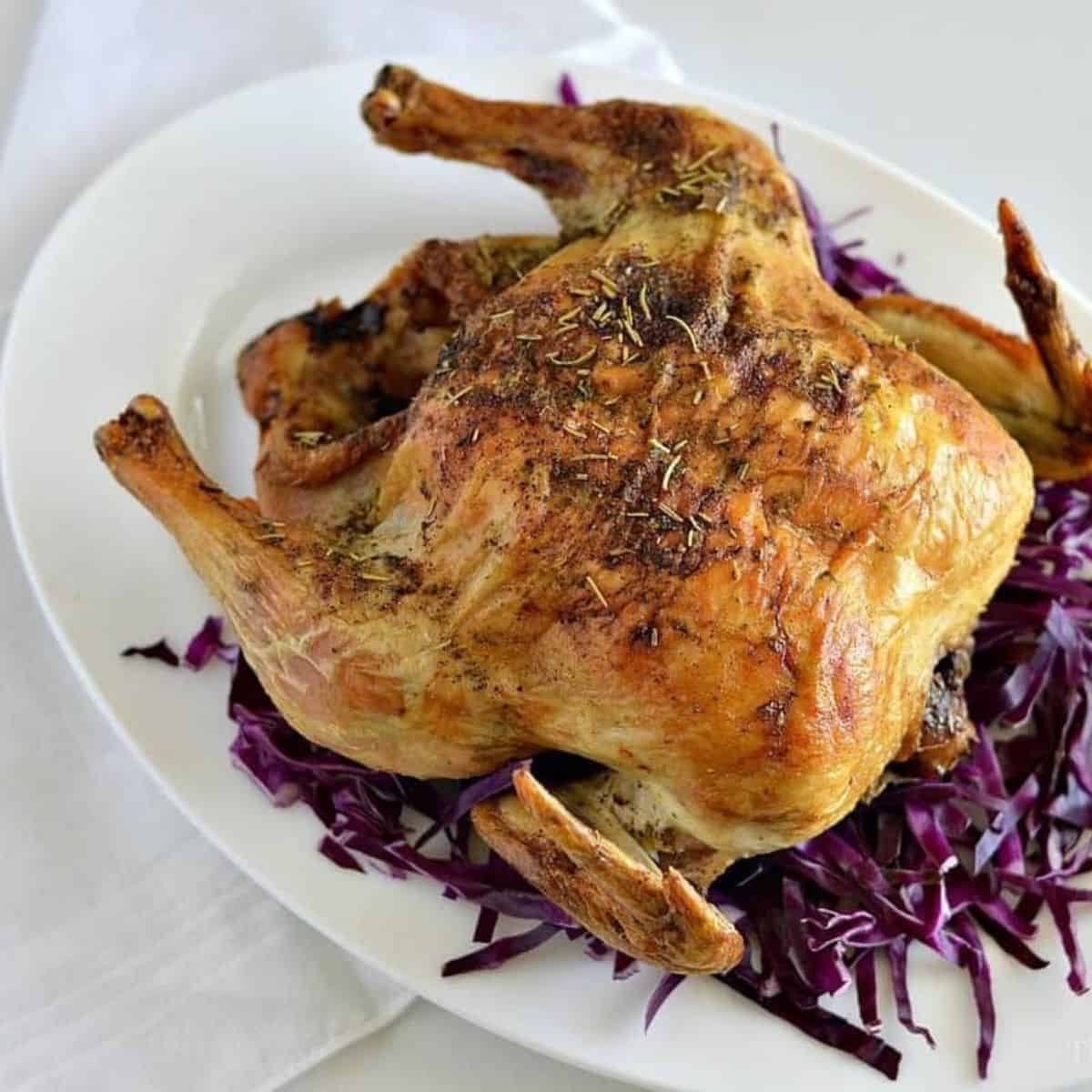
The skin should be golden brown and slightly crisp. When you press the thickest part of the thigh, it should feel firm but still springy, not rubbery or mushy. These small signs can guide you when a thermometer isn’t handy.
Resting And Serving
After your whole chicken has cooked in the Dutch oven, the next step is just as important: resting and serving. This phase can make a huge difference in how juicy and flavorful your chicken turns out. Taking the time to rest the bird before carving allows the juices to redistribute, preventing dry meat and enhancing every bite.
Importance Of Resting Time
Resting your chicken for about 15 to 20 minutes after cooking is crucial. During this time, the juices that were driven to the center by heat move back through the meat. This keeps your chicken moist and tender, rather than letting all the flavorful juices spill out when you cut into it immediately.
Have you ever sliced into a chicken right away and noticed the juices flooding the cutting board? That’s exactly what you want to avoid. A simple tent of foil over the chicken while it rests keeps it warm without steaming the skin, preserving that crispy texture you worked hard to achieve.
Carving Tips
Carving a whole chicken might seem tricky, but a few practical tips can make it easy and enjoyable. Start by removing the legs and thighs first, cutting through the joint where they meet the body. This is often the loosest part and separates cleanly.
Next, slice off the wings, then carve the breast meat by cutting along one side of the breastbone. Use a sharp knife to make smooth, confident cuts that keep the meat intact. A well-carved chicken looks as good as it tastes, so take your time and enjoy the process.
What’s your go-to carving technique? Trying a new approach might just improve your serving experience and impress your guests.
Common Mistakes To Avoid
Cooking a whole chicken in a Dutch oven requires attention to detail. Avoiding common mistakes ensures a juicy and safe meal. Mistakes often lead to poor texture or health risks. Knowing what to avoid saves time and effort.
Overcooking Risks
Overcooking dries out the chicken meat. The texture becomes tough and chewy. The skin may burn or turn too dark. Nutrients can also break down from too much heat. Overcooked chicken loses its natural flavors. It makes the meal less enjoyable. Overcooking wastes good ingredients and effort.
Undercooking Dangers
Undercooked chicken is unsafe to eat. It may contain harmful bacteria like salmonella. The meat will look pink or raw inside. Juices may run clear only when fully cooked. Undercooked chicken can cause food poisoning. Always check the internal temperature. It should reach 165°F (75°C) for safety. Using a meat thermometer helps prevent this risk.
Enhancing Flavor
Cooking a whole chicken in a Dutch oven brings out deep flavors. But adding extra touches can elevate it further. Think of herbs, aromatics, and liquids. Each element adds richness and depth.
Adding Herbs And Aromatics
Herbs like rosemary and thyme bring a fresh taste. Place them around and under the chicken. Aromatics like garlic and onions work well too. Slice them and scatter in the pot. These ingredients infuse the meat while it cooks.
Using Broth And Liquids
Use broth to keep the chicken moist. Chicken or vegetable broth both add flavor. Pour it into the Dutch oven, covering the bottom. Wine or lemon juice can be added for more depth. These liquids steam and tenderize the chicken, enhancing taste.
Credit: www.themidwestkitchenblog.com
Credit: www.thisvivaciouslife.com
Frequently Asked Questions
How Long To Cook A Whole Chicken In A Dutch Oven?
Cook a whole chicken in a Dutch oven at 350°F for 1. 5 to 2 hours. Cooking time depends on chicken size, usually 20 minutes per pound. Always check for an internal temperature of 165°F to ensure it's fully cooked and safe to eat.
What Temperature Should The Dutch Oven Be For Roasting Chicken?
Set your oven or Dutch oven to 350°F (175°C) for roasting whole chicken. This temperature cooks the chicken evenly, keeping it juicy inside and crispy outside. Adjust time slightly based on chicken size and oven performance.
How To Know When Dutch Oven Chicken Is Fully Cooked?
Use a meat thermometer inserted into the thickest part of the chicken. The internal temperature should reach 165°F (74°C). Clear juices and firm meat also indicate doneness. Avoid guessing to ensure food safety and best texture.
Can I Cook A Frozen Whole Chicken In A Dutch Oven?
Cooking a frozen whole chicken in a Dutch oven is possible but takes longer. Add at least 50% more cooking time than thawed chicken. Use a thermometer to confirm the internal temperature reaches 165°F before serving.
Conclusion
Cooking a whole chicken in a Dutch oven takes about 1 to 1. 5 hours. The exact time depends on the chicken size and oven temperature. Use a meat thermometer to check for 165°F inside. This ensures the chicken is safe and juicy.
Rest the chicken for a few minutes before cutting. This helps keep the meat tender and flavorful. Enjoy your perfectly cooked meal with easy steps and simple tools. Cooking at home can be rewarding and tasty. Try this method for a delicious, comforting dinner.