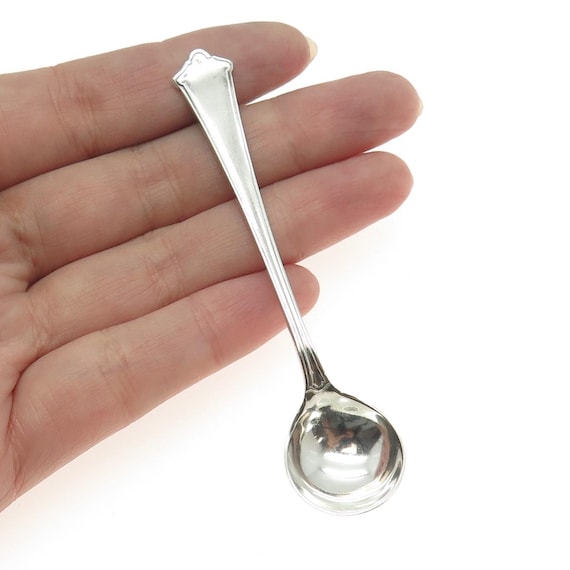
Have you ever picked up a spoon and wondered if it’s truly made of silver or just silver-plated? Knowing the difference can save you money, protect your valuables, and even help you pass down family treasures with confidence.
But how can you be sure without expensive tests or expert help? You’ll discover simple and reliable ways to tell if your spoon is real silver. Keep reading, because what you learn here could change the way you see your silverware forever.
Identifying Silver Marks
Identifying silver marks helps confirm if a spoon is real silver. These marks show the metal’s purity, origin, and maker. Understanding these marks makes it easier to spot genuine silverware. Each mark tells a story about the spoon's quality and history.
Common Silver Hallmarks
Silver hallmarks are small symbols stamped on the spoon. They indicate the silver’s authenticity and quality. Common marks include a lion passant, a crown, or a number like 925. These symbols vary by country and time period. They act as proof that the spoon meets silver standards.
Understanding Purity Stamps
Purity stamps show the silver content in the spoon. The number 925 means the spoon contains 92.5% silver. Other common purity stamps are 800 or 999. These numbers help identify sterling silver or fine silver. Purity stamps ensure the spoon is made mostly of silver, not cheap metal.
Recognizing Maker's Marks
Maker’s marks identify the silversmith or company that made the spoon. These are usually initials or symbols unique to the maker. Maker's marks help trace the spoon’s origin and age. They add value and authenticity to the silver item. Collectors often seek spoons with clear maker's marks.
Conducting Physical Tests
Testing whether a spoon is real silver can be surprisingly simple with a few hands-on checks. Physical tests give you quick clues without needing special tools. These tests focus on how silver behaves with magnets, ice, and sound, helping you spot genuine silver right away.
Magnet Test For Silver
Silver is not magnetic, so a magnet will not stick to it. If your spoon is attracted to a magnet, it likely contains other metals. This test is easy to do at home and can quickly rule out many fake silver spoons.
Keep in mind, some silver-plated items have a magnetic base underneath, so a weak pull might not always mean it’s fake. Try moving the magnet over different parts of the spoon to see if the attraction changes.
Ice Cube Test
Silver has excellent thermal conductivity, meaning it transfers heat very quickly. Place an ice cube on the spoon and watch how fast it melts. If the ice melts rapidly, your spoon might be real silver.
This test surprised me once when an old family spoon melted the ice almost instantly, proving its authenticity. It’s a simple way to see silver’s unique properties in action.
Sound Test Insights
Silver produces a distinct ringing sound when tapped gently. Use a metal object to tap the spoon lightly and listen carefully. A clear, prolonged ring often indicates genuine silver, while dull or short sounds suggest other metals.
Try tapping spoons you know are silver and others made from different metals to train your ear. Can you hear the difference? This test adds an auditory clue to your silver-spotting toolkit.
Using Chemical Tests
Chemical tests offer a reliable way to check if a spoon is real silver. These tests involve simple reactions that reveal the metal's true nature. They are quick and easy to perform at home with minimal tools.
Using chemical tests can give a clear answer about the silver content. They help avoid mistakes when buying or selling silver spoons. Understanding these tests makes it easier to identify genuine silver.
Applying Nitric Acid
Nitric acid reacts differently with silver and other metals. To test, place a small drop of nitric acid on a hidden spot of the spoon. If the spot turns creamy white, the spoon likely contains real silver.
A green or dark color means the metal is not silver. Always use gloves and work in a well-ventilated area. Handle nitric acid carefully to avoid harm.
Silver Testing Kits
Silver testing kits contain all needed chemicals for testing at home. These kits often include acid solutions and testing stones. Rub the spoon gently on the stone to leave a mark, then apply the acid.
The acid will change color depending on silver content. Kits are affordable and easy to use for beginners. Follow the instructions closely for accurate results.
Interpreting Color Changes
Color changes during chemical tests indicate metal type. A creamy white color usually means the spoon is genuine silver. Green or black colors show the presence of base metals.
Some tests may show no change, meaning the spoon could be silver-plated. Always compare results with a reliable color chart. Understanding these colors helps confirm authenticity quickly.

Examining Weight And Feel
Determining if a spoon is real silver involves examining its weight and feel. Genuine silver spoons have a distinct heft and texture. These characteristics can help identify authenticity. Let's delve into the details.
Comparing Weight To Other Metals
Silver is denser than many common metals. Hold the spoon in your hand. Compare its weight to a similar-sized stainless steel spoon. A silver spoon should feel heavier. This weight difference is a key indicator.
Use a scale if available. Weigh the spoon and note the difference. Heavier weight suggests it might be genuine silver. Keep other metals like aluminum and nickel in mind. They feel lighter than silver.
Assessing Texture And Temperature
Real silver spoons have a smooth surface. Rub your fingers along the spoon. Feel for any roughness or imperfections. Smoothness indicates quality craftsmanship.
Silver conducts heat well. Hold the spoon at room temperature. It should feel cool to the touch. If it warms quickly, it might not be silver. This temperature test offers another clue in identifying real silver.
Consulting Professionals
Figuring out if a spoon is real silver can be tricky without the right tools or experience. That's why consulting professionals can save you time and help you avoid costly mistakes. Experts have the skills and equipment to give you a clear answer, often spotting details you might miss.
Visiting Jewelers Or Silversmiths
Jewelers and silversmiths handle silver items daily. They can quickly recognize genuine silver by its weight, feel, and hallmark stamps. When I took a tarnished spoon to a local jeweler, they not only confirmed it was silver but also explained how to care for it properly.
These professionals may also perform simple tests on the spot, like magnet checks or acid tests. If you're unsure about the spoon's value or authenticity, a quick visit to a jeweler or silversmith can give you peace of mind. Have you ever wondered what those tiny marks on silver items actually mean?
Using Appraisal Services
If you want a thorough evaluation, consider using appraisal services. Certified appraisers offer detailed reports that include the silver's purity, age, and market value. This can be particularly useful if you’re thinking about selling or insuring your silver spoon.
Appraisal services often involve more advanced testing methods, including X-ray fluorescence (XRF) analysis. These tests are non-destructive and highly accurate. You might be surprised how much a professional appraisal can reveal about a seemingly ordinary spoon.
Would you trust an online value guide, or do you prefer the certainty that comes from a professional’s expert eye?

Preventing Common Mistakes
Preventing common mistakes is crucial when you're trying to figure out if a spoon is real silver. Many people rush the process and end up with wrong conclusions. Taking your time to learn the key differences can save you money and frustration.
Avoiding Fake Silver Traps
Fake silver items often look convincing at first glance. Sellers might use terms like "silver-plated" or "sterling look" to trick buyers. To avoid falling for these traps, always check for clear hallmarks like "925" or "Sterling."
Another tip is to test the weight. Real silver feels heavier than most fake metals. When you hold a spoon, does it feel surprisingly light? That could be a red flag.
Also, be cautious with price. If a deal seems too good to be true, it probably is. Never skip asking for proof or testing the piece yourself.
Recognizing Plated Vs Solid Silver
Knowing the difference between plated and solid silver helps you avoid costly mistakes. Plated silver has a thin layer of silver over a base metal, which can wear off quickly. Solid silver spoons are made entirely of silver or a silver alloy.
You can spot plated silver by looking at the edges or worn areas. If you see a different metal underneath, it’s plated. Another way is the magnet test: solid silver is not magnetic, but some base metals are.
Have you ever noticed that plated spoons lose their shine faster? That’s because the thin silver layer is delicate. Solid silver maintains its beauty over time with proper care.
Frequently Asked Questions
How To Identify Real Silver Spoons Easily?
Look for hallmarks or stamps like "925" or "Sterling" on the spoon. These marks confirm the silver content and authenticity.
Does A Magnet Test Prove If A Spoon Is Silver?
No, real silver is not magnetic. If a spoon sticks to a magnet, it is likely not pure silver.
Can A Silver Acid Test Confirm Authenticity?
Yes, applying a silver testing acid can reveal genuine silver by color change, confirming the spoon's authenticity accurately.
What Physical Traits Distinguish A Silver Spoon?
Real silver spoons have a heavier weight, smooth texture, and a slightly tarnished look over time due to oxidation.
Conclusion
Knowing if a spoon is real silver helps protect your valuables. Check for marks, weight, and color carefully. Real silver feels heavier and has clear stamps. Testing with a magnet or acid can help too. Trust your eyes and simple tests.
This saves money and avoids fake items. Keep these tips in mind next time. You will spot real silver with ease. Simple steps make a big difference. Now, you can tell real silver spoons from fake ones confidently.