Cooking a turkey in a convection oven can be a game-changer for your holiday meals. But you might be wondering—how long should you actually cook it?
Getting the timing right is key to juicy, tender meat without drying it out. You’ll discover the exact cooking times and tips that will help you master your turkey every time. Keep reading, and you’ll turn your oven into your secret weapon for a perfect feast.

Benefits Of Using A Convection Oven
Using a convection oven to cook your turkey brings several advantages that can improve your cooking experience and the final result. This type of oven uses a fan to circulate hot air around the food, making a big difference in how evenly and quickly your turkey cooks. If you've ever struggled with unevenly cooked turkey or waiting forever for it to finish, a convection oven might be just what you need.
Even Heat Distribution
One of the biggest benefits of a convection oven is how it spreads heat evenly. The fan pushes hot air around the turkey, so every part gets the same amount of heat. This means no more worrying about dry spots or undercooked meat.
In my experience, turkeys cooked in convection ovens come out more consistent from the breast to the legs. You can trust that your whole bird will be cooked perfectly, which is a big relief during busy holiday meals.
Faster Cooking Times
A convection oven can cut your cooking time by about 25%. The constant air circulation speeds up the cooking process, so you don’t have to wait as long for your turkey to be ready. This is especially helpful when you’re managing multiple dishes.
Imagine getting your turkey out of the oven sooner without sacrificing quality. This extra time can be used to prepare sides or simply relax before serving your meal.
Crispier Skin Results
If you love crispy turkey skin, a convection oven delivers. The moving hot air helps dry out the skin, making it crisp and golden brown. This effect is harder to achieve in a regular oven without overcooking the meat.
I noticed that my turkey skin has a much better texture when cooked in a convection oven. It’s like having a professional chef’s touch at home, making your meal more enjoyable.
Preparing Your Turkey
Preparing your turkey correctly sets the foundation for a delicious meal cooked perfectly in your convection oven. Every step, from choosing the right size to seasoning, impacts the cooking time and the final taste. Let’s look at how you can get your turkey ready for roasting with confidence and ease.
Selecting The Right Size
Choosing the right size turkey is crucial. A smaller bird cooks faster but may not feed everyone, while a larger one takes longer and can dry out if not handled well.
Think about how many people you are serving and plan for about 1 to 1.5 pounds per person. This helps you avoid overcooking or undercooking your turkey in the convection oven.
Thawing Tips
Thawing your turkey properly is a step you cannot rush. A frozen or partially frozen bird cooks unevenly, which affects the texture and safety of your meal.
The safest way to thaw is in the refrigerator. Allow roughly 24 hours for every 4 to 5 pounds of turkey. If you’re short on time, cold water thawing works too—but remember to change the water every 30 minutes.
Seasoning And Stuffing
Seasoning your turkey well adds flavor and moisture. Don’t just sprinkle salt on the surface—try rubbing butter or olive oil under the skin and inside the cavity for juicier meat.
Stuffing your turkey is optional but consider cooking stuffing separately. Stuffed turkeys take longer to cook, and uneven heat can cause food safety issues. If you do stuff, use a light hand and ensure the stuffing reaches a safe temperature during cooking.
Setting The Convection Oven
Setting the convection oven correctly is key for a perfectly cooked turkey. This step ensures even cooking and a juicy bird. Follow these tips to prepare your oven for roasting. Convection oven turkey cooking tips can make all the difference in achieving a mouthwatering result. Start by preheating your oven to the recommended temperature for even cooking. Remember to allow the turkey to rest after cooking to retain its juices and flavor.
Ideal Temperature Settings
Set your convection oven to 325°F (163°C) for cooking turkey. This temperature cooks the bird evenly without drying it out. Avoid higher temperatures that can burn the skin or undercook the inside. To achieve the best flavor, consider how to season turkey breast perfectly using a blend of herbs and spices that complement its natural taste. Basting with butter or oil during the cooking process can enhance moisture and create a golden, crispy skin. Remember to let the turkey rest for a few minutes after cooking to allow the juices to redistribute for optimal tenderness.
Rack Placement
Place the oven rack in the middle position. This placement allows hot air to circulate around the turkey. Avoid placing the rack too close to the top or bottom heating elements to prevent uneven cooking.
Using A Meat Thermometer
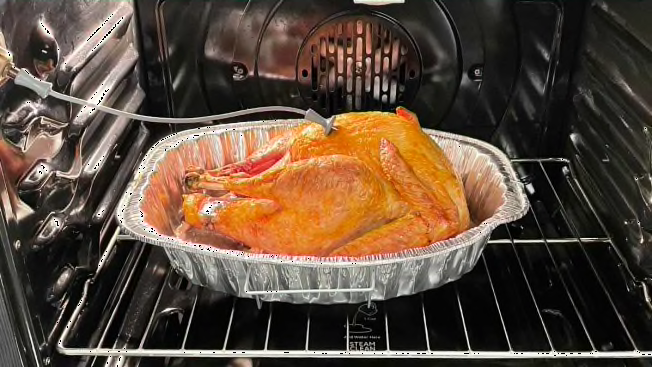
Insert a meat thermometer into the thickest part of the turkey breast. This tool helps check the bird’s internal temperature. Remove the turkey once it reaches 165°F (74°C) for safe and tender results.
Cooking Times By Weight
Knowing the right cooking time for your turkey based on its weight is key to getting juicy, tender meat without drying it out. Cooking a turkey in a convection oven is faster than in a conventional oven, but the time still varies depending on the size of the bird. Let’s break down the cooking times by weight so you can plan perfectly.
Small Turkeys (8-12 Lbs)
Small turkeys are ideal if you’re cooking for a smaller group or want to avoid leftovers. In a convection oven, expect these to take about 10-11 minutes per pound at 325°F (163°C). For example, a 10-pound turkey should roast for roughly 100 to 110 minutes.
If you’re short on time, this size cooks quickly and still delivers great flavor and texture. Just remember to check the internal temperature—165°F (74°C) in the thickest part of the breast ensures safety.
Medium Turkeys (12-16 Lbs)
Medium-sized turkeys fit most family gatherings and offer a good balance of cooking time and meat quantity. Plan for about 9-10 minutes per pound at 325°F (163°C) in your convection oven. So, a 14-pound turkey will take around 126 to 140 minutes to cook.
This range helps you avoid the common mistake of undercooking or overcooking. Do you usually find your turkey dry or underdone? Adjusting the time here can make a big difference.
Large Turkeys (16-20 Lbs)
Large turkeys are perfect for big celebrations but require careful timing to keep meat juicy. They need about 8-9 minutes per pound at 325°F (163°C) in a convection oven. For instance, an 18-pound bird will need approximately 144 to 162 minutes.
Cooking large turkeys slower prevents the outside from drying before the inside is done. Using a meat thermometer becomes even more important as size increases—have you tried checking temperature early and often?
Checking For Doneness
Check the turkey’s internal temperature with a meat thermometer to ensure doneness. The thickest part should reach 165°F (74°C) for safe eating. Juices running clear also show the turkey is fully cooked and ready to serve.
Cooking a turkey in a convection oven can be a game-changer, especially if you’re aiming for that perfect combination of crispy skin and juicy meat. But how do you know when it’s done? Ensuring your turkey is cooked to perfection involves more than just cooking it for a set time. You need to check for doneness to guarantee a delicious and safe meal.
Safe Internal Temperatures
The key to knowing your turkey is done is to measure its internal temperature. Use a meat thermometer and insert it into the thickest part of the thigh, avoiding the bone. The turkey is safe to eat when it reaches an internal temperature of 165°F (74°C).
Resting The Turkey
Once your turkey hits the right temperature, let it rest. Resting allows the juices to redistribute, making the meat more tender and flavorful. Give it about 20 to 30 minutes before carving.
Avoiding Overcooking
Overcooked turkey can be dry and disappointing. Keep a close eye on the temperature as it cooks, and remember that the bird will continue to cook slightly while resting. Consider setting your timer a bit earlier than you think to avoid any mishaps. Cooking turkey can be challenging, but by focusing on these key points, you can ensure a perfectly cooked bird. Have you ever tried using a convection oven for your turkey? What's your trick to getting it just right?

Tips For Extra Juiciness
Keeping turkey juicy in a convection oven can be tricky. The dry heat often cooks meat faster, risking dryness. Simple tips help lock in moisture and improve flavor. These tricks make your turkey tender and delicious every time. One excellent way to achieve this is by following a perfect turkey convection oven recipe. The right combination of spices and cooking techniques can elevate the dish to a whole new level. Additionally, letting the turkey rest after cooking allows the juices to redistribute, ensuring every bite is moist and flavorful.
Basting Techniques
Basting adds moisture during cooking. Use pan juices or melted butter for best results. Baste every 20 to 30 minutes for even moisture. Avoid opening the oven too often to keep heat steady. A brush or spoon works well for basting.
Using A Water Pan
Place a shallow pan with water in the oven below the turkey. The water creates steam that helps keep the turkey moist. This steam lowers the oven’s dry heat effect. Refill the water pan if it evaporates during cooking.
Covering With Foil
Cover the turkey loosely with aluminum foil during cooking. Foil traps heat and moisture around the bird. Remove the foil in the last 30 minutes to brown the skin. This technique prevents the turkey from drying out.
Troubleshooting Common Issues
Cooking turkey in a convection oven can sometimes bring unexpected challenges. These common issues may affect the taste and texture of your bird. Identifying and fixing these problems helps ensure a juicy and delicious turkey every time.
Dry Meat Solutions
Dry turkey often means it cooked too long or at too high heat. Lower the temperature to 325°F and check the bird earlier. Use a meat thermometer to avoid overcooking. Rest the turkey after cooking to keep juices inside. Basting with broth or melted butter helps keep the meat moist during cooking.
Uneven Cooking Fixes
Uneven cooking happens when heat does not circulate well. Place the turkey on a rack in the roasting pan to allow air flow. Rotate the pan halfway through cooking for even heat distribution. Avoid overcrowding the oven with other dishes. Tent the breast with foil if it cooks faster than the thighs.
Skin Not Crispy Enough
Soft skin usually means excess moisture or low heat. Pat the turkey skin dry with paper towels before cooking. Increase oven temperature in the last 15 minutes for crispy skin. Avoid covering the turkey with foil during the entire cook. Applying a light coat of oil or butter on the skin promotes browning.
Frequently Asked Questions
How Long Does A Turkey Take In A Convection Oven?
Cooking time varies by turkey size, generally 12-15 minutes per pound. A 12-pound turkey takes about 2. 5 to 3 hours. Always use a meat thermometer to check for 165°F internal temperature.
What Temperature Is Best For Convection Turkey Cooking?
Set your convection oven to 325°F for turkey. This temperature cooks evenly and crisps the skin. Lower than traditional ovens, it prevents drying and speeds cooking.
Should I Cover The Turkey While Roasting?
Covering the turkey with foil helps keep it moist. Remove foil during the last 30 minutes for crispy skin. This method balances juiciness with a golden finish.
How Do I Check If The Turkey Is Done?
Use a meat thermometer inserted into the thickest part of the thigh. The turkey is done when it reaches 165°F. Avoid touching bone for accurate reading.
Conclusion
Cooking turkey in a convection oven saves time and cooks evenly. Set the temperature lower than a regular oven for best results. Check the turkey’s internal temperature to ensure it is fully cooked. Use a meat thermometer for safety and accuracy.
Rest the turkey after cooking to keep it juicy and tender. Follow these tips for a delicious, well-cooked turkey every time. Enjoy your meal with confidence and ease. Simple steps lead to great results.