Cooking salmon in a toaster oven can save you time and keep your kitchen cool. But you might be wondering, how long should you cook it to get that perfect, juicy texture?
If you’ve ever ended up with dry or undercooked salmon, you’re not alone. Getting the timing just right is easier than you think, and once you know the secret, your salmon will turn out delicious every time. Keep reading, and you’ll discover the simple steps to cook salmon in your toaster oven like a pro.
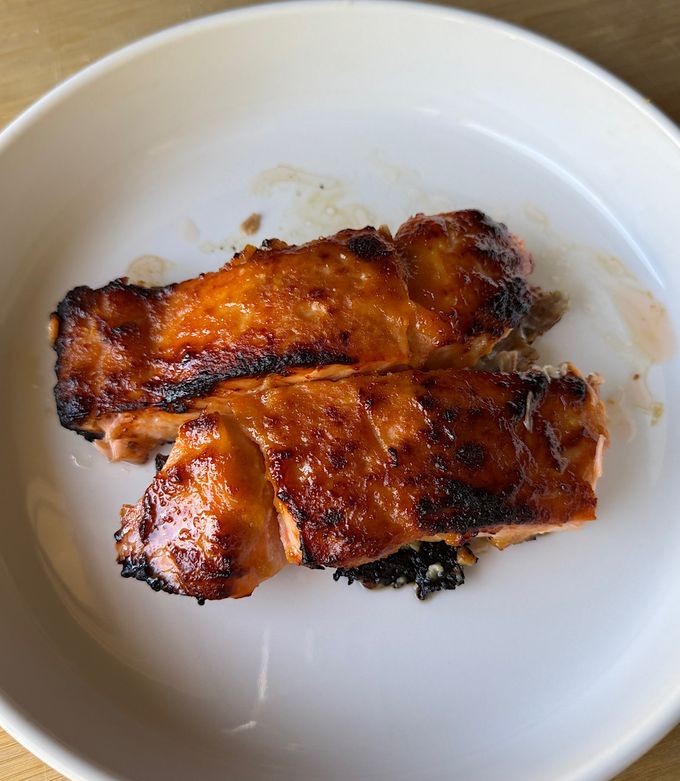
Choosing The Right Salmon Cut
Choosing the right salmon cut is key to getting the perfect cook in your toaster oven. Different cuts cook at different rates and offer unique flavors and textures. Knowing which cut suits your cooking style and taste can save you time and elevate your meal.
Fillets Vs Steaks
Fillets are the most common salmon cut, thin and boneless, making them quick to cook. They usually cook evenly, which is great if you want a fast, reliable meal. Steaks, cut crosswise with the bone in the middle, are thicker and take longer to cook but hold moisture well.
If you prefer a delicate texture and faster cooking, fillets are your best bet. But if you enjoy a richer, meatier bite, steaks might be worth the extra cooking time. Have you ever noticed how steaks stay juicy longer? That’s because the bone helps retain heat and moisture.
Fresh Vs Frozen
Fresh salmon generally cooks more evenly and has a better texture after cooking. However, frozen salmon can be just as good if properly thawed before cooking. Cooking frozen salmon straight in the toaster oven requires adding extra time and can result in uneven cooking.
If you have fresh salmon, you can expect a more vibrant flavor and a smoother finish. Frozen salmon is great for convenience but demands more attention to timing. Do you usually thaw your salmon before cooking, or have you tried going straight from freezer to toaster oven?
Preparing Salmon For Cooking
Preparing salmon for cooking in a toaster oven sets the stage for a tasty meal. Proper prep ensures even cooking and rich flavors. It starts with choosing fresh salmon and handling it gently. Pat the salmon dry using paper towels to remove excess moisture. This helps the seasoning stick well and gives a better texture after cooking.
Cut salmon into even pieces for uniform cooking. This prevents some parts from overcooking while others remain underdone. Let the salmon sit at room temperature for about 15 minutes before cooking. This step helps the salmon cook evenly inside and out.
Seasoning Tips
- Use simple salt and pepper for a classic taste.
- Try lemon zest or garlic powder for added aroma.
- Sprinkle fresh herbs like dill or parsley for freshness.
- A light drizzle of olive oil helps the seasoning stick.
- Be gentle with spices to keep salmon’s natural flavor.
Using Marinades And Rubs
- Marinate salmon for 15 to 30 minutes before cooking.
- Choose citrus-based marinades to add brightness.
- Use soy sauce or honey for a sweet and salty mix.
- Dry rubs can include paprika, cumin, and brown sugar.
- Apply rubs evenly and press gently to coat the fish.
Setting Up Your Toaster Oven
Getting your toaster oven ready is key to cooking salmon perfectly. Small adjustments to temperature and rack position can change the texture and flavor of your fish. Setting up your toaster oven right means less guesswork and more tasty results.
Temperature Settings
Choosing the right temperature is crucial. Too high, and the salmon might dry out. Too low, and it could take forever to cook.
A good starting point is 375°F (190°C). This temperature cooks the salmon evenly without burning the outside. If you prefer a crispier top, try increasing the heat to 400°F (204°C) for the last few minutes.
Have you noticed how small temperature shifts affect your cooking? Experiment with slight changes and observe how your salmon turns out. This way, you learn what your toaster oven does best.
Using The Right Rack Position
Where you place the salmon in the toaster oven makes a difference. The middle rack is usually the best spot for even cooking. It allows heat to circulate well around the fish.
If you want a crispier crust, try moving the salmon closer to the top heating element. Just keep a close eye on it to prevent burning.
On the other hand, placing the salmon too low may cause slower cooking and less browning. Have you tried adjusting rack positions before? It’s a simple tweak that can improve your results dramatically.
Cooking Times For Different Thicknesses
Cooking salmon in a toaster oven requires attention to thickness for perfect results. Different thicknesses need different cooking times to avoid undercooking or drying out your fish. Understanding these timings helps you enjoy salmon that’s juicy, tender, and full of flavor every time.
Thin Fillets
Thin fillets, usually less than 1 inch thick, cook very quickly in a toaster oven. You’ll typically need just 8 to 10 minutes at 375°F (190°C). Keep an eye on them because they can go from perfectly cooked to overdone in a matter of minutes.
If you’ve ever rushed dinner and tossed a thin fillet in the toaster oven, you know how fast it cooks. It’s great for quick meals but requires constant checking. Try poking the thickest part with a fork after 8 minutes to see if it flakes easily.
Thicker Cuts
Thicker salmon cuts, around 1 to 2 inches, need more time to cook evenly. Plan on 12 to 15 minutes at 375°F (190°C). You want the inside to be opaque and tender without drying out the outside.
My go-to trick for thicker cuts is to start checking at 12 minutes, then check every couple of minutes. If you want a slightly pink center, pull it out a bit earlier. Don’t forget to let it rest for a few minutes after cooking; it helps the juices redistribute.
Whole Side Of Salmon
Cooking a whole side of salmon in a toaster oven demands more time and careful temperature control. Expect it to take about 20 to 25 minutes at 350°F (175°C). This slower cooking helps the thicker parts cook through without burning the thinner edges.
When I first tried this, I was surprised how even the cooking was when I lowered the temperature and extended the time. Covering the salmon loosely with foil halfway through can prevent over-browning. You’ll want to check the thickest part with a fork or thermometer to ensure it reaches about 145°F (63°C).
Checking For Doneness
Checking for doneness is key to cooking salmon perfectly in a toaster oven. It ensures the fish is safe to eat and tastes great. Salmon can be tricky because it cooks quickly and can dry out easily. Knowing when it’s done helps keep it juicy and tender.
Two common ways to check salmon are through visual cues and using a thermometer. Both methods are simple and effective. They help you avoid overcooking or undercooking the fish.
Visual Cues
Look at the color of the salmon. It should turn from translucent to opaque. The flesh becomes lighter and flakes easily with a fork. The edges may slightly crisp up in the toaster oven.
Check for firmness. Gently press the salmon with a fork or finger. It should spring back slightly but not feel mushy. If it feels too soft, it needs more time.
Notice any juices. Clear juices mean the salmon is done. Pink or red juices suggest it needs more cooking. Keep an eye on the texture and color for best results.
Using A Thermometer
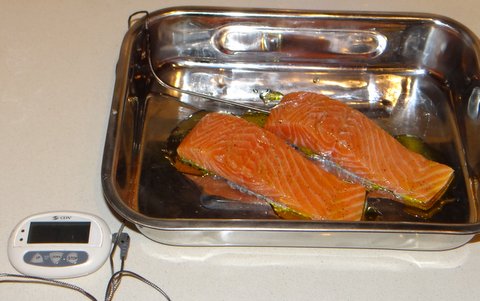
A food thermometer gives the most accurate doneness check. Insert it into the thickest part of the salmon. The safe internal temperature is 145°F (63°C) according to food safety guidelines.
Remove the salmon from the toaster oven once it reaches this temperature. Let it rest for a few minutes. The temperature may rise slightly during resting, ensuring it is fully cooked.
Thermometers take the guesswork out of cooking. They help maintain the right texture and flavor every time.
Tips For Extra Flaky Salmon
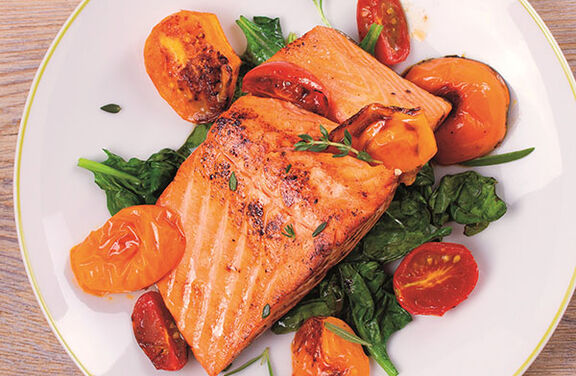
Cooking salmon in a toaster oven can be quick and easy. To get extra flaky salmon, use a few simple tips. These tricks help keep the fish moist and tender. The texture improves when you handle the salmon right after cooking. Follow these tips to enjoy salmon that flakes perfectly with each bite.
Resting Time
After cooking, let the salmon rest for a few minutes. This allows the juices to settle inside the fish. Resting makes the salmon moist and soft. Cover it loosely with foil to keep warm. Do not skip this step for flaky results.
Avoiding Overcooking
Overcooked salmon becomes dry and tough. Watch the cooking time closely in the toaster oven. Use a thermometer to check the internal temperature. Aim for 125°F to 130°F for tender flakes. Remove the salmon from heat as soon as it reaches this temperature. The residual heat will finish cooking without drying it out.
Serving Suggestions
Serve salmon fresh from the toaster oven for the best taste. Let it rest for a few minutes before eating to keep it juicy. Pair with vegetables or a light salad for a simple meal.
Cooking salmon in a toaster oven is simple and delicious. Once your salmon is perfectly cooked, it's time to think about serving it. Here are some serving suggestions that will elevate your salmon dish.
Side Dishes
Pair your salmon with fresh and vibrant vegetables. Steamed asparagus or roasted Brussels sprouts complement the rich flavor of salmon. A light salad with leafy greens and a tangy vinaigrette adds freshness. If you prefer a more filling option, try serving it with quinoa or brown rice. These grains provide a hearty base that pairs well with salmon.
Sauce Pairings
A good sauce can enhance the taste of salmon. Try a classic lemon-dill sauce for a zesty touch. A honey-mustard glaze adds a sweet and tangy flavor. You can also make a creamy garlic butter sauce for a richer experience. For something different, consider a spicy sriracha mayo. This adds a kick that balances the fish's richness.
Frequently Asked Questions
How Long Does Salmon Take In A Toaster Oven?
Salmon usually takes 12 to 15 minutes to cook in a toaster oven at 400°F. Cooking time varies with thickness. Always check for an internal temperature of 145°F for safe consumption.
What Temperature Is Best For Cooking Salmon?
Set your toaster oven to 400°F for perfectly cooked salmon. This temperature ensures even cooking and preserves moisture. Adjust slightly for thicker or thinner fillets.
Can I Cook Frozen Salmon In A Toaster Oven?
Yes, but increase cooking time by 50%. Cook frozen salmon at 400°F for about 20 to 25 minutes. Always check doneness to avoid undercooking.
Should I Cover Salmon While Cooking In A Toaster Oven?
Covering salmon with foil helps retain moisture and prevents drying out. It also cooks the fish evenly. Remove foil in the last few minutes for a crispy top.
Conclusion
Cooking salmon in a toaster oven takes just minutes. Set the temperature right and watch the time closely. Overcooking can dry out the fish. Keep the salmon tender and juicy by checking often. Use a meat thermometer for best results.
Serve your salmon fresh and enjoy its rich flavor. Simple steps make cooking easy and stress-free. Try different seasonings to find your favorite taste. Cooking salmon this way saves time and effort. A quick meal ready anytime you want.