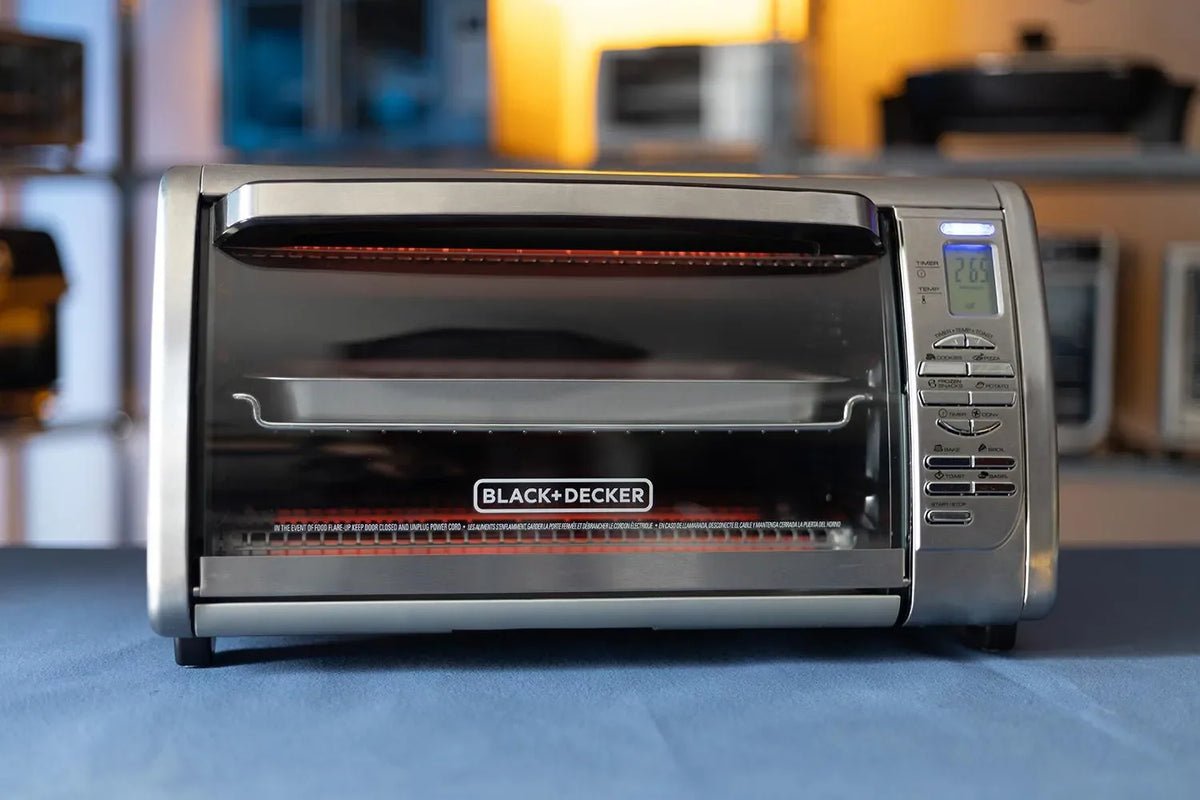
Cooking a turkey breast in a convection oven can save you time and give you juicy, tender results. But how long should you actually cook it?
If you’ve ever wondered about the perfect timing to get that golden, flavorful turkey breast without drying it out, you’re in the right place. You’ll discover simple, clear guidelines to help you cook your turkey breast perfectly every time. Keep reading to unlock the secrets that will make your next meal a delicious success.

Credit: farmhouseharvest.net
Benefits Of Using A Convection Oven
Using a convection oven to cook turkey breast offers many benefits. It cooks food faster and more evenly. The hot air circulates around the turkey, helping to brown the skin nicely. This method also helps keep the meat juicy and tender.
Convection ovens save time and energy, making them a smart choice for busy cooks. They deliver consistent results, which means less guesswork and more confidence in your cooking.
Faster Cooking Time
Convection ovens cook turkey breast quicker than traditional ovens. The circulating hot air speeds up the cooking process. This means you spend less time waiting for your meal to be ready.
Even Heat Distribution
The fan inside a convection oven spreads heat evenly. This avoids hot spots and uneven cooking. Your turkey breast will cook uniformly, with no raw or overcooked parts.
Better Browning And Crispiness
The airflow helps create a crispy, golden skin on the turkey breast. This adds texture and flavor. The meat stays moist inside while the outside crisps up perfectly.
Energy Efficient Cooking
Because convection ovens cook faster, they use less energy overall. This can lower your electricity bill. It also reduces heat buildup in your kitchen during cooking.
Choosing The Right Turkey Breast
Choosing the right turkey breast is the first step to cooking a juicy, flavorful meal in your convection oven. The quality and type of turkey breast you select directly affect cooking time and the final taste. Understanding the differences between fresh and frozen options, as well as considering size and weight, can make your cooking process smoother and more predictable.
Fresh Vs Frozen
Fresh turkey breast usually offers better texture and flavor. It cooks more evenly in a convection oven, making it easier to achieve that perfect golden-brown finish. However, fresh turkey requires careful handling and should be cooked within a day or two of purchase to ensure safety and taste.
Frozen turkey breast is convenient and often more affordable. But it needs thorough thawing before cooking, which adds time to your preparation. If you skip proper thawing, the cooking time can become uneven, leading to dry edges and a raw center.
Ask yourself: Do you have enough time to thaw the turkey properly? If not, fresh might be your safer bet for consistent results.
Size And Weight Considerations
The size and weight of your turkey breast directly influence how long it will take to cook in a convection oven. Smaller breasts (around 2 to 3 pounds) typically need less time, roughly 20 minutes per pound. Larger ones can require closer to 15-18 minutes per pound because the convection fan circulates heat more efficiently.
Think about your oven space and how many people you’re feeding. A 5-pound breast may fit perfectly and feed a small family, but if you’re hosting a larger group, you might need to plan for multiple smaller breasts or a whole turkey.
Have you measured your turkey breast before starting? It’s a small step that saves you from undercooked or overcooked meat.
Preparing Turkey Breast For Cooking
Getting your turkey breast ready before it hits the convection oven makes a big difference in the final taste and texture. Proper preparation ensures even cooking and maximizes flavor, so you don’t end up with dry or underseasoned meat. Let’s break down the key steps to prepare your turkey breast perfectly.
Thawing Tips
Thaw your turkey breast safely and evenly to avoid any cold spots that could affect cooking time. The best way is to place it in the refrigerator for 24 to 48 hours, depending on the size. This slow thawing keeps the meat fresh and reduces the risk of bacteria growth.
If you’re short on time, use a cold water bath. Seal the turkey breast tightly in a plastic bag and submerge it in cold water, changing the water every 30 minutes. This method takes a few hours but works well if you plan ahead.
Seasoning Ideas
Seasoning isn’t just about salt and pepper. Think about layering flavors that complement the turkey’s natural taste. A simple rub with olive oil, garlic powder, paprika, and fresh herbs like rosemary or thyme adds a wonderful aroma.
For a juicy, flavorful turkey, consider adding a bit of lemon zest or a splash of apple cider vinegar to the seasoning mix. These little details make your turkey breast stand out and keep it moist throughout cooking.
Trussing Techniques
Trussing your turkey breast helps it cook evenly and keeps the shape intact, especially in a convection oven where hot air circulates rapidly. Use kitchen twine to tie the ends and secure any loose skin or wings.
If you’ve never trussed before, start by placing the twine under the breast, then wrap it around snugly but not too tight. This simple step can prevent uneven cooking and improve the final presentation of your dish.
Setting The Convection Oven
Cooking turkey breast in a convection oven requires precise timing. Typically, roast the turkey breast at 325°F. It will take about 1. 5 to 2 hours, depending on size. Always check the internal temperature, aiming for 165°F for safety.
Setting the Convection Oven Cooking turkey breast in a convection oven requires precision. The right settings ensure even cooking. This section will guide you through the optimal temperature and rack positioning.
Optimal Temperature Settings
Set your convection oven to 325°F (163°C). This temperature cooks turkey evenly. It keeps the meat juicy and flavorful. The fan in the oven circulates heat. This results in quicker cooking times.
Rack Positioning
Place the turkey breast on the middle rack. This position allows even heat distribution. The air circulates around the turkey. This ensures all sides cook properly. Use a shallow roasting pan. It helps with better airflow around the turkey.
Cooking Time Guidelines
Cooking turkey breast in a convection oven requires careful timing. The oven’s fan circulates hot air, cooking the meat faster and more evenly. Understanding the right cooking time keeps the turkey juicy and tender. Follow these simple guidelines to get the best results.
Time Per Pound Rule
Use the time per pound rule to estimate cooking duration. Roast the turkey breast at 325°F (163°C). Allow about 12 to 15 minutes per pound. For example, a 4-pound breast needs roughly 48 to 60 minutes. This estimate helps plan your cooking but always check the meat’s doneness.
Adjusting For Different Sizes
Smaller turkey breasts cook faster than larger ones. Adjust the cooking time based on weight. For breasts under 3 pounds, reduce the time slightly. Larger breasts over 6 pounds need more time. Also, consider if the breast is bone-in or boneless. Bone-in takes a bit longer to cook through.
Checking Internal Temperature
Use a meat thermometer to check doneness. Insert it into the thickest part of the breast. The safe internal temperature is 165°F (74°C). Remove the turkey when it reaches this point. Let it rest for 10 to 15 minutes before slicing. Resting lets juices redistribute for moist meat.

Credit: www.tasteofhome.com
Resting And Carving
After cooking your turkey breast in a convection oven, resting and carving are crucial steps that affect both flavor and texture. Skipping or rushing this part can lead to dry meat and a less enjoyable meal. Let’s dive into why resting matters and how to carve your turkey breast like a pro.
Resting Time Importance
Resting allows the juices inside the turkey breast to redistribute evenly. If you cut into it immediately, these flavorful juices will spill out, leaving the meat dry.
Set a timer for at least 15 to 20 minutes after removing the turkey breast from the oven. Tent it loosely with foil to keep it warm without trapping steam, which can make the skin soggy.
Have you noticed how sometimes turkey tastes better the next day? That’s the magic of proper resting. It gives the meat time to reabsorb moisture, making every bite juicy and tender.
Best Carving Practices
Use a sharp, long knife for clean cuts. Dull blades can tear the meat, ruining the texture and presentation.
Carve against the grain of the meat to ensure tenderness. Look closely at the muscle fibers and slice perpendicular to them.
- Start by removing the outer skin carefully to expose the breast meat.
- Make steady, smooth slices about 1/4-inch thick for perfect portion sizes.
- Use a carving fork to hold the turkey steady without piercing too deeply, which can release juices.
Think about how you serve your turkey. Thin, even slices heat more evenly if you plan to reheat leftovers. Plus, guests appreciate neatly carved portions that look as good as they taste.
Troubleshooting Common Issues
Cooking turkey breast in a convection oven can be a game-changer, but it’s not without its challenges. Sometimes the meat turns out dry or cooks unevenly, leaving you wondering where things went wrong. Let’s tackle these common issues so you can enjoy juicy, evenly cooked turkey every time.
Dry Turkey Solutions
Dry turkey breast is one of the biggest frustrations. It often happens because the oven temperature was too high or the cooking time was too long. Try lowering the oven temperature by 25°F and check the internal temperature earlier than the recipe suggests.
Another trick I learned is to brine the turkey breast before cooking. Soaking it in a simple saltwater solution for a few hours helps the meat retain moisture during roasting.
Also, don’t skip resting the turkey once it’s out of the oven. Resting for at least 15 minutes allows the juices to redistribute, making your turkey moist and flavorful.
Uneven Cooking Fixes
Uneven cooking often means some parts are dry while others are underdone. This usually happens because the turkey breast isn’t placed correctly or the oven air circulation is blocked.
Make sure your turkey breast is centered on the rack and not touching the sides of the pan. Elevate it on a rack if possible—this lets hot air circulate evenly around the meat.
If your convection oven has multiple fan speeds, use a lower setting. High fan speeds can cause hot spots and uneven cooking.
Have you tried rotating the turkey halfway through cooking? Even a simple turn can balance the heat exposure and improve evenness.

Credit: www.justapinch.com
Tips For Juicy And Flavorful Turkey
Getting a juicy and flavorful turkey breast in a convection oven isn't just about cooking time. The preparation before cooking plays a huge role in how tender and tasty your turkey turns out. Simple techniques like brining or using marinades and rubs can elevate your turkey from dry to delicious.
Brining Options
Brining helps your turkey breast stay moist by allowing it to absorb extra water and seasoning. You can choose a wet brine by soaking the turkey in a saltwater solution for several hours or overnight. Adding herbs, garlic, or citrus to the brine infuses deeper flavors.
If you prefer less mess, try a dry brine by rubbing salt and spices directly on the turkey skin. Let it rest in the fridge uncovered for at least 24 hours. This method also helps achieve crispier skin while keeping the meat juicy.
Using Marinades And Rubs
Marinades add moisture and flavor by soaking the turkey in a mixture of oil, acid (like lemon juice or vinegar), and spices. Aim for 4 to 6 hours of marinating to let the flavors penetrate without breaking down the meat too much. Avoid overly acidic marinades that can make the texture mushy.
Rub blends are a quick way to add a punch of seasoning right before cooking. Mix spices like paprika, garlic powder, thyme, and black pepper, then rub them under and over the skin. This creates a flavorful crust that locks in juices during roasting.
Frequently Asked Questions
How Long To Cook Turkey Breast In A Convection Oven?
Cook turkey breast in a convection oven at 325°F for 15-20 minutes per pound. Use a meat thermometer to ensure an internal temperature of 165°F for safe consumption.
Does Convection Oven Speed Up Turkey Breast Cooking?
Yes, convection ovens cook turkey breast faster than conventional ovens. The fan circulates hot air, reducing cooking time by about 25% and ensuring even browning.
Should I Cover Turkey Breast While Cooking In Convection Oven?
It’s best to cover turkey breast loosely with foil initially. This prevents over-browning. Remove foil in the last 20 minutes for crispy skin.
How To Check Turkey Breast Doneness In Convection Oven?
Use a meat thermometer inserted into the thickest part of the breast. When it reads 165°F, the turkey breast is fully cooked and safe to eat.
Conclusion
Cooking turkey breast in a convection oven saves time and gives even cooking. Set the oven temperature right and check the turkey often. Use a meat thermometer to know when it is done perfectly. Rest the turkey after cooking to keep it juicy.
Follow these simple steps for a tender, flavorful turkey breast every time. Enjoy your meal with confidence and ease.