Are you ready to make the crispiest, juiciest chicken wings right at home? Using a deep fryer is one of the best ways to get that perfect crunch every time.
But if you’ve never tried it before, the process might seem a little tricky. Don’t worry—you’re about to learn simple steps that will turn your kitchen into a wing lover’s paradise. Keep reading, and you’ll discover easy tips and secrets to make wings that your friends and family will keep asking for.
Let’s get started!
Choosing The Right Chicken Wings
Choosing the right chicken wings is the first step toward making perfect deep-fried wings. The type and quality of wings you pick directly affect texture, flavor, and cooking time. Knowing what to look for will save you time and help you achieve crispy, juicy wings every time.
Types Of Wings
Chicken wings come in different cuts, and each has its own cooking style and flavor profile. You have whole wings, drumettes, and wingettes (or flats). Whole wings include both drumette and wingette sections connected by a joint.
Drumettes look like small drumsticks. They have more meat and are great if you prefer a meatier bite. Wingettes are flatter with two bones and crisp up nicely in a deep fryer.
Consider mixing drumettes and wingettes for a variety of textures. Some cooks swear by whole wings for juiciness, while others prefer separated pieces for even frying. Which texture do you enjoy most—the meatiness of drumettes or the crispiness of flats?
Fresh Vs Frozen
Fresh wings often taste better and have a firmer texture after frying. However, frozen wings can be just as good if you thaw them properly before cooking. Make sure to pat them dry; excess moisture causes oil splatter and soggy skin.
Frozen wings can be more convenient and sometimes cheaper, but avoid wings that have ice crystals or freezer burn. Those affect flavor and texture negatively. If you buy frozen, plan ahead to thaw them in the fridge overnight rather than rushing the process.
Have you ever noticed how fresh wings crisp up faster and feel juicier inside? That’s because freezing changes the muscle fibers slightly. But with proper thawing and drying, frozen wings can still deliver great results.

Preparing Wings For Frying
Preparing chicken wings for frying is an important step for tasty and crispy results. Proper preparation ensures even cooking and great flavor. It starts with cleaning and drying the wings to remove excess moisture. Then, seasoning adds the taste that makes wings irresistible.
Cleaning And Patting Dry
Rinse the wings under cold water to remove any residue. Pat each wing dry with paper towels. Removing water helps the oil stay hot and prevents splattering. Dry wings also get crispier when fried.
Seasoning Options
Seasoning can be simple or bold, depending on your taste. Use salt and pepper for a classic flavor. Try garlic powder, paprika, or cayenne pepper for a spicy kick. Toss wings in a bowl with your chosen spices. Make sure each wing is coated evenly for the best taste.
Batter And Coating Tips
Creating crispy chicken wings in a deep fryer requires a light batter and perfect coating. Mix flour, spices, and a bit of cornstarch for a crispy finish. Ensure wings are dry before dipping them in the batter to achieve the desired crispiness.
Creating the perfect chicken wings in a deep fryer requires more than just tossing them in hot oil. The magic lies in the batter and coating. This is where your culinary creativity can truly shine. Whether you prefer a simple flour coating or a flavorful buttermilk mix, the right combination will elevate your wings from good to unforgettable. Let's explore some tips to make your chicken wings crispy on the outside and juicy on the inside.
Simple Flour Coating
A simple flour coating is a classic choice for crispy wings. It’s straightforward and lets the chicken flavor shine. All you need is all-purpose flour, salt, and pepper. - Mix the Ingredients: Combine flour with salt and pepper in a shallow dish. Adjust the seasoning to your preference. - Coat the Wings: Pat the wings dry with a paper towel. This helps the flour stick better. Then, dredge each wing in the flour mixture until fully coated. - Shake Off Excess: Gently shake off any extra flour before frying. This prevents the oil from becoming cloudy and ensures a crisp coating. Have you ever tried adding a pinch of cayenne pepper for a spicy kick? Small tweaks can make a big difference in taste.
Using Buttermilk And Spices
Buttermilk and spices create a flavorful, tangy coating that clings beautifully to chicken wings. It’s perfect for those who love a bit more zest in their food. - Prepare the Buttermilk Mixture: In a bowl, mix buttermilk with your choice of spices. Common picks include garlic powder, paprika, and onion powder. - Marinate the Wings: Soak the wings in the buttermilk mixture for at least 30 minutes. This tenderizes the meat and infuses it with flavor. - Coat with Flour: After marinating, dredge the wings in a seasoned flour mixture. This forms a delightful crust when fried. Have you considered experimenting with different spices, like cumin or smoked paprika? Customizing the spice blend can turn a simple dish into your signature recipe. What’s your favorite way to coat chicken wings? Share your tips or any secret ingredients you love to use!

Setting Up The Deep Fryer
Setting up the deep fryer correctly is key to crispy and tasty chicken wings. Proper preparation helps cook wings evenly and safely. It also keeps the oil fresh and ready for frying.
Choosing Oil Types
Select an oil with a high smoke point. Oils like peanut, canola, or vegetable oil work best. These oils handle high heat without burning. Avoid olive oil or butter; they burn quickly and affect flavor.
Clear, neutral oils keep the wings’ taste clean. Strong-flavored oils can change the final taste of your wings. Use fresh oil for the best frying results.
Optimal Temperature Settings
Set the deep fryer to 350°F to 375°F for perfect wings. This temperature range crisps the skin and cooks the meat through. Too low, and wings absorb excess oil. Too high, and they may burn outside while raw inside.
Use a thermometer to check the oil temperature. Adjust heat to keep it steady during frying. Maintaining the right temperature ensures golden, crunchy wings every time.
Frying Techniques For Crispiness
Creating crispy chicken wings in a deep fryer depends on the frying techniques used. Proper methods ensure a crunchy outside and juicy inside. Temperature control and frying time play key roles in texture. Small details can make a big difference in crispiness.
Batch Frying Tips
Fry wings in small batches to keep oil temperature steady. Overcrowding lowers the oil heat and causes soggy wings. Let wings fry until golden brown and float to the top. Use a slotted spoon to remove wings and drain excess oil. Keep cooked wings warm in the oven while frying other batches.
Avoiding Soggy Wings
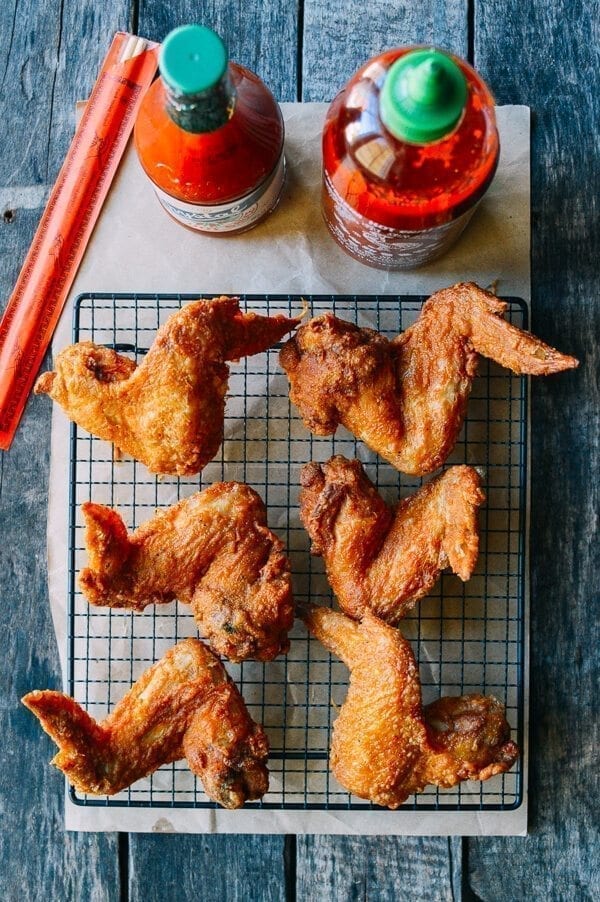
Pat wings dry before frying to remove moisture. Wet wings create steam that softens the crust. Use a thermometer to maintain oil temperature around 350°F (175°C). Fry wings twice for extra crispiness: first at a lower temperature, then at a higher one. Allow wings to rest on a wire rack to keep air circulating and avoid sogginess.
Draining And Resting Wings
After frying chicken wings, draining and resting is crucial. It removes excess oil and helps wings stay crispy. Proper resting also lets the juices settle, making each bite juicy and tender. Skip this step, and wings may turn soggy or greasy.
Using Wire Racks
Place cooked wings on a wire rack over a baking sheet. This allows air to flow all around the wings. Air circulation stops steam from making wings soggy. Avoid stacking wings directly on paper towels. Paper towels soak oil but trap steam under wings.
Maintaining Crisp Texture
Rest wings at room temperature for 5 to 10 minutes. This short rest keeps the skin crispy and juicy inside. Keep wings uncovered to prevent moisture buildup. If needed, use a low oven (around 200°F) to keep wings warm without losing crunch.
Sauce And Serving Ideas
Once your chicken wings are perfectly crispy from the deep fryer, the next exciting step is choosing the right sauce and serving style. The sauce not only adds flavor but also sets the mood for your meal. Whether you prefer something classic or want to try bold new tastes, the sauce can turn simple wings into a memorable dish.
Classic Buffalo Sauce
Buffalo sauce is the timeless choice that never fails to impress. Made with just a few ingredients—hot sauce, melted butter, and a pinch of garlic powder—it’s easy to whip up at home. Toss your wings in this sauce while they’re still hot so every bite is coated with that spicy, tangy goodness.
Pair your Buffalo wings with celery sticks and a side of creamy blue cheese or ranch dressing. This combo balances the heat and gives you a satisfying crunch alongside the wings. Have you noticed how the cool dip makes the spicy sauce even more enjoyable?
Alternative Flavors
If you’re craving something different, there are plenty of other sauces to try that can take your wings to the next level. Sweet and sticky options like honey garlic or teriyaki add a great contrast to the crispy skin. For a smoky punch, barbecue sauce is a crowd-pleaser, especially when mixed with a little chipotle for heat.
- Garlic Parmesan:Melted butter, garlic, and parmesan cheese create a savory, rich coating that’s perfect for those who prefer mild flavors.
- Asian-Inspired:Mix soy sauce, ginger, and a touch of sesame oil for wings with an exotic twist.
- Lemon Pepper:A dry rub or sauce with lemon zest and cracked black pepper offers a bright and zesty flavor.
Have you thought about mixing sauces? Combining a little Buffalo with honey mustard, for instance, can create a sweet and spicy balance that surprises your taste buds. Don’t be afraid to experiment and find your personal favorite.
Serving your wings with fresh sides like carrot sticks, pickles, or even a simple coleslaw adds texture and freshness. What sides make your wing experience complete?
Troubleshooting Common Issues
Cooking chicken wings in a deep fryer can be straightforward, but sometimes things don’t go as planned. You might find your wings lack that perfect crunch or suspect the oil temperature isn’t quite right. Troubleshooting these common issues helps you get crispy, juicy wings every time.
Wings Not Crispy Enough
If your wings come out soggy instead of crispy, several factors could be at play. First, make sure your wings are dry before frying. Excess moisture creates steam during frying, which prevents crispiness.
Another tip is to avoid overcrowding the fryer. Crowding lowers the oil temperature and causes the wings to steam rather than fry. Try cooking in smaller batches to keep the temperature steady.
Have you checked your coating? If you use flour or a batter, it should be light and even. A thick or wet coating can weigh wings down, stopping them from getting crunchy.
Oil Temperature Problems
Maintaining the right oil temperature is crucial. If the oil is too cool, wings absorb more oil and become greasy. Too hot, and the outside burns before the inside cooks.
Use a thermometer to monitor the oil. Ideal frying temperature is around 350°F (175°C). Adjust the heat as needed to keep it consistent throughout the cooking process.
If you notice the oil temperature dropping rapidly when wings go in, it might mean you added too many wings at once. Patience pays off here—let the oil recover before adding more wings.
Frequently Asked Questions
How Long Should Chicken Wings Fry In A Deep Fryer?
Chicken wings typically fry for 8-10 minutes in a deep fryer. Ensure the oil temperature stays around 375°F for crispy results. Always check for an internal temperature of 165°F to confirm they are fully cooked and safe to eat.
What Oil Is Best For Deep Frying Chicken Wings?
Peanut oil and vegetable oil are ideal for deep frying chicken wings. These oils have high smoke points, ensuring safe frying at high temperatures. They also provide a neutral flavor that won't overpower the wings’ seasoning.
How Do You Prevent Wings From Getting Greasy?
To avoid greasy wings, maintain the correct oil temperature around 375°F. Fry in small batches to prevent temperature drops. Drain wings on paper towels immediately after frying to absorb excess oil and keep them crispy.
Can I Fry Frozen Chicken Wings Directly?
It's best to thaw chicken wings before frying. Frying frozen wings causes oil splatter and uneven cooking. Thaw wings completely and pat dry for safer, crispier, and evenly cooked results.
Conclusion
Making chicken wings in a deep fryer is quick and simple. You get crispy, tasty wings every time. Just follow the steps carefully and watch the cooking time. Use your favorite sauces or spices for extra flavor. Enjoy wings that are juicy inside and crunchy outside.
Perfect for snacks or meals with family and friends. Deep frying brings out the best in chicken wings. Give it a try and taste the difference. Cooking at home saves money and lets you control ingredients. A great way to enjoy classic wings anytime.