If you’ve ever wondered how long to cook corned beef brisket in a slow cooker, you’re in the right place. Getting the timing just right makes all the difference between tender, juicy meat and a tough, chewy meal.
You want your brisket to melt in your mouth without spending hours guessing or checking. You’ll discover the perfect slow cooker times and tips to make your corned beef brisket delicious every time. Keep reading, and you’ll never have to worry about overcooking or undercooking your meal again.
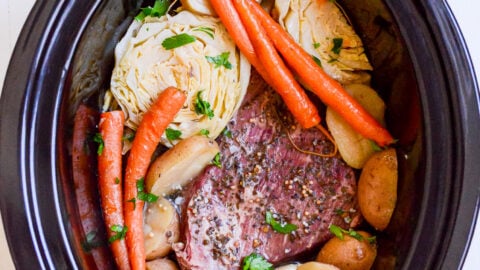
Credit: realfoodwholelife.com
Choosing The Right Corned Beef Brisket
Choosing the right corned beef brisket is the first step to perfecting your slow cooker recipe. The quality and size of the brisket directly affect cooking times and the final taste. Paying attention to these details will save you from guesswork and disappointing results.
Size And Weight Considerations
The size of your brisket matters more than you might think. A larger brisket will need more time to cook thoroughly in the slow cooker, while a smaller piece cooks faster and can dry out if overcooked.
Most corned beef briskets weigh between 2 to 5 pounds. If your brisket is around 3 pounds, expect it to take approximately 8-10 hours on low heat. For heavier briskets above 4 pounds, plan for 10-12 hours to ensure tenderness.
Think about your slow cooker’s capacity too. A very large brisket might not fit well or cook evenly if the cooker is too small. Have you ever had a brisket turn out unevenly cooked? Size mismatch could be the culprit.
Quality And Cut Tips
Not all corned beef briskets are created equal. Look for briskets with a good balance of lean meat and fat. The fat helps keep the meat moist during slow cooking.
Choose briskets labeled “flat cut” for a leaner result, or “point cut” if you prefer a fattier, richer flavor. Each cut behaves differently during cooking, affecting texture and taste.
Check the packaging date and avoid briskets that have been on the shelf too long. Freshness impacts tenderness and flavor more than you might expect. Have you noticed a difference between fresh and older corned beef?
Preparing Corned Beef For The Slow Cooker
Preparing corned beef for the slow cooker sets the stage for a tender, flavorful meal. How you handle the brisket before it hits the pot makes a big difference in the final taste and texture. Taking a few extra minutes to get the beef ready ensures your slow cooker does its best work.
Trimming And Rinsing
Start by trimming excess fat from the brisket. Leaving too much fat can make the dish greasy, but a little fat helps keep the meat moist during cooking. Use a sharp knife to remove large chunks of fat while keeping some for flavor.
Rinse the corned beef under cold water to wash away the curing brine. This step prevents the dish from becoming overly salty. Don’t skip rinsing; it balances the seasoning and lets you control the saltiness when you add your own spices later.
Adding Seasonings And Aromatics
Seasonings and aromatics bring depth to your slow-cooked corned beef. Classic choices include bay leaves, peppercorns, garlic cloves, and mustard seeds. Adding these directly into the slow cooker enhances the beef’s natural flavors.
You can also throw in chopped onions, carrots, and celery for extra aroma and taste. These vegetables cook alongside the meat and create a savory base for your cooking liquid. Have you tried adding a splash of apple cider vinegar or a few whole cloves? These small touches can make a big flavor impact.
Slow Cooker Settings And Timing
Setting the right temperature and timing is key to cooking tender corned beef brisket in a slow cooker. The slow cooker’s heat setting and the brisket’s size influence how long the meat will take to cook. Choosing the right setting ensures the meat becomes soft and flavorful without drying out.
Low Vs High Heat Settings
Slow cookers usually offer two main heat settings: low and high. Low heat cooks the brisket gently over a longer time, usually resulting in more tender meat. High heat cooks faster but can sometimes make the meat less tender if not timed well.
- Low setting: Best for cooking over 8 to 10 hours.
- High setting: Cooks in about 4 to 6 hours.
Use low heat for a slow, even cook that melts the fat and connective tissue. Use high heat only if you have less time, but check the meat often to avoid overcooking.
Cooking Time Based On Brisket Size
The size of the brisket affects how long it needs to cook. Larger briskets need more time to become tender. Here is a simple guide:
| Brisket Size | Low Heat Cooking Time | High Heat Cooking Time |
|---|---|---|
| 3 to 4 pounds | 8 to 10 hours | 4 to 5 hours |
| 5 to 6 pounds | 10 to 12 hours | 5 to 6 hours |
| 7 pounds and up | 12+ hours | 6+ hours |
Check the brisket with a fork near the end of cooking. It should pull apart easily when done.

Credit: www.foodfaithfitness.com
Checking Doneness And Texture
Check corned beef by piercing it with a fork; it should be tender and easy to pull apart. Texture feels soft, not tough or chewy. If it resists, cook longer until fork slides in smoothly.
Checking doneness and texture is crucial when cooking corned beef brisket in a slow cooker. Achieving the perfect balance ensures your brisket is both flavorful and tender. How do you know when it’s just right?
Using A Meat Thermometer
A meat thermometer is your best friend in the kitchen. Insert it into the thickest part of the brisket. You're aiming for an internal temperature of 190°F to 205°F. This range ensures that the connective tissues have broken down, making the meat tender. Remember, patience is key. Even if you're tempted to peek, let the slow cooker do its magic for a few hours before checking.
Signs Of Tenderness
Beyond temperature, texture tells the story. A perfectly cooked brisket should be fork-tender. When you insert a fork, it should glide through the meat without resistance. Watch for the brisket to start pulling apart easily. This is a good sign that the meat is ready to serve. Have you ever wondered why some briskets melt in your mouth while others don’t? It often boils down to the slow-cooking process and these simple checks. By focusing on these practical tips, you can transform your corned beef brisket into a dish that’s not just cooked, but perfectly done.
Adding Vegetables To The Slow Cooker
Adding vegetables to your slow cooker with corned beef brisket not only enhances the flavor but also creates a complete meal in one pot. The timing and choice of vegetables can make a big difference in texture and taste. Knowing when and what to add will help you avoid mushy veggies or undercooked bites.
Best Vegetables For Corned Beef
Root vegetables work best with corned beef because they hold up well during long cooking times. Think about potatoes, carrots, and parsnips—they absorb flavors and stay firm enough to enjoy.
Cabbage is a classic addition but add it later since it cooks faster. Onions and garlic also complement the dish nicely and add depth without overpowering the beef.
- Potatoes (Yukon Gold or red potatoes)
- Carrots
- Parsnips
- Cabbage wedges
- Onions
- Garlic cloves
Timing For Adding Vegetables
Think about cooking times: root vegetables take longer, so add them at the beginning with the brisket. They’ll have enough time to soften and soak up the broth’s flavor.
Cabbage cooks quickly and can become mushy if left too long. Add cabbage and softer vegetables like onions and garlic about 1 to 2 hours before the cooking ends.
Have you ever ended up with overcooked, flavorless veggies? Try this timing approach to keep your vegetables vibrant and tasty, complementing your corned beef perfectly.
Resting And Serving Tips
Resting and serving corned beef brisket properly makes a big difference. Letting the meat rest lets the juices settle. This keeps the brisket tender and juicy. Serving it the right way highlights its flavor and texture. Follow these simple tips for a perfect meal.
Letting The Meat Rest
After cooking, remove the brisket from the slow cooker. Place it on a cutting board. Cover loosely with foil. Let it rest for at least 10 to 15 minutes. This helps the meat stay moist. Resting makes slicing easier and keeps juices inside. When exploring beef brisket cooking techniques, it's essential to consider the different methods that enhance flavor and tenderness. Experimenting with marinades and rubs can elevate the taste profile significantly. Additionally, the choice of smoking wood can impart unique nuances to your brisket, making each barbecue session a new adventure.
Slicing Techniques
Use a sharp knife for clean cuts. Slice the brisket against the grain. Look for the lines of muscle fibers. Cutting across them makes the meat tender. Cut slices about ¼ inch thick. Serve slices on a warm plate to keep heat. This method gives the best texture and flavor.
Common Mistakes To Avoid
Cooking corned beef brisket in a slow cooker is straightforward, but it’s easy to make mistakes that affect the taste and texture. Avoiding common pitfalls can help you achieve tender, flavorful meat every time. Let’s look at some errors that often trip up home cooks and how you can dodge them.
Overcooking Or Undercooking
Slow cooking is forgiving, but not immune to timing errors. Overcooking corned beef brisket can turn it dry and stringy, while undercooking leaves it tough and chewy. Aim for about 8 to 10 hours on low or 4 to 5 hours on high, depending on your slow cooker’s size and model.
Have you noticed your brisket falling apart too much? That’s a sign it cooked too long. Conversely, if it resists a fork’s poke, it needs more time. Check the meat’s tenderness periodically to find the sweet spot.
Skipping The Rinse
Many skip rinsing the brisket before cooking, but this step is crucial. The brine used in corned beef contains a lot of salt and spices that can overwhelm your dish. Rinsing removes excess salt and surface spices, balancing the final flavor.
Rinsing also helps prevent a gritty texture from the curing mix. Don’t just wash it quickly—give it a gentle soak and pat dry before placing it in the slow cooker. This small step can transform the taste and texture of your meal.
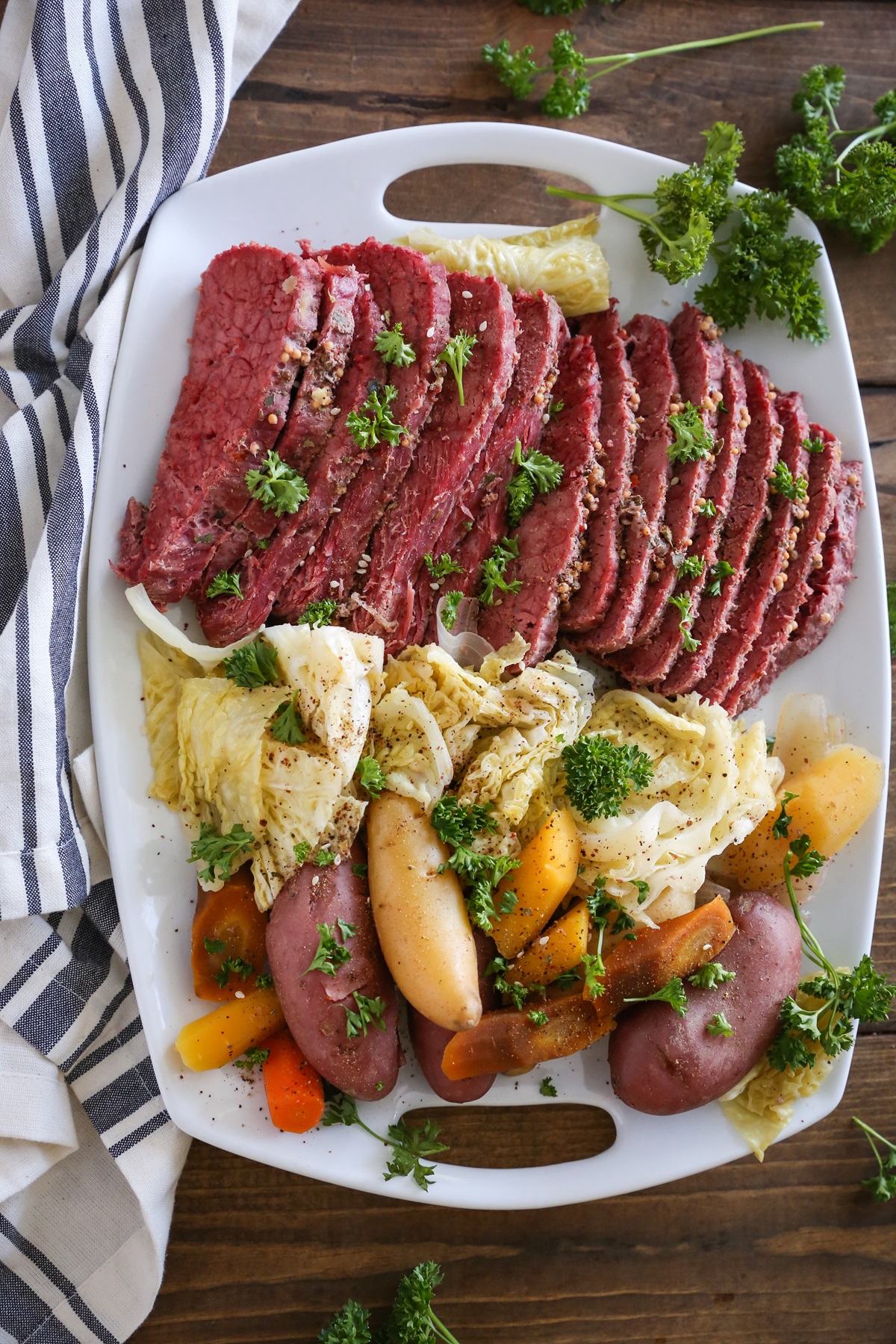
Credit: www.theroastedroot.net
Frequently Asked Questions
How Long Does Corned Beef Brisket Take In A Slow Cooker?
Corned beef brisket typically takes 8 to 10 hours on low heat in a slow cooker. Cooking it slowly ensures tenderness and flavor. High heat can reduce time to 4 to 5 hours but may affect texture. When preparing a large cut like the tomahawk steak, it's essential to consider the perfect cooking time for tomahawk steak to achieve the best results. Cooking it at a steady temperature allows the marbling to render beautifully, resulting in a juicy and flavorful piece of meat. For optimal results, many chefs recommend using a meat thermometer to ensure it reaches the desired doneness without overcooking.
What Is The Best Slow Cooker Setting For Corned Beef?
Low setting is best for corned beef in a slow cooker. It cooks the meat evenly and makes it tender. High heat cooks faster but risks dryness and toughness.
Should I Add Water When Slow Cooking Corned Beef Brisket?
Yes, add enough water or broth to cover the brisket halfway. This keeps the meat moist and helps distribute heat evenly. Avoid adding too much liquid to preserve flavor.
Can I Cook Corned Beef Brisket Frozen In A Slow Cooker?
It’s not recommended to cook frozen corned beef directly in a slow cooker. Thaw it first to ensure even cooking and food safety. Slow cookers heat slowly and may leave frozen meat unsafe.
Conclusion
Cooking corned beef brisket in a slow cooker takes time and patience. Aim for about 8 to 10 hours on low heat. This method makes the meat tender and flavorful. Check the brisket near the end to avoid overcooking. Pair it with your favorite vegetables for a full meal.
Slow cooking helps the flavors blend well. Enjoy a simple, tasty dish with minimal effort. Your slow cooker does most of the work for you. A perfect meal for busy days or relaxing weekends.