If you’ve ever wondered how long to cook chuck roast in a Dutch oven, you’re in the right place. Getting that perfect, tender, melt-in-your-mouth roast isn’t always easy.
Too little time, and it’s tough; too long, and it can dry out. But don’t worry—this guide will help you master the timing to make your chuck roast juicy and full of flavor every time. Keep reading, and you’ll learn the simple secrets to cooking your roast just right, impressing everyone at your table.
Choosing The Right Chuck Roast
Choosing the right chuck roast is a crucial step before you even think about cooking times or seasoning. The quality and size of your roast will directly affect the tenderness and flavor of your final dish. Let’s dive into what makes a chuck roast perfect for your Dutch oven meal.
Selecting Quality Meat
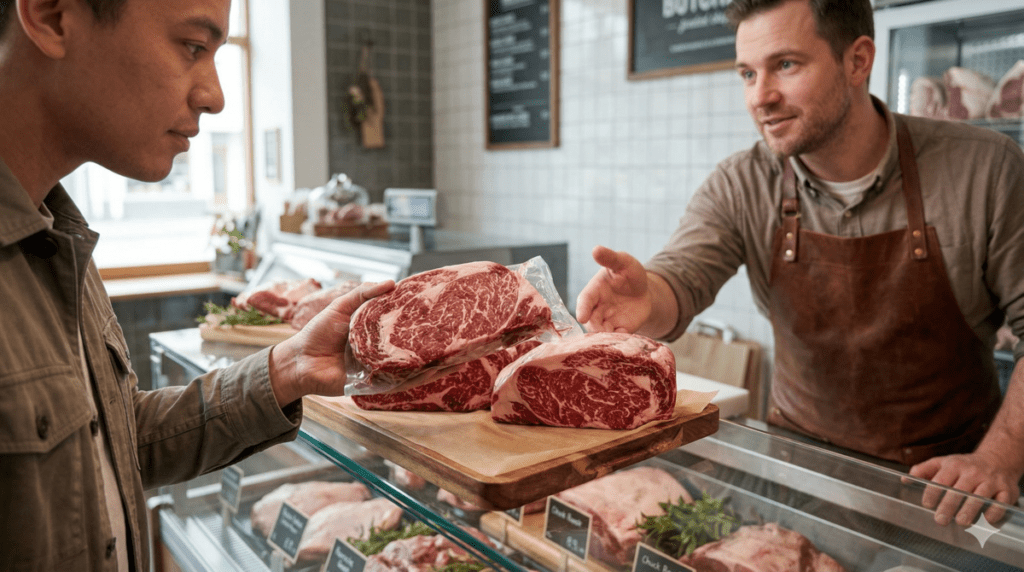
Look for chuck roast with good marbling—those thin streaks of fat running through the meat. Fat melts during cooking, keeping the roast juicy and flavorful. Avoid cuts that look dry or pale; fresh, vibrant color often signals better quality.
Don’t hesitate to ask your butcher where the meat came from. Knowing if it’s grass-fed or grain-fed can help you predict flavor and texture. Remember, quality meat doesn’t always mean expensive. Some lesser-known brands offer excellent cuts at reasonable prices.
Ideal Roast Size
Choosing the right size is just as important as quality. A roast that’s too large might not cook evenly in your Dutch oven, leaving you with a tough center and overcooked edges. On the other hand, a very small roast could dry out quickly.
For most Dutch ovens, a 3 to 4-pound chuck roast hits the sweet spot. It fits comfortably, allowing heat to circulate evenly. Plus, it’s enough to serve a small family without wasting leftovers.
Have you ever picked a roast only to find it didn’t fit your pot well? Taking a moment to match size and equipment can save frustration and improve your cooking results dramatically.
Preparing The Chuck Roast
Preparing the chuck roast is a crucial step before cooking it in a Dutch oven. Proper preparation ensures the meat stays juicy and full of flavor. This process starts with seasoning and searing. These steps help build a rich taste and create a beautiful crust on the roast.
Seasoning Tips
Start with simple seasoning to enhance the natural flavor of the meat. Use salt and pepper as a base. Rub the seasoning evenly on all sides of the roast. Let the meat sit at room temperature for 30 minutes before cooking. This helps the seasoning soak in and the roast cook evenly. To really master how to achieve juicy prime rib, it's essential to choose a high-quality cut of meat, preferably from a reputable butcher. Consider using a ribeye roast with good marbling, as this will contribute to the tenderness and flavor. Additionally, you can experiment with various herbs and spices to further elevate the taste, ensuring a delicious result that will impress your guests.
Consider adding garlic powder, onion powder, or dried herbs like thyme or rosemary for extra aroma. Avoid using too much salt to prevent overpowering the meat. A balanced seasoning mix makes the roast taste better after cooking.
Searing For Flavor
Searing the chuck roast creates a caramelized crust that locks in juices. Heat the Dutch oven over medium-high heat and add a small amount of oil. Place the roast carefully in the hot pot. Avoid crowding the pot to keep the heat steady.
Cook each side for about 3 to 4 minutes until a deep brown crust forms. Use tongs to turn the roast gently. Searing adds texture and deepens the flavor of the final dish. It also helps to prevent the meat from drying out during slow cooking.

Dutch Oven Cooking Basics
Cooking a chuck roast in a Dutch oven is a time-tested way to get tender, flavorful results. Before you dive into the cooking times and techniques, it helps to understand what makes the Dutch oven special. Knowing the basics can improve your cooking experience and the final taste of your roast.
Why Use A Dutch Oven
An enameled cast iron Dutch oven is heavy and thick, usually made from cast iron. This material holds heat evenly and retains it for a long time. It creates the perfect environment for slow cooking tough cuts like chuck roast.
You’ll notice your meat browns beautifully and cooks gently without drying out. The tight-fitting lid traps moisture, which keeps the roast juicy and tender. Have you ever tried cooking chuck roast in a thin pot? The results usually aren’t as good because heat distribution isn’t consistent.
Essential Equipment
Besides the Dutch oven itself, a few tools can make the process smoother. A good pair of heavy-duty tongs helps you handle the roast without piercing it, keeping juices locked inside.
A sturdy wooden spoon or silicone spatula comes in handy for stirring and scraping browned bits from the bottom. These bits add flavor to your sauce or gravy.
Don’t forget an oven thermometer to check the temperature inside your oven. Dutch ovens hold heat well, but oven temps can vary. Accurate temperature control is key to cooking your chuck roast perfectly.
Cooking Time Guidelines
Knowing how long to cook a chuck roast in a Dutch oven is key to achieving tender, flavorful meat. Cooking time can vary widely depending on your chosen method and heat source. Understanding these guidelines helps you plan better and avoid undercooked or dry results.
Low And Slow Method
Cooking chuck roast low and slow is the classic way to get melt-in-your-mouth texture. Expect to cook it for about 3 to 4 hours at 275°F (135°C) in the oven. This slow braise breaks down tough connective tissue, making the meat tender.
I once tried rushing this process and ended up with a tough roast. Patience pays off here. You can check tenderness by poking the meat with a fork—it should slide in easily.
High Heat Quick Braise
If you’re short on time, a quicker braise at 325°F (163°C) can work in about 2 to 2.5 hours. This method requires a bit more attention to prevent drying out. Adding enough liquid and covering the Dutch oven tightly helps retain moisture.
Keep an eye on the roast during the last 30 minutes. Is the meat starting to dry out? If yes, add a splash of broth or water to keep it juicy.

Oven Vs Stovetop
Choosing between oven and stovetop cooking affects your timing and heat control. The oven provides steady, even heat, perfect for long, slow cooking without much monitoring. You can set it and relax.
On the stovetop, heat can be less consistent. You’ll need to adjust the burner frequently and watch the liquid level to avoid burning. Stovetop cooking often takes slightly less time but demands more hands-on care.
What kind of cooking setup do you prefer for your chuck roast? Your answer could change how long you spend in the kitchen and the final flavor of your meal.
Checking For Tenderness
Cooking a chuck roast in a Dutch oven can result in a tender, flavorful meal. But how do you know when it's ready? Checking for tenderness is key. This process ensures your roast is cooked to perfection, providing a delightful dining experience.
Visual Cues
Start by observing the roast. Look for a deep brown color and juices bubbling gently around the edges. This indicates that the roast has cooked well and absorbed flavors. The meat should look slightly separated, showing it's becoming tender.
Fork Test
Use a fork to test the meat's tenderness. Insert the fork into the roast and twist gently. If it goes in easily and the meat starts to fall apart, it's ready. If there's resistance, give it more time to cook.
Temperature Tips
Check the internal temperature with a reliable instant-read meat thermometer. A well-cooked chuck roast should reach about 190°F (88°C) for optimal tenderness. This temperature ensures the collagen breaks down, resulting in juicy, tender meat.
Resting And Serving
Resting and serving are key steps after cooking a chuck roast in a Dutch oven. Resting lets the meat finish cooking evenly and keeps it juicy. Serving brings out the best flavors and makes your meal more enjoyable.
Resting Time Importance
Resting allows the meat fibers to relax. This helps the juices spread inside the roast. Cutting into the roast too soon makes the juices run out. The meat becomes dry and less tasty.
Let the roast rest for about 15 to 20 minutes. Cover it loosely with foil to keep it warm. This simple step improves texture and flavor. It also makes slicing easier and cleaner.
Serving Suggestions
Serve your chuck roast with sides that soak up the rich sauce. Mashed potatoes, roasted vegetables, or buttered noodles work well. Fresh herbs like parsley or thyme add color and flavor.
- Slice the roast against the grain for tenderness.
- Pour the cooking juices over the meat.
- Offer mustard or horseradish for extra zest.
Use a warm plate to keep the roast hot longer. A well-rested and nicely served chuck roast makes every bite satisfying.
Common Mistakes To Avoid
Cooking chuck roast in a Dutch oven needs attention. Mistakes can spoil the texture and taste. Understanding common errors helps you get tender, flavorful meat every time.
Watch the cooking time closely. Both overcooking and undercooking cause problems. Recognize the signs to know when your roast is just right.
Overcooking Risks
- Meat becomes dry and stringy.
- Flavors may turn dull or bitter.
- Juices evaporate, leaving a tough roast.
- Fat can melt away, reducing richness.
- Texture loses its tender pull-apart quality.

Undercooking Signs
- Meat feels hard or rubbery to touch.
- Tough fibers resist cutting or shredding.
- Center remains pink or raw-looking.
- Juices are cloudy, not clear.
- Chewing requires more effort and time.
Frequently Asked Questions
How Long Does It Take To Cook Chuck Roast In A Dutch Oven?
Cooking chuck roast in a Dutch oven takes about 2. 5 to 3 hours. Simmer on low heat until the meat is tender and easily shredded. Cooking time may vary depending on roast size and oven temperature.
What Temperature Should Dutch Oven Be For Chuck Roast?
Set your oven to 300°F (150°C) for slow cooking chuck roast. This temperature ensures even cooking and tender meat. Avoid high heat to prevent drying out the roast.
Can I Cook Chuck Roast Faster In A Dutch Oven?
Yes, you can cook chuck roast faster by increasing heat to 350°F (175°C). However, faster cooking may result in less tender meat. Slow cooking at lower temperatures is preferred for best texture.
Should I Brown Chuck Roast Before Dutch Oven Cooking?
Yes, browning chuck roast before cooking adds flavor and seals juices. Sear the meat in hot oil for 3-5 minutes per side. This step enhances the roast’s taste and texture.
Conclusion
Cooking a chuck roast in a Dutch oven takes time and patience. Plan for about 2. 5 to 3 hours of slow cooking. This method makes the meat tender and full of flavor. Check the roast occasionally to avoid overcooking. When preparing beef stew cooking times explained, it's crucial to consider the size of the meat chunks. Larger pieces may require an extra hour, while smaller pieces will become tender more quickly. Additionally, incorporating a variety of vegetables can enhance the overall flavor and texture of the dish.
Use low heat and keep the lid on for best results. Serve your roast with your favorite sides. Enjoy a warm, hearty meal that’s easy to prepare. Cooking this way brings out the best in chuck roast every time. Simple steps lead to delicious results.