If you’ve ever wondered how long to cook beef stew in a Dutch oven to get that perfect, melt-in-your-mouth tenderness, you’re in the right place. Cooking stew can be tricky—too short, and the meat is tough; too long, and the flavors fade.
But don’t worry, we’ll guide you step-by-step to make sure your beef stew turns out rich, flavorful, and just right every time. Keep reading, and you’ll discover the secret to mastering this classic comfort dish in your Dutch oven.
Choosing The Right Beef Cut
Choosing the right beef cut is key to making a rich and tender stew in your Dutch oven. The cut affects how long you’ll need to cook the stew and how flavorful it will be. Picking the wrong cut can leave you with tough meat or a bland broth.

Best Cuts For Stew
Look for beef cuts that become tender with slow cooking. These cuts usually have more connective tissue, which breaks down during simmering, adding flavor and richness.
- Chuck roast:A popular choice for its balance of fat, meat, and connective tissue.
- Brisket:Offers a rich texture but takes a bit longer to tenderize.
- Round roast:Leaner and cheaper but needs careful cooking to avoid dryness.
Have you ever wondered why some stews turn out chewy while others melt in your mouth? The cut you select plays a huge role.
Benefits Of Chuck Roast
Chuck roast is often the top pick for beef stew in a Dutch oven. It has enough marbling to keep the meat juicy during long cooking.
As the collagen in chuck melts, it creates a silky texture that thickens the stew naturally. This means you might not even need extra thickeners.
I’ve found that chuck roast gives consistent results, even if your cooking time varies a bit. It’s forgiving and full of flavor.
Alternatives To Consider
If chuck roast isn’t available, brisket and round roast are good substitutes. Brisket adds a deeper beefy flavor but requires a longer cook time to become tender.
Round roast is leaner and cooks faster, but you’ll need to watch it closely to avoid drying out the meat. Adding extra fat or cooking in a rich broth helps.
Thinking beyond traditional cuts, some cooks even use short ribs for a stew with extra richness and bone flavor. Have you tried experimenting with different cuts to see how they change your stew?
Preparing Ingredients
Preparing ingredients for beef stew in a Dutch oven sets the foundation for a rich and flavorful dish. Careful preparation ensures even cooking and enhances the stew’s taste. Fresh, well-prepared ingredients bring out the best in every bite.
Chopping Vegetables
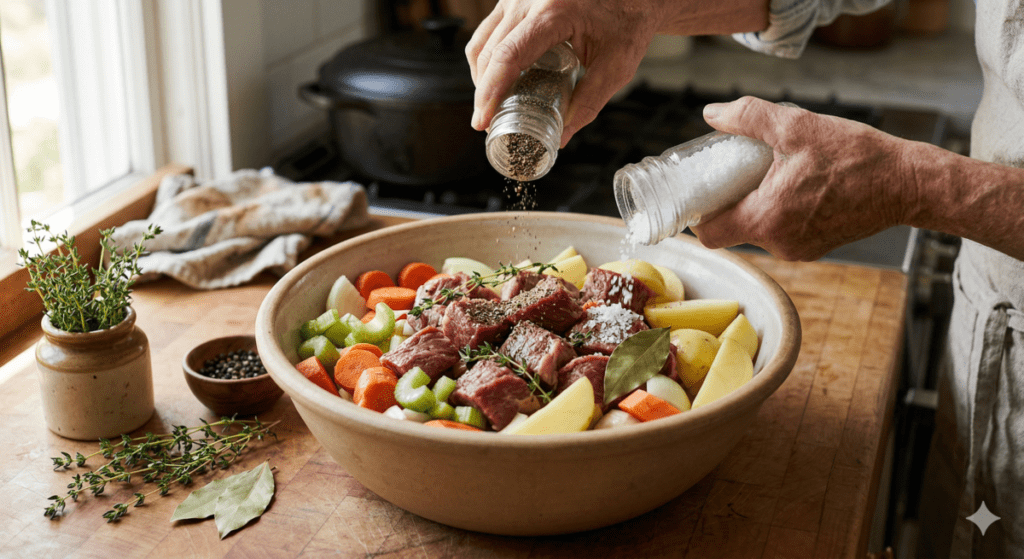
Choose vegetables like carrots, potatoes, onions, and celery. Cut them into uniform pieces using a sharp chef's knife. This helps them cook evenly and blend well with the stew. Avoid making pieces too small; they might turn mushy during cooking. Aim for bite-sized chunks that hold their shape.
Seasoning Tips
Season the beef and vegetables before cooking. Use salt, black pepper, and herbs such as thyme or bay leaves. Seasoning early allows flavors to penetrate the meat and vegetables. Avoid over-seasoning; you can adjust the taste later. Keep spices simple to complement the beef’s natural flavor. When preparing for the week ahead, meal prepping techniques for busy cooks can save time and effort. By organizing and pre-portioning meals, you'll ensure you have healthy options readily available. This approach not only streamlines your cooking routine but also helps maintain balanced nutrition throughout the week.
Browning The Meat
Start by prepping your meat on a heavy-duty cutting board, then pat the beef dry with paper towels. This helps achieve a good brown crust. Heat oil in the Dutch oven over medium-high heat. Brown the meat in batches to avoid overcrowding the pot. Browning adds depth and richness to the stew’s flavor. Don’t rush this step; take time to get a nice color.
Cooking Times Explained
Understanding the right cooking times for beef stew in a Dutch oven is key to tender, flavorful results. Cooking times vary based on the heat source and technique used. This section breaks down the common methods and their ideal durations.
Simmering On The Stove
Simmering beef stew on the stove requires steady, low heat. It usually takes about 2 to 3 hours for the meat to become tender. Stir occasionally to prevent sticking. Keep the heat low enough to maintain a gentle simmer. This slow approach helps flavors meld perfectly.
Oven Cooking Duration
Cooking beef stew in the oven offers even heat distribution. Preheat the oven to 325°F (163°C). Cook the stew for 2 to 3 hours in a covered Dutch oven. Check the meat after 2 hours for tenderness. Oven cooking allows for consistent temperature and deep flavor development. To achieve the perfect prime rib roast cooking techniques, start by seasoning the meat generously with salt and pepper. Searing the roast in a hot skillet before transferring it to the oven can help lock in juices and create a beautiful crust. A meat thermometer is essential to ensure the roast reaches your desired level of doneness, allowing for a flavorful and tender result. If you're looking to achieve mouthwatering results on the grill, consider some charcoal grilling tips for chicken legs. Start by marinating the chicken legs for several hours to enhance flavor and moisture. Once the grill is ready, maintain a consistent temperature to ensure they cook evenly while achieving that perfect smoky finish.
Slow Cooker Vs Dutch Oven
Slow cookers use low heat over a longer time, usually 6 to 8 hours on low. Dutch ovens cook faster due to higher direct heat. The enameled cast iron Dutch oven method offers more control over cooking temperature. Slow cookers require less attention but may lack the rich browning a Dutch oven provides.
Achieving Perfect Tenderness
Cooking beef stew in a Dutch oven takes about 2 to 3 hours for tender meat. Slow simmering breaks down tough fibers, making the beef soft and flavorful. Checking occasionally helps avoid overcooking and keeps the stew perfect.
Achieving the perfect tenderness in beef stew cooked in a Dutch oven transforms your meal. The right balance of time and heat is crucial. This ensures the beef is flavorful and soft.
Signs of Tender Beef
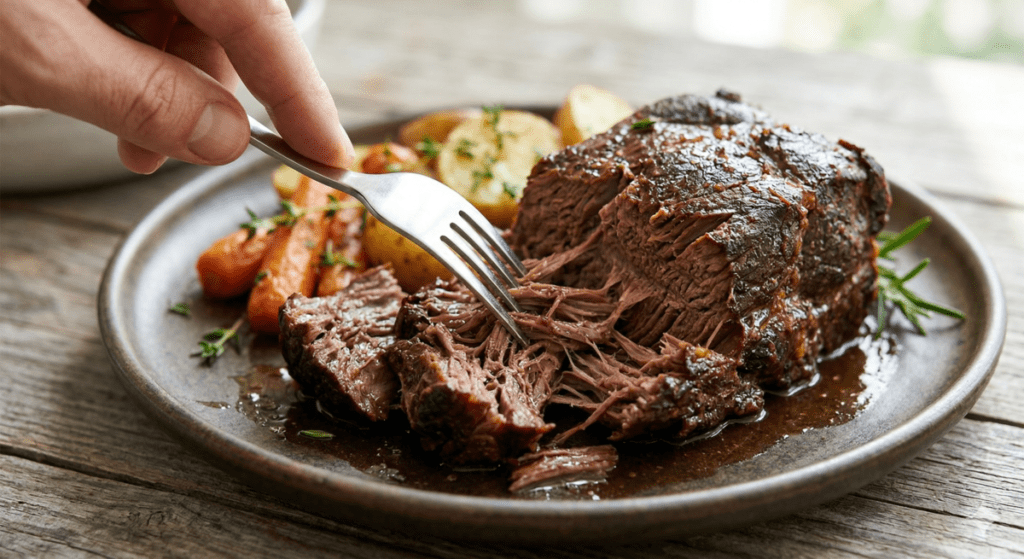
Tender beef should easily fall apart with a fork. The meat should not be chewy or tough. It should have a rich, deep flavor and a juicy texture. If it meets these, you've achieved perfect tenderness.
Adjusting Time For Thickness
Thicker stew requires more cooking time. Cut your beef into uniform pieces for even cooking. Check the stew occasionally and adjust the time if needed. Use a low and steady heat for the best results.
Resting The Stew
Let your stew rest after cooking. This helps the flavors meld together. Resting also allows the beef to become more tender. Cover the stew and let it sit for about 10 minutes before serving.
Common Mistakes To Avoid
Cooking beef stew in a Dutch oven can be simple and rewarding. Avoiding common mistakes improves flavor and texture. These errors often lead to tough meat or bland stew.
Overcooking Meat
Overcooking beef stew meat makes it dry and chewy. Tough cuts need slow cooking but not too long. Check meat tenderness regularly to avoid mushy texture. Remove from heat once meat feels soft but still firm.
Too High Heat
Cooking stew on high heat can burn ingredients. It causes liquid to evaporate quickly, drying out the stew. Use low or medium heat for even cooking. Slow simmer lets flavors develop and meat soften properly.
Skipping Browning
Browning meat adds deep flavor and rich color. Skipping this step results in bland stew. Brown meat in batches to avoid steaming. This creates a tasty crust and improves the stew’s taste.
Tips For Enhancing Flavor
Enhancing the flavor of beef stew in a Dutch oven makes every bite more delicious. Simple techniques can deepen the taste and create a rich, satisfying dish. Small changes during cooking add layers of aroma and complexity.
Use fresh ingredients and smart cooking tricks to bring out the best in your stew. Focus on herbs, cooking liquids, and balancing tastes for a perfect meal.
Using Fresh Herbs
Fresh herbs add bright, natural flavors to beef stew. Thyme, rosemary, and parsley work well. Add them near the end of cooking to keep their aroma strong. Tie herbs in a bundle for easy removal later. Fresh herbs give the stew a lively, fresh taste.
Deglazing Techniques
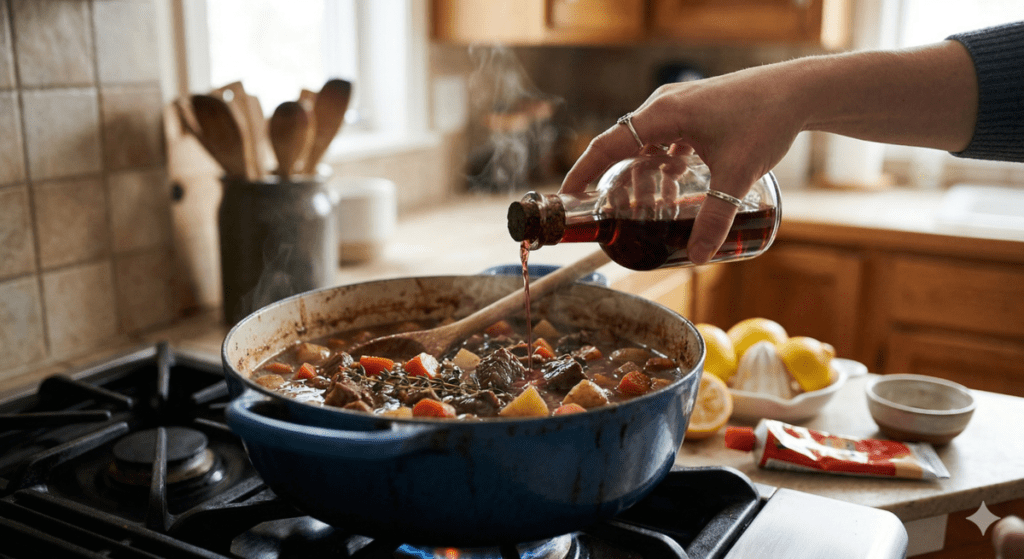
Deglazing lifts the caramelized bits from the bottom of the Dutch oven. Pour a splash of broth, wine, or even beer into the pot. Scrape the bottom gently with a sturdy wooden spoon. These browned bits hold rich flavors that enhance the stew. This step adds depth and complexity to the sauce.
Adding Acid For Balance
Acid cuts through the richness of beef stew. A little vinegar, lemon juice, or tomato paste works well. Add acid near the end of cooking to brighten flavors. It balances the heaviness and lifts the overall taste. A hint of acidity makes the stew taste fresher and more vibrant.
Frequently Asked Questions
How Long Does Beef Stew Take In A Dutch Oven?
Beef stew usually takes about 2 to 3 hours to cook in a Dutch oven. This slow cooking tenderizes the meat and blends flavors well. Cooking on low heat ensures a rich and hearty stew.
Can I Cook Beef Stew Faster In A Dutch Oven?
Yes, using higher heat can reduce cooking time to about 1. 5 hours. However, slower cooking at low heat yields more tender beef and better flavor. Avoid rushing to prevent tough meat.
What Temperature Is Best For Dutch Oven Beef Stew?
Simmer beef stew at low to medium-low heat, around 300°F (150°C). This temperature allows the meat to become tender without drying out. Maintain a gentle simmer for best results.
Should I Brown Beef Before Dutch Oven Cooking?
Yes, browning beef before cooking enhances flavor and texture. It seals in juices and adds a rich, caramelized taste to the stew. Always brown in batches to avoid overcrowding.
Conclusion
Cooking beef stew in a Dutch oven takes time but is worth it. Slow cooking helps the meat become tender and flavors blend well. Usually, it takes about 2 to 3 hours on low heat. Check the meat after two hours to see if it is soft.
Stir occasionally to avoid sticking. Patience leads to a rich, tasty stew. Enjoy your hearty meal with simple steps and good timing.