Are you wondering how long to cook chicken breast in your convection oven to get it juicy and perfectly done every time? Cooking chicken breast can be tricky—too short, and it’s undercooked; too long, and it turns dry.
But don’t worry, this guide will help you nail the timing and temperature so your chicken comes out tender and delicious. Keep reading, and you’ll discover simple tips that make your next meal a hit without any guesswork.
Credit: www.food.com
Choosing The Right Chicken Breast
Choosing the right chicken breast is key to nailing your cooking time and achieving juicy, flavorful results in a convection oven. The type of chicken breast you pick directly affects how long it needs to cook and how it tastes. Let’s break down what you should consider before you start cooking.
Boneless Vs Bone-in
Boneless chicken breasts cook faster because heat penetrates evenly without the bone acting as a heat barrier. They’re great when you’re short on time or want easy slicing after cooking.
Bone-in breasts take longer but often stay juicier and have more flavor due to the bone’s insulation. If you enjoy a richer taste and don’t mind the extra cooking time, bone-in is a solid choice.
Fresh Vs Frozen
Fresh chicken breasts usually have a better texture and cook more evenly in a convection oven. They don’t release as much water, which helps with browning and flavor concentration.
Frozen chicken breasts require thawing or longer cooking times. Cooking from frozen can lead to uneven results, so if you’re in a hurry, fresh is preferable. Have you tried cooking straight from frozen? It’s doable but expect some trade-offs in texture.
Size And Thickness
Thicker chicken breasts need more time in the oven, while thinner ones cook quickly. This is where a meat thermometer becomes your best friend—checking internal temperature ensures safety without overcooking.
Consider pounding thicker breasts to an even thickness if you want faster, consistent cooking. If your chicken breasts vary in size, adjust the cooking time accordingly to avoid dry edges or undercooked centers.
Benefits Of Using A Convection Oven
Using a convection oven for cooking chicken breast brings several advantages that can improve your cooking experience and final dish. This appliance uses a fan to circulate hot air, which changes how heat reaches your food. Understanding these benefits can help you decide if a convection oven fits your kitchen needs and cooking style.
Even Heat Distribution
A convection oven spreads heat evenly around your chicken breast. This means no hot spots or uneven cooking, which can happen in regular ovens. The consistent temperature ensures every bite is cooked just right, avoiding undercooked or dry areas.
Have you ever bitten into a chicken breast only to find some parts juicy and others tough? Even heat distribution is the solution to that problem.
Faster Cooking Times
The fan in a convection oven moves hot air quickly, which speeds up the cooking process. You can expect your chicken breast to cook about 25% faster compared to a traditional oven. This saves you time, especially on busy days when you want a quick and healthy meal.
Imagine finishing dinner prep earlier and having extra time to relax or focus on other tasks. Wouldn’t that make cooking feel less like a chore?
Crispier Texture
Convection ovens excel at creating a crispy outer layer. The circulating air removes moisture from the surface of the chicken breast, helping it brown nicely and develop a satisfying crunch. This texture adds a delicious contrast to the tender meat inside.
If you enjoy that perfect crispy skin or crust but without frying, a convection oven can deliver it every time. Doesn’t that sound like a great way to elevate your chicken dishes?
Preparing Chicken For The Oven
Preparing chicken breast for the oven sets the stage for a delicious meal. Proper preparation helps the chicken cook evenly and stay tender. It also enhances flavor and moisture. Simple steps like seasoning, marinating, or brining make a big difference. These techniques ensure your chicken breast comes out juicy and tasty from the convection oven.
Seasoning Tips
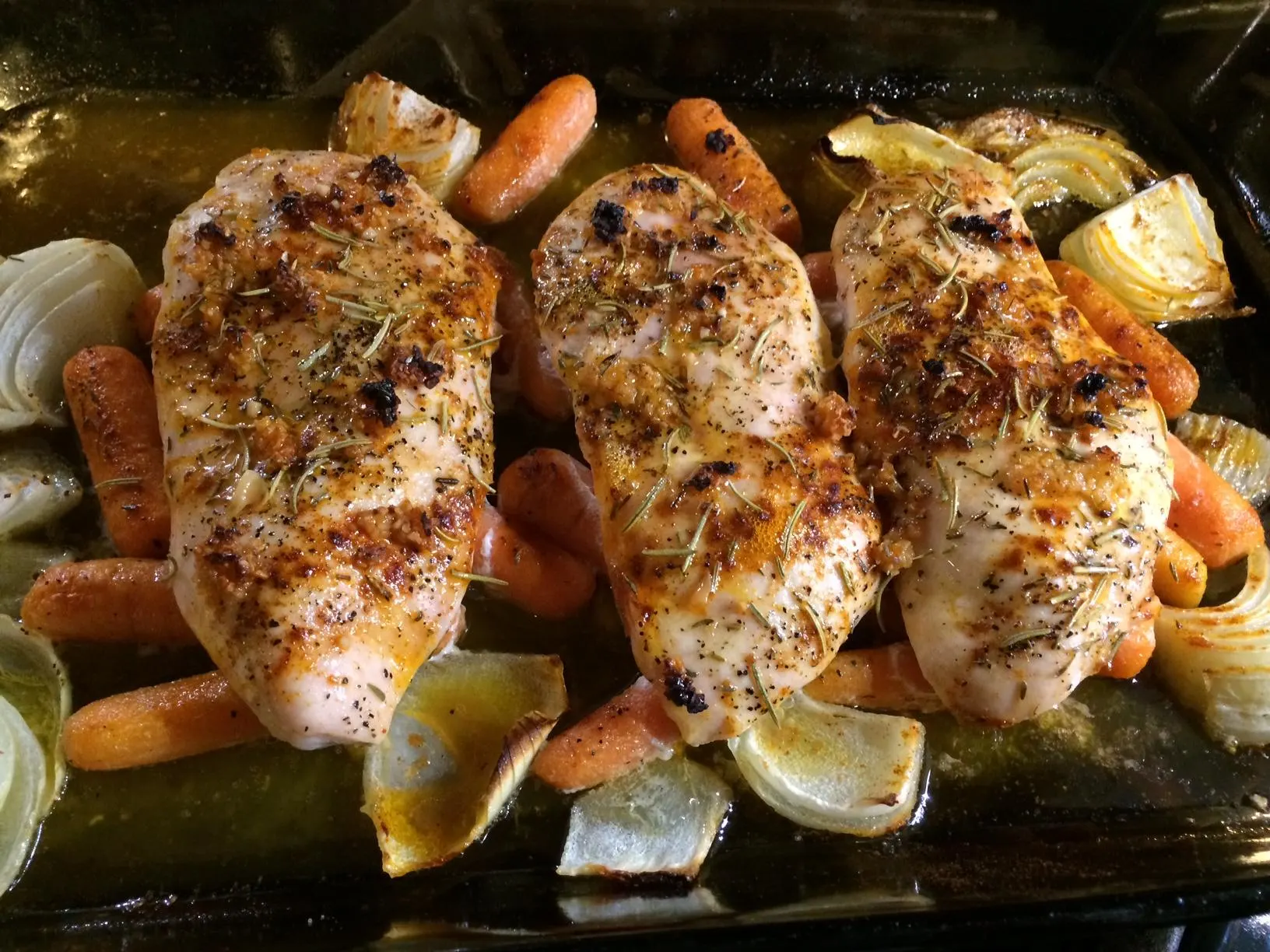
Start with clean, dry chicken breasts. Pat them with paper towels to remove moisture. Use salt and pepper as a base. Add herbs like thyme, rosemary, or parsley for extra taste. Garlic powder and paprika give a nice color and flavor. Rub the seasoning evenly on all sides. Let the chicken rest for a few minutes before cooking.
Marinating Options
Marinating adds flavor and tenderizes the meat. Use simple ingredients like olive oil, lemon juice, and garlic. Mix with herbs or spices you like. Place the chicken in a sealable bag or bowl with marinade. Keep it in the fridge for at least 30 minutes. Avoid marinating longer than 24 hours to keep texture firm. Pat dry before placing in the oven.
Brining For Juiciness
Brining helps the chicken stay moist during cooking. Use a solution of water, salt, and sugar. Submerge the chicken breast in the brine for 15 to 30 minutes. Rinse the chicken lightly afterward and pat dry. This process helps the meat absorb water and season lightly. Brining is perfect for lean cuts like chicken breast.
Ideal Temperature Settings
Cooking chicken breast in a convection oven takes about 20-30 minutes at 375°F. Ensure the internal temperature reaches 165°F for safe consumption. Adjust time based on thickness and oven calibration.
Cooking chicken breast in a convection oven can be a game changer, providing juicy and evenly cooked results. But getting the temperature just right is crucial. Ideal temperature settings can ensure that your chicken breast is neither undercooked nor overdone. This section will guide you through finding that sweet spot for perfect chicken every time.
Recommended Oven Temperature
For most convection ovens, setting the temperature to 375°F (190°C) works well for chicken breast. This temperature allows for the chicken to cook evenly while retaining moisture. It typically takes about 25 to 30 minutes to fully cook a medium-sized chicken breast at this temperature. Always use a meat thermometer to check for an internal temperature of 165°F (74°C) to ensure safety.
Adjusting For Different Oven Models
Not all ovens are created equal, and some may run hotter or cooler. If you notice your chicken browning too quickly, lower the temperature by 10-15 degrees. Conversely, if it seems undercooked after the recommended time, you may need to increase the heat slightly. Have you ever found your oven’s temperature unreliable? Placing an oven thermometer inside can be a simple solution to gauge the true temperature. This small step can make a significant difference in your cooking results. By understanding your specific oven's quirks, you can adjust your cooking times and temperatures to achieve consistently delicious chicken. This not only enhances your cooking skills but also boosts your confidence in tackling more complex recipes.
Cooking Times For Perfect Results
Cooking chicken breast in a convection oven requires precise timing. The right cooking time ensures juicy, tender meat without dryness. Times vary by type and size of the chicken breast. Understanding these differences helps achieve perfect results every time.
Average Time For Boneless Breasts
Boneless chicken breasts cook faster than bone-in pieces. Generally, they take about 18 to 22 minutes at 375°F (190°C) in a convection oven. Check internal temperature to confirm doneness. It should reach 165°F (74°C) for safe eating.
Time For Bone-in Breasts
Bone-in chicken breasts need more time due to the bone’s heat resistance. Expect cooking times between 25 and 30 minutes at 375°F (190°C). The bone slows heat transfer, so check internal temperature carefully. Aim for 165°F (74°C) near the bone for perfect results.
Variations Based On Thickness
Thickness affects cooking time significantly. Thicker breasts require longer in the oven. Thin breasts can cook in as little as 15 minutes. Use a meat thermometer to avoid guessing. Let chicken rest for a few minutes after cooking. This helps juices spread evenly for better taste.
Checking Doneness
Knowing when your chicken breast is perfectly cooked in a convection oven is key to enjoying juicy, flavorful meat. Overcooking can make it dry, while undercooking poses health risks. Checking doneness ensures you get the best texture and taste every time.
Using A Meat Thermometer
A meat thermometer takes the guesswork out of cooking chicken breast. Insert it into the thickest part of the breast without touching bone. Look for an internal temperature of 165°F (74°C)—this means your chicken is safe and ready to eat.
Digital instant-read thermometers give you quick results, which is helpful when cooking multiple pieces. If you don’t have one, consider investing in a reliable thermometer; it’s a simple tool that saves a lot of disappointment.
Visual And Texture Cues
Not everyone owns a meat thermometer, so paying attention to visual and texture signs is useful. The chicken breast should be white all the way through with no pink spots. Juices running clear when you cut into the meat is another good indicator.
Press the chicken gently with your finger or a fork. If it feels firm but still springs back slightly, it’s cooked well. Mushy or very soft texture usually means it needs more time in the oven, while very tough texture suggests overcooking.
Tips For Keeping Chicken Juicy
Keeping chicken breast juicy in a convection oven takes care and attention. The right steps help lock in moisture and flavor. Small habits can make a big difference in your chicken’s texture.
Resting After Cooking
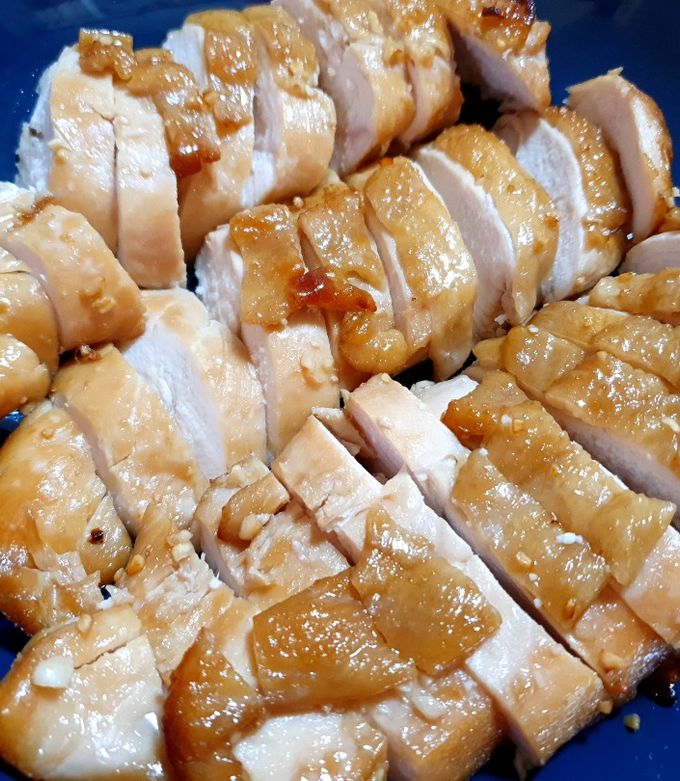
Let chicken rest for 5 to 10 minutes after cooking. This allows juices to spread evenly inside the meat. Cutting chicken right away causes juices to run out. Resting keeps each bite tender and moist.
Avoiding Overcooking
Cook chicken just until it reaches 165°F (74°C) inside. Overcooking dries out the meat quickly. Use a meat thermometer to check temperature. Remove chicken from the oven as soon as it hits the right temperature.
Using Foil Or Covering
Cover chicken loosely with foil while cooking. This traps steam and keeps moisture inside. Uncover near the end to let the skin crisp up. Covering helps prevent chicken from drying out in the hot oven.
Credit: cookpad.com
Common Mistakes To Avoid
Cooking chicken breast in a convection oven might seem straightforward, but many home cooks stumble over common errors that affect the final taste and texture. Avoiding these mistakes can save you from dry, unevenly cooked chicken. Let’s explore the pitfalls you should watch out for to get juicy, perfectly cooked chicken every time.
Cooking At Too High Or Low Temperatures
Setting the oven temperature too high can quickly dry out your chicken breast. The outside cooks fast while the inside remains underdone. On the other hand, too low a temperature means the chicken cooks unevenly and takes too long, risking bacterial growth.
Try a moderate temperature around 375°F (190°C) for even cooking. Have you noticed how quickly chicken dries out when the oven is blasting heat? Adjusting temperature is key to juicy results.
Skipping Rest Time
Many skip resting the chicken after cooking, but this step is crucial. Resting allows juices to redistribute inside the meat. Cutting into chicken immediately can cause all the moisture to leak out, leaving it dry.
Give your chicken 5-10 minutes of rest before slicing. This simple pause transforms your meal from bland to juicy. Do you usually wait before serving, or cut right away?
Not Adjusting For Oven Differences
Convection ovens vary in power and airflow, so cooking times and temperatures might not be exactly as recipes state. Ignoring your oven’s unique traits can lead to overcooked or undercooked chicken.
Keep a close eye on the first few tries and use a meat thermometer to check for 165°F (74°C) internal temperature. Have you calibrated your oven or tested its hot spots? Small adjustments can make a big difference.

Credit: www.101cookingfortwo.com
Frequently Asked Questions
How Long Does Chicken Breast Take In A Convection Oven?
Chicken breast usually takes 20-25 minutes in a convection oven at 375°F (190°C). Cooking time varies with thickness.
What Temperature Is Best For Convection Oven Chicken Breast?
Set your convection oven to 375°F (190°C) for juicy, evenly cooked chicken breasts. This temperature balances cooking speed and moisture.
How To Know When Chicken Breast Is Fully Cooked?
Use a meat thermometer; chicken is done at 165°F (74°C). The juices should run clear, and meat should be firm.
Can I Cook Frozen Chicken Breast In A Convection Oven?
Yes, but increase cooking time by 50%. Always check internal temperature reaches 165°F (74°C) for safety and doneness.
Conclusion
Cooking chicken breast in a convection oven is quick and easy. Set the temperature and time right for juicy results. Check the chicken often to avoid drying it out. Use a meat thermometer to ensure safe cooking. Rest the chicken a few minutes before serving.
This method saves time and keeps flavors locked in. Try it for a simple, tasty meal any day.