Have you ever craved a delicious homemade cake but didn’t have a conventional oven? What if you could bake a soft, tasty cake right in your microwave oven without using the convection feature?
Yes, you can! This simple method is perfect for anyone who wants to enjoy fresh cake quickly and easily. You’ll discover step-by-step instructions, helpful tips, and tricks to make your microwave cake turn out just right every time. Get ready to surprise yourself with how easy and fun baking can be—right from your kitchen microwave! Keep reading, and you’ll be enjoying your own warm, homemade cake very soon.
Choosing The Right Ingredients
Choosing the right ingredients is key to baking a cake in a microwave oven without convection. The microwave heats food differently than a traditional oven, so the ingredients need to be carefully selected to achieve the best texture and flavor. Knowing what to pick and what to tweak can make your microwave cake moist, fluffy, and delicious every time.
Basic Baking Ingredients
Start with simple, reliable ingredients that you probably already have in your kitchen:
- Flour:All-purpose flour works well for microwave cakes. Avoid heavy flours like whole wheat, which can make the cake dense.
- Sugar:Regular granulated sugar provides sweetness and helps with browning, even in microwave baking.
- Baking powder or baking soda:These leavening agents create the rise you want in your cake. Make sure they are fresh for best results.
- Eggs:Eggs add structure and moisture. If you’re out of eggs, there are alternatives that still deliver good results.
- Milk or water:These liquids help bind the ingredients and keep the batter smooth. Milk adds extra richness.
- Oil or butter:Fat is essential for tenderness and flavor. Oils like vegetable or canola work well and stay moist in microwave baking.
Substitutes For Moisture And Texture
Microwave cakes can dry out quickly, so using the right substitutes can save your dessert.
- Applesauce:Use as a substitute for oil or butter to add moisture without extra fat.
- Yogurt or sour cream:These add creaminess and keep the cake soft. A tablespoon or two can make a big difference.
- Mashed bananas:Besides moisture, they bring natural sweetness and a mild flavor that pairs well with chocolate or vanilla.
- Flaxseed eggs:Mix one tablespoon of ground flaxseed with three tablespoons of water as an egg replacement. It helps bind ingredients and adds fiber.
Have you ever tried swapping an ingredient in a recipe and been surprised by the results? Experimenting with these substitutes can teach you a lot about how each ingredient affects your microwave cake’s texture.
Selecting Microwave-safe Cookware
Choosing the right cookware is crucial when baking a cake in a microwave oven without convection. Not all containers are safe or suitable for microwave baking, and using the wrong one can lead to uneven cooking or even damage your microwave. Understanding which materials work best will help you bake your cake perfectly every time.
Best Containers For Microwave Baking
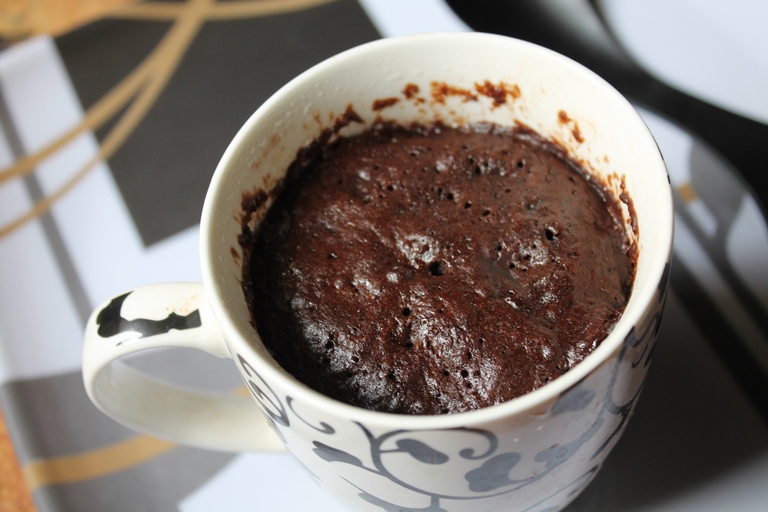
Microwave-safe glass and ceramic containers are your best bet for baking cakes. These materials heat evenly and won’t leach harmful chemicals into your food. Look for containers labeled as microwave-safe to avoid any guesswork.
Silicone molds are also excellent because they are flexible and handle high heat well. They allow easy cake removal and come in various shapes and sizes, giving you creative freedom. Just make sure they’re thick enough to hold the batter without warping.
Avoid metal containers entirely, as metal reflects microwave energy and can cause sparks or fires. Plastic containers should only be used if they are explicitly marked microwave-safe and heat-resistant, but glass and silicone remain the safer choices for baking.
Avoiding Common Mistakes
One common mistake is using containers that are too deep or too large. Deep containers can cause uneven cooking, leaving the center raw while the edges are overcooked. Choose a size that matches your cake recipe for the best results.
Another error is ignoring the container’s shape. Round or oval containers promote even heat distribution better than square or rectangular ones. Have you noticed how your cake turns out when using a square dish versus a round one?
Also, don’t forget to grease your container properly. This simple step prevents sticking and saves you from a frustrating cleanup. Skipping this can ruin your cake’s texture and presentation.
Preparing The Batter
Preparing the batter is an important step before baking a cake in a microwave oven without convection. The batter needs to be smooth and well-mixed to ensure the cake rises evenly and has a good texture. Careful preparation also helps the flavors blend well, making the cake more delicious.
Mixing Techniques For Smooth Batter
Use a large bowl to mix your ingredients. Start by whisking the dry ingredients together to spread them evenly. Then add the wet ingredients slowly while stirring constantly. Mix gently but thoroughly to avoid lumps.
Use a hand whisk or an electric mixer on low speed. Overmixing can make the batter tough. Scrape the bowl sides often to combine everything well. Aim for a smooth, thick batter that flows slowly.
Tips For Flavor Variations
Enhance the basic batter with simple additions. Try vanilla or almond extract for a classic taste. Add lemon zest or orange peel for a fresh twist. Mix in cocoa powder for a chocolate cake.
Use spices like cinnamon or nutmeg to add warmth. Fold in small chocolate chips or nuts for texture. Remember to adjust sugar slightly when adding sweet ingredients. These tips create exciting flavors without extra effort.
Microwave Baking Settings
Microwave baking settings help cook cakes evenly without convection. Use medium power and adjust time based on cake size. Cover the cake to keep moisture and check often for doneness.
Baking a cake in a microwave without convection might seem tricky. Yet, with the right settings, it becomes simple. Understanding microwave baking settings is crucial. It ensures your cake turns out moist and delicious. Let's delve into the essentials.
Power Levels And Timing
Using the correct power level is key. Most microwaves default to high power. For baking, reduce it to medium or medium-high. This prevents the cake from drying out. Timing varies with the microwave's wattage. A 700-watt microwave needs more time than a 1000-watt one. Start with 5-6 minutes for a small cake. Check frequently to avoid overcooking.
How To Test For Doneness
Testing for doneness ensures a perfect cake. Use a toothpick to check the center. Insert it gently. If it comes out clean, the cake is ready. If not, microwave for another 30 seconds. Repeat until done. Be careful not to overcook. This keeps the cake moist and soft.
Cooling And Serving
Once your cake is baked in the microwave oven, cooling and serving become crucial steps to ensure the best texture and taste. Cooling allows the cake to set properly, making it easier to handle and decorate. Serving your cake well adds to the overall experience, making every bite enjoyable.
Proper Cooling Methods
After microwaving, let your cake rest in the pan for about 5 minutes. This short wait helps the cake firm up slightly, reducing the risk of crumbling.
Next, carefully remove the cake from the pan and place it on a wire rack. This allows air to circulate around the cake, preventing moisture buildup that can make it soggy.
Have you ever noticed how a warm cake feels sticky and hard to cut? Cooling it completely to room temperature solves this problem and enhances the flavor.
Simple Decoration Ideas
You don’t need fancy tools to decorate your cake. A quick dusting of powdered sugar can brighten the look and add a touch of sweetness.
Another easy option is to spread a thin layer of jam or chocolate spread on top. It adds flavor and creates a smooth surface for further decoration.
Want to impress without stress? Top your cake with fresh fruits like berries or sliced bananas. They add color, texture, and natural sweetness.

Troubleshooting Common Issues
Baking a cake in a microwave oven without convection can sometimes bring unexpected challenges. Common problems include dry texture and uneven cooking. These issues can spoil your cake’s taste and look. Knowing how to fix these problems helps create a soft, delicious cake every time. Here are simple tips to troubleshoot these common issues.
Avoiding Dry Or Rubber Texture
Dry or rubbery cakes happen from overcooking or wrong ingredients. Use less cooking time than a regular oven. Check the cake often to avoid overbaking. Adding a little extra oil or butter keeps the cake moist. Use fresh baking powder to help the cake rise well. Mix the batter gently; overmixing makes the cake tough.
- Reduce microwave time by 10-20% compared to oven recipes.
- Add a tablespoon of milk or oil for moisture.
- Use a fork to test if the cake is done.
Fixing Uneven Cooking
Uneven cooking leaves some parts raw and others overdone. Microwave ovens heat unevenly. Stir the batter before microwaving. Use a microwave-safe round dish for better heat distribution. Pause halfway through cooking and rotate the dish. Cover the cake with a microwave-safe lid or wrap to keep moisture.
- Use a round container for even heat flow.
- Rotate the dish during cooking for uniform baking.
- Cover the cake to trap steam and cook evenly.
Frequently Asked Questions
How Long To Bake A Cake In Microwave Without Convection?
Bake the cake for 5 to 7 minutes on high power. Use a microwave-safe bowl and test with a toothpick to check doneness. Adjust time based on your microwave's wattage and cake size.
Can I Use Regular Cake Recipes In Microwave Ovens?
Yes, you can use regular cake recipes with minor adjustments. Reduce baking time and avoid high sugar content. Microwave baking requires less time and no preheating compared to conventional ovens.
What Ingredients Work Best For Microwave Cake Baking?
Use simple ingredients like flour, sugar, eggs, milk, and baking powder. Avoid heavy ingredients that may not cook evenly. Adding yogurt or oil helps keep the cake moist in microwave baking.
How To Prevent Microwave Cake From Drying Out?
Cover the cake with microwave-safe wrap or a lid to retain moisture. Avoid overbaking by checking the cake frequently. Adding moist ingredients like yogurt or oil also helps prevent dryness.
Conclusion
Baking a cake in a microwave without convection is simple. You only need basic ingredients and a microwave-safe dish. Follow the steps carefully, and you will get a soft, tasty cake. No oven? No problem. This method saves time and effort.
Try different flavors to find your favorite. Enjoy homemade cake anytime, even without special equipment. Baking can be fun and easy for everyone. Give it a try and share with family or friends.