If you love crispy, perfectly cooked bacon but dread the mess and guesswork, this guide is for you. Cooking bacon in a convection oven is a game-changer—it’s faster, cleaner, and gives you even results every time.
But how long should you cook it to get that ideal balance of crunch and chew? You’re about to discover the simple timing tips that will make your bacon turn out just right, every single time. Keep reading, and say goodbye to soggy or burnt bacon forever.
Choosing The Right Bacon
Choosing the right bacon is key to cooking it perfectly in a convection oven. Different types of bacon can change cooking times and results. Knowing the cut, thickness, and flavor style helps you get crispy, tasty bacon every time.
Types Of Bacon Cuts
Bacon comes in several cuts, each with unique textures and flavors. The most common types include:
- American sliced bacon – thin, streaky, with more fat
- Canadian bacon – leaner, round, like ham
- Pancetta – Italian style, rolled and cured
- Turkey bacon – lean, made from turkey meat
Each cut cooks differently in a convection oven. Thin cuts crisp faster. Leaner cuts take longer and need careful watching.
Thickness Matters
Thickness affects cooking time and texture. Thin slices cook quickly and become crisp fast. Thick-cut bacon takes longer to cook through.
Thick bacon stays chewy inside while crisping on the outside. Adjust your oven time based on thickness for best results.
Smoked Vs. Unsmoked
Smoked bacon has a rich, smoky flavor from wood or liquid smoke. It is often saltier and cooks faster due to its curing process.
Unsmoked bacon tastes milder and fresher. It may need more cooking time to reach the right crispiness.
Choosing smoked or unsmoked depends on taste preference and desired cooking time in your convection oven.
Setting Up The Convection Oven
Setting up your convection oven correctly is key to cooking perfect bacon. Proper setup ensures even cooking and crispy results. Small adjustments make a big difference in texture and flavor. Follow these tips to prepare your oven for bacon cooking.
Optimal Temperature Settings
Set the convection oven to 375°F (190°C) for best results. This temperature cooks bacon evenly without burning. Avoid higher heat to prevent crisp edges and raw centers. Preheat the oven fully before placing the bacon inside.
Rack Placement Tips
Place the oven rack in the middle position for even heat circulation. This spot allows hot air to flow around the bacon slices. Avoid placing the rack too close to the top or bottom heating elements. Proper rack placement helps the bacon cook uniformly.
Using A Baking Sheet Vs. Rack
- Using a baking sheet keeps bacon in its own fat while cooking.
- A wire rack lets fat drip away for a less greasy result.
- Line the baking sheet with foil or parchment paper for easy cleanup.
- Choose the method based on your preference for crispiness and fat content.
Cooking Times For Different Bacon Thicknesses
Bacon thickness affects cooking time in a convection oven significantly. Thin slices cook faster and crisp quicker. Thick cuts need more time to cook fully and evenly. Knowing the right timing avoids undercooked or burnt bacon. This guide helps adjust cooking time based on bacon thickness for perfect results.
Thin-cut Bacon Timing
Thin-cut bacon usually takes less time to cook in a convection oven. Set the oven at 400°F (204°C) for best results. Cook thin slices for about 8 to 12 minutes. Check bacon at 8 minutes to avoid overcooking. Turn slices halfway for even crispiness.
Thick-cut Bacon Timing
Thick-cut bacon requires more time to cook through. Keep the oven temperature at 400°F (204°C) as well. Cook thick slices for 15 to 20 minutes. Start checking at 15 minutes to prevent burning. Flip the bacon halfway during cooking for uniform heat.
Adjusting Time For Extra Crispy
Want extra crispy bacon? Add 2 to 4 minutes to the usual cooking time. Watch closely near the end to avoid burning. Lower the oven temperature by 10°F (6°C) if bacon browns too fast. Adjust timing based on your oven’s strength and bacon thickness.

Step-by-step Cooking Process
Cooking bacon in a convection oven is a straightforward process, but getting it just right requires attention to detail. The step-by-step cooking process ensures your bacon comes out crispy and evenly cooked every time. Let’s break down the key actions you should take before, during, and after putting your bacon in the oven.
Preparing The Bacon
Start by arranging your bacon strips in a single layer on a baking sheet. Overlapping strips can cause uneven cooking, so give each piece enough space. If you want less mess and easier cleanup, consider lining the sheet with foil or parchment paper.
Think about the thickness of your bacon. Thicker slices might need a bit more time, while thinner ones cook faster. You don’t need to add oil or butter since bacon releases its own fat during cooking.
Monitoring During Cooking
Set your convection oven to 375°F (190°C) and place the bacon on the middle rack. Cooking usually takes around 10 to 15 minutes, but keep an eye on it after 10 minutes to avoid burning. The hot air circulating in a convection oven cooks faster, so timing is crucial.
Ask yourself: Is the bacon turning golden and crisp? If not, give it a few more minutes but check every couple of minutes. Use tongs to flip the strips halfway for even browning if you want extra crispiness on both sides.
Using Foil Or Parchment Paper
Lining your baking sheet with foil or parchment paper makes cleanup easier and keeps the bacon from sticking. Foil works well because it can hold the grease, and you can fold the edges to prevent spills. Parchment paper is great for preventing sticking but won’t contain grease as tightly as foil.
Which one you choose depends on your preference for cleanup and how much bacon grease you want to keep contained. You can even poke small holes in the foil to let the fat drain away, helping your bacon crisp up better. This little trick saved me from soggy bacon more than once.
Tips For Perfectly Crispy Bacon
Cooking bacon in a convection oven takes about 12 to 15 minutes at 400°F. Check often to get crispy edges without burning. Adjust time for thicker or thinner slices to achieve perfect crunch.
Cooking bacon in a convection oven can yield deliciously crispy results. The even heat distribution ensures each slice cooks uniformly. To achieve perfect crispiness, a few tips can make a significant difference. Follow these guidelines to avoid common bacon-cooking pitfalls and enjoy a flawless outcome every time.
Avoiding Burnt Edges
Burnt edges can ruin the taste of bacon. Use parchment paper on the baking sheet. This helps prevent direct contact with the hot metal. Set the oven temperature to 375°F for even cooking. Keep an eye on the bacon during the last few minutes. This will help you catch any burning.
Flipping Or Not Flipping
Flipping bacon in a convection oven is not necessary. The circulating air cooks both sides evenly. If you prefer flipping, do it halfway through. This can enhance evenness and ensure both sides are crispy.
Draining Excess Grease
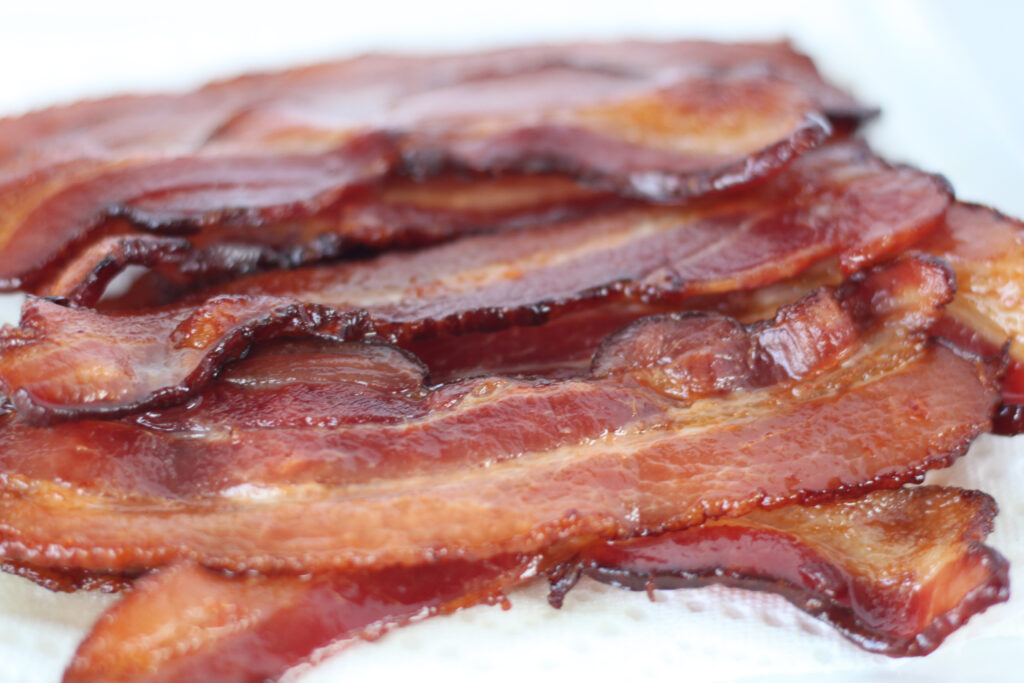
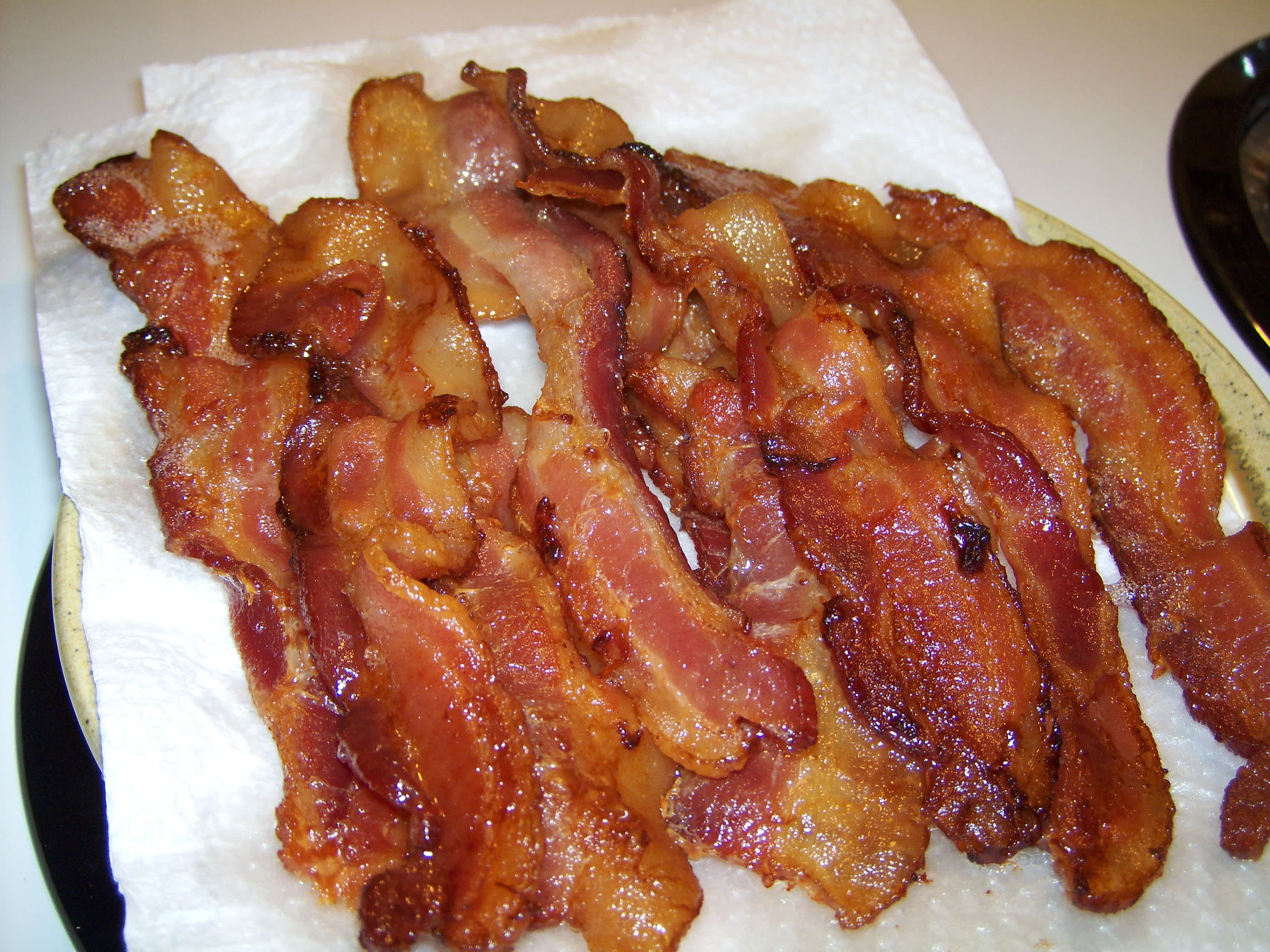
Excess grease can make bacon soggy. Place a wire rack over the baking sheet. This allows the grease to drip away from the bacon. After cooking, let the bacon rest on paper towels. This absorbs any remaining grease, enhancing crispiness.
Common Mistakes To Avoid
Cooking bacon in a convection oven can deliver crispy, evenly cooked strips, but there are some common mistakes that can easily spoil the outcome. Avoiding these pitfalls will save you from soggy or burnt bacon, and help you master the perfect cook every time. Let’s look at what to watch out for so you get the best bacon texture and flavor.
Overcrowding The Pan
Many people try to fit too many bacon strips on the baking sheet at once. This traps steam and prevents the bacon from crisping properly.
Leave enough space between each slice so the hot air can circulate freely. If your pan looks crowded, use two pans or cook in batches.
I once cooked a full pound of bacon on a single pan, and it came out soggy and uneven. Spreading it out solved the problem instantly.
Incorrect Temperature
Setting the convection oven too high can burn your bacon quickly, while too low a temperature leads to greasy, undercooked strips.
The sweet spot is usually around 375°F (190°C). This allows the bacon to render fat slowly and crisp up without scorching.
Try adjusting your oven’s temperature and watch how your bacon responds. Are you getting more burnt edges or limp slices? That’s your cue to tweak the heat.
Ignoring Bacon Thickness
Thick-cut bacon requires more time to cook through than thin slices. Treating all bacon the same can leave thick pieces chewy or raw inside.
Check the packaging for thickness or thickness descriptions and adjust your cooking time accordingly. Thicker bacon might need 5-7 minutes more at the same temperature.
Think about the last time you rushed thick bacon—it probably didn’t crisp right. Paying attention to thickness lets you plan cook time and prevents unpleasant surprises.
Cleaning And Maintenance After Cooking
After cooking bacon in a convection oven, cleaning and maintenance are key. Grease splatters and residue can build up. These can cause smoke or odors if not cleaned well. Proper care keeps your oven working well and safe to use.
Cleaning soon after cooking makes the task easier. Let the oven cool a bit to avoid burns. Use the right tools and methods for the best results. This section explains how to handle grease and clean oven racks and sheets.
Handling Grease Safely
Bacon grease is hot and sticky. Pour it into a heat-safe container, not down the drain. Grease can clog pipes and cause damage. Use paper towels to wipe excess grease from trays and pans. Avoid touching grease with bare hands to prevent burns.
Store grease in a sealed jar for reuse or disposal. Never mix grease with water when cleaning. Use warm, soapy water and a sponge or cloth to clean greasy surfaces. Dispose of grease properly according to local rules.
Cleaning Oven Racks And Sheets
Remove racks and sheets carefully once cooled. Soak them in hot, soapy water for 15 to 30 minutes. Use a soft brush or sponge to scrub away grease and food bits. Avoid metal scrubbers that can scratch surfaces.
For tough stains, try a paste of baking soda and water. Apply it, let sit for 20 minutes, then scrub gently. Rinse thoroughly and dry before placing back in the oven. Regular cleaning extends the life of your oven parts and keeps cooking safe.
Frequently Asked Questions
How Long Does Bacon Take In A Convection Oven?
Bacon usually takes 12 to 15 minutes in a convection oven at 400°F. Cooking time varies by thickness and desired crispiness. Keep an eye to avoid overcooking.
What Temperature Is Best For Cooking Bacon In Convection Ovens?
Set your convection oven to 400°F for perfectly crispy bacon. This temperature ensures even cooking and reduces cooking time.
Can I Cook Frozen Bacon In A Convection Oven?
Yes, you can cook frozen bacon in a convection oven. Increase cooking time by 5 to 7 minutes and separate slices if possible.
How Do I Prevent Bacon From Curling In A Convection Oven?
Use a wire rack to keep bacon flat in the convection oven. This allows air circulation and prevents curling while cooking evenly.
Conclusion
Cooking bacon in a convection oven saves time and gives great results. Set the temperature around 400°F for crispy bacon. Check the bacon after 10 minutes to avoid burning. Thinner slices cook faster than thicker ones. Use a baking sheet with a rack for even cooking.
Let the bacon rest a bit before serving. This method keeps the kitchen less messy and the bacon tasty. Try it out and enjoy perfectly cooked bacon every time. Simple steps, delicious outcome.