Have you ever opened your deep freezer and found it covered in thick ice? It’s frustrating, isn’t it?
You know you need to defrost it, but the big question is: how long will it actually take? If you’ve been putting it off because you’re worried about the time and hassle, this guide is for you. Understanding the defrosting process can save you time and keep your freezer running smoothly.
Keep reading to discover exactly how long it takes to defrost a deep freezer and get simple tips to make the job easier and faster. Your freezer—and your peace of mind—will thank you.
Factors Affecting Defrost Time
Defrosting a deep freezer takes different amounts of time. Several factors affect how quickly ice melts inside. Understanding these factors helps plan defrosting better. It also avoids wasting time and energy.
Freezer Size And Frost Thickness
Bigger freezers hold more ice. More ice means longer defrosting time. Thick frost layers slow down melting. Thin frost melts much faster. Regularly removing frost prevents long wait times.
Room Temperature Influence
Warmer rooms speed up defrosting. Cold rooms slow ice melting. Higher air temperature helps frost turn to water. Lower room temperature keeps ice frozen longer. Choose a warm spot for faster defrost.
Freezer Model Variations
Different freezer models defrost at different speeds. Some have built-in defrost systems. Others need manual defrosting. Newer models often melt frost faster. Old freezers may take more time to defrost.

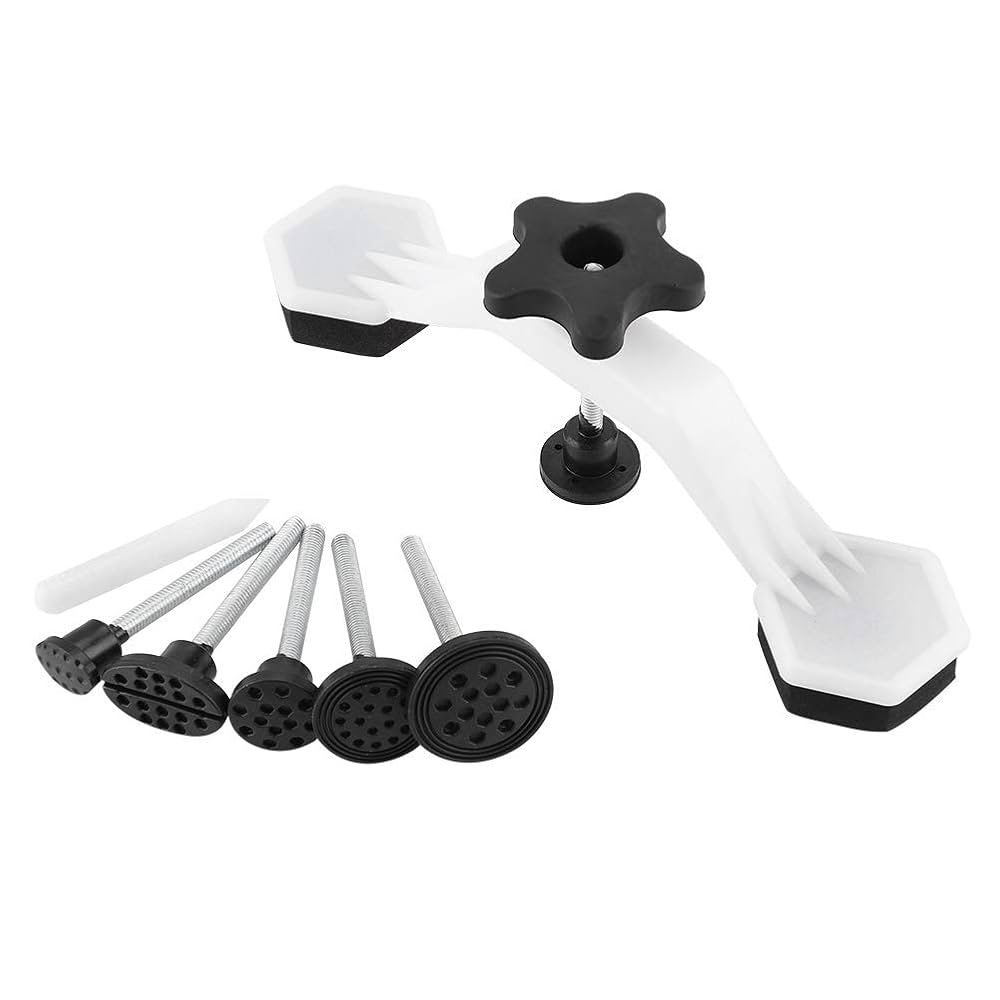
Credit: www.amazon.ca
Step-by-step Defrosting Process
Defrosting your deep freezer can feel like a big task, but breaking it down into clear steps makes the process manageable and even satisfying. Knowing exactly what to do at each stage helps you save time and avoid common mistakes that slow you down. Ready to learn a practical way to get your freezer frost-free and fresh again?
Preparing The Freezer
Start by unplugging your deep freezer to ensure safety. This also stops the compressor, which helps the ice melt faster. Next, gather some towels or old cloths—you’ll need them to catch melting water.
Think about the best place to do this. Is your freezer near a drain or a floor that can handle some water? Preparing your space carefully can prevent unnecessary mess.
Removing Food And Ice
Empty all the food from the freezer. Use coolers or insulated bags to keep perishables safe during the defrosting process. It’s tempting to leave everything inside, but removing food speeds up melting and gives you space to work.
Once the freezer is empty, gently chip away large chunks of ice if needed. Avoid using sharp tools that can damage the lining. A plastic spatula or wooden spoon works well and keeps your freezer safe.
Speeding Up The Defrosting
If you want to cut waiting time, place bowls of hot water inside the freezer compartment. The steam helps loosen ice without force. Just be careful not to spill water on electrical parts.
Another trick is to use a fan aimed at the open freezer door. This increases air circulation and helps melt ice faster. Have you tried combining these methods for quicker results?
Cleaning And Drying
After all the ice has melted, wipe down the freezer walls with a mixture of warm water and mild detergent. This removes any leftover grime and prevents odors. Don’t forget to dry every corner thoroughly to stop new ice from forming quickly.
Before plugging the freezer back in, check the drain hole (if your model has one) to make sure it’s clear. This small step can keep your freezer working smoothly longer. How often do you clean your freezer during defrosting?
Quick Defrosting Techniques
Defrosting a deep freezer can be a time-consuming chore, but quick defrosting techniques can save you precious hours. These methods speed up the melting of ice buildup without risking damage to your appliance. Have you ever wondered how to cut down defrosting time while keeping it safe and efficient?
Using Hot Water Bowls
Placing bowls of hot water inside the freezer helps loosen the ice faster. The steam from the water raises the temperature inside, melting the frost quickly.
Make sure to close the freezer door to trap the steam and check the water temperature regularly. This method usually reduces defrosting time by at least half compared to waiting for ice to melt naturally.
Hairdryer Method
Using a hairdryer to blow warm air on the ice is another fast way to defrost. Keep the dryer at a safe distance to avoid damaging the freezer walls or electrical parts.
Move the hairdryer steadily over the icy areas to break the frost quickly. This technique requires attention but can speed things up dramatically, especially in hard-to-reach corners.
Defrosting Trays
Special defrosting trays are designed to absorb and melt ice quickly when placed inside the freezer. These trays often contain materials that generate gentle heat to accelerate ice melting.
You can leave these trays in the freezer during regular use to reduce frost buildup over time. This approach is convenient for regular maintenance without interrupting your freezer’s operation.
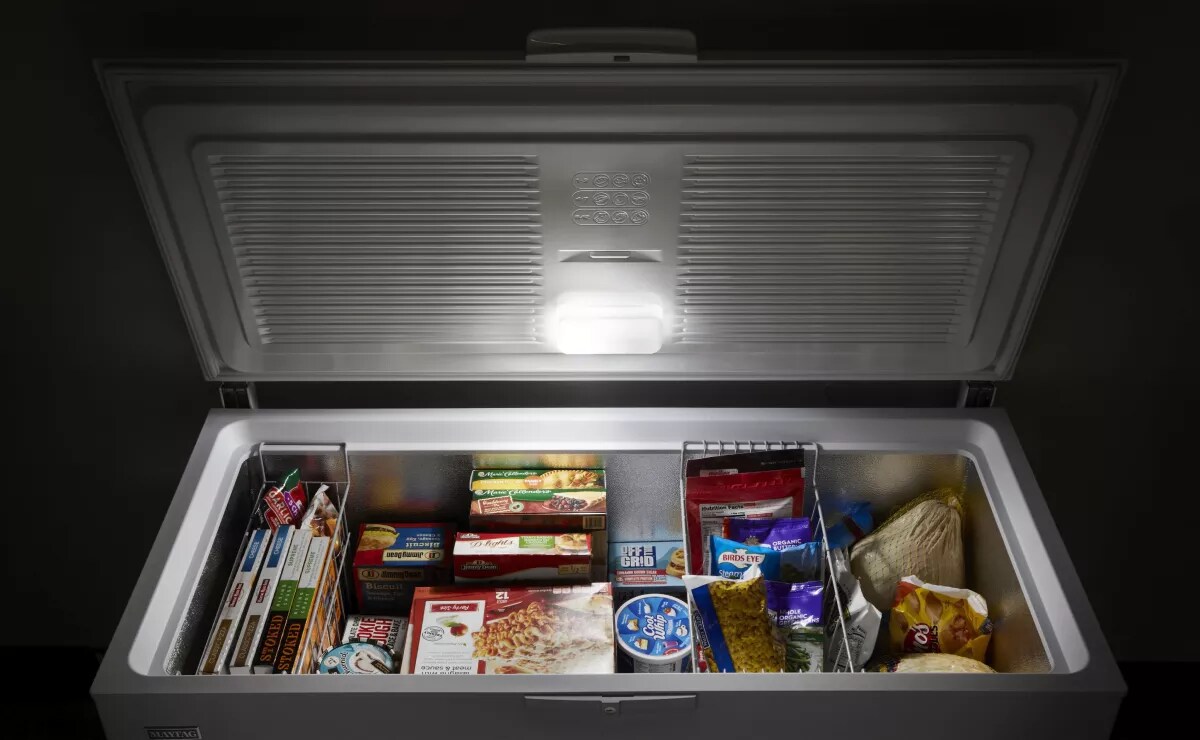
Credit: www.maytag.com
Safety Tips During Defrosting
Keep the freezer unplugged and doors open during defrosting to avoid mold and odors. Place towels to catch water and clean spills promptly to prevent slips. Allow enough time for ice to melt naturally for safety and best results.
Defrosting your deep freezer is an essential task that ensures it runs efficiently and keeps your food safe. However, it's not just about turning off the power and waiting for ice to melt. There are important safety tips to keep in mind during the process. From handling electrical components to safeguarding your food, each step plays a crucial role in ensuring a smooth and hazard-free defrosting experience. Let's dive into some key safety considerations you should follow.
Handling Electrical Components
Before you begin defrosting, always unplug your deep freezer. This eliminates any risk of electrical shock. Water and electricity are a dangerous combination, so it's crucial to ensure your workspace is dry. Inspect the power cord for any damage before plugging it back in. Damaged cords can be a safety hazard and should be repaired by a professional. If you're uncomfortable with any electrical components, consider consulting an expert.
Preventing Water Damage
Place towels or absorbent cloths around your freezer to catch melting ice and prevent water damage. This simple step can save your flooring from warping or getting damaged. Consider using a shallow pan to catch excess water. Regularly check and empty it to avoid overflow. A small investment in time can protect your home from costly repairs.
Food Safety Considerations
Plan defrosting when your freezer is relatively empty, or temporarily store your food in coolers. This prevents spoilage and maintains food safety. Keep an eye on the temperature of your stored food. Ensure it remains below 40°F to avoid the danger zone where bacteria can grow. Is there a specific food item you're worried about? Use a thermometer to check its temperature and ensure it stays safe. By following these safety tips, you'll not only defrost your freezer efficiently but also protect your home and food.
Maintenance To Reduce Defrost Frequency
Keeping your deep freezer in good shape can significantly reduce how often you need to defrost it. Regular maintenance helps prevent frost build-up, saves energy, and extends the life of your appliance. Let’s look at practical ways you can manage your freezer to cut down on defrosting sessions.
Proper Freezer Organization
How you arrange items inside your deep freezer impacts air circulation and frost formation. Avoid overpacking; crowded spaces restrict airflow, causing moisture to settle and freeze faster. Use clear bins or labels to find what you need quickly—this means less time with the freezer door open, which helps keep frost at bay.
Think about grouping similar items together. This small change can prevent you from digging around and letting warm air in repeatedly. Have you noticed that the more you open your freezer, the faster frost builds up? Organization is your first defense.
Temperature Settings
Setting the right temperature is key to reducing frost. Aim for around -18°C (0°F). Too cold, and you risk excessive frost buildup; too warm, and your food may spoil faster.
Check your freezer’s thermostat regularly. If you find you’re adjusting it often, consider using a separate freezer thermometer for accuracy. Small tweaks here can make a big difference in maintenance needs.
Regular Cleaning Routine
Cleaning your deep freezer isn’t just about hygiene—it directly affects frost accumulation. Wipe down the interior every few months to remove any moisture or spilled food that can freeze and cause buildup.
Don’t forget to check the door seals during cleaning. Damaged or dirty seals let warm air in, speeding up frost formation. A quick wipe and inspection can save you hours of defrosting later.

Credit: www.searshomeservices.com
Frequently Asked Questions
How Long Does Defrosting A Deep Freezer Take?
Defrosting a deep freezer usually takes 4 to 12 hours. The exact time depends on the ice buildup and freezer size. Faster defrosting can occur by removing all food and keeping the door open. Patience ensures thorough ice melting without damaging the appliance.
Can I Speed Up Deep Freezer Defrosting Safely?
Yes, you can speed up defrosting safely using a bowl of hot water inside the freezer. Avoid sharp tools to chip ice, as they can damage the freezer. Using a fan to circulate warm air also helps melt ice faster and safer.
How Often Should I Defrost My Deep Freezer?
Defrost your deep freezer every 6 to 12 months or when ice buildup exceeds 1/4 inch. Regular defrosting improves efficiency and prevents damage. Frequent defrosting helps maintain optimal cooling and reduces energy consumption.
Is It Necessary To Unplug The Deep Freezer For Defrosting?
Yes, always unplug your deep freezer before defrosting. This prevents electrical hazards and protects the appliance. Unplugging ensures safety and allows ice to melt naturally without any power interruptions or damage.
Conclusion
Defrosting a deep freezer takes time and patience. Usually, it needs several hours to fully thaw. Faster methods may help but watch for safety. Regular defrosting keeps your freezer working well. Remember to plan ahead before starting the process. Clean and dry the freezer once defrosted.
This prevents ice build-up and saves energy. A well-maintained freezer lasts longer and stays efficient. Keep these tips in mind for easy defrosting. Your freezer will thank you with better performance.