Have you ever wondered how long it takes to become a skilled baker? Whether you dream of crafting delicious breads, pastries, or cakes, knowing the time it takes to master baking can help you plan your path.
You’ll discover the typical steps, training periods, and hands-on experience needed to turn your passion into a profession. By the end, you’ll have a clear idea of what to expect and how to start your baking career with confidence. Keep reading to find out exactly how long it takes to become a baker and what you can do to speed up the process.

Baking Career Paths
Choosing a baking career path shapes how long it takes to become a baker and the skills you’ll develop. Each path offers unique experiences and opportunities, depending on your interests and goals. Understanding these paths helps you decide where to focus your time and effort.
Entry-level Roles
Starting as a bakery assistant or apprentice is common. These roles teach you the basics, like measuring ingredients, mixing dough, and operating ovens.
Entry-level positions usually require little to no formal training, making them accessible for beginners. You’ll learn on the job, gaining hands-on experience that’s valuable for progressing in baking.
Specialized Baking Careers
Some bakers choose to specialize in areas like artisan bread, cake decorating, or gluten-free baking. Specialization often means additional training or certification.
For example, mastering sourdough bread can take months of practice to perfect fermentation and crust techniques. Specializing sets you apart and can lead to higher pay and creative freedom.
Pastry Chef Vs. Baker
Are you aiming to be a pastry chef or a baker? Bakers focus on breads, rolls, and basic pastries, while pastry chefs create intricate desserts and elaborate pastries.
Pastry chefs often require formal culinary education and more years of training. Bakers can start working sooner but may find fewer opportunities in fine dining or luxury hotels.

Education And Training Options
Choosing the right education and training path shapes how quickly you become a skilled baker. Each option offers different experiences and time commitments. Understanding these paths helps you pick what fits your lifestyle and career goals.
High School Courses
High school classes like home economics or culinary arts give you a basic baking foundation. You get hands-on practice with recipes and learn kitchen safety early. This is a great way to test your interest before investing more time.
Many students find that these courses spark their passion. You might discover your favorite baking technique or ingredient here. Have you ever baked a cake in a school class? That small step can lead to a full career.
Vocational Schools
Vocational schools focus on practical skills for baking careers. Programs typically last from a few months to two years. You’ll learn everything from dough preparation to cake decoration.
This hands-on training prepares you to work in bakeries or start your own business quickly. Plus, you often get opportunities to intern or work alongside professionals. Could this fast-track approach fit your learning style?
Culinary Arts Programs
Culinary schools offer comprehensive training in baking and pastry arts. These programs usually take one to four years, depending on the level. You dive into advanced techniques, food science, and even business management.
Many students find this option ideal if you want to become a pastry chef or bakery manager. The exposure to diverse baking styles can boost creativity. Are you ready to invest the time for a deeper skill set?
Online Baking Classes
Online classes offer flexibility for learning baking at your own pace. From beginner tutorials to advanced pastry courses, options vary widely. You can fit lessons around your current job or family commitments.
While you miss in-person interaction, many platforms provide video demos and community forums. This approach suits motivated learners who want to build skills gradually. How might online classes change the way you approach learning?
Apprenticeships And On-the-job Training
Apprenticeships and on-the-job training are vital paths to becoming a skilled baker. They offer real-world experience that classroom learning can’t fully provide. Getting your hands doughy and working alongside seasoned bakers helps build confidence and sharpens your skills in ways that textbooks don’t.
Finding Apprenticeships
Look for local bakeries or pastry shops that offer apprenticeship programs. Sometimes, smaller bakeries are more open to training beginners eager to learn. Check community job boards, culinary schools, or even ask bakers directly if they have openings for apprentices.
Don’t hesitate to reach out with a simple message expressing your passion and willingness to learn. Your enthusiasm can open doors that experience alone may not. Have you tried visiting bakeries early in the morning when they’re busiest? That’s often the best time to connect with staff and show your interest in an apprenticeship.
Learning From Experienced Bakers
Working side by side with experienced bakers lets you observe their techniques and pick up tips you won’t find in books. You’ll learn about timing, ingredient adjustments, and how to handle unexpected issues like dough that won’t rise or ovens that bake unevenly.
Experienced bakers often share stories about their early mistakes and how they overcame them, which can be incredibly valuable for your own growth. Pay attention to their workflow—how they organize tasks and maintain cleanliness—which is just as important as baking itself.
Duration And Experience Gained
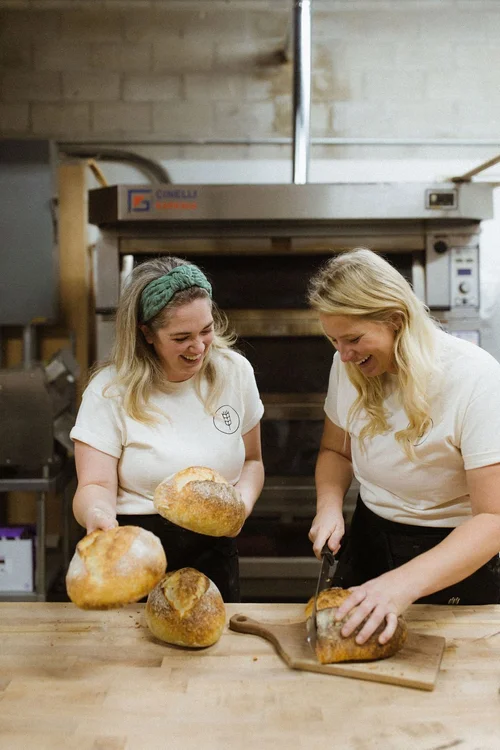
Apprenticeships typically last from six months to two years, depending on the bakery and your learning pace. Within this time, you’ll gain hands-on experience in mixing, kneading, proofing, and baking a variety of products.
Many apprentices start with basic tasks like measuring ingredients or cleaning, gradually moving to more complex duties as they prove their skills. Think about what you want to master—artisan bread, pastries, or cakes—and seek opportunities that align with those goals to make the most of your time.
Certification And Licensing
Certification and licensing play a crucial role in shaping your career as a baker. They not only prove your skills but also build trust with employers and customers. Understanding these requirements can help you plan your path more effectively.
Industry Certifications
Industry certifications can boost your credibility and open doors to better job opportunities. Organizations like the American Culinary Federation offer certifications such as Certified Baker (CB) and Certified Master Baker (CMB).
These certifications require passing written and practical exams, proving your knowledge of baking techniques, safety, and hygiene. Earning one shows your commitment to the craft and can set you apart in a competitive market.
Have you thought about how a certification might affect your confidence and skill level? Many bakers find that preparing for these tests sharpens their expertise and encourages lifelong learning.
State And Local Requirements
Licensing rules for bakers vary widely depending on where you live. Some states require you to obtain a food handler’s permit or a commercial kitchen license before you can start selling baked goods.
Check with your local health department to learn about inspections and permits needed for your bakery or home-based baking business. Ignoring these can lead to fines or forced closure.
Do you know what licenses you need in your area? Taking the time to find out saves you headaches later and ensures you operate legally and safely.
Timeframe To Become A Professional Baker
Embarking on the journey to become a professional baker is both exciting and deliciously rewarding. But how long does it actually take to turn your passion for baking into a career? The timeframe can vary significantly based on the path you choose and the dedication you put into mastering the craft. Whether you're considering formal education or diving straight into hands-on experience, understanding the timeline can help you plan your journey effectively.
Typical Duration For Different Paths
The time it takes to become a professional baker can differ based on the educational and experiential paths you choose.
- Culinary School:Attending a culinary school or baking program typically takes 1 to 2 years. These programs offer comprehensive training, covering everything from basic techniques to advanced pastry arts.
- Apprenticeship:Opting for an apprenticeship allows you to learn on the job, which might take anywhere from 1 to 3 years. This path provides hands-on experience under the guidance of experienced bakers.
- Self-Taught:If you choose to teach yourself through online courses, books, and practice, the timeframe is flexible. It could take a few months to several years, depending on how intensively you pursue your training.
Each path has its own advantages and challenges. Which one aligns best with your personal goals and lifestyle?
Factors Affecting Training Length
The time it takes to become proficient in baking isn't just about the chosen path. Several factors can influence how quickly you progress.
- Dedication:How much time are you willing to commit daily or weekly to improve your skills? Consistent practice is key to mastering baking techniques.
- Previous Experience:If you have prior kitchen experience or a knack for baking, you might find yourself advancing faster.
- Learning Style:Some people learn better in structured environments like classrooms, while others thrive in hands-on settings.
- Mentorship:Having a mentor can accelerate your learning process. They can provide invaluable insights and feedback that can help you avoid common pitfalls.
Consider these factors carefully as you plan your journey. Are you ready to dedicate the time and effort needed to become a successful baker?
Building Skills Beyond Baking
Baking is more than just following recipes. To become a successful baker, you must build skills beyond the kitchen. These skills help you manage your work, create new ideas, and satisfy customers. Developing these abilities takes time and practice. They shape you into a well-rounded professional ready for challenges.
Business And Management Skills
Bakers often run their own shops or teams. Learning business skills helps you handle money, supplies, and schedules. Managing costs and setting prices are key tasks. Good management keeps your bakery running smoothly. It also prepares you to deal with problems and plan for growth.
Creativity And Innovation
Great bakers bring new ideas to life. Creativity helps you design unique cakes and pastries. It also lets you improve recipes and presentation. Innovation keeps customers interested and coming back. Trying new flavors and styles sets your bakery apart from others.
Customer Service
Customers are the heart of any bakery. Good service builds trust and loyalty. Listening to feedback improves your products and experience. Friendly communication makes customers feel welcome. Happy customers spread positive word-of-mouth and return often.
Advancing Your Baking Career
Advancing your baking career requires more than just basic skills. It involves gaining practical experience, continuing your education, and connecting with others in the industry. Each step helps you improve your craft and open new doors. Progress happens gradually but steadily with effort and dedication.
Gaining Experience
Experience is key to becoming a skilled baker. Working in different bakeries helps you learn new techniques. You face real challenges and find solutions. This hands-on practice builds your confidence and speed. Try various roles like prep baker, pastry chef, or cake decorator. Each job adds valuable skills to your resume.
Continuing Education
Learning does not stop after initial training. Many bakers take courses to improve their knowledge. These can include classes on advanced pastry skills, bread making, or cake design. Online tutorials and workshops offer flexible options. Staying updated with trends and technology keeps you competitive. Certificates and diplomas can boost your credibility too.
Networking And Industry Events
Meeting other bakers and professionals opens new opportunities. Industry events, fairs, and competitions allow you to showcase your work. Networking helps you find mentors and job openings. Join baking associations or online groups to stay connected. Sharing ideas and advice leads to growth and inspiration.
Frequently Asked Questions
How Long Does It Take To Become A Professional Baker?
Becoming a professional baker typically takes 6 months to 2 years. This depends on your training, experience, and education level. Apprenticeships and baking courses can speed up the process. Hands-on practice is crucial for skill development.
Is Formal Education Necessary To Become A Baker?
Formal education is not mandatory but highly beneficial. Culinary schools offer essential baking techniques and food safety knowledge. Many bakers start with on-the-job training. Combining both education and experience improves job prospects.
Can I Become A Baker Through Self-learning?
Yes, self-learning is possible with dedication and practice. Many bakers start by experimenting at home and watching tutorials. However, professional training enhances skills and job opportunities. Consistent practice and passion are key to success.
What Skills Are Essential For Becoming A Good Baker?
Important skills include precision, creativity, time management, and patience. Understanding ingredients and baking techniques is vital. Good physical stamina and attention to detail also help. These skills develop with practice and formal training.
Conclusion
Becoming a baker takes time and patience. You need practice to learn skills well. Many start with short courses or apprenticeships. Experience helps improve your baking every day. The journey is different for everyone. Focus on learning and enjoy the process.
Baking can turn into a rewarding career. Keep trying, and you will succeed.