Have you ever wondered how long it really takes for your freezer to freeze food properly? Whether you're storing leftovers, freezing fresh produce, or preparing meals ahead of time, knowing the exact freezing time can save you both time and frustration.
You might be surprised to learn that the freezing process depends on more than just the temperature setting. You'll discover what affects freezing speed and get practical tips to make your freezer work faster and better for you. Keep reading to unlock the secrets of quick and efficient freezing!
Freezing Basics
Freezing basics help us understand how long it takes for a freezer to freeze food. Knowing this saves time and keeps food fresh. Freezing stops bacteria growth and preserves nutrients. Different freezers and food types freeze at different speeds. Learning how freezers work and what affects freezing time helps you use your freezer better.
How Freezers Work
Freezers remove heat from food to lower its temperature. Inside, a coolant absorbs heat and moves it outside. This cycle keeps the freezer cold. The temperature stays below 32°F (0°C), turning water in food into ice. Fans circulate cold air to freeze food evenly. The freezer’s size and design affect how fast it cools.
Factors Affecting Freezing Time
Several factors change how long freezing takes:
- Food Size:Larger items take more time to freeze.
- Food Shape:Flat or thin pieces freeze faster than thick ones.
- Starting Temperature:Warmer food needs more time to freeze.
- Freezer Temperature:Lower settings freeze food quicker.
- Packaging:Air-tight packaging helps freeze food faster.
- Freezer Load:A full freezer keeps cold better but slows air flow.
Understanding these factors helps you freeze food efficiently and safely.
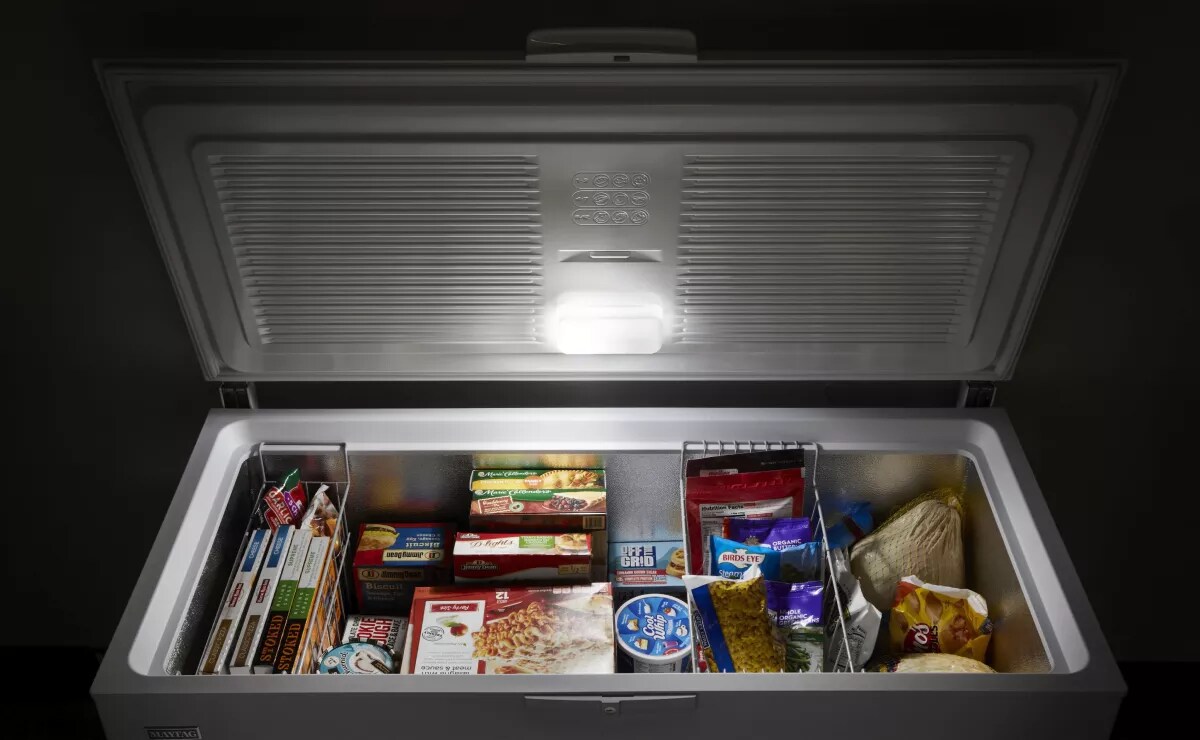
Credit: www.maytag.com
Typical Freezing Times
Freezing times vary widely depending on the size and type of the item you’re freezing. Understanding these differences helps you plan meals better and avoid surprises like soggy vegetables or partially frozen leftovers. Let’s break down typical freezing times so you know what to expect when you open your freezer next.
Small Items
Small items like berries, nuts, or chopped vegetables usually freeze quickly. They often take about 2 to 4 hours to become solid. Because of their size, cold air circulates around them easily, speeding up the freezing process.
If you’re freezing small portions of meat or fish, expect similar times. Smaller cuts freeze faster, which helps maintain their texture and flavor better than slower freezing.
Large Items
Large items like whole chickens, turkeys, or big cuts of meat need much more time. Freezing a whole chicken can take anywhere from 24 to 48 hours depending on its size and your freezer’s temperature.
Have you ever tried freezing a big batch of soup? The center might stay liquid for hours while the edges freeze solid. This uneven freezing happens because larger volumes take longer to lose heat completely.
Liquid Freezing Times
Freezing liquids depends on the container size and shape. Small containers of water or broth can freeze in about 3 to 4 hours.
But large containers, like gallon jugs of juice, may need 12 hours or more to freeze completely. Pour liquids into shallow containers to speed up freezing and prevent cracks or spills.
Tips To Speed Up Freezing
Freezing food faster saves time and keeps items fresher. Small changes help speed the freezing process. Use smart habits to make your freezer work better. Here are key tips to help your freezer freeze quickly and efficiently.
Proper Packaging
Use airtight bags or containers for freezing. Remove extra air to prevent frost buildup. Wrap food tightly to stop moisture loss. Smaller portions freeze faster than large ones. Label packages with dates for easy tracking.
Organizing The Freezer
Place items with space around them for air to flow. Avoid stacking too many things on top of each other. Arrange new food near already frozen items to help chill quicker. Keep frequently used items in front for quick access.
Avoiding Overloading
Do not fill the freezer completely. Overloading blocks cold air circulation. Leave room for air to move freely inside. Freeze items in batches if needed. Overloading slows down freezing and raises energy use.
Common Freezing Mistakes
Freezing food might seem simple, but common mistakes can slow down the process. Understanding these errors helps keep your freezer efficient and your food safe. Avoiding these pitfalls ensures your freezer works as it should.
Freezing Warm Food
Putting warm food directly into the freezer raises the freezer’s temperature. This forces the freezer to work harder to cool down. It slows freezing and can affect other stored items. Always let food cool before freezing. This speeds up freezing and saves energy.
Poor Air Circulation
Freezers need good airflow to freeze food evenly. Overcrowding blocks cold air from reaching all items. This causes uneven freezing and longer freeze times. Leave space between items for air to move freely. Arrange food in a way that does not block vents.
Incorrect Temperature Settings
Setting the freezer too high prevents food from freezing quickly. The ideal freezer temperature is around 0°F (-18°C). Check the thermostat regularly to keep it correct. Too low a temperature wastes energy and may freeze food too hard.
How To Test If Food Is Fully Frozen
Freezing time depends on food size and freezer temperature. Check if food is solid by pressing it gently or cutting a small piece. A fully frozen item feels hard and cold inside with no soft spots.
Testing if food is fully frozen is crucial for safety and quality. Properly frozen food maintains its texture and taste. Here are simple ways to check if your food is fully frozen.
Visual Signs
Inspect the food's appearance. Check for frost or ice crystals. These are good indicators of freezing. Ensure the food is solid without any soft spots. Clear packaging can make this check easier.
Texture And Touch
Touch the food gently. Fully frozen food feels solid and firm. If it has any give, it might not be fully frozen. Compare the texture to other frozen items you trust.
Using A Thermometer
A thermometer provides an accurate check. Insert it into the food's center. The temperature should be at or below 0°F (-18°C). This ensures food safety and proper freezing.

Credit: hpj.com

Credit: foodguides.com
Frequently Asked Questions
How Long Does A Typical Freezer Take To Freeze Food?
A standard freezer usually takes 4 to 6 hours to freeze food thoroughly. The exact time depends on food size and freezer settings.
What Affects The Freezing Time In A Freezer?
Freezing time depends on food quantity, temperature settings, and freezer type. Larger or warmer items take longer to freeze fully.
Can A Freezer Freeze Food Faster With Certain Tips?
Yes, using smaller portions, pre-chilling food, and avoiding overloading the freezer speeds up freezing time effectively.
Does Freezer Temperature Impact Freezing Speed?
Lower temperatures freeze food faster. The ideal freezer temperature is 0°F (-18°C) for efficient and quick freezing.
Conclusion
Freezers usually take several hours to freeze food completely. The exact time depends on the freezer’s size and temperature. Small items freeze faster than large ones. Keep the freezer door closed to help cold air stay inside. Avoid putting warm food inside, as it slows freezing.
Regularly check your freezer’s temperature for best results. Knowing how long freezing takes helps plan your meals better. Stay patient and let your freezer do its job well.