Have you ever wondered how long it takes for your refrigerator to cool down after you turn it on or after loading it with groceries? Knowing this can save you from ruined food and wasted energy.
If you’re eager to keep your fresh items at the perfect temperature without waiting too long or worrying about spoilage, this guide is made just for you. Keep reading to discover exactly how long your fridge needs to reach that cool, safe zone—and simple tips to speed up the process.
Your food’s freshness depends on it!

Credit: wilshirerefrigeration.com
Cooling Time Factors
Understanding what affects your refrigerator’s cooling time can save you frustration and help you use your appliance more efficiently. Several key factors play a role in how quickly your fridge reaches the desired temperature. Let’s break down these elements so you know what to expect and how to optimize cooling speed.
Refrigerator Type
Different refrigerators cool at different rates depending on their design and technology. Compact or mini fridges usually cool faster because of their smaller interior space. On the other hand, large double-door or French door models take longer due to their size and more complex airflow systems.
Are you using an older model? Older refrigerators might take longer to cool because of less efficient compressors or worn-out seals. Knowing your fridge type helps set realistic expectations for cooling time.
Initial Temperature
The temperature inside the fridge when you turn it on or after loading it heavily affects cooling speed. If you place warm food inside, the fridge needs extra time to lower the temperature to a safe level. Starting with a colder interior means faster stabilization.
Think about the last time you stocked your fridge after grocery shopping. Did you notice it took longer to cool? That’s because the initial heat load was higher. To speed things up, avoid putting too much warm food inside at once.
Ambient Room Temperature
The temperature of the room where your fridge is located influences how hard your appliance must work. In hotter rooms, the fridge compressor runs longer to combat the external heat. This naturally extends the time needed to reach the set cooling point.
Have you ever noticed your fridge working harder during summer? That’s why placing your fridge away from heat sources like ovens or direct sunlight can help it cool faster and save energy.
Door Opening Frequency
Every time you open the fridge door, cold air escapes, and warm air rushes in. This interrupts the cooling process and forces the fridge to work extra to restore the temperature. Frequent door openings can significantly increase the time it takes to cool your food properly.
Try to plan what you need before opening the door. Reducing how often and how long you keep the door open keeps the cold air inside and shortens cooling time.

Credit: wilshirerefrigeration.com
Typical Cooling Durations
Understanding how long a refrigerator takes to cool helps keep food fresh and safe. Cooling time varies based on usage and situation. Knowing typical durations helps set expectations and avoid spoiling food.
Newly Installed Refrigerators
A new refrigerator usually takes 4 to 24 hours to reach the right temperature. This depends on size and model. Keep the door closed during this time. Avoid placing food inside too early. The compressor needs time to stabilize and cool the interior evenly.
After Power Outage
After a power outage, it can take 2 to 6 hours for the fridge to cool again. This depends on the length of the outage and room temperature. Try not to open the door often. The fridge works harder to restore the cold inside. Check the temperature before storing perishable items.
Restocking With Warm Items
Putting warm food in the fridge extends cooling time. The fridge may take 2 to 5 hours longer to cool down. To help, cool food to room temperature first. Avoid overfilling the fridge to maintain airflow. Close the door quickly after adding items to keep cold air inside.
Tips To Speed Up Cooling
Speeding up your refrigerator's cooling process saves time and keeps food fresh. Small changes make a big difference in how fast cold air spreads inside. Follow simple tips to help your fridge reach the right temperature quickly.
Optimal Temperature Settings
Set your refrigerator temperature between 37°F and 40°F (3°C to 4°C). This range cools food safely and efficiently. Avoid setting it too cold, which wastes energy and can freeze items. Use the fridge's built-in thermostat for precise control.
Proper Food Arrangement
Place items so cold air flows freely around them. Avoid blocking vents inside the fridge. Store similar items together to keep temperature steady. Use shelves wisely: heavy foods go on lower shelves, lighter ones on top.
Avoid Overloading
Do not pack the fridge too tightly. Overloading blocks air circulation and slows cooling. Leave some space between items for air to move easily. A well-organized fridge cools faster and keeps food fresh longer.
Keep Door Closed
Opening the fridge door often lets warm air inside. This makes the fridge work harder to cool down. Only open the door when necessary and close it quickly. Check the door seal regularly to ensure it closes tightly.

Credit: fridge.com
Signs Refrigerator Is Cooling Properly
A refrigerator should maintain optimal cooling to preserve food freshness. Knowing the signs of proper cooling can help. Let's explore these signs to ensure your appliance works well.
Consistent Internal Temperature
A well-functioning refrigerator holds a steady temperature. Use a thermometer to check this. The ideal range is 37 to 40 degrees Fahrenheit. If the temperature fluctuates, there might be an issue. Check the seals and settings for accuracy.
No Excessive Frost
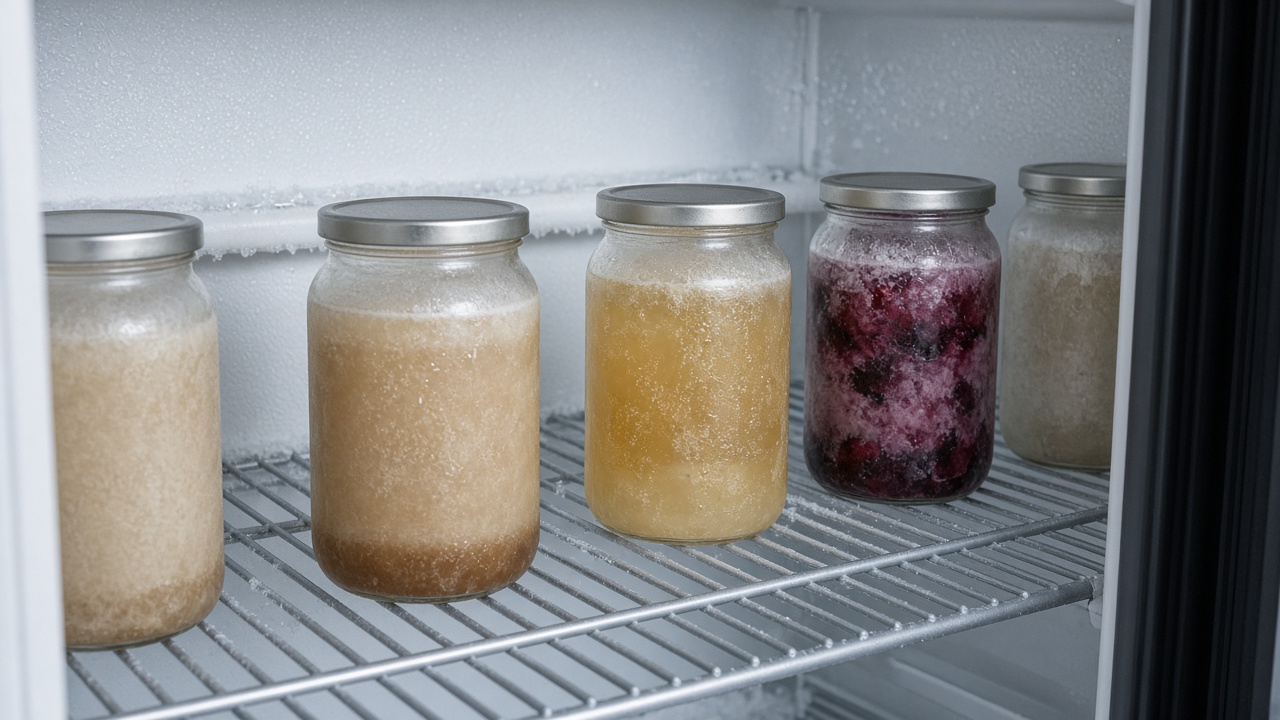
Excessive frost in the freezer can signal a problem. A properly cooling fridge has minimal frost buildup. Look for frost on the freezer walls. A thin layer is normal, but thick frost indicates a malfunction.
Even Cooling Distribution
Cooling should be even across all shelves. Check different areas with a thermometer. All parts should show similar temperatures. If one area is warmer, airflow might be blocked. Ensure vents are unobstructed for efficient cooling.
Common Cooling Issues
Many refrigerators struggle to reach the right temperature quickly, and often it’s due to common cooling issues. These problems can slow down the cooling process or stop it altogether. Understanding these issues helps you spot them early and fix them before your food spoils.
Faulty Thermostat
The thermostat controls the fridge’s temperature. If it’s broken or inaccurate, your refrigerator might not cool properly. You might notice the fridge running constantly or not turning on at all, which wastes energy and keeps your food warm.
Have you checked if your thermostat clicks when adjusting the temperature? A silent or unresponsive thermostat often means it’s time for a replacement.
Dirty Condenser Coils
Condenser coils release heat from your fridge. When they’re covered in dust or pet hair, they can’t cool effectively. This causes your fridge to work harder and take longer to cool down.
Try cleaning the coils with a vacuum or brush every six months. You’ll be surprised how much this simple step improves cooling speed and energy use.
Blocked Air Vents
Air vents let cold air circulate inside the fridge. Blocking them with food or containers stops cold air from spreading evenly. This creates warm spots and slows down the cooling process.
Are your shelves packed too tightly? Leave space around vents to let air flow freely and keep everything chilled.
Refrigerant Leaks
Refrigerant is the fluid that absorbs heat inside your fridge. If there’s a leak, your fridge won’t cool properly. This issue usually requires professional repair and should not be ignored.
Signs of a refrigerant leak include hissing sounds or a fridge that runs nonstop without getting cold. If you notice these, call a technician immediately to avoid bigger problems.
Frequently Asked Questions
How Long Does A New Refrigerator Take To Cool?
A new refrigerator typically takes 4 to 24 hours to cool. It depends on the model and size. Avoid placing food inside until it reaches the right temperature for optimal performance and food safety.
Why Does My Refrigerator Take Long To Cool?
A refrigerator may take longer due to frequent door opening, poor ventilation, or dirty coils. Check the door seals and ensure proper airflow. Regular maintenance improves cooling efficiency and reduces cooling time.
Can I Speed Up My Refrigerator’s Cooling Time?
Yes, set the thermostat to the recommended temperature and avoid opening the door often. Keep the fridge away from heat sources and ensure proper air circulation to help it cool faster and maintain a steady temperature.
How To Know If My Refrigerator Is Cooling Properly?
Check if the temperature inside is between 37°F and 40°F (3°C to 4°C). Food should feel cold but not frozen. If it’s warmer, inspect the settings, door seals, and condenser coils to ensure proper cooling.
Conclusion
A refrigerator usually takes a few hours to cool fully. The exact time depends on size and settings. Keeping the door closed helps the process go faster. Avoid putting hot food inside right away. Regular cleaning can improve cooling speed too.
Knowing how long it takes helps you plan better. Patience is key for a cold and fresh fridge. Keep these tips in mind for best results.