Have you ever opened your freezer only to find thick layers of ice making it hard to store your food? You’re not alone.
Defrosting your freezer is essential, but the big question is: how long does it take? Knowing the right timing can save you from wasting energy, damaging your appliance, or ruining your food. You’ll discover exactly what affects defrosting time and learn simple tips to speed up the process.
Keep reading to make your freezer work better and last longer.

Credit: www.searshomeservices.com
Factors Affecting Defrost Time
Defrosting your freezer isn’t a one-size-fits-all process. Several factors can change how long it takes to melt away the ice. Understanding these can help you plan better and avoid the frustration of a lengthy thaw.
Freezer Size And Type
The bigger your freezer, the more ice it can hold, and the longer it might take to defrost. A compact freezer will usually thaw faster than a large chest or upright freezer. Also, manual defrost freezers take more time compared to frost-free models, which often handle ice buildup automatically.
Think about your freezer’s design. Chest freezers tend to keep cold air inside longer when opened, slowing ice buildup but making defrosting a bigger job. Upright freezers might have more frequent defrost cycles but smaller ice layers. How often do you open your freezer? This can also affect how much ice forms and how long defrosting will take.
Amount Of Ice Build-up
Ice thickness is a major player in defrost time. A thin layer may melt within an hour or two, while thick, stubborn ice might need several hours or even a full day. If you let ice build up too much, it will take longer and be harder to remove.
Have you noticed how some freezers get icy quickly while others barely show signs? This depends on how often the door opens and the humidity in your kitchen. The more moisture that gets inside, the faster ice forms, adding to your defrosting work.
Room Temperature
The temperature of the room where your freezer sits impacts how fast ice melts. A warmer room speeds up defrosting, while a cold basement might slow it down. If your kitchen is chilly, you might want to use a fan or place a bowl of hot water inside the freezer to help melt ice faster.
Do you have control over the room’s temperature during defrosting? Even small changes can make a difference. Try to keep the room warm and well-ventilated to reduce waiting time and get your freezer back in action quickly.
Manual Defrosting Methods
Manual defrosting is a straightforward approach that lets you take control of the process. It doesn’t require special tools or chemicals—just a bit of patience and a few simple techniques. Understanding these methods helps you decide which fits your schedule and freezer type best.
Unplugging The Freezer
Start by unplugging your freezer to stop it from running. This is the safest way to let the ice melt naturally. Place towels or a shallow pan underneath to catch dripping water and prevent messes.
This method usually takes several hours, depending on how thick the ice is. While it’s slow, it’s gentle on your appliance and energy-free. Have you ever noticed how much ice builds up when you leave your freezer running during defrosting? It’s surprising how quickly it can accumulate.
Using Hot Water Bowls
Speed things up by placing bowls of hot water inside the freezer. The steam helps loosen the ice, making it easier to remove. Replace the water as it cools to keep the steam going.
This trick can shave off a good chunk of defrosting time. Just be careful not to spill water inside the freezer, as it can damage electrical parts. Have you tried this before? It’s a simple hack that often surprises people with how well it works.
Utilizing A Hairdryer
A hairdryer is a quick way to melt ice, especially in hard-to-reach spots. Keep the dryer moving and hold it at a safe distance to avoid heat damage. Be sure to keep electrical cords away from water to stay safe.
This method speeds up defrosting dramatically but requires close attention. You’ll notice ice softening in minutes, helping you clear it out faster. Have you ever used a hairdryer to defrost something? It’s a handy trick, but safety comes first.
Automatic Defrost Features
Automatic defrost features in freezers save you time and effort by preventing frost buildup without manual intervention. These systems manage ice accumulation efficiently, so you rarely have to worry about defrosting. Understanding how these features work can help you maintain your freezer better and keep your food fresh longer.
Frost-free Freezers
Frost-free freezers use a built-in heating element to melt ice automatically at regular intervals. This process usually happens every 8 to 12 hours and only takes about 20 to 30 minutes each cycle. The melted frost drains away, so you never see ice buildup inside your freezer.
If you own a frost-free freezer, you might wonder why your energy bill feels higher. The automatic defrost cycles use extra power to heat the coils temporarily, but the convenience of no manual defrosting often outweighs this cost. Have you noticed your freezer running noisier during those times? That’s the defrost cycle in action.
Defrost Timer Settings
The defrost timer controls how often and how long the defrost cycle runs in your freezer. Typical settings range from 6 to 12 hours between cycles, with each cycle lasting 20 to 40 minutes. If your freezer isn’t defrosting properly, checking the timer can be a smart first step.
Some freezers allow you to adjust the defrost timer manually, which can help optimize performance based on your usage. For instance, if you open your freezer frequently, shorter intervals might prevent ice buildup more effectively. Have you ever tried adjusting these settings? It might improve your freezer’s efficiency without needing a service call.
Safety Precautions
Defrosting a freezer requires careful attention to safety. Ignoring precautions can cause accidents or damage. Focus on key safety steps to protect yourself and your home. Proper handling of electricity and water is essential during defrosting.
Avoiding Electrical Hazards
Unplug the freezer before starting defrost. Never use sharp tools to speed up ice removal. Water and electricity do not mix well. Keep cords and outlets dry throughout the process. Check for any damaged wires before plugging the freezer back in. Use a grounded outlet to reduce shock risk.
Handling Melted Water
Melted ice can create slippery floors. Place towels or a basin to catch dripping water. Clean spills immediately to prevent falls. Dispose of water safely to avoid water damage. Use a mop or cloth to absorb excess water quickly. Keep children and pets away from wet areas during defrost.
Tips For Faster Defrosting
Defrosting a freezer can take time, but some tips help speed up the process. Faster defrosting saves effort and prevents water buildup. Follow simple steps to make ice melt quicker and keep your freezer organized.
Organizing Freezer Contents
Remove all items from the freezer before defrosting. Group frozen foods in coolers or insulated bags. This keeps food cold longer and reduces spoilage risk. Clear empty space inside the freezer for better airflow. Keep shelves and drawers clean to prevent ice buildup. An organized freezer helps ice melt evenly and fast.
Using Fans For Air Circulation
Place a fan near the freezer door to blow warm air inside. This increases air movement, speeding ice melting. Make sure the fan does not blow water inside the freezer. Use a bowl or towels to catch dripping water. Air circulation reduces cold spots and helps defrost faster. Keep the freezer door open during this process for best results.
;)
Credit: www.cookist.com
Maintaining A Frost-free Freezer
Keeping your freezer frost-free is essential for its efficiency and longevity. Frost buildup not only reduces storage space but also forces the freezer to work harder, increasing energy costs. Paying attention to how you maintain your freezer can save you time and money over the long haul.
Regular Cleaning
Cleaning your freezer regularly helps prevent frost buildup. Take a moment every few months to defrost if you notice ice starting to form. This stops the frost from becoming too thick and difficult to remove.
When cleaning, unplug the freezer and let the ice melt naturally. Avoid using sharp objects that can damage the interior. Wipe down surfaces with a mixture of warm water and mild soap to remove any residue or spills.
Have you ever noticed how a clean freezer keeps food fresher? It’s not just about looks—removing frost improves airflow, which helps maintain a consistent temperature.
Proper Storage Techniques
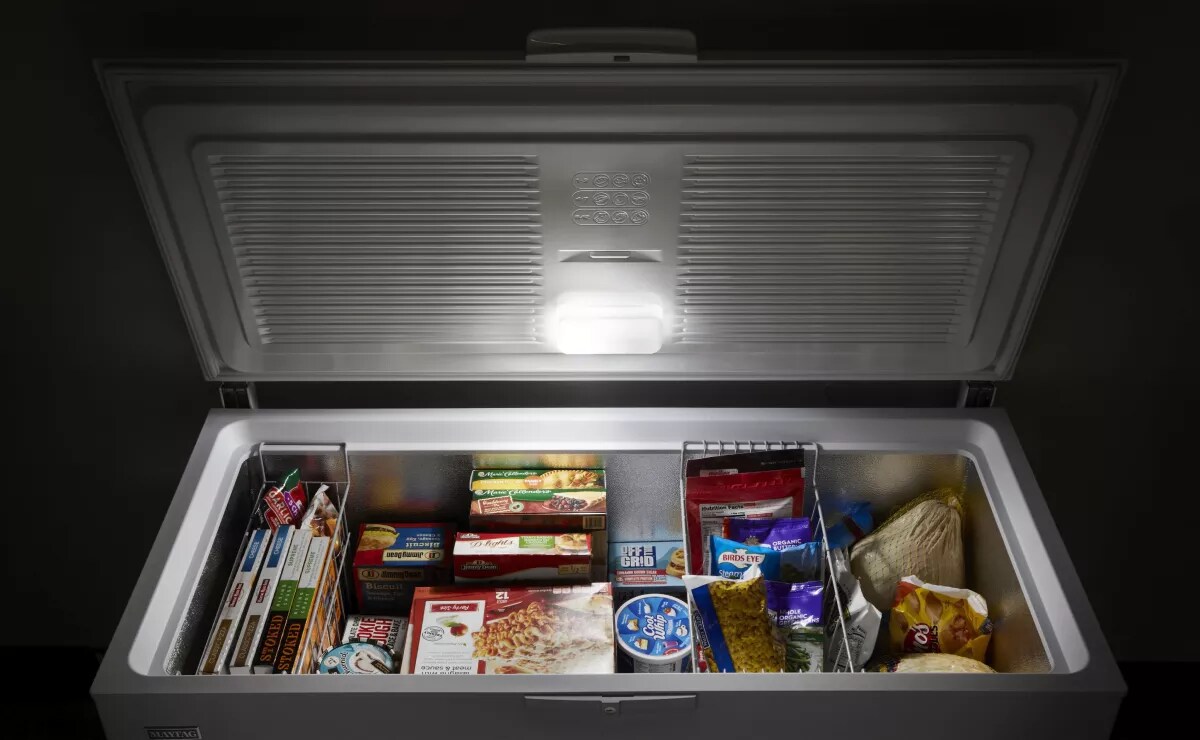
How you store items can affect frost buildup. Avoid placing hot or warm food directly into the freezer; let it cool first. This reduces moisture, which is a main cause of frost.
Use airtight containers or freezer bags to keep moisture out. Label and organize food so you can quickly find what you need, minimizing the time the freezer door stays open.
- Do not overfill; leave space for air circulation.
- Group similar items together for easier access.
- Check seals on containers to prevent leaks.
Think about your last time opening the freezer—did you spend extra minutes searching for something? Organizing your freezer properly can cut down on frost by reducing door opening time and moisture entry.
Credit: www.maytag.com
Frequently Asked Questions
How Long Does Manual Freezer Defrost Take?
Manual defrosting a freezer usually takes 4 to 12 hours. The exact time depends on the ice buildup and freezer size. Removing all food and leaving the door open speeds up the process. Using a bowl of hot water inside can help melt ice faster.
Can I Speed Up Freezer Defrost Safely?
Yes, you can speed up defrosting by placing a bowl of hot water inside. Avoid using sharp objects to chip ice, as it may damage the freezer. Wiping melted water frequently prevents mess and helps defrost more efficiently.
How Often Should I Defrost My Freezer?
You should defrost your freezer when ice builds up to about 1/4 inch thick. This usually happens every 6 to 12 months. Regular defrosting improves freezer efficiency and keeps food fresh longer. Avoid letting ice accumulate excessively to save energy.
Is Defrosting Necessary For Frost-free Freezers?
No, frost-free freezers do not require manual defrosting. They have automatic systems that prevent ice buildup. However, occasional cleaning is still needed to maintain hygiene. Check the manufacturer’s instructions for maintenance tips.
Conclusion
Defrosting a freezer takes time, usually several hours. The exact time depends on the freezer size and ice buildup. Plan ahead to avoid rushing the process. Keep food safe by removing perishables before defrosting. Regular defrosting helps your freezer work better and saves energy.
A little patience goes a long way for good results. Remember, clean and dry your freezer once defrosted. This simple task keeps your freezer efficient and fresh.