Wondering how long your ice maker takes to make ice? You’re not alone.
Whether you’re preparing for a party or just want a cold drink quickly, knowing the exact time can save you frustration. You’ll discover the factors that affect ice-making speed and tips to get ice faster. Keep reading to never be caught waiting again!

Credit: codysappliancerepair.com
Ice Making Process
Understanding the ice making process helps you grasp why ice makers take the time they do to produce ice. It’s a fascinating blend of simple mechanics and clever engineering working quietly inside your appliance. Knowing how your ice maker works can help you troubleshoot delays and appreciate the technology that keeps your drinks cool.
Basic Components
Your ice maker has a few key parts that work together to create ice efficiently:
- Water Inlet Valve:Controls the flow of water into the ice mold.
- Ice Mold Tray:The shape where water freezes into ice cubes.
- Thermostat or Sensor:Detects the temperature to know when ice is ready.
- Heating Element:Slightly warms the mold to release the ice cubes.
- Motor and Ejector Arm:Pushes the ice cubes out into the storage bin.
Each component has a specific role that ensures ice is made correctly and on time. Missing or malfunctioning parts can cause delays or poor ice quality.
How It Works
First, the water inlet valve opens to fill the ice mold with water. The water then freezes solid in the cold environment of your freezer, a process that usually takes 15 to 20 minutes depending on the model.
Once the ice reaches the right temperature, the heating element warms the mold just enough to loosen the ice cubes. This prevents the cubes from sticking to the tray, making it easier for the ejector arm to push them out.
The motor activates the ejector arm, which carefully pushes the ice cubes into the storage bin. Then, the cycle starts over again. Have you ever noticed how some ice makers pause longer between cycles? That’s because they wait for the right temperature to freeze the water solid, ensuring perfect cubes every time.
Factors Affecting Ice Making Time
How long your ice maker takes to produce ice isn't fixed. Several factors come into play, influencing the speed and efficiency of ice production. Understanding these can help you get ice faster and troubleshoot if your ice maker seems slow.
Temperature Settings
The colder the freezer or ice maker compartment, the quicker the water freezes into ice. If your temperature is set too high, ice formation slows down significantly. On the other hand, extremely low temperatures can cause the ice maker to work harder, potentially leading to mechanical issues.
Try adjusting your freezer temperature to around 0°F (-18°C) for optimal ice production. Have you noticed how small changes in temperature can speed up or slow down your ice-making process?
Water Quality
Water purity plays a big role in ice-making speed. Hard water or water with impurities freezes slower because of minerals that lower the freezing point. Using filtered or purified water can help produce clearer and faster ice cubes.
Next time your ice cubes look cloudy or take too long, consider checking your water source. What type of water do you use in your ice maker?
Ice Maker Type
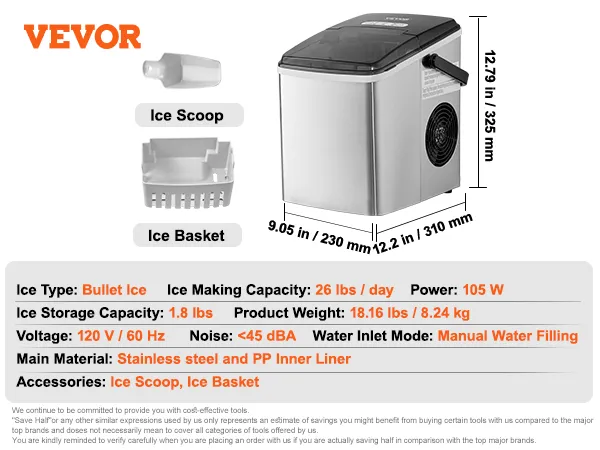
Different ice makers work at different speeds. Built-in freezer ice makers typically take 90 to 120 minutes to make a batch. Portable or countertop models might be faster or slower depending on design and capacity.
Some ice makers use a tray system, while others use a continuous production method. Knowing your machine's type helps set realistic expectations for ice production time. Which ice maker do you have, and how fast does it usually make ice?
Average Time For Ice Production
Understanding the average time it takes for an ice maker to produce ice can help you plan better, whether you’re hosting a party or managing a busy restaurant. Ice production speed varies widely depending on the type of ice maker you have and its intended use. Let’s break down what you can generally expect from home and commercial ice makers.
Home Ice Makers
Most home ice makers produce a batch of ice in about 6 to 15 minutes. This depends on the model, water temperature, and ambient room conditions. Compact units designed for kitchen counters might take closer to 15 minutes, while built-in refrigerator ice makers typically finish a cycle in around 6 to 10 minutes.
Consider how often you need ice. If you host gatherings regularly, a faster ice maker can prevent running out. But if ice use is occasional, waiting a few extra minutes might not be a big deal.
Commercial Ice Makers
Commercial ice makers are built for speed and volume. They can produce ice in as little as 3 to 7 minutes per cycle, with some models making hundreds of pounds per day. These machines often work continuously, delivering a steady supply without downtime.
If you run a business, think about your peak hours and how much ice you’ll need. A commercial unit that produces ice quickly helps avoid delays and keeps your customers happy. Have you checked if your current ice maker matches your demand during busy times?
Credit: www.vevor.ca
Speeding Up Ice Production
Waiting for ice can feel like forever, especially when you need it fast. Speeding up ice production isn’t just about patience; it’s about using your ice maker smartly. Small tweaks and regular care can cut down the time it takes for your machine to deliver those cool cubes.
Optimal Settings
Check if your ice maker has adjustable settings for cube size or production speed. Smaller ice cubes freeze faster and can be ready in less time.
Setting the temperature of your freezer to the right level is crucial. Aim for around 0°F (-18°C) to ensure the ice freezes quickly without stressing your appliance.
Also, avoid opening the freezer door too often. Each time you open it, warm air slows down the freezing process.
Maintenance Tips
Regular cleaning can drastically improve ice production speed. Mineral build-up or debris in the machine can block water flow and slow freezing.
Make sure to replace water filters as recommended. Clean filters ensure pure water flow and help ice freeze faster and taste better.
Check for any signs of wear or damage. A malfunctioning ice maker can take much longer to produce ice, so fixing small issues early saves you time.
Troubleshooting Delays
Experiencing delays with your ice maker can be frustrating, especially when you rely on it daily. Before you decide it's broken, it's worth troubleshooting a few common issues that might be slowing down the ice-making process. Understanding these problems can save you time and money.
Common Issues
One frequent cause of slow ice production is a low water supply. Check if the water line is kinked, clogged, or turned off. Even a minor obstruction can reduce the flow and delay ice formation.
Another issue could be the temperature setting. If your freezer isn’t cold enough—ideally between 0°F and 5°F—ice production will slow. Adjusting the thermostat might solve the problem quickly.
Sometimes, the ice maker’s motor or sensor malfunctions. If you notice unusual noises or no movement at all, these parts might need inspection. Dust and debris can also block the ejector arm, preventing ice from dropping properly.
When To Call A Professional
If you’ve checked water supply, temperature, and cleaned the unit but still face delays, it might be time for expert help. Ice makers contain electrical components that can be risky to handle without proper knowledge.
Look out for persistent issues like leaks, strange smells, or no ice production despite troubleshooting. These signs often indicate internal damage or complex problems that require professional tools and experience.
Remember, trying to fix complicated issues yourself can cause more damage. Would you rather risk a costly repair later or get it right the first time by calling a professional?
Innovations In Ice Making
Ice makers have evolved significantly over the years, improving not only speed but also how they fit into your daily routine. Innovations in ice making have brought new technology that saves energy and adds smart features to make ice production easier and more efficient. These advancements can change the way you think about waiting for ice and how much control you have over the process.
Energy Efficiency
Energy-efficient ice makers reduce electricity use without slowing down ice production. Newer models use better insulation and advanced compressors to keep the freezing process quick and consistent. This means you get ice faster while saving on your utility bills.
Many energy-efficient ice makers also come with automatic shut-off features. These stop the machine once the ice bin is full, preventing unnecessary power consumption. Have you ever thought about how much energy your old ice maker wastes running continuously?
Smart Features
Smart ice makers connect to your phone or home system, giving you control no matter where you are. You can check ice levels, start a new batch, or schedule ice making times with just a few taps.
Some smart models even learn your ice usage patterns and adjust their cycles to match your lifestyle. Imagine having ice ready just when you need it, without manually starting the machine every time. How would this convenience change your daily routine?

Credit: www.amazon.ca
Frequently Asked Questions
How Long Does A Typical Ice Maker Take To Produce Ice?
A typical ice maker takes about 6 to 15 minutes to produce a batch of ice. This time depends on the model, temperature, and water quality. Faster models can produce ice in as little as 5 minutes, while slower ones may take longer.
What Factors Affect Ice Maker Production Time?
Ice maker production time depends on temperature, water supply, and machine efficiency. Colder environments speed up freezing. A steady water supply ensures continuous ice production. Proper maintenance and cleaning also influence how quickly ice forms.
How Much Ice Can An Ice Maker Produce Daily?
Most home ice makers produce between 20 to 50 pounds of ice daily. Commercial machines can produce significantly more, up to several hundred pounds. Output varies based on machine size, usage frequency, and environmental conditions.
Can I Speed Up Ice Production Time?
Yes, you can speed up ice production by lowering the freezer temperature and ensuring a clean water filter. Avoid opening the freezer frequently, as warm air slows freezing. Regular maintenance keeps the ice maker efficient.
Conclusion
Ice makers usually take 6 to 15 minutes to make ice cubes. The exact time depends on the model and temperature. Keeping the water cold helps speed up the process. Regular cleaning also ensures better ice production. Knowing this helps you plan for cold drinks anytime.
Patience pays off when waiting for fresh ice. Small steps keep your ice maker working well. Enjoy cool drinks without long waits.