You just got a new refrigerator, and you’re eager to enjoy fresh ice cubes. But how long do you actually have to wait before your fridge starts making ice?
If you’ve ever wondered why your ice maker isn’t producing cubes right away, you’re not alone. Understanding the timing can save you frustration and help you plan better. You’ll discover exactly how long it takes for a new refrigerator to make ice and what factors can speed up or slow down the process.
Keep reading to get the answers you need and start enjoying your ice sooner.
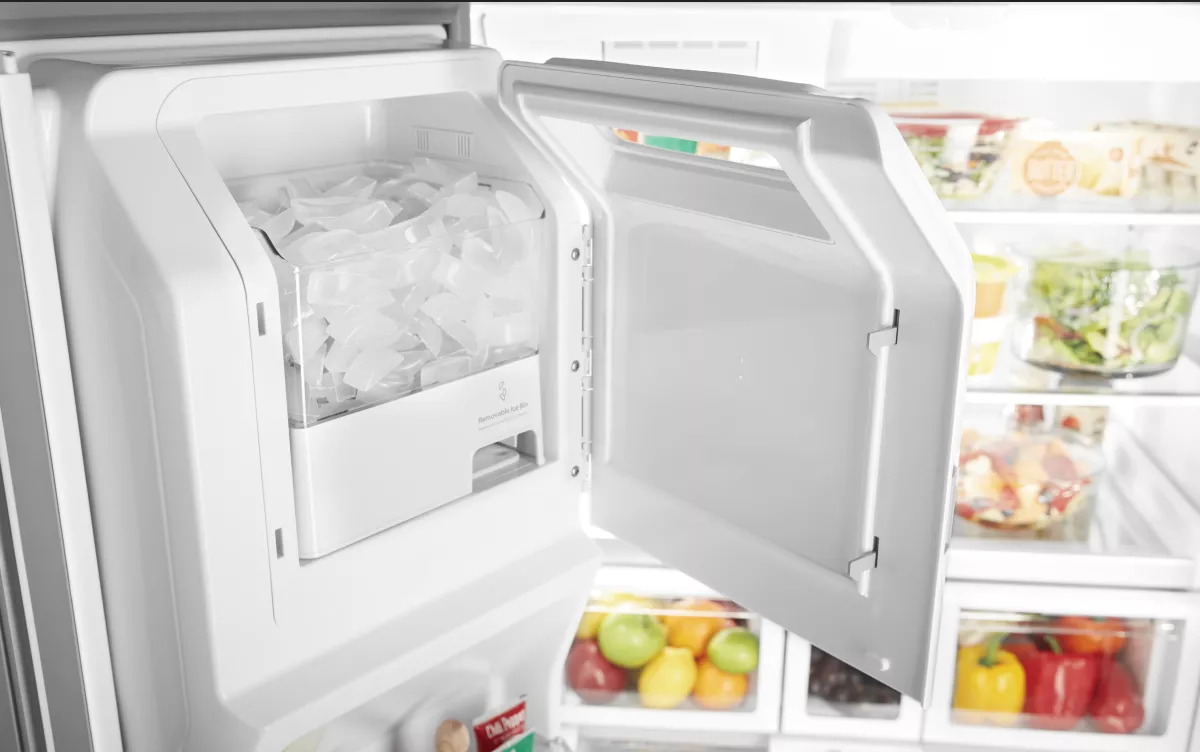
Credit: www.whirlpool.com
Factors Affecting Ice Production
Several factors influence how quickly your new refrigerator starts making ice. Understanding these can help you set the right expectations and troubleshoot if the ice production seems slow. Let’s take a closer look at what affects this process and how you can optimize it.
Initial Cooling Period
After plugging in your new refrigerator, it needs time to reach the correct temperature before it can start making ice. This initial cooling phase usually takes anywhere from 4 to 24 hours, depending on the model and size.
During this period, the freezer compartment gradually cools down to the ideal temperature for ice formation, typically around 0°F (-18°C). If you’re impatient like I was when I set up my new fridge, remember that rushing this process won’t speed things up.
Temperature Settings
Your freezer’s temperature setting plays a crucial role in ice production speed. If the temperature is set too high, ice trays may take longer to freeze water completely.
Most manufacturers recommend keeping the freezer between 0°F and 5°F (-18°C to -15°C). Check your settings and adjust accordingly to ensure faster and consistent ice making.
Freezer Load And Arrangement
How you organize the contents of your freezer affects airflow and cooling efficiency. Overloading or blocking vents can slow down ice production by preventing cold air from circulating properly.
Try to keep the area around the ice maker clear and avoid stuffing the freezer too tightly. I once noticed my ice maker was sluggish until I rearranged frozen items to allow better airflow—simple changes like this can make a real difference.
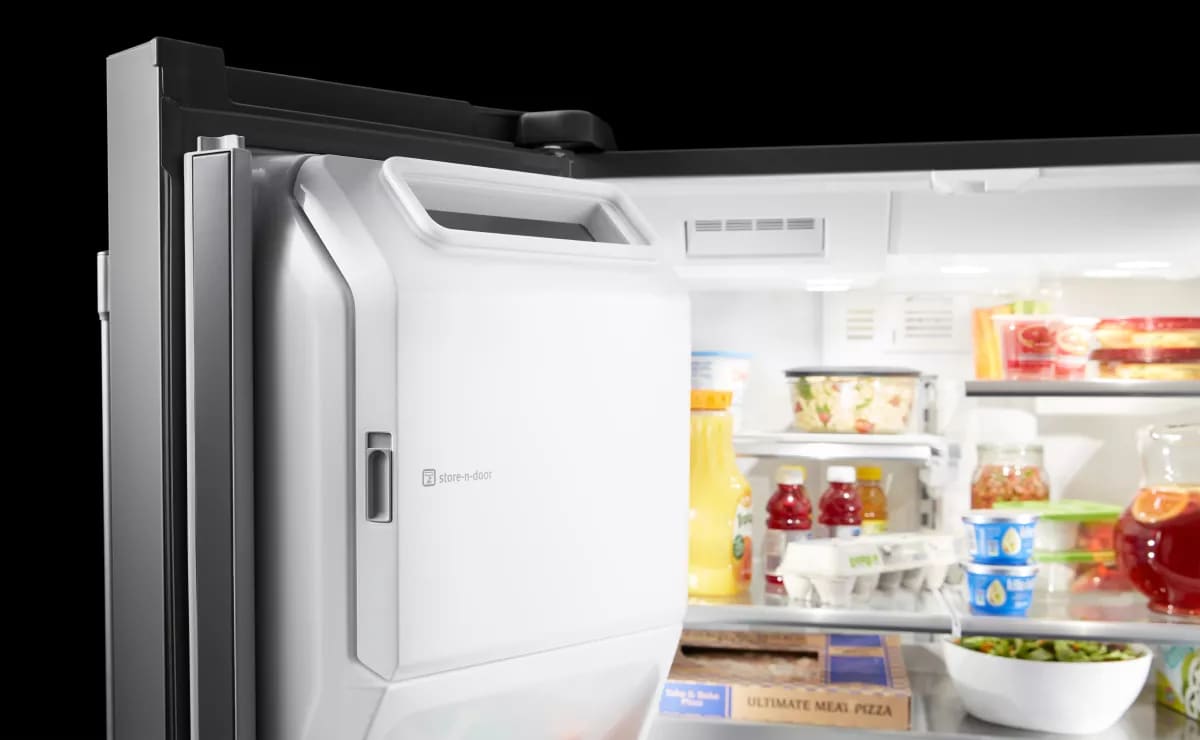
Credit: www.maytag.com
Average Time For Ice Production
Knowing the average time for a new refrigerator to make ice helps set expectations. Ice production varies by model and design. This section breaks down typical ice-making times for different types of refrigerators.
Standard Refrigerator Models
Standard refrigerators usually take about 3 to 4 hours to produce the first batch of ice. The ice maker needs to reach the proper temperature first. After the initial batch, it generally makes ice every 1 to 2 hours. The ice cubes are small or medium-sized, suitable for everyday use.
High-efficiency Models
High-efficiency refrigerators often produce ice faster than standard models. Some start making ice within 2 to 3 hours after installation. They use advanced cooling technology to speed up the process. These models also maintain a steady ice production rate, making ice every 30 to 60 minutes. The ice cubes tend to be clearer and denser.
Optimizing Ice Making Speed
Speeding up ice production in a new refrigerator helps save time and keeps your drinks cold. Small changes make a big difference in how fast ice forms. Focus on key areas like temperature, airflow, and ice tray use to get ice quickly and efficiently.
Proper Temperature Settings
Set the freezer temperature between 0°F and 5°F (-18°C to -15°C). This range freezes water fast without straining the fridge. Avoid setting it too cold; this wastes energy and can freeze ice trays too hard. Regularly check and adjust the thermostat for best results.
Ensuring Adequate Airflow
Clear space inside the freezer to let cold air circulate well. Avoid overloading shelves or blocking vents. Good airflow keeps the freezer cold evenly and helps ice form faster. Keep the door closed as much as possible to maintain steady cold air.
Using Ice Trays Effectively
Fill trays with clean, cold water for quicker freezing. Use smaller trays or compartments to reduce freezing time. Place trays on a flat surface to freeze evenly. Remove ice cubes promptly to make space for new water and speed up the process.
Troubleshooting Delays In Ice Making
Waiting for your new refrigerator to start making ice can be frustrating, especially when it takes longer than expected. Understanding what might be causing delays can save you time and prevent unnecessary worry. Let’s look at some common issues that slow down ice production and how you can tackle them effectively.
Common Issues And Solutions
One frequent problem is the water supply. If your fridge isn’t getting enough water, ice production will stall. Check the water line for kinks or blockages and ensure the valve is fully open.
Another cause could be the temperature settings. Ice makers work best when the freezer is set between 0°F and 5°F (-18°C to -15°C). Setting the temperature too high can delay ice formation.
Sometimes, the ice maker itself might be jammed with old ice cubes or frost buildup. Clearing the ice bin and defrosting the freezer can restore normal function.
If your ice maker is new, it might need a few hours to complete its initial setup. Patience is key here, but if ice still isn’t forming after 24 hours, it’s time to dig deeper.
When To Contact A Professional
If you’ve checked the water supply, temperature, and ice maker condition but still face delays, it might be time to call an expert. Issues like faulty water inlet valves or broken ice maker motors require professional tools and skills.
Also, if you notice unusual noises or leaks, don’t ignore them. These signs can indicate mechanical problems that could worsen if left unattended.
Have you ever tried fixing an ice maker problem yourself? Sometimes, a quick fix can work, but knowing when to seek help is just as important to avoid bigger headaches.
Maintenance Tips For Efficient Ice Production
Keeping your refrigerator’s ice maker running smoothly depends largely on how well you maintain it. Regular upkeep not only speeds up ice production but also improves the quality and taste of the ice. Let’s look at some practical tips that you can easily fit into your routine to ensure efficient ice making.
Regular Cleaning Practices
Cleaning your ice maker regularly prevents buildup of dirt and mineral deposits that slow down ice production. Wipe down the ice bin and the area around the ice maker with warm, soapy water every few weeks.
Don’t forget to clean the ice mold itself; leftover ice pieces can block new ice from forming properly. If you notice any strange smells or tastes, it’s a sign your ice maker needs a thorough cleaning.
Inspecting And Replacing Filters
Your refrigerator’s water filter plays a crucial role in producing clear, fresh ice. Over time, filters get clogged with impurities, reducing water flow and slowing ice production.
Check your filter every six months and replace it if it looks dirty or if your ice maker is making less ice than usual. Keeping the filter fresh ensures your ice stays clean and your ice maker runs efficiently.

Credit: codysappliancerepair.com
Frequently Asked Questions
How Long Does A New Refrigerator Take To Make Ice?
A new refrigerator usually takes 24 hours to produce its first batch of ice. Initial cooling and water freezing require time. Ice production improves after the first day and stabilizes within 48 hours.
Why Is My New Fridge Not Making Ice Quickly?
Ice production may be slow due to incomplete cooling or water supply issues. Ensure the fridge is fully cooled and the water line is connected. Temperature settings and ice maker activation also affect ice speed.
Can I Speed Up Ice Production In A New Fridge?
Yes, to speed up ice, set the freezer temperature to 0°F (-18°C). Make sure the ice maker is turned on and the water supply is steady. Avoid frequent door openings to maintain cold temperatures.
When Should I Expect Regular Ice Output From A New Fridge?
Regular ice output typically begins after 48 hours of operation. The ice maker needs time to reach optimal temperature and cycle properly. Consistent water flow and freezer conditions ensure steady ice production.
Conclusion
A new refrigerator usually takes several hours to make ice. It depends on the model and temperature settings. Be patient and avoid opening the freezer often. Keep the ice maker turned on and check the water supply. After some time, you will see ice cubes forming.
This process helps ensure fresh and clean ice. Knowing this timeline can help you plan better. Enjoy cold drinks with fresh ice soon. Simple steps lead to great results.