You just bought a new freezer, and now you’re eager to store your groceries safely. But how long does a new freezer take to get cold?
You might be wondering if it’s ready to use right away or if you need to wait. Knowing the answer can save you from spoiled food and frustration. You’ll discover exactly what to expect, how to speed up the cooling process, and tips to make sure your freezer works perfectly from day one.
Keep reading to make the most of your new appliance!
Factors Affecting Cooling Time
Several factors influence how fast a new freezer reaches the right cold temperature. These elements affect the freezer’s ability to cool efficiently and maintain consistent coldness. Understanding these factors helps set the right expectations for cooling time.
Size And Capacity
Larger freezers take longer to cool than smaller ones. More space inside means the compressor has to work harder to lower the temperature. Freezers with bigger capacity store more air, which needs time to chill. A small freezer can reach cold temperatures faster because it holds less air volume.
Ambient Temperature
The surrounding room temperature impacts cooling speed. A freezer in a hot kitchen will take more time to get cold. Warm air around the freezer forces the cooling system to work longer. Cooler room temperatures help the freezer reach the desired cold level faster and use less energy.
Placement And Ventilation
Proper placement affects airflow and cooling efficiency. The freezer needs space around it for air to circulate. Tight spaces or corners block ventilation and slow cooling. Avoid placing the freezer near heat sources like ovens or direct sunlight. Good ventilation helps the freezer cool down quickly and maintain a steady temperature.
Initial Setup Steps
Setting up a new freezer correctly helps it cool faster and work better. Follow simple steps before plugging it in. Proper setup prevents problems and keeps food safe. Taking time to prepare is important for good freezer performance.
Unpacking And Inspection
Remove all packaging materials carefully. Check the freezer for any damage or dents. Look inside for any leftover packing pieces. Clean the interior with a damp cloth before use. This keeps the freezer fresh and ready.
Proper Leveling
Place the freezer on a flat surface. Use a level tool to check balance. Adjust the feet if needed to keep it steady. A level freezer cools evenly and runs quietly. Avoid placing it on carpet or uneven floors.
Connecting To Power
Plug the freezer into a grounded outlet only. Avoid using extension cords or power strips. Make sure the power source matches the freezer’s voltage. Turn the freezer on and set the temperature control. Leave the door closed to help it cool fast.
Expected Cooling Time
Understanding how long your new freezer takes to reach its optimal cold temperature can save you from guessing when to start storing your groceries. The expected cooling time depends on several factors, including the freezer’s size, design, and the environment where it’s placed. Knowing these details helps you plan better and avoid food spoilage.
Standard Cooling Duration
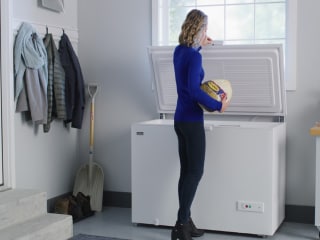
Most new freezers typically take about 4 to 24 hours to reach the right temperature, usually around 0°F (-18°C). Smaller or compact models tend to cool faster, often within 4 to 6 hours. Larger chest or upright freezers may need closer to a full day to stabilize their internal temperature.
It’s important to keep the door closed during this period. Opening it frequently lets warm air in, prolonging the cooling process. Have you ever wondered why your freezer feels warm even after hours of running? This is often the reason.
Variations By Model
Different freezer models come with features that affect cooling time. For example, frost-free or no-frost models use fans to circulate air, which can speed up cooling. Manual defrost freezers, on the other hand, might take longer to cool down but can be more energy-efficient once at temperature.
Some brands advertise rapid freeze functions, which can drop temperatures in a matter of hours. However, these features might increase energy consumption temporarily. It’s a trade-off between speed and energy use you might want to consider based on your needs.
Have you checked your freezer’s user manual for specific cool-down times? Following the manufacturer’s guidelines is the best way to avoid issues and protect your food.

Credit: www.reddit.com
Optimizing Cooling Efficiency
Optimizing cooling efficiency helps your freezer reach the right temperature faster. It saves energy and keeps food fresh longer. Small actions inside and around the freezer make a big difference.
Loading Tips
Place items evenly inside the freezer. Avoid overpacking, which blocks cold air flow. Leave space between packages for better circulation. Use containers to organize smaller items. This keeps air moving freely. Adding warm or hot food slows cooling. Let food cool before storing it. Arrange heavier items at the bottom. Lighter ones go on top for better cooling balance.
Ensuring Adequate Airflow
Keep the freezer vents clear of obstructions. Do not block air vents with food or containers. Allow 2 to 3 inches of space around the freezer. This helps heat escape from the back and sides. Clean coils regularly to maintain airflow. Avoid placing the freezer near heat sources. Proper airflow outside and inside improves cooling speed and efficiency.
Troubleshooting Common Issues
Facing issues with your new freezer taking too long to get cold can be frustrating. Understanding common problems helps you fix them quickly and avoid unnecessary stress. Let’s look at two frequent issues: delayed cooling and temperature fluctuations.
Delayed Cooling
If your freezer isn’t cooling fast enough, first check if the door seal is tight. A loose or damaged seal lets cold air escape, making the compressor work harder and slowing cooling.
Another cause could be overloading the freezer right after installation. Crowding the shelves blocks airflow and delays temperature drop. Try leaving space between items to help cold air circulate.
Also, consider the freezer’s location. Placing it near heat sources like ovens or in direct sunlight can raise its internal temperature. Have you checked where your freezer stands?
Temperature Fluctuations
Temperature swings inside the freezer can spoil your food quickly. One common reason is frequent door openings, which let warm air in. Try limiting how often you open the door.
Another factor is the thermostat setting. If it’s too low or too high, the freezer struggles to maintain a steady temperature. Adjust the thermostat gradually and monitor the changes.
Sometimes, frost buildup on the evaporator coils causes uneven cooling. Defrosting the freezer manually or using the auto-defrost feature can solve this problem. Have you noticed ice buildup inside your freezer?

Credit: wilshirerefrigeration.com
Maintenance For Optimal Performance
Proper maintenance keeps your freezer running at its best. It helps the freezer cool quickly and saves energy. Regular care prevents problems and extends the freezer’s life.
Regular Cleaning
Clean your freezer every few months. Remove old food and wipe down shelves. Use a mix of warm water and mild soap. Avoid harsh chemicals that can damage surfaces. Dry all parts before putting items back inside. Clean coils behind the freezer to improve cooling. Dust buildup makes the freezer work harder.
Checking Seals And Gaskets
Inspect door seals often. Look for cracks or gaps where cold air can escape. Press the seal all around the door to check for tightness. Replace damaged gaskets quickly. Good seals keep cold air inside and reduce frost. This helps the freezer reach the right temperature faster.
Credit: www.maytag.com
Frequently Asked Questions
How Long Does A New Freezer Take To Cool?
A new freezer typically takes 4 to 24 hours to reach the ideal temperature. It depends on the model and size. Avoid placing food inside until it is fully cold to ensure proper freezing and food safety.
Why Does My Freezer Take Longer To Get Cold?
Longer cooling times can result from overloading, poor ventilation, or door openings. Also, a larger freezer or a higher ambient temperature can slow cooling. Ensure proper installation and allow the recommended time for the unit to reach optimal temperature.
Can I Speed Up The Cooling Of A New Freezer?
You can speed up cooling by keeping the door closed and avoiding adding warm food. Setting the thermostat to the coldest setting initially also helps. However, avoid drastic adjustments to prevent damaging the freezer’s compressor.
When Is A Freezer Fully Cold And Ready To Use?
A freezer is fully cold when it reaches 0°F (-18°C) or below. Use a freezer thermometer to check the temperature. This usually occurs within 24 hours after the initial startup, depending on the freezer’s design and usage.
Conclusion
A new freezer usually takes several hours to get cold. Most models need about 4 to 24 hours to reach the right temperature. Keep the door closed to help it cool faster. Avoid adding food too soon; it can slow the process.
Patience is key for your freezer to work well. Once cold, it keeps your food fresh and safe. Trust the process, and your freezer will be ready when you need it. Simple steps make a big difference in cooling time.