Have you ever wondered how long it takes for your freezer to get cold enough to keep your food fresh and safe? Knowing this can save you time, prevent spoiled groceries, and help you plan better when setting up a new freezer.
Whether you’re unpacking a brand-new appliance or just turned your freezer back on, understanding how quickly it reaches the right temperature is key. You’ll discover exactly what to expect, what factors can speed up or slow down the process, and simple tips to get your freezer chilling efficiently.
Keep reading—you’ll be amazed at how a few easy steps can make a big difference!
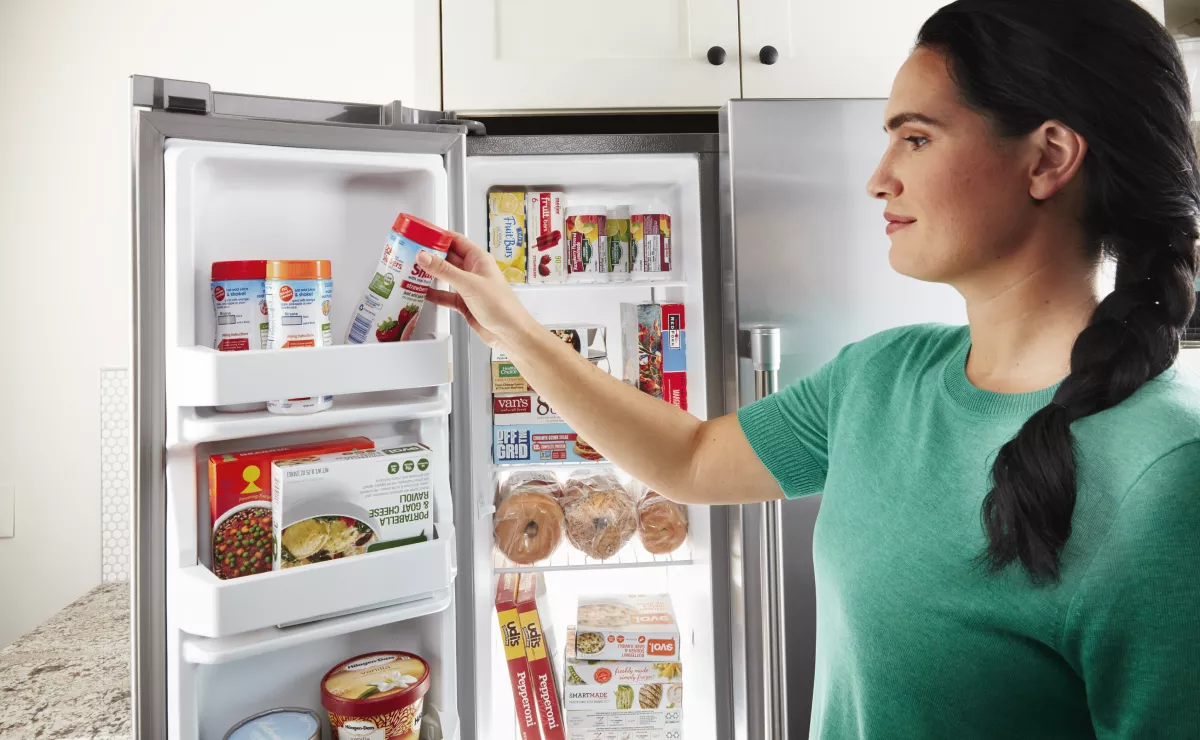
Credit: www.maytag.com
Factors Affecting Freezer Cooling Time
Understanding the factors that affect how long your freezer takes to get cold can help you manage expectations and optimize its performance. Not all freezers cool at the same rate, and several conditions around the freezer influence this process. Let’s break down the key elements that play a role in cooling time.
Type And Model Of Freezer
The kind of freezer you have significantly affects cooling speed. Chest freezers usually cool slower than upright models because of their design and how air circulates inside. High-end models often have faster compressors and better insulation, speeding up the cooling process.
Think about your freezer’s age too. Older freezers might take longer due to wear or outdated technology. Have you noticed if your freezer cools slower than when you first bought it? That’s often a sign of model limitations or maintenance needs.
Room Temperature Impact
The temperature of the room where your freezer sits has a big impact on how quickly it cools. If your kitchen or basement is hot, the freezer has to work harder and longer to reach the desired temperature. This can extend the cooling time and increase energy use.
On the flip side, placing your freezer in a cool, well-ventilated area helps it chill faster. Ever wondered why some people recommend avoiding placing freezers near ovens or windows with direct sunlight? It’s all about reducing external heat that slows down cooling.
Initial Temperature Inside Freezer
The starting temperature inside the freezer makes a difference too. If it’s completely empty and at room temperature, it will take longer to cool down than if it already contains some frozen items. Frozen food helps absorb cold air and stabilizes the temperature.
When you first plug in a freezer, avoid opening the door frequently. Every time you open it, warm air rushes in, resetting the cooling process. Have you noticed how your freezer’s cooling seems to stall when you keep checking inside?
Typical Cooling Time For New Freezers
Understanding how long a new freezer takes to reach its optimal cold temperature is key to planning your food storage effectively. Different types of freezers cool at different rates based on their design, size, and insulation. Let’s look at typical cooling times for the most common freezer types to help you set realistic expectations and avoid opening the door too soon.
Chest Freezers
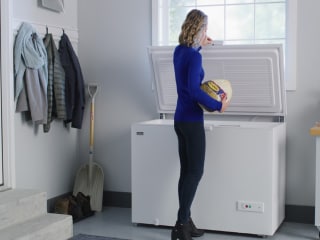
Chest freezers usually take longer to cool than upright models because of their larger interior volume and thicker insulation. On average, expect a new chest freezer to take about 8 to 12 hoursto reach its ideal freezing temperature.
If you’ve just plugged in your chest freezer, try not to open it frequently during this period. Each time you open the lid, warm air rushes in, making the compressor work harder and extending the cooling time.
Upright Freezers
Upright freezers cool faster due to their vertical design and better air circulation inside. Typically, a new upright freezer will take about 4 to 8 hoursto get cold enough to safely store frozen food.
Because upright freezers have shelves and compartments, you can organize your food efficiently once it reaches the right temperature. This also means you can minimize door openings during the initial cooling phase by planning where to place items in advance.
Compact Freezers
Compact or mini freezers cool the fastest since they have the smallest capacity and less space to cool down. You can usually expect a compact freezer to reach freezing temperatures in 2 to 4 hours.
This quick cooling time makes compact freezers ideal for dorm rooms, offices, or small kitchens. If you’re in a hurry to store frozen goods, a compact freezer might be your best option.
Cooling Time For Restarting Freezers
Understanding how long a freezer takes to get cold after restarting is key to ensuring your food stays safe and fresh. Whether your freezer lost power or you just finished defrosting, the cooling time varies. Let’s look at what to expect and how to manage this crucial period effectively.
After Power Outage
When your freezer comes back on after a power outage, it usually takes longer than a regular start-up to reach the proper freezing temperature. The internal temperature may have risen, so the compressor has to work harder to bring it back down.
Typically, it takes about 4 to 12 hours for the freezer to fully cool down again. However, this depends on factors like the freezer’s size, how full it is, and the ambient room temperature.
If you had a partial thaw, check your food carefully. Are ice crystals still present? If yes, your food is probably safe. If not, it might be time to consider replacing some items.
Post-defrosting
After defrosting, your freezer will be empty and at room temperature, so it needs a fresh start to reach freezing conditions. Usually, this process takes between 6 to 24 hours, depending on your model and environmental conditions.
It’s a good idea to avoid adding food immediately after defrosting. Wait until the freezer reaches the ideal temperature, usually around 0°F (-18°C), before restocking. Adding warm or room-temperature food too soon can delay cooling and strain the appliance.
To speed up the process, keep the door closed as much as possible and ensure the freezer is in a cool, well-ventilated spot. Have you noticed how opening the door frequently slows down cooling? It’s a simple habit that can save you hours.
Steps To Speed Up Freezer Cooling
Speeding up your freezer’s cooling time can save you both energy and frustration. Small changes in how you organize and use your freezer make a big difference. Let’s look at some practical steps you can take right now to help your freezer reach the ideal temperature faster.
Proper Air Circulation
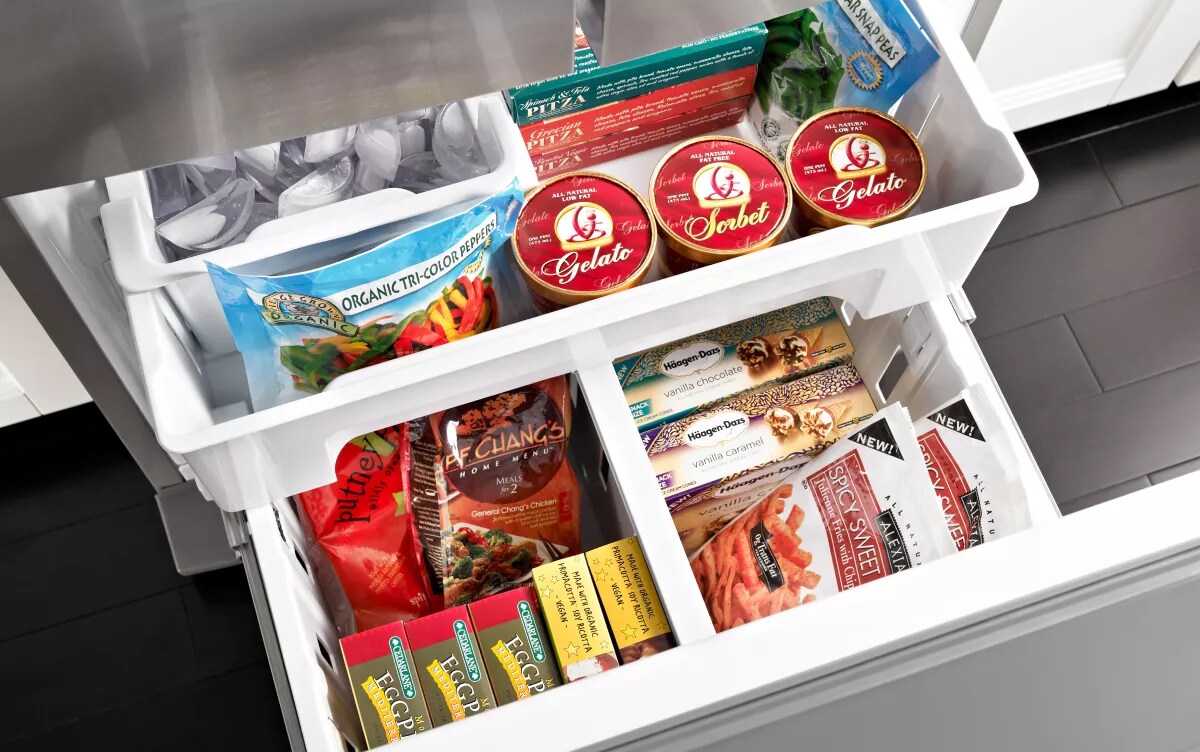
Air needs to flow freely inside your freezer for efficient cooling. Avoid packing the freezer too tightly, as blocked air vents slow down the cooling process. Leaving space between items allows cold air to circulate evenly and cool everything faster.
Have you ever noticed how some parts of your freezer feel colder than others? That’s often due to poor air circulation. Make sure nothing is blocking the fans or vents inside your freezer to keep the cold air moving smoothly.
Correct Placement Of Items
Place larger, dense items at the bottom or back of the freezer where the coldest air collects. Lighter or more delicate items go toward the front or top. This arrangement helps maintain a consistent temperature and speeds up the cooling of newly added food.
Think about how you stack your groceries. If warm leftovers sit on top of frozen veggies, they take longer to cool down. Organizing your freezer thoughtfully can cut down on the overall chill time.
Avoiding Frequent Door Openings
Every time you open the freezer door, cold air escapes and warm air rushes in. This forces your freezer to work harder and take longer to get cold again. Try to plan what you need before opening the door and keep it closed as much as possible.
Have you ever stood in front of the freezer debating what to take out? That pause lets precious cold air slip away. Grab what you need quickly or keep a list nearby to reduce the number of door openings.
Common Mistakes Delaying Cooling
Several common mistakes can slow down how quickly a freezer cools. These errors often go unnoticed but greatly affect performance. Fixing them helps your freezer reach the right temperature faster.
Overloading The Freezer
Stuffing the freezer full blocks air flow. Cold air cannot circulate properly around the items. This causes uneven cooling and delays the freezer from getting cold.
Leave some space between items. Do not pack the freezer tight. Air needs room to move freely.
Inadequate Ventilation
Freezers need space around them for air to flow outside. If placed too close to walls or cabinets, heat cannot escape. This makes the compressor work harder and slows cooling.
Keep at least a few inches of space on all sides. Make sure vents are not blocked by dust or objects.
Thermostat Settings Issues
Setting the thermostat too low or too high affects cooling time. A low setting may cause the freezer to work continuously without reaching the right cold. A high setting delays cooling.
Set the thermostat to the manufacturer’s recommended temperature. Usually, this is around 0°F (-18°C) for freezers.
Credit: www.maytag.com
Signs Your Freezer Has Reached Optimal Temperature
Knowing when your freezer has reached the right temperature helps keep food fresh and safe. Several clear signs show it is running properly. These signals confirm the freezer is cold enough to store your items well.
Frost Formation
A thin layer of frost on freezer walls means cold air is circulating. Frost appears evenly, not in thick patches. This frost signals the freezer has reached and maintains the correct temperature.
Consistent Internal Temperature
Check the freezer thermometer for a steady reading. Ideal temperature is around 0°F (-18°C). Temperature should not jump or drop suddenly. Consistency means the freezer compressor and thermostat work well.
Efficient Ice Making
Ice trays fill up within a few hours. Ice cubes are hard and clear, not soft or watery. Quick and solid ice means the freezer is cold enough for proper freezing.
Credit: www.whirlpool.com
Frequently Asked Questions
How Long Does A Freezer Take To Reach Freezing Temperature?
A typical freezer takes 4 to 6 hours to reach 0°F (-18°C). This time varies by model, size, and room temperature. Avoid opening the door during this period to maintain cold air and speed up cooling.
What Affects The Time For A Freezer To Get Cold?
Freezer size, initial temperature, door openings, and ambient temperature impact cooling time. Larger freezers or warmer rooms take longer. Proper ventilation and avoiding frequent door openings help the freezer reach its ideal temperature faster.
Can I Speed Up How Fast My Freezer Gets Cold?
Yes, by keeping the door closed, placing the freezer in a cool area, and not overloading it. Allow the freezer to cool down empty before adding food for optimal performance and faster cooling.
How Can I Check If My Freezer Is Cold Enough?
Use a freezer thermometer to ensure it reaches 0°F (-18°C). If the temperature is higher, adjust the thermostat. Proper cold levels keep food safe and maintain energy efficiency.
Conclusion
A freezer usually takes several hours to get cold enough. This time depends on the size and model of the freezer. Keeping the door closed helps it cool faster. Avoid putting warm food inside right away. Regular cleaning and good ventilation improve cooling speed.
Knowing how long your freezer takes helps you plan better. Patience is key for the best results. Your food stays fresh and safe once the freezer reaches the right temperature. Trust the process and give it time.