Are you wondering how long your deep freezer will take to get cold after you plug it in? Knowing this can save you time and help you keep your food fresh and safe.
Whether you just bought a new freezer or moved your old one, understanding the cooling process is key. You’ll discover exactly what affects the cooling time and what you can do to speed it up. Keep reading, and you’ll never have to guess when your deep freezer is ready to use again.
Factors Affecting Cooling Time
Several factors influence how quickly a deep freezer reaches its cold temperature. These factors affect the efficiency of the cooling process and the time it takes to freeze items properly. Understanding these elements helps set realistic expectations and improve freezer use.
Freezer Size And Capacity
Larger freezers take more time to cool due to their bigger space. The capacity affects how much air inside needs chilling. A small freezer cools faster because less air and fewer surfaces need cold air.
Also, a full freezer stays cold better than an empty one. Items inside absorb and hold the cold, helping the freezer cool faster overall.
Initial Temperature
The starting temperature of the freezer impacts cooling time. A freezer that begins at room temperature takes longer to cool. If the freezer is already cold, it reaches the desired temperature faster.
Placing warm or hot food inside can also increase cooling time. The freezer has to work harder to lower the temperature of these items.
Ambient Room Temperature
The temperature of the room around the freezer affects cooling speed. A warmer room makes the freezer work more to remove heat. Cooler room temperatures help the freezer reach its set temperature quicker.
High humidity in the room can also slow cooling because moisture affects the freezer’s efficiency.
Freezer Model And Technology
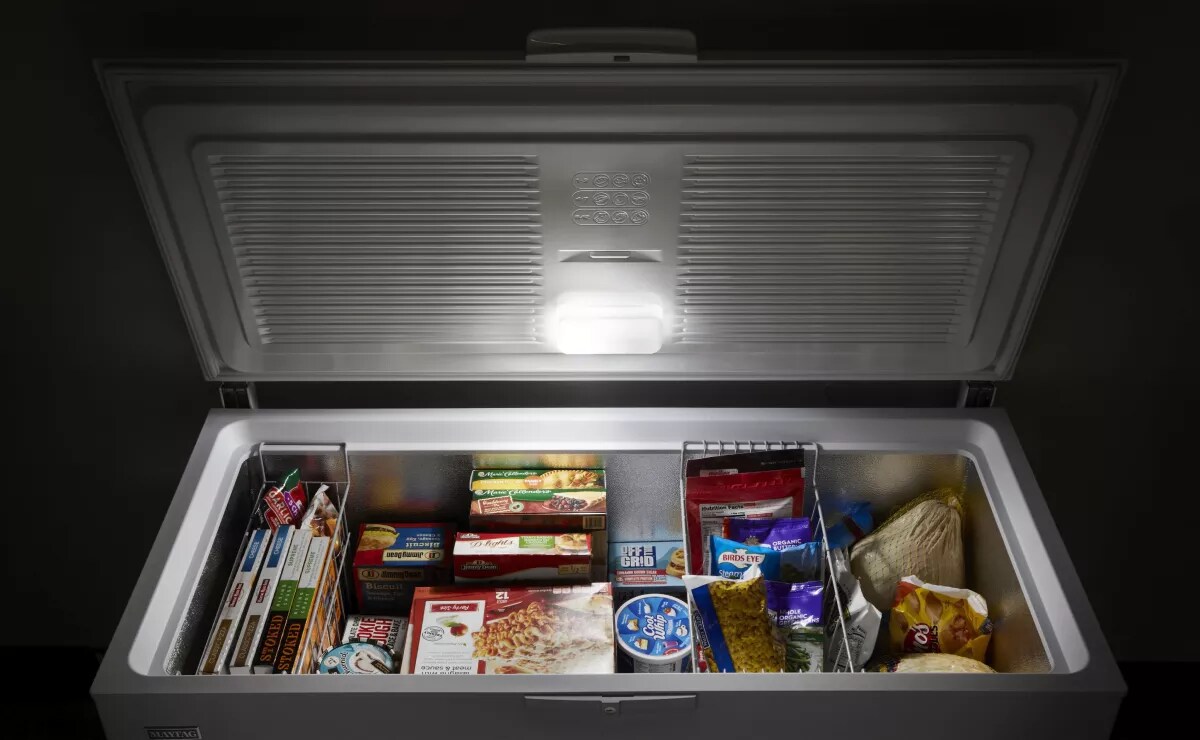
Different freezer models have varying cooling speeds. Modern freezers with advanced technology cool faster and use energy efficiently. Older models may take longer and consume more power.
Features like fast-freeze mode or better insulation improve cooling time. Energy-efficient compressors and fans also contribute to quicker cooling.
Credit: www.maytag.com
Typical Cooling Duration
Understanding the typical cooling duration of a deep freezer helps set the right expectations. A deep freezer does not become cold instantly. It takes time to reach the desired temperature for safe food storage. Several factors influence this cooling period.
Average Time Range
Most deep freezers take between 4 to 24 hours to cool down after being plugged in. The exact time depends on the freezer's size and initial temperature. Smaller models often cool faster, while larger ones need more time. It is best to wait at least 24 hours before placing food inside.
Time To Reach Optimal Temperature
The optimal temperature for a deep freezer is around -18°C (0°F). It usually takes about 12 to 24 hours for the freezer to reach this level. During this time, avoid opening the door often. Keeping the door closed helps maintain a steady cooling process.
Variations By Freezer Type
Chest freezers and upright freezers cool differently. Chest freezers tend to keep cold air better, so they may cool more evenly. Upright freezers cool faster but lose cold air more easily when opened. Manual defrost freezers might take longer to cool than frost-free models.
Tips To Speed Up Cooling
Getting your deep freezer to cool quickly can save you time and keep your food fresh sooner. Small changes in how you use and care for your freezer can make a big difference in the cooling speed. Here are some practical tips to help you get the coldest temperature faster.
Proper Placement And Ventilation
Where you place your deep freezer matters a lot. Make sure it’s in a well-ventilated space, away from direct sunlight or heat sources like ovens and radiators. Good airflow around the unit helps the freezer release heat efficiently.
Have you checked the gap between the freezer and the wall? At least a few inches of space allow air to circulate, preventing the compressor from overworking and speeding up cooling.
Avoid Overloading
Filling your freezer to the brim might seem like a good idea, but it can actually slow down the cooling process. Air needs room to circulate inside for the cold to reach every corner quickly.
Try to leave some space between items or organize them so that cold air flows freely. You’ll notice your freezer cools faster and your food freezes more evenly.
Pre-chilling Items
Putting warm or room-temperature food directly into the freezer makes it work harder and longer to get cold. Instead, cool your food in the fridge first or let it reach room temperature before freezing.
This small step reduces the load on your freezer and cuts down the time it takes to reach the right temperature. Have you ever felt your freezer running non-stop after loading hot leftovers? Pre-chilling can prevent that.
Regular Maintenance
Keeping your deep freezer clean and well-maintained plays a key role in how fast it cools. Defrost the freezer regularly if it’s not frost-free, as ice buildup blocks airflow and slows cooling.
Also, clean the condenser coils at least twice a year. Dust and dirt on the coils force your freezer to work harder, making it slower to cool and increasing energy use.
Credit: kismile.com
Signs Your Freezer Is Cooling Properly
Ensuring your deep freezer cools properly is crucial for food preservation. Recognizing the signs that it is functioning well can prevent food spoilage. Here are key indicators to look for that show your freezer is cooling efficiently.
Temperature Indicators
A reliable sign your freezer is cooling effectively is its internal temperature. Most deep freezers should maintain a temperature of 0°F (-18°C) or lower. Use a thermometer to check the temperature regularly. Consistent readings at this level confirm your freezer is operating correctly. If temperatures fluctuate, inspect the door seal or settings.
Sound And Vibration
A properly working freezer will emit a low, steady hum. This sound indicates the compressor is running smoothly. Occasional clicks when the compressor starts or stops are normal. Notice any loud or irregular noises? They might signal a problem. Also, check for unusual vibrations which might indicate an issue with the motor or fan.
Frost And Ice Patterns
Frost buildup can indicate proper cooling, but excess ice is a red flag. A thin layer of frost on the walls is normal. It shows the freezer is maintaining the right temperature. Thick ice layers, however, might mean the door is not sealing well. Regularly check and defrost if necessary to ensure efficient cooling.
Common Cooling Problems
Deep freezers are designed to chill quickly, but sometimes they take longer than expected to reach the desired temperature. This delay can be frustrating, especially when you're eager to preserve fresh food. Understanding common cooling problems can help you identify what's wrong and get your freezer working efficiently again.
Causes Of Slow Cooling
Several issues can cause your deep freezer to cool slowly. A dirty condenser coil is a frequent culprit; dust buildup prevents proper heat exchange, making the freezer work harder. Another cause might be a faulty door seal, which lets warm air seep in and disrupts the cooling process.
Improper loading can also slow cooling. Overpacking blocks airflow inside the freezer, while placing warm items directly inside forces the freezer to work overtime. Sometimes, the thermostat itself may be malfunctioning, giving incorrect readings that affect cooling cycles.
Troubleshooting Steps
Start by checking the door seal for gaps or cracks. Press the seal against a piece of paper and try to pull it out—if it slips easily, the seal needs replacing. Next, clean the condenser coils with a brush or vacuum; this simple step often improves cooling dramatically.
Make sure the freezer isn’t overloaded and that air vents inside are clear. Let hot or warm foods cool down before freezing. Finally, reset the thermostat to a colder setting and monitor if the temperature drops faster.
When To Call A Technician
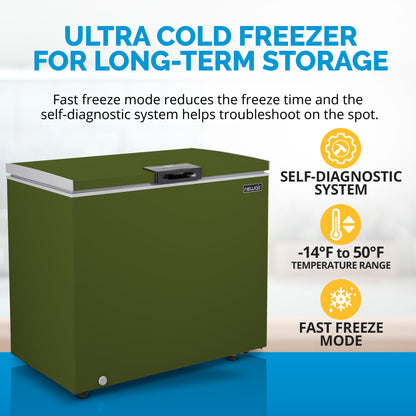
If your freezer still struggles to cool properly after basic checks, it may be time to call a professional. Issues like refrigerant leaks, compressor failure, or electrical faults require expert diagnosis. Ignoring these problems can lead to higher energy bills and spoiled food.
Wondering if your freezer’s noise or frost buildup is normal? A technician can assess these symptoms and recommend repairs or replacements. Don’t wait until a minor issue becomes a costly problem.
Credit: www.newair.com
Frequently Asked Questions
How Long Does A Deep Freezer Take To Reach Freezing Temperature?
A deep freezer typically takes 4 to 24 hours to reach its optimal freezing temperature. This depends on the model, size, and initial temperature. Newer, energy-efficient models usually cool faster. It’s best to wait until the temperature stabilizes before storing food.
What Factors Affect Deep Freezer Cooling Time?
Cooling time depends on freezer size, compressor efficiency, and room temperature. Opening the door frequently slows cooling. Also, the initial temperature of the freezer and the amount of food inside influence how fast it gets cold.
Can Placing Warm Food Delay Deep Freezer Cooling?
Yes, placing warm food inside increases cooling time. Warm items raise the internal temperature, forcing the compressor to work harder. It’s recommended to cool food to room temperature before freezing to maintain efficient cooling and protect stored items.
How Can I Speed Up My Deep Freezer’s Cooling Process?
To speed cooling, keep the freezer door closed as much as possible. Avoid placing warm food inside. Set the temperature to the recommended freezing level. Ensure the freezer is in a cool, ventilated area for better performance.
Conclusion
A deep freezer usually takes several hours to reach the right cold temperature. Most models need about 4 to 24 hours to get fully cold. Keeping the door closed helps it cool faster. Avoid putting warm food inside at first.
This keeps the freezer working well and saves energy. Knowing how long it takes helps you plan better. A cold deep freezer keeps your food fresh and safe. Patience is key for the best freezing results.