If you love crispy, juicy wings, knowing exactly how long to cook them in a deep fryer is a game-changer. Too short, and they’re undercooked; too long, and they turn dry and tough.
You want wings that are perfectly golden, with that irresistible crunch every time. You’ll discover the ideal cooking time to get restaurant-quality wings right in your own kitchen. Keep reading, and you’ll never guess how simple it is to fry wings that your friends and family will rave about.
Choosing The Right Wings
Choosing the right wings is key for perfect deep-fried results. The type and condition of wings affect cooking time and taste. Picking suitable wings helps achieve crispy skin and juicy meat.
Fresh Vs Frozen Wings
Fresh wings usually cook faster than frozen wings. Frozen wings need thawing before frying. Thaw completely to avoid uneven cooking. Fresh wings offer better texture and flavor. Frozen wings can be convenient but may release extra water. This water lowers oil temperature and affects crispiness.
Wing Size And Type
Wings come in various sizes and parts: flats, drumettes, or whole wings. Smaller wings cook quicker than large ones. Drumettes have more meat and take longer to cook than flats. Whole wings need the most time to fry evenly. Choose wings that fit your cooking time and oil capacity. Uniform size helps cook all wings evenly.
Preparing Wings For Frying
Getting your wings ready before they hit the deep fryer is crucial for crispy, flavorful results. Proper preparation affects not only taste but also cooking time and texture. Let’s look at two key steps that make a big difference: drying the wings and seasoning or marinating them.
Patting Wings Dry
Moisture is the enemy of crispiness. Before frying, make sure to thoroughly pat your wings dry with paper towels. This simple step helps the oil crisp up the skin instead of steaming the wings.
Think about the last time you fried wings without drying them first—did they turn out soggy? Removing excess water also reduces oil splatters, making frying safer and cleaner.
Seasoning And Marinating
Seasoning your wings before frying adds layers of flavor that shine through the crispy crust. A simple mix of salt, pepper, and garlic powder works wonders if you want a straightforward taste.
If you prefer deeper flavor, marinate your wings for at least 30 minutes in a mixture of your favorite spices, herbs, or sauces. But keep in mind, too much liquid in your marinade can affect the frying process, so consider using thicker marinades or patting wings dry after marinating.
Have you tried marinating wings overnight? It can intensify flavors but may also soften the skin, making it harder to get that perfect crunch. Finding the right balance depends on your taste and frying technique.
Setting Up The Deep Fryer
Setting up the deep fryer correctly is essential for crispy, delicious wings. The right preparation ensures even cooking and great flavor. It also helps keep the kitchen safe and clean during frying. Let’s explore the key points for setting up your deep fryer before cooking wings.
Oil Type And Temperature
Choose an oil with a high smoke point. Peanut, canola, or vegetable oil works well. Heat the oil to 350°F (175°C). This temperature crisps the wings without burning them. Use a thermometer to check the oil temperature. Keep the temperature steady for the best results.
Safety Tips
- Place the fryer on a flat, stable surface.
- Do not overfill the fryer with oil.
- Keep water away from hot oil to avoid splattering.
- Use long tongs or a slotted spoon to handle wings.
- Have a fire extinguisher nearby, just in case.
- Turn off the fryer immediately after cooking.

Cooking Time For Wings
Deep fry wings for about 8 to 10 minutes at 375°F until crispy and golden brown. Make sure the internal temperature reaches 165°F for safe eating. Adjust time slightly for wing size and fryer type.
Cooking wings in a deep fryer offers crispy perfection. But timing is crucial. Proper cooking time ensures they are deliciously crispy outside and juicy inside. Understanding the right duration helps achieve the ideal texture and flavor. Let's explore the nuances of deep-frying wings.
Standard Cooking Time
Typically, wings need about 8 to 10 minutes in a deep fryer. Maintain oil temperature around 350°F (175°C). This ensures even cooking and a crispy outer layer. Keep batches small to avoid dropping the oil temperature.
Adjusting For Wing Size
Wing size affects cooking time. Larger wings may need extra minutes. Smaller wings might cook faster. Check frequently to avoid overcooking. Adjust time based on wing thickness for perfect results.
Signs Wings Are Done
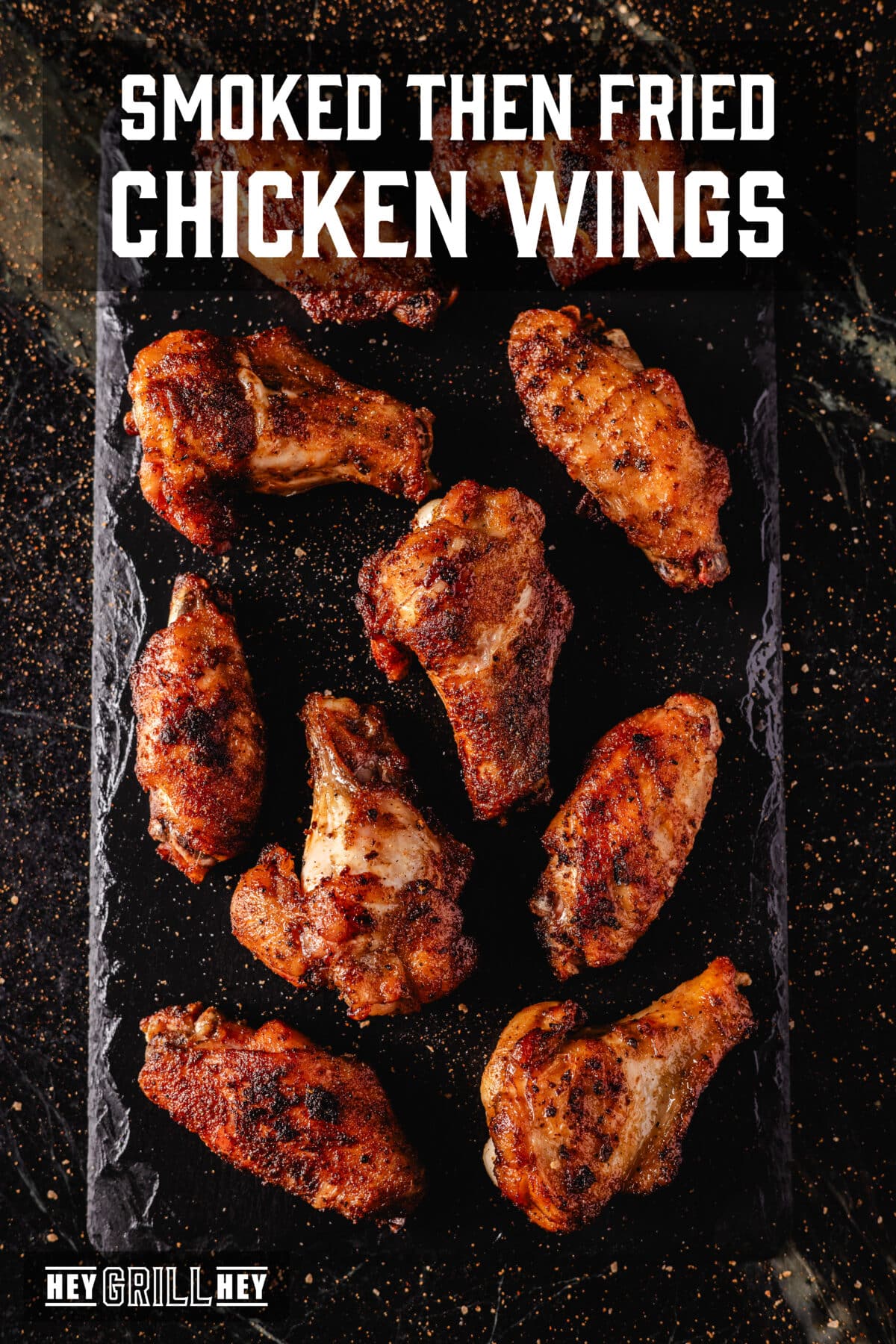
Look for a golden-brown color. The skin should be crispy. Internal temperature should reach 165°F (74°C). Juices should run clear when pierced. These signs indicate perfectly cooked wings.
Achieving Perfect Crispiness
Getting wings perfectly crispy in a deep fryer is all about controlling texture without drying out the meat. Crispiness comes from the right cooking time, temperature, and little tricks that help lock in juiciness while creating that irresistible crunch. Have you ever wondered why some wings come out soggy despite frying? The secret often lies beyond just frying once.
Double Frying Technique
Double frying is a game changer for wing crispiness. Start by frying your wings at a lower temperature, around 275°F (135°C), for about 8-10 minutes. This cooks the wings through without browning the skin too fast.
After the first fry, let them rest for a few minutes. Then, increase the oil temperature to 375°F (190°C) and fry the wings again for 2-3 minutes. This second fry crisps the outside perfectly while keeping the inside juicy. The key to achieving that unbeatable taste is to reheat wings to crispy perfection. You can do this in an air fryer or a conventional oven for the best results. Just remember to keep an eye on them to ensure they don’t lose that signature crunch.
This method might take extra time, but the crunch it delivers is worth every second. Have you tried frying wings twice before? You might find your favorite wings get a whole new texture!
Draining And Resting Wings
Once wings come out of the fryer, draining is key. Use a wire rack or paper towels to remove excess oil. Avoid stacking wings on top of each other; it traps steam and softens the crust.
Resting wings for 5-10 minutes lets the hot oil settle and the skin firm up. This short wait can make a big difference in crunchiness. Do you usually eat wings immediately or let them rest? Try pausing—it might change your wing experience.
Serving Suggestions
Serving deep-fried wings is more than just plating them. The right sauces, dips, and side dishes can elevate the whole experience. They bring balance and extra flavors to the crispy wings. These ideas make your wing meal more enjoyable and complete.
Popular Sauces And Dips
- Buffalo sauce: Classic, spicy, and tangy
- Ranch dressing: Cool and creamy, a perfect contrast
- Blue cheese dip: Rich and sharp, ideal for bold tastes
- Honey mustard: Sweet with a bit of tang
- Barbecue sauce: Smoky and sweet, a crowd favorite
- Garlic parmesan: Savory with a cheesy twist
- Sriracha mayo: Spicy with a creamy texture
Side Dishes To Pair
- Celery and carrot sticks: Crisp and refreshing
- French fries: Classic, salty, and crispy
- Coleslaw: Creamy and crunchy with a slight tang
- Macaroni and cheese: Comforting and cheesy
- Baked beans: Sweet and savory
- Potato wedges: Hearty and seasoned
- Onion rings: Crunchy and flavorful
Troubleshooting Common Issues
Deep frying wings can sometimes lead to problems. Common issues include wings being too greasy or not crispy enough. Knowing how to fix these can improve your cooking results. Small adjustments make a big difference in texture and taste.
Wings Too Greasy
Greasy wings usually mean the oil temperature was too low. When oil is not hot enough, wings soak up more oil. Always use a thermometer to keep oil between 350°F and 375°F (175°C to 190°C).
Drain wings on paper towels or a wire rack after frying. This helps remove extra oil. Avoid overcrowding the fryer. Crowding lowers oil temperature and causes greasiness.
Wings Not Crispy Enough
Wings that lack crispiness may need more cooking time. Make sure the oil is hot enough before adding wings. Fry wings in small batches for even cooking.
Pat wings dry before frying to reduce moisture. Moist wings steam instead of crisp. For extra crunch, toss wings in a light coating of flour or cornstarch.

Frequently Asked Questions
How Long Do You Deep Fry Chicken Wings?
Chicken wings typically take 8 to 10 minutes to deep fry at 350°F. Cook until golden brown and crispy. Ensure the internal temperature reaches 165°F for safety. Avoid overcrowding the fryer to maintain consistent heat and even cooking.
What Temperature Is Best For Frying Wings?
The ideal frying temperature for wings is 350°F (175°C). This temperature crisps the skin while keeping the meat juicy. Too high heat burns the outside; too low makes wings greasy. Use a thermometer for accurate temperature control.
Can I Cook Frozen Wings In A Deep Fryer?
It’s best to thaw wings before frying to ensure even cooking. Cooking frozen wings increases oil splatter and uneven texture. If frying frozen, increase cooking time by 50% and monitor closely for safety.
How Do I Know When Wings Are Fully Cooked?
Wings are done when they are golden, crispy, and reach 165°F internally. Use a meat thermometer to check temperature. Juices should run clear, and meat should no longer be pink near the bone.
Conclusion
Cooking wings in a deep fryer takes about 8 to 12 minutes. Make sure the oil is hot enough, around 350°F (175°C). This helps the wings cook evenly and get crispy. Check that the wings are golden brown and cooked inside.
Avoid overcrowding the fryer to keep the temperature steady. Let the wings rest a few minutes before serving. Enjoy your crispy, tasty wings every time with these simple steps. Cooking wings is easy and fast with a deep fryer. Try it and taste the difference!