Have you ever wondered how long ice packs stay cold in your lunch box? If you rely on them to keep your food fresh and safe, knowing their cooling time is key.
You don’t want your sandwich to turn soggy or your salad to spoil before lunchtime. You’ll discover exactly how long ice packs last, what affects their cooling power, and simple tips to make them work longer for you. Keep reading to make sure your lunch stays fresh and tasty all day!

Credit: www.amazon.com
Ice Pack Basics
Ice packs keep food fresh by staying cold inside lunch boxes. They help stop bacteria growth and keep meals tasty. Understanding ice pack basics can help you pick the best option. Knowing how they work and their types is useful. Size also matters for effectiveness and convenience.
Types Of Ice Packs
- Gel packs: Soft and reusable, they mold around food easily.
- Ice blocks: Solid and long-lasting but less flexible.
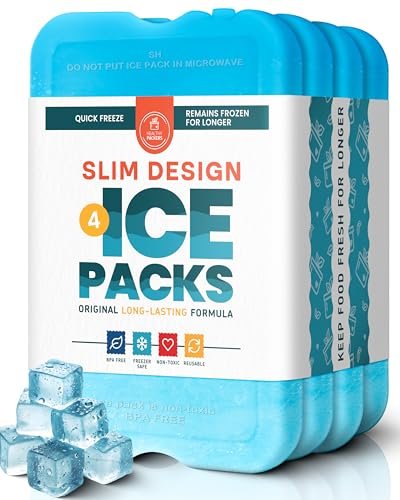
- Freeze gel sheets: Thin and flat, good for small lunch boxes.
- Instant ice packs: Single-use, cool quickly without freezing.
How Ice Packs Work
Ice packs absorb heat from the food and lunch box. The cold temperature slows bacterial growth and keeps food safe. Gel packs freeze and stay cold longer than water ice. Solid ice blocks melt slower but can be bulky. Instant packs use a chemical reaction to cool fast.
Choosing The Right Size
Pick an ice pack that fits your lunch box well. Too small means less cooling power. Too big takes up too much space. Match the pack size to your lunch contents for best results. Small packs are good for snacks. Larger packs work well for full meals.
Factors Affecting Ice Pack Duration
Several factors influence how long ice packs stay cold in a lunch box. These elements determine the cooling time and effectiveness of the ice packs. Understanding these factors helps keep food fresh and safe for longer periods.
Temperature Outside
Hot weather shortens ice pack duration. The higher the outside temperature, the faster the ice melts. Shade and air circulation also affect cooling time. Cooler environments help ice packs last longer.
Lunch Box Insulation
Insulated lunch boxes keep cold inside better than regular ones. Thick walls and good seals prevent heat from entering. Without insulation, ice packs lose cold quickly. Quality insulation extends ice pack life significantly.
Contents Of The Lunch Box
Cold food helps maintain the ice pack's temperature. Warm items cause ice packs to melt faster. Packing mostly cold or frozen foods keeps the lunch box cooler. Avoid hot food to preserve ice pack duration.
Ice Pack Placement
Placing ice packs at the top or sides cools the whole lunch box. Direct contact with food items keeps them colder longer. Avoid placing ice packs loosely or only at the bottom. Proper placement improves cooling efficiency.
Typical Ice Pack Lifespans
Ice packs keep food cool and fresh in lunch boxes for a limited time. Their lifespan depends on the type and quality. Understanding typical ice pack lifespans helps in choosing the right option for your needs.
Standard Gel Packs
Standard gel packs last between 3 to 5 hours in a lunch box. They freeze solid and slowly release cold as they melt. These packs are lightweight and easy to use. They stay cold longer in insulated lunch boxes.
Reusable Freezer Packs
Reusable freezer packs can last up to 8 hours or more. They contain special gel or liquid that freezes at lower temperatures. These packs are thicker and hold cold longer than standard gel packs. Freezing them overnight improves their lifespan.
Homemade Ice Packs
Homemade ice packs last about 1 to 3 hours. Common types include frozen water bottles or ice cubes in bags. They can be messy as they melt. They work best for short trips or quick lunches.
Maximizing Ice Pack Effectiveness
Keeping your lunch cold is important for freshness and safety. Maximizing ice pack effectiveness helps your food stay cool longer. Simple habits can make a big difference. Follow these tips to get the most from your ice packs.
Pre-chilling The Lunch Box
Cool your lunch box before packing. Place it in the fridge or freezer for a short time. This lowers the temperature inside. It helps ice packs keep food cold longer.
Using Multiple Ice Packs
Use more than one ice pack for better cooling. Spread them around your lunch box evenly. This creates a cold environment from all sides. Your food stays fresh for hours.
Freezing Ice Packs Properly
Freeze ice packs completely before use. Check the freezer temperature; it should be below 0°C (32°F). Partly frozen packs do not keep food cold well. Keep them flat to freeze evenly.
Avoiding Frequent Opening
Open your lunch box only when needed. Each time you open it, warm air enters. This reduces the ice packs’ cooling power. Plan your meal breaks to limit openings and keep food cold longer.
Signs Ice Packs Need Replacement
Ice packs need replacement if they leak or no longer stay cold for hours. Cracks, tears, or strange smells also show it's time to get new ones. Regular checks help keep your lunch fresh and safe.
Recognizing when ice packs need replacement is crucial for food safety. Freshness of your lunch depends on how well ice packs perform. Here are some signs to watch for.
Temperature Drop
Ice packs should keep food cool for several hours. If you notice a significant temperature drop, it indicates the pack is failing. Check the chill by touching the outside of the lunch box. If it feels warm, the ice pack might not be effective. Consistent warmth could mean it's time to replace the pack.
Ice Pack Damage
Physical damage reduces the efficiency of ice packs. Look for cracks, leaks, or unusual bulges. Damaged packs can’t insulate properly. They might also leak chemicals into food. Regularly inspect your ice packs for visible signs of wear and tear.
Food Freshness Indicators
Spoiled food is a clear sign of failing ice packs. If your food smells off or looks unusual, investigate the ice pack. Freshness indicators include wilted vegetables or warm drinks. Replace the ice pack if food frequently spoils before lunchtime.

Credit: coraggiobag.com
Alternative Cooling Options
Keeping food cool in a lunch box can be tricky without ice packs. Many effective alternatives exist to maintain freshness and prevent spoilage. These options offer convenience and longer cooling times, depending on the type used.
Frozen Water Bottles
Frozen water bottles double as a cold source and a drink. They stay cold for several hours and slowly melt, keeping food fresh. Choose bottles made of BPA-free plastic for safety. They fit easily inside most lunch boxes and reduce waste from disposable ice packs.
Cold Gel Sheets
Cold gel sheets are flexible and reusable cooling pads. They chill quickly in the freezer and stay cold longer than ice. These sheets adapt well around food containers, providing even cooling. Many are non-toxic and safe for children’s lunches.
Thermal Lunch Bags
Thermal lunch bags help keep cold air inside and block heat outside. They do not cool food but slow temperature changes. Pair them with frozen bottles or gel packs for better results. Thermal bags come in various sizes and styles to suit different needs.

Credit: packit.com
Frequently Asked Questions
How Long Do Ice Packs Stay Cold In A Lunch Box?
Ice packs typically stay cold for 4 to 6 hours in a lunch box. The duration depends on the pack’s size and insulation quality. Using a well-insulated lunch box can extend the cold time effectively.
What Affects Ice Packs’ Cooling Duration In Lunch Boxes?
Factors like ice pack size, insulation, and ambient temperature affect cooling duration. Larger packs and better insulation keep food cold longer. Warm external temperatures can shorten ice packs’ effectiveness in lunch boxes.
Can Ice Packs Keep Lunch Food Safe All Day?
Ice packs can keep food safe up to 6 hours if properly insulated. For longer periods, multiple ice packs or a high-quality cooler are recommended. Proper food safety also depends on packing perishable items correctly.
How To Maximize Ice Pack Life In A Lunch Box?
Pre-chill the lunch box and pack ice packs directly with food. Use an insulated lunch bag and avoid opening it frequently. Keeping the lunch box out of direct sunlight helps maintain ice pack coldness longer.
Conclusion
Ice packs usually stay cold for about 3 to 8 hours. The exact time depends on the pack type and lunch box insulation. Reusable gel packs last longer than simple ice cubes. Keeping the lunch box in a cool place helps too.
Use fresh ice packs daily for best food safety. Remember, cold packs keep food fresh and tasty. Choose the right ice pack to fit your needs. Simple steps can keep your lunch cool all day.